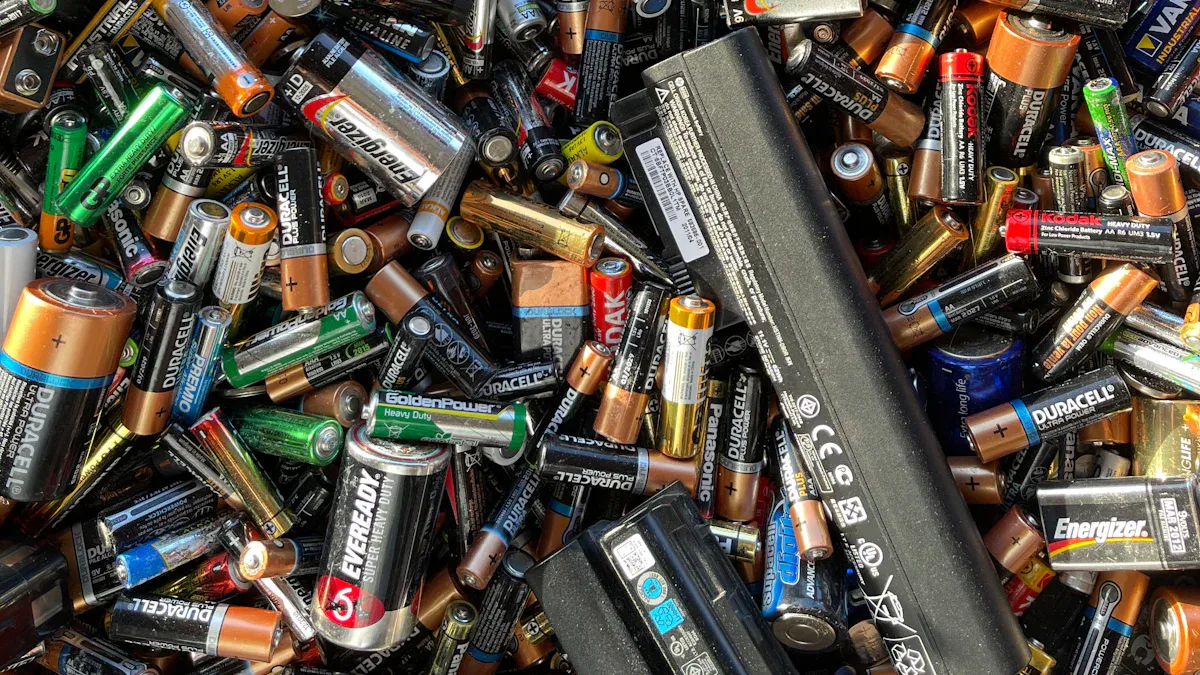
Safe storage of rechargeable batteries is crucial for preventing damage and extending their lifespan. When you safely store batteries, you can significantly enhance their durability. Proper storage conditions can lead to lithium batteries lasting 10-15 years, while alkaline batteries can last 5-10 years. Many users worry about the instability of lithium batteries, especially in high temperatures. Concerns include the risks of rapid explosions and fires. In fact, there were 268 reported fires caused by lithium-ion batteries in 2023, highlighting the need for awareness. Always monitor your batteries for unusual signs and follow safe practices to mitigate risks.
Key Takeaways
Keep rechargeable batteries charged between 40% and 50% to extend their lifespan and reduce chemical stress.
Store batteries in their original packaging or a dedicated storage box to prevent short circuits and physical damage.
Maintain a cool, dry environment for battery storage, ideally between 50°F and 77°F, to avoid performance issues.
Regularly inspect batteries for signs of damage, such as swelling or unusual heat, and stop using them if any issues arise.
Always follow manufacturer guidelines for charging and storage to ensure safety and maximize battery life.
Storage Practices
Keep Batteries Charged
To maintain the longevity of your rechargeable batteries, you should keep them charged. Aim to store your batteries at a charge level between 40% and 50%. This range helps reduce chemical stress and prevents capacity loss. Regularly check the charge level every three months. If you notice that the charge has dropped, recharge the batteries to keep them within the ideal range.
Here are some effective organizational methods for storing multiple rechargeable batteries:
Factor | Ideal Condition | Monitoring Frequency |
|---|---|---|
Charge Level | 40–50% | Every 3 months |
Ambient Temperature | 10–20°C (50–68°F) | Monthly |
Humidity | <50% Relative Humidity | Biweekly |
By following these guidelines, you can ensure that your batteries remain in good condition and ready for use.
Use Original Packaging
Using original packaging is one of the best practices for safely storing batteries. The design of original packaging often includes features that help prevent short circuits. For example, individual compartments and non-conductive materials keep battery terminals isolated from each other and conductive surfaces. This reduces the risk of electrical discharge that could lead to dangerous situations.
Additionally, original packaging provides shock resistance, minimizing internal movement during handling. This protection is vital for preventing physical damage to batteries. If you no longer have the original packaging, consider using a dedicated battery storage box. This box should have compartments to keep batteries organized and safe from moisture and dust.
Remember, proper storage practices not only enhance battery safety but also extend battery life. By keeping your batteries charged and using their original packaging, you can enjoy longer-lasting performance from your rechargeable batteries.
Environment for Battery Storage
Ideal Temperature
When you store rechargeable batteries, maintaining the right temperature is essential. The ideal temperature for lithium-ion batteries ranges from 50°F to 77°F (10°C to 25°C). For nickel-metal hydride batteries, the best range is slightly higher, between 50°F and 86°F (10°C to 30°C). Storing lithium rechargeable batteries outside this range can lead to performance issues or even battery failure.
Here’s a quick reference table for the ideal temperature conditions:
Battery Type | Ideal Operating Temperature | Extreme Temperature Range |
|---|---|---|
Lithium-Ion | 50°F to 77°F (10°C to 25°C) | 5°F to 122°F (-15°C to 50°C) |
Nickel-Metal Hydride | 50°F to 86°F (10°C to 30°C) | -4°F to 140°F (-20°C to 60°C) |
For long-term storage, keep lithium-ion batteries in a range of 15°C to 25°C (59°F to 77°F). This temperature control helps maximize battery life and safety.
Ventilation and Sunlight
Proper ventilation is crucial for safely storing batteries. Good airflow helps disperse any gases that may accumulate during charging. These gases, like hydrogen, can pose fire risks if they build up. Ensure your storage area has adequate ventilation to prevent these hazards.
Avoid placing batteries in direct sunlight. Exposure to sunlight can cause overheating and cosmetic damage. Here are some risks associated with storing batteries in sunlight:
Overheating can lead to performance issues.
Temperature fluctuations can negatively impact battery functionality.
Direct sunlight can cause cosmetic damage to batteries.
To ensure safety and longevity, store your batteries in a cool, dry place away from direct sunlight. By following these best practices, you can significantly enhance the safety and lifespan of your rechargeable batteries.
Safety Measures
Handle with Care
When you handle rechargeable batteries, you must take precautions to prevent accidents. Here are some best practices to follow:
Avoid storing the battery with metallic objects like keys or coins.
Do not intentionally short circuit the terminals with metal.
Refrain from piercing the battery with sharp objects.
Never heat the battery with soldering irons or similar tools.
Avoid dropping or stepping on the battery to prevent mechanical shock.
Do not disassemble or modify the battery.
Always inspect the battery regularly for damage.
By following these precautions, you can significantly reduce the risk of accidents and ensure safe usage of your batteries.
Fire Safety Preparedness
Fire safety is crucial when it comes to rechargeable batteries. Understanding the common causes of battery fires can help you stay prepared. Here are some key factors:
Cause of Fire Incident | Description |
|---|---|
Thermal runaway | A catastrophic chain reaction where battery temperature spirals out of control, often triggered by physical damage or improper charging. |
Incorrect charging methods | Use of incompatible or damaged chargers can create volatile conditions, leading to overheating and potential fires. |
Physical damage and aging | Trauma or natural aging can compromise battery integrity, increasing the risk of overheating and internal shorts. |
Environmental conditions | High temperatures and humidity can accelerate chemical reactions within batteries, leading to dangerous pressure buildup. |
To enhance safety, equip your storage area with the right fire safety equipment. Consider having the following fire extinguishers on hand:
Fire Extinguisher Name | Type of Fire | Notes |
|---|---|---|
Amerex B402 B:C | Electrical and flammable liquid fires | Good for lithium-ion battery fires |
Kidde 468093 Pro 210 | Multiple fire types, including electrical | Versatile option |
First Alert 1038789 | Lithium-ion fires | Lightweight and rechargeable |
Buckeye 13315 5-B:C | Electrical fires | Compact and effective |
Gladiator Fire Protection 5 lb Class D | Metal fires | Specifically for lithium-ion batteries |
By being aware of these safety measures and preparing for potential hazards, you can ensure a safer environment for your rechargeable batteries.
Maintaining Lithium Batteries
Regular Inspections
Regular inspections of your lithium rechargeable batteries are essential for safety and performance. You should check your batteries for any signs of damage or wear. Here are some key indicators to monitor:
The battery discharges more quickly than usual.
The battery gets hot or swells.
The battery loses charge when not in use.
If you notice any of these signs, stop using the battery immediately. Look for bulging, dents, or signs of overheating. Unusual smells or noises, such as cracking or hissing, also indicate potential issues. Regular monitoring helps you catch problems early and ensures safe usage.
Follow Manufacturer Guidelines
Following manufacturer guidelines is one of the best practices for maintaining lithium-ion batteries. Here are some important points to consider:
Avoid charging lithium-ion batteries below 0°C (32°F) to prevent safety issues.
Always use chargers specific to your battery type.
Store batteries at 50%–70% charge to reduce stress on cells.
Disconnect all loads before storage.
Check voltage every 30 to 60 days during long-term storage.
Neglecting these guidelines can lead to safety hazards, reduced battery capacity, and potential warranty issues. Improper storage, such as over-discharging, can cause permanent damage. Always check charge levels every 30 days to avoid voiding your warranty.
By regularly inspecting your batteries and adhering to manufacturer guidelines, you can enhance their lifespan and ensure safe operation. These practices not only protect your investment but also contribute to a safer environment.
In summary, safe storage practices for rechargeable batteries are essential for your safety and the longevity of your batteries. Remember to keep your batteries charged between 40% and 50%, use original packaging, and store them in a cool, dry place. Following these best practices can prevent significant financial losses, as incidents involving lithium batteries can cost millions. By implementing these tips, you protect your investment and ensure a safer environment for everyone.
FAQ
What types of batteries should I store safely?
You should store all types of rechargeable batteries, especially lithium batteries. Lithium batteries can be sensitive to temperature and humidity, so proper storage is crucial for safety and longevity.
How long can I store lithium batteries?
You can store lithium batteries for several months to a few years, depending on their charge level and storage conditions. Keep them charged between 40% and 50% for optimal performance.
Can I use any charger for my lithium batteries?
No, always use the charger specified by the manufacturer. Using an incompatible charger can lead to overheating and damage, increasing the risk of fire during storage.
What should I do if my battery shows signs of damage?
If you notice swelling, leaks, or unusual heat, stop using the battery immediately. Dispose of it according to local regulations for hazardous waste to prevent accidents.
Is it safe to store batteries in a garage?
Storing batteries in a garage can be risky due to temperature fluctuations. Ensure the garage maintains a stable temperature and avoid direct sunlight to protect your batteries.