Proper battery disposal and recycling play a crucial role in protecting our environment. Improper disposal can lead to toxic chemicals contaminating soil and water. You must know how to safely dispose of different types of batteries to minimize harmful impacts and promote a healthier planet for future generations.
Key Takeaways
Always identify the type of battery before disposal. Different batteries have specific recycling requirements.
Use designated recycling programs and drop-off locations to safely dispose of batteries. This helps protect the environment.
Tape battery terminals before disposal to prevent short circuits. This simple step enhances safety during transport.
Battery Types
Alkaline Batteries
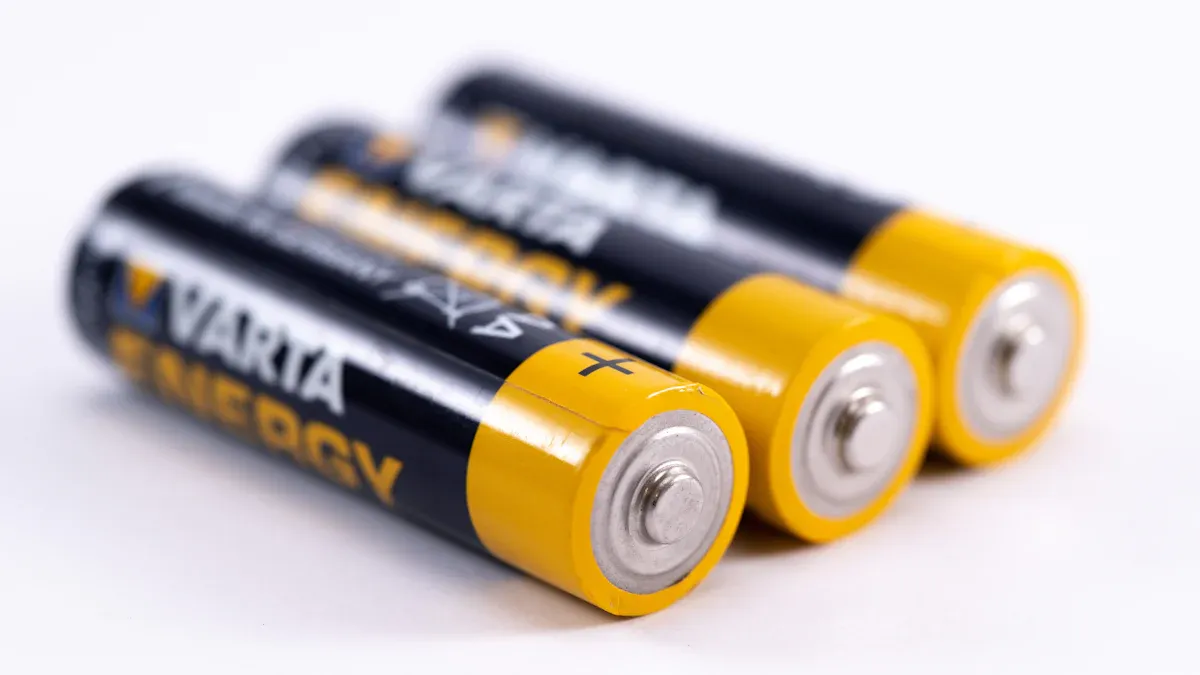
Alkaline batteries are common in many households. You often find them in devices like flashlights and remote controls. In states without strict regulations, you can dispose of alkaline batteries as non-hazardous waste. However, in states like California and Washington, they are considered hazardous waste. Here are some key disposal guidelines:
Dispose of alkaline batteries through designated channels in states with stricter regulations.
Remove batteries from devices immediately after they fail.
Do not attempt to recharge them.
Lithium-Ion Batteries
Lithium-ion batteries power many modern devices, including smartphones and laptops. They have a high energy density and long cycle life. To recycle lithium-ion batteries safely, consider these options:
Use Call2Recycle, which has over 34,000 drop-off locations.
Municipal hazardous waste facilities accept these batteries year-round.
Always tape battery terminals before disposal to prevent short circuits.
Lead-Acid Batteries
Lead-acid batteries are commonly used in vehicles and industrial applications. Improper disposal can lead to severe environmental hazards. Here are some risks associated with lead-acid batteries:
Pollution of air, soil, and water can occur if not handled properly.
Hazardous substances can affect crops and public health.
Children are particularly vulnerable to lead exposure.
To ensure safe disposal, always take lead-acid batteries to a certified recycling facility. Household hazardous waste stations can help manage these batteries effectively, keeping them separate from regular trash.
Household Hazardous Waste Stations
Household hazardous waste stations play a vital role in battery disposal. They ensure batteries are segregated from municipal waste. This prevents hazards and promotes safe recycling practices. Always check local resources for drop-off locations.
Risks of Improper Disposal
Improper disposal of batteries poses significant risks to both the environment and human health. When you throw batteries in the regular trash, you contribute to a growing problem that affects ecosystems and communities.
Environmental Impact
Approximately 2.9 billion batteries end up in landfills in the U.S. each year. These batteries contribute to landfill waste due to the presence of hazardous heavy metals like lead, zinc, and mercury. When batteries degrade, they can leach harmful chemicals into the soil and water. This leaching process occurs more frequently with certain battery types and can be influenced by pH levels.
Findings | Description |
|---|---|
Leaching Process | Heavy metals leach from batteries disposed of in landfills, particularly influenced by battery type and pH levels. |
Metal Concentrations | Higher concentrations of metals like manganese (Mn) and zinc (Zn) are found in leachate from landfills with increased battery disposal. |
The degradation of biodegradable materials in landfills also contributes to the leaching of toxic and heavy metals into soil and water. This contamination can significantly impact groundwater quality. The long-term effects include soil and water contamination, which can alter soil pH and chemical composition. Such changes make the land unsuitable for plant growth and can severely damage aquatic ecosystems.
Health Hazards
Improperly disposed batteries can leach heavy metals and corrosive chemicals into the soil and water. This poses long-term ecological risks, affecting both human health and the environment. Exposure to these hazardous materials can lead to serious health issues.
Exposure to heavy metals like lead can cause neurological impairments, especially in children. This can result in cognitive deficits and developmental delays.
Cadmium exposure is linked to kidney damage and chronic health conditions.
Corrosive battery electrolytes can cause chemical burns on contact with skin or eyes.
The symptoms of heavy metal poisoning can vary. For example, lead exposure may lead to headaches, constipation, and memory loss. In contrast, mercury exposure can cause fatigue and brain fog. Understanding these risks emphasizes the importance of proper battery disposal.
By recycling and disposing of batteries correctly, you can help protect the environment and safeguard your health.
Safely Dispose and Recycle Batteries
Disposal Methods
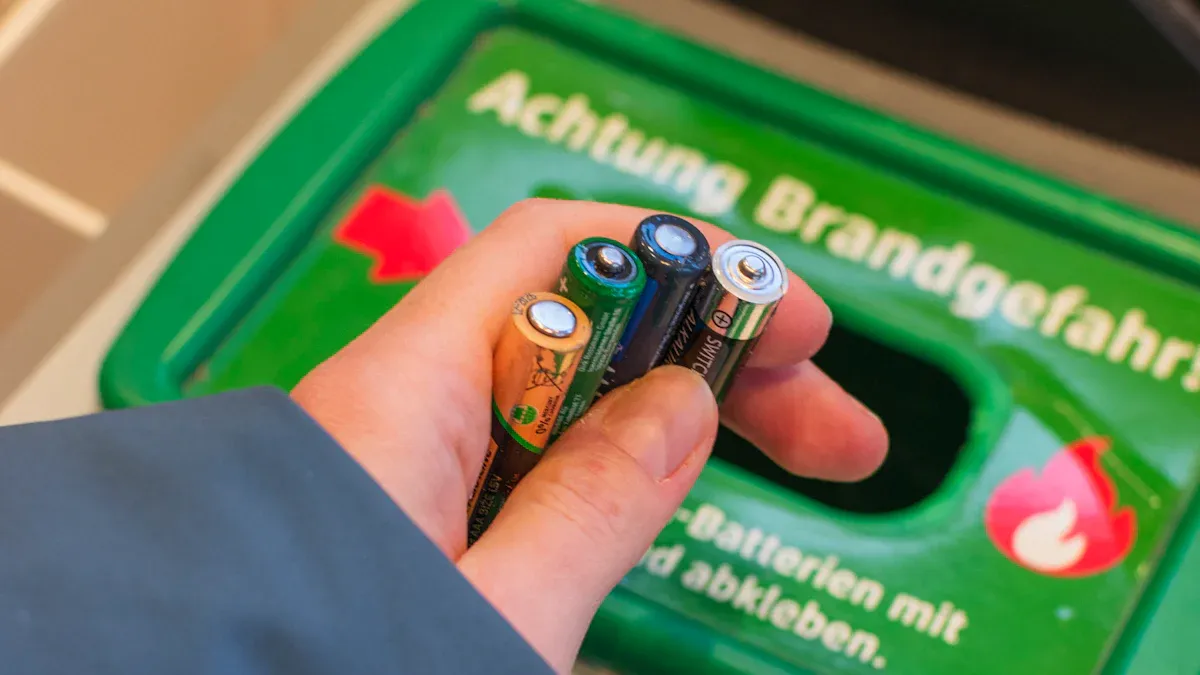
You can safely dispose of batteries by following these guidelines:
Identify Battery Types: Different batteries have unique disposal requirements. Always check the type and chemistry of your batteries before disposal.
Store Batteries Properly: Keep batteries upright to prevent leaks. Avoid placing them near combustible materials. Ensure proper ventilation to prevent gas buildup. Maintain a cool temperature around stored batteries.
Use Original Packaging: If possible, store batteries in their original packaging or protective cases to prevent short-circuiting.
Tape Terminals: For lithium-ion batteries, tape the terminals before disposal to prevent short circuits. This simple step can enhance safety during transport.
The Environmental Protection Agency (EPA) advises against throwing certain batteries in household garbage. For example, while it is legal to dispose of single-use alkaline batteries in the trash, the EPA recommends recycling them instead. You should also recycle single-use lithium batteries rather than discarding them.
Recycling Programs
Many recycling programs exist to help you recycle batteries effectively. Here are some widely available options:
Retail Drop-Off Locations: Many stores offer battery recycling programs. You can find drop-off sites at:
The Home Depot
Lowe’s
Staples
Best Buy
Batteries Plus
Local Household Hazardous Waste Facilities
State Regulations: In California, recycling alkaline batteries is mandatory. Other states may provide recycling kits for shipping. Check with local authorities for specific regulations in your area.
Online Resources: Websites like Earth911 provide tools to locate nearby recycling drop-off sites. This resource can help you find the most convenient options for recycling batteries.
Community Programs: Many communities organize battery collection events. These events allow you to drop off batteries safely and ensure they are recycled properly.
Recycling batteries not only prevents toxic substances from contaminating the environment but also conserves natural resources. By participating in battery recycling programs, you contribute to a healthier planet and support local economies through job creation in recycling facilities.
You play a vital role in battery disposal and recycling. Remember to:
Seek certified recycling programs.
Recognize different battery types.
Switch to rechargeable batteries.
Recycling batteries reduces pollution and conserves resources. By taking action, you help protect the environment for future generations. 🌍
FAQ
What should I do if I accidentally drop a battery?
If you drop a battery, pick it up carefully. Check for leaks or damage. If damaged, handle it with gloves and dispose of it at a recycling center.
Can I recycle rechargeable batteries with regular batteries?
No, you should not mix rechargeable batteries with regular batteries. They have different recycling processes. Always separate them for proper disposal.
How often should I recycle my batteries?
You should recycle batteries whenever they are depleted. Regularly check your battery stash and recycle them at designated drop-off locations.