Battery efficiency plays a crucial role in the performance of your electric vehicle. By maximizing your battery’s efficiency, you can enjoy significant cost savings and extend the overall lifespan of your EV. Studies show that most electric vehicle batteries retain 80-90% of their original capacity after 8-10 years, demonstrating their durability. With advancements in battery technology, like solid-state batteries, you can expect even better energy density and longevity. Prioritizing battery care not only enhances your driving experience but also contributes to a more sustainable future.
Key Takeaways
Charge your battery between 20% and 80% to reduce strain and extend its life.
Choose slow charging over fast charging to retain more battery capacity and minimize heat stress.
Adopt smooth driving habits to improve energy efficiency and increase your vehicle’s range.
Regularly check and maintain tire pressure to reduce rolling resistance and enhance performance.
Manage battery temperature by parking in shaded areas or climate-controlled spaces to prevent degradation.
Charging Tips for Electric Vehicles
Optimal Charging Levels
To maximise your electric vehicle’s battery health, aim to keep your battery charge between 20% and 80%. This range helps reduce battery stress and enhances longevity. Here are some key points to consider:
Minimise Degradation: Charging your battery within this range can significantly lower degradation rates. Exceeding 80% can lead to energy losses and negatively impact battery life.
Convenience vs. Health: For daily use, maintaining a charge around 50% strikes a good balance between convenience and battery health. Frequent charging to 100% can accelerate wear and tear.
Many EV users, including Tesla owners, follow this practice to ensure their batteries remain healthy while still providing ample driving range.
Slow vs. Fast Charging
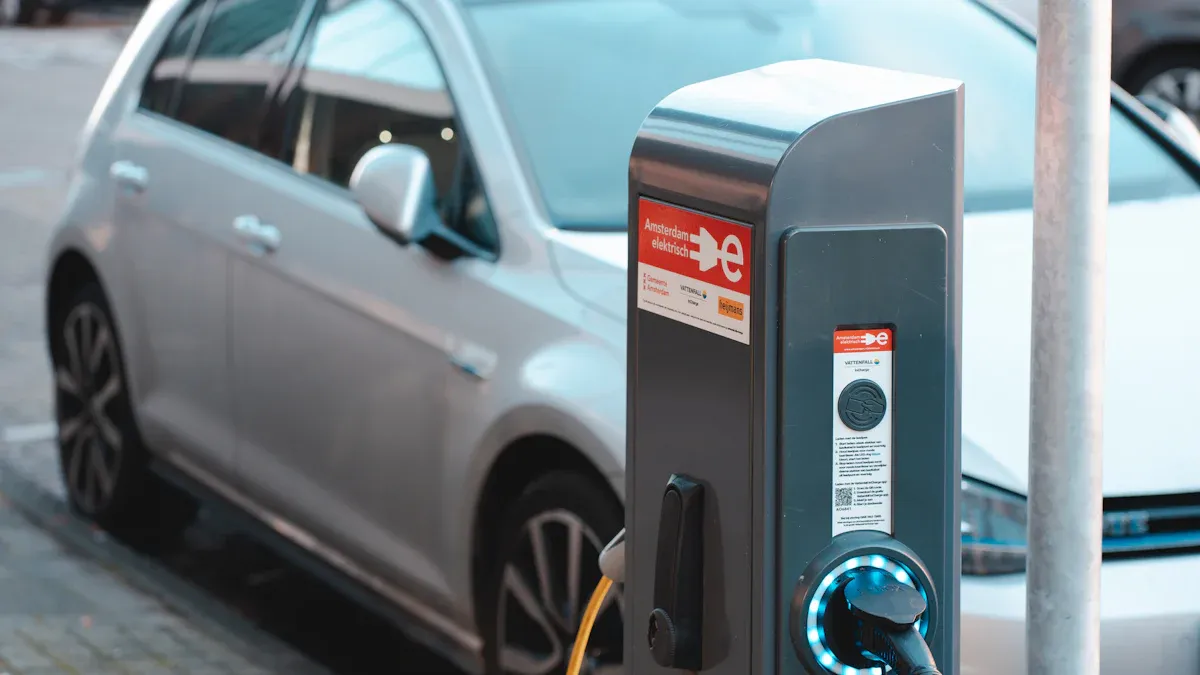
When it comes to charging methods, slow charging is often the better choice for your battery’s long-term health. Here’s why:
Battery Capacity Retention: Studies show that slow charging can retain 92-95% of battery capacity over time, while fast charging typically retains only 85-90%. This difference can significantly affect your battery’s lifespan.
Charging Method | Average Capacity Retention (%) |
|---|---|
Fast Charging | 85-90% |
Slow Charging | 92-95% |
Heat Management: Fast charging generates more heat, which can stress your battery. Keeping your charging sessions slower helps maintain a stable temperature, further protecting your battery health.
While fast charging is convenient for quick top-ups, using it too frequently can lead to increased degradation. Geotab’s analysis indicates that if you use fast chargers for less than 12% of your charging sessions, your battery will likely experience minimal degradation. However, if you exceed this threshold, especially with high-power chargers, your battery may degrade faster.
Driving Tips to Optimize Battery Range
Smooth Acceleration and Braking
Your driving style significantly impacts your electric vehicle’s energy consumption. Adopting smooth acceleration and braking habits can lead to a battery range improvement of 20-30%. Here’s how you can make a difference:
Gentle Acceleration: Start your journey with gradual acceleration. This approach preserves momentum and keeps your vehicle in its efficiency ‘sweet spot’. Hard acceleration wastes stored energy and forces the motor to draw high currents.
Regenerative Braking: Utilize regenerative braking whenever possible. This feature allows you to recover kinetic energy during braking, effectively generating ‘free electricity’ for your car. By gently easing off the accelerator, you can activate this system and extend your range.
Avoid Aggressive Driving: Sudden accelerations and frequent speed changes can increase energy consumption, especially in urban environments. Smooth driving reduces stress on your EV, leading to a longer range.
According to real-world driving data, smoother driving habits correlate with lower energy consumption. For instance, higher maximum speeds and greater negative acceleration during stops lead to increased energy use. By focusing on gentle driving, you can optimise the range of your electric vehicle.
Tire Pressure Maintenance
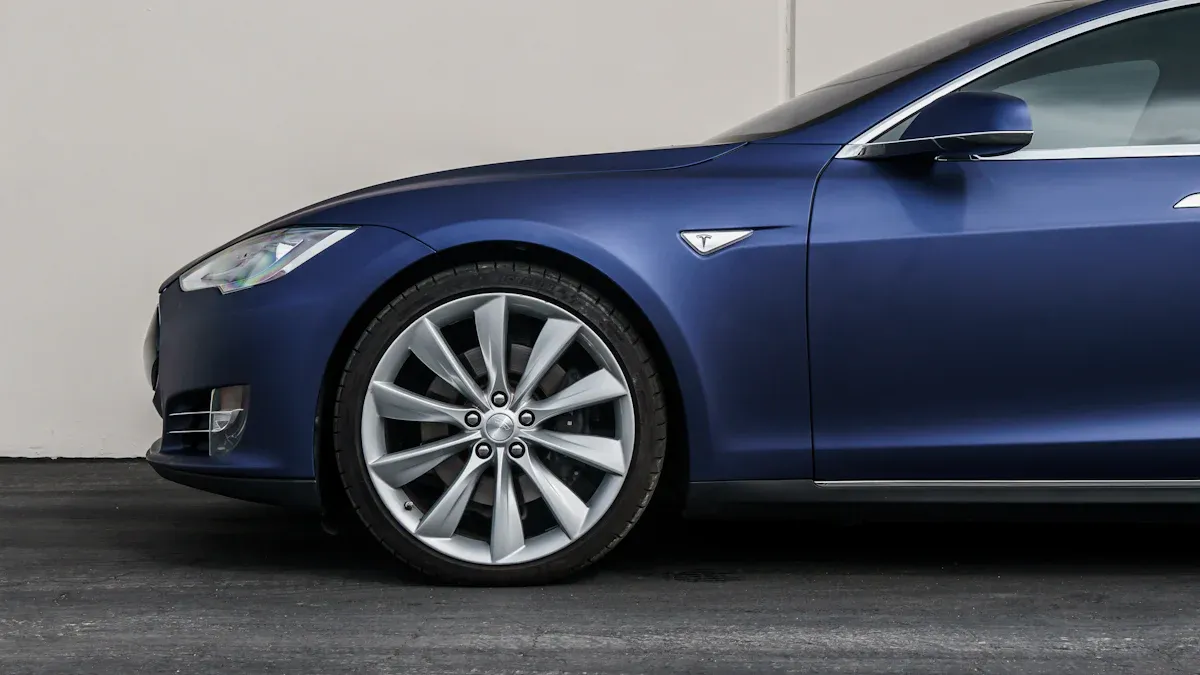
Maintaining proper tire pressure is crucial for maximizing your electric vehicle’s energy efficiency. Here are some key points to consider:
Reduce Rolling Resistance: Proper tire pressure minimizes rolling resistance, which is essential for optimizing the range of your EV. Underinflated tires increase drag, leading to higher energy consumption by the electric motor.
Check Regularly: Tires consume about 16% of the energy in electric vehicles due to rolling resistance. Regularly checking and maintaining the recommended tire pressure can greatly impact your vehicle’s overall range.
Balance Comfort and Efficiency: While too much pressure can lower rolling resistance, it may compromise ride comfort and grip. Therefore, always aim to keep your tires at the manufacturer’s recommended pressure.
By ensuring your tires are properly inflated, you can enhance your electric vehicle’s performance and battery health. This simple maintenance task can lead to significant improvements in energy efficiency.
Environmental Factors Affecting Battery Life
Temperature Management
Temperature plays a vital role in the health of your electric vehicle’s battery. Extreme temperatures can significantly impact battery performance and longevity. Here are some key points to consider:
High Temperatures: They accelerate battery degradation and reduce charging capacity. Prolonged exposure to heat can lead to thermal stress during charging.
Cold Temperatures: They temporarily reduce performance but do not significantly shorten battery life. However, cold weather can decrease your range by up to 40% due to increased internal resistance.
To maintain optimal battery health, keep your battery temperature between 15 °C and 35 °C. This range ensures better performance and battery longevity.
Tip: Precondition your battery while plugged in to reach optimal temperatures before driving. In cold weather, start preconditioning when the battery is below 60 °F, ideally 20-30 minutes before driving. This practice enhances performance and efficiency.
Parking Strategies
Where you park your electric vehicle can also affect battery health. Here are some effective strategies:
Park in the Shade: Parking in shaded areas can reduce heat absorption. Vehicles in direct sunlight can see a temperature increase of up to 40°F in just one hour. In contrast, shaded vehicles only increase by 20°F.
Use Climate-Controlled Spaces: If possible, park in climate-controlled environments. This practice can significantly reduce battery degradation rates by limiting exposure to extreme temperatures.
Long-term exposure to heat can lead to battery degradation, affecting your vehicle’s performance. By parking smartly, you can help maintain your battery’s health and extend its life.
Maximizing your electric vehicle’s battery efficiency is essential for enhancing performance and extending its life. You can achieve this by following key strategies:
Charge your battery between 20% and 80% to minimize strain.
Opt for slow charging whenever possible to retain battery capacity.
Drive smoothly to improve energy efficiency and range.
Maintain proper tire pressure to reduce rolling resistance.
Manage temperature by parking in shaded areas or climate-controlled spaces.
By adopting these practices, you can enjoy a more satisfying driving experience. Remember, informed choices about battery care lead to greater confidence in your vehicle’s reliability.
Tip: Education on battery maintenance is crucial. Understanding how to care for your battery can significantly enhance your overall satisfaction with your electric vehicle.
FAQ
What is the best way to charge my electric vehicle?
Charge your electric vehicle between 20% and 80% to minimize battery strain. This range helps maintain battery health and extends its lifespan.
How often should I check my tire pressure?
Check your tire pressure at least once a month. Properly inflated tires improve energy efficiency and enhance your vehicle’s overall performance.
Does temperature affect my battery’s performance?
Yes, extreme temperatures can impact battery performance. Keep your battery temperature between 15 °C and 35 °C for optimal efficiency and longevity.
Can I use fast charging regularly?
Using fast charging occasionally is fine, but frequent use can lead to faster battery degradation. Opt for slow charging whenever possible to preserve battery health.
What is regenerative braking?
Regenerative braking captures energy during braking and converts it back into electricity. This process helps extend your vehicle’s range and improves overall efficiency.