A healthy car battery is crucial for your vehicle’s performance. It powers everything from starting your engine to running electrical systems. Did you know that battery issues are responsible for nearly 42% of all vehicle breakdowns? That’s a staggering number! Common problems include dim headlights, clicking sounds, and slow engine cranks. Fortunately, you can prevent these issues with simple maintenance. Regular checks and care can keep your car battery healthy and ensure your vehicle runs smoothly year-round.
Key Takeaways
Regularly inspect your car battery every three months to catch issues early and extend its lifespan.
Clean battery terminals with a baking soda solution to prevent corrosion and ensure efficient power flow.
Protect your battery from extreme temperatures by using insulation and parking in shaded areas.
Recognize warning signs like dim headlights or slow cranking to address battery issues before they lead to breakdowns.
Follow safe jump-starting procedures to revive a dead battery and avoid accidents.
Maintenance Tips for a Healthy Battery
Regular Inspections
Regular inspections are key to keeping your car battery healthy. You should check your battery at least every three months. Look for any signs of wear or damage. A simple visual inspection can reveal a lot. If you notice any corrosion or leaks, it’s time to take action. Regular charging of your battery can also extend its lifespan. Many car owners report that preventive maintenance charging every few months helps them achieve a battery life of up to five years, even in extreme weather conditions.
Clean Terminals
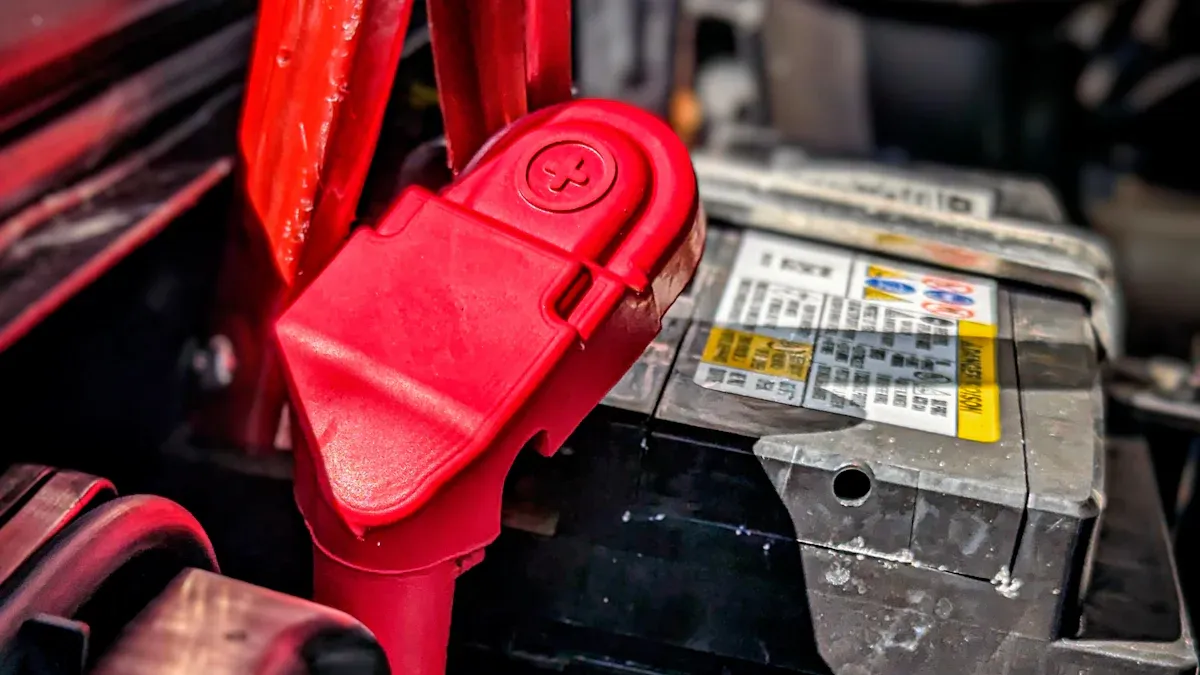
Cleaning your battery terminals is another important step in battery maintenance. Corrosion can build up on the terminals, which creates resistance and hinders the flow of electricity. This can lead to slow cranking or even a no-start situation. To clean the terminals, you can use a mixture of baking soda and water or a specialized cleaner like CRC Battery Cleaner with Acid Indicator. This cleaner not only removes corrosion but also detects leaks. Make sure to wear gloves and safety glasses while cleaning to protect yourself.
Secure Connections
Lastly, ensure that all connections are secure. Loose connections can cause intermittent power issues, leading to frustrating starts. Use a set of wrenches to tighten any loose terminals. If you notice any frayed cables, replace them immediately. Regular maintenance of connections helps prevent corrosion and ensures that your battery operates efficiently. Remember, a little routine maintenance goes a long way in keeping your battery healthy and your vehicle running smoothly.
Seasonal Tips for Battery Health

Winter Preparations
Cold weather can create serious battery issues. When temperatures drop, your battery loses strength. At 32°F, it can lose about 35% of its power, and at 0°F, that loss jumps to around 60%. To keep your battery healthy during winter, follow these steps:
Protect Your Battery from the Cold: Use a battery blanket or insulator to help retain heat. If possible, park your car in a garage or use a portable car cover.
Test Your Battery’s Health: Regularly check your battery’s voltage. You can do this at auto parts stores or with a home battery tester.
Know When to Replace Your Battery: If your battery is older than three to five years, consider replacing it before winter hits. Choose a battery with a higher cold cranking amp (CCA) rating for better performance in freezing conditions.
Summer Precautions
Summer heat can be just as damaging to your battery as winter cold. High temperatures can evaporate the electrolyte, leading to battery swelling and corrosion. Here are some tips to keep your battery in top shape during the hot months:
Park in Shaded Areas: This helps reduce heat exposure to your battery.
Maintain Battery Charge: Regular driving or using a trickle charger can keep your battery charged, especially if you don’t use your car often.
Check for Corrosion: Inspect and clean any corrosion on battery posts to maintain battery health.
By taking these precautions, you can avoid cold weather battery issues in winter and protect your battery from the summer heat. Remember, a little care goes a long way in extending your battery’s lifespan!
Troubleshooting Battery Issues
Recognizing Warning Signs
You might notice some warning signs that indicate your battery is on its last legs. Here are the most common ones to watch for:
Old Age: If your battery is over three to five years old, keep an eye out for issues.
Weak Electrical Power: Dimming headlights or sluggish electrical components can signal a failing battery.
Clicking Sound When You Turn the Key: A clicking noise when starting your car suggests insufficient power.
Slow Crank: If your engine cranks slowly, it might be time for a battery replacement.
Warning Light: An illuminated battery warning light on your dashboard indicates a potential issue.
Frequent Jumpstarts: If you find yourself jumpstarting often, your battery may not hold a charge.
Swollen Battery Case: A swollen battery can indicate overheating and potential leaks.
Heavy Corrosion: Corrosion on terminals can hinder performance and signal battery issues.
If you experience any of these signs, it’s wise to have your battery checked. Ignoring these symptoms can lead to unexpected breakdowns.
Jump-Starting Safely
If your battery does die, you may need to jump-start it. Follow these steps to do it safely:
Seek a Helping Hand: Find another vehicle with a working battery.
Park Close: Position the working vehicle so its battery is within a few feet of the dead one.
Turn Off Both Ignitions: Ensure both cars are off before connecting cables.
Hood Up: Open the hoods of both vehicles.
Red to Red: Attach the red cable clamp to the positive terminal of the working battery.
Connect the Dead Battery: Attach the other end of the red clamp to the positive terminal of the dead battery.
Black to Black: Connect the black cable clamp to the negative terminal of the working battery.
Grounded Connection: Attach the other black clamp to a metal part of the car with the dead battery.
Let It Idle: Start the working vehicle and let it run for a few minutes.
Turn the Key: Try starting the car with the dead battery.
Cable Removal: Remove the cables in reverse order.
Back in the Trunk: Store your jumper cables safely.
WARNING: Batteries can explode! When charging, they emit hydrogen gas, which is flammable. Always ensure proper connections to avoid accidents.
By following these steps, you can safely jump-start your car and get back on the road. Remember, if your battery frequently dies, it might be time to replace your battery altogether.
Taking care of your car battery is essential for keeping your vehicle running smoothly. Regular maintenance, like inspections and cleaning, helps catch issues early. This proactive approach not only extends your battery life but also reduces the chances of unexpected breakdowns.
Remember, extreme weather can affect your battery’s performance. So, whether it’s winter or summer, make sure to follow the tips we’ve shared. By doing this, you can enjoy a reliable ride and save money on costly repairs.
So, get out there and give your battery the attention it deserves!
FAQ
How often should I check my battery?
You should check your battery every three months. Regular inspections help you catch any issues early, ensuring your battery stays healthy and your vehicle runs smoothly.
What can I do if my battery is dead?
If your battery dies, you can use a battery charger to recharge it. If it frequently dies, consider replacing it to avoid future problems.
How can I tell if my battery needs replacing?
Look for signs like dim headlights, slow engine cranks, or a swollen battery case. If your battery is over three to five years old, it’s wise to replace it.
Can extreme temperatures affect my battery?
Yes! Cold weather can reduce your battery’s power significantly, while heat can evaporate the electrolyte. Both conditions can lead to battery failure if not managed properly.
What is the best way to maintain my battery?
Regularly inspect and clean your battery terminals, ensure connections are secure, and use a battery charger when needed. This proactive care extends your battery’s lifespan.