Maintaining your home battery backup system is crucial for ensuring reliability and efficiency. Regular maintenance helps you monitor the state of health of your battery, which can significantly extend its lifespan. By keeping a close eye on the battery management system, you prevent potential damage and enhance overall efficiency. Additionally, routine cleaning of cooling systems can prevent overheating, which often degrades performance. Prioritizing these practices helps you enjoy a dependable backup power source when you need it most.
Key Takeaways
Regularly clean your battery backup system to prevent overheating and improve performance. Use a soft brush and protect sensitive parts from moisture.
Conduct routine inspections every six months to identify issues early. Check connections, wiring, and monitor system performance to ensure reliability.
Charge your battery during off-peak hours to save on electricity costs. Aim for temperatures between 20°C and 25°C for optimal charging efficiency.
Manage appliance usage wisely during outages. Prioritize essential devices and avoid running high-draw appliances simultaneously to extend battery life.
Recognize warning signs of battery issues, such as reduced efficiency or excessive heat. Address these problems promptly to maintain system reliability.
Maintenance Tips
Cleaning Your System
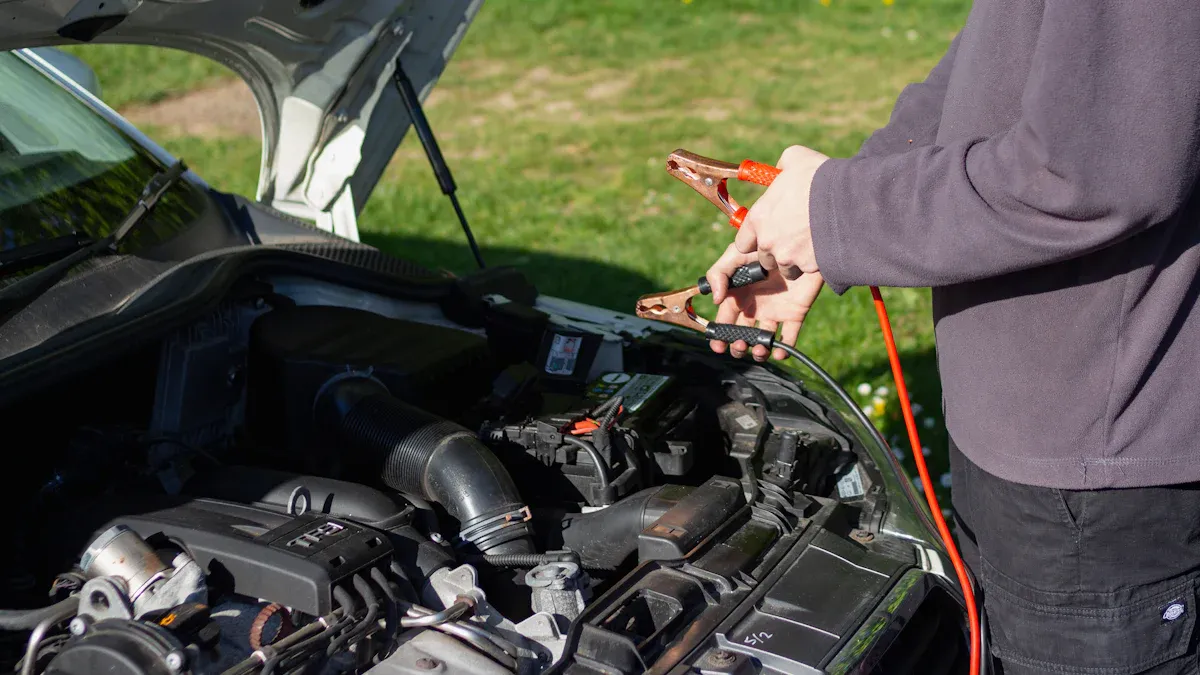
Regular cleaning of your home battery backup system is essential for maintaining peak efficiency. Dust and debris can accumulate on the components, leading to overheating and reduced performance. Here are some effective cleaning methods:
Use a soft brush or cloth to gently clean the system. This prevents damage to sensitive components.
Protect sensitive parts from water intrusion during cleaning. Cover them properly to ensure ventilation and avoid moisture traps.
By keeping your system clean, you can help extend its lifespan and improve its reliability.
Routine Inspections
Routine inspections play a vital role in the maintenance of your battery backup system. They allow you to identify potential issues before they become serious problems. Here are some key components to inspect regularly:
Securing Connections and Terminals: Check for corrosion and ensure all connections are tight.
Inspecting Wiring and Conduit: Look for wear or frayed insulation. Make sure wiring is protected.
Monitoring System Performance: Use monitoring software to track performance metrics and identify issues.
Responding to Alerts and Error Codes: Understand system alerts to prevent safety hazards.
Perform visual inspections at least every six months. In demanding environments, consider checking quarterly. Following the manufacturer’s recommended service schedule is crucial. This includes load testing and documenting all maintenance activities.
Here’s a quick overview of recommended inspection frequencies:
Test Type | Frequency |
|---|---|
Overall float voltage measured at the battery terminals | Monthly, Quarterly, Yearly |
Charger output current and voltage | Monthly, Quarterly, Yearly |
DC float current (per string) | Monthly, Quarterly, Yearly |
Ambient Temperature | Monthly, Quarterly, Yearly |
Temperature of the negative terminal of each cell | Quarterly, Yearly |
By adhering to these maintenance practices, you can significantly reduce the failure rate of your home battery systems and enjoy the savings that come with a reliable power source.
Usage Tips for Battery Backup System

Charge During Off-Peak Hours
Charging your home battery backup system during off-peak hours can lead to significant savings. Electricity rates are typically lower during these times, allowing you to charge your battery more cost-effectively. Here are some key points to consider:
Optimal Charging Times: Off-peak hours usually occur overnight or during weekdays when demand is lower. For example, in the Eastern Time Zone, off-peak hours run from 6 AM to 2 PM. In the Pacific Time Zone, they are from 9 AM to 5 PM.
Region | Peak Hours | Off-Peak Hours |
|---|---|---|
Eastern Time Zone | 2 PM – 6 PM | 6 AM – 2 PM |
Central Time Zone | 1 PM – 5 PM | 5 AM – 1 PM |
Mountain Time Zone | 8 AM – 11 PM | 11 PM – 8 AM |
Pacific Time Zone | 5 PM – 9 PM | 9 AM – 5 PM |
Charging Temperature: Aim to charge your battery when temperatures are between 20°C and 25°C (68°F and 77°F). This range enhances efficiency and prolongs battery life.
Controlled Charging Cycles: Use slower, controlled charging and discharging cycles. Set a Depth of Discharge (DoD) limit of 80-90% to maximize the lifespan of your battery.
By charging during off-peak hours, you can reduce costs and improve the efficiency of your home battery systems.
Manage Appliance Usage
Managing your appliance usage is crucial for maximizing the performance of your battery backup system. Here are some strategies to help you prioritize energy use:
Prioritize Essential Appliances: Focus on using appliances that are necessary during an outage. Key devices include:
Refrigerator / Freezer: Prevents food spoilage.
Wi-Fi Router and Modem: Maintains communication.
Lighting (Select Circuits): Provides comfort and visibility.
Outlets for Charging (Phones, Laptops, Medical Devices): Keeps essential devices powered.
Avoid Simultaneous Operation: High-draw appliances like ovens, air conditioners, and clothes dryers consume a lot of energy. Avoid running these at the same time to prevent overloading your battery backup system.
Implement Smart Load Management: Consider using smart load management systems. These systems can automatically prioritize essential loads and delay non-critical ones based on real-time conditions.
Utilize Energy-Efficient Appliances: Using energy-efficient appliances, such as LED bulbs, can significantly reduce power consumption. This helps extend the runtime of your battery during outages.
By managing your appliance usage wisely, you can ensure that your battery backup system operates efficiently and effectively during critical times.
Environmental Factors
Temperature Control
Temperature significantly impacts the performance and lifespan of your home battery systems. Maintaining an optimal temperature range is crucial for efficiency. Here are some key points to consider:
Ideal Temperature Range: Aim for a temperature between 20°C and 25°C (68°F and 77°F). This range helps maximize battery performance.
High Temperatures: Excessive heat can accelerate discharge rates and increase the risk of failure. For instance, at 113°F, battery performance degrades much faster than at 77°F. You may see a 6.7% degradation at 113°F compared to just 3.3% at 77°F over the first 200 cycles.
Low Temperatures: Cold conditions reduce battery capacity and slow charging rates. Ensure your battery operates within the recommended temperature limits to avoid these issues.
Proper Ventilation
Proper ventilation is essential for your battery backup system. Batteries generate heat during charging and discharging, and inadequate ventilation can lead to overheating. Here are some best practices for ensuring proper airflow:
Location Matters: Install your battery in a well-ventilated area, such as a garage or basement. Avoid small, unventilated spaces.
Airflow Guidelines: Follow the ‘low-in, high-out’ principle for vents to create effective airflow. Aim for 4 to 6 air changes per hour (ACH) in battery rooms.
Active Ventilation: In hot climates, consider using fans to enhance airflow. Choose fans rated for continuous duty and integrate them with thermostats for energy-efficient operation.
Regular Maintenance: Schedule checks to clean vents and ensure fans operate correctly. Dust management is vital; use filters on intake vents to keep the air clean.
By controlling temperature and ensuring proper ventilation, you can enhance the efficiency and lifespan of your home battery backup system.
Troubleshooting Common Issues
Identifying Warning Signs
Recognizing warning signs early can prevent bigger problems with your home battery backup system. Here are some critical indicators to watch for:
Reduced Round-Trip Efficiency: If efficiency drops below 80%, your battery may be degrading.
Swelling or Bulging Case: This suggests gas buildup, posing a serious safety risk.
Leaks or Corrosion: Any fluid leaks or corrosion indicate a breach in the battery’s seal, which can be hazardous.
Excessive Heat During Operation: If your battery feels hot to the touch, it may indicate inefficiency and potential danger.
Frequent BMS Shutdowns: Regular shutdowns suggest instability in the battery cells.
Nearing the End of its Cycle Life: A battery close to its charge cycle limit may be failing.
Approaching Warranty End Date: As the warranty nears expiration, monitoring performance becomes crucial.
Solutions for Frequent Problems
If you encounter issues with your battery backup system, follow these troubleshooting steps:
Monitor Battery Performance: Track metrics like charge/discharge rates and voltage levels to identify irregularities.
Conduct Regular Inspections: Check for physical damage, corrosion, or leakage to prevent further issues.
Check Charging System: Ensure charge controllers and inverters function correctly to avoid improper charging.
Analyze Battery Health: Use diagnostic tools to assess battery performance and health.
Seek Professional Assistance: Contact experts for persistent issues or uncertainties.
Common problems include insufficient capacity, reduced performance, and connection issues. If your battery does not meet energy demands, it may lead to shorter backup times. Aging and improper charging can decrease efficiency. Loose or corroded connections can cause voltage drops and system failures.
By addressing these warning signs and implementing solutions, you can enhance the reliability of your home battery backup system. This proactive approach can lead to significant savings in the long run.
Maintaining your home battery backup system is essential for ensuring its efficiency and longevity. Regular cleaning, inspections, and monitoring can help you catch potential issues early. By following the tips outlined in this blog, you can enhance your energy storage system’s performance and reliability.
Consider these benefits of proactive management:
Increased savings from solar energy usage.
Reduced reliance on expensive grid electricity.
Extended lifespan of your battery through regular monitoring.
Take charge of your energy management today. Implement these practices to enjoy a dependable power source when you need it most!
FAQ
What is a standalone home backup battery?
A standalone home backup battery stores energy for use during power outages. It provides immediate power protection for essential appliances, ensuring you maintain comfort and safety when the grid fails.
How does solar battery storage work?
Solar battery storage captures excess energy generated by solar panels. You can use this stored energy during nighttime or outages, maximizing your solar investment and reducing reliance on the grid.
How often should I inspect my battery backup system?
Inspect your battery backup system every six months. In demanding environments, consider quarterly checks. Regular inspections help you identify issues early and ensure optimal performance.
Can I use my backup battery for all appliances?
You should prioritize essential appliances during an outage. High-draw devices can overload your system. Focus on critical items like refrigerators, lights, and communication devices for effective use of your backup battery.
What are the benefits of regular maintenance?
Regular maintenance extends the lifespan of your battery backup system. It improves efficiency, reduces the risk of failure, and ensures you have reliable power when needed. Proactive management leads to long-term savings.