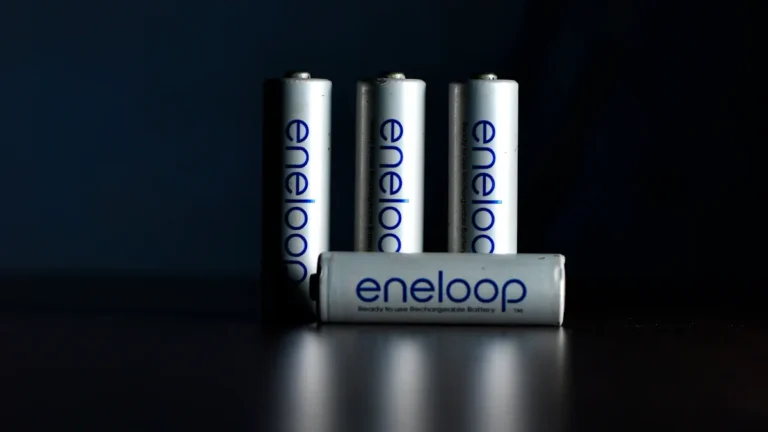
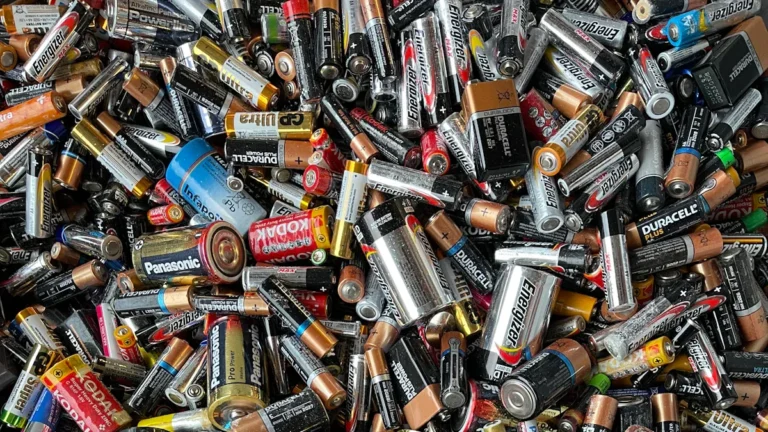
Batteries store and release energy through chemical reactions. Understanding how batteries work helps you appreciate their role in your daily life. From powering your smartphone to enabling electric vehicles, batteries are everywhere. The demand for these energy sources has surged dramatically. For instance, the need for lithium-ion batteries grew from 0.5 GWh in 2010 to about 526 GWh in 2020. Projections indicate this could reach 9,300 GWh by 2030. As technology advances, grasping the science behind batteries becomes increasingly important.
Key Takeaways
Batteries convert chemical energy into electrical energy, powering devices from smartphones to electric vehicles.
Understanding battery types, like primary (non-rechargeable) and secondary (rechargeable), helps you choose the right one for your needs.
Lithium-ion batteries are popular due to their high energy density and efficiency, making them ideal for modern technology.
Emerging battery technologies, such as solid-state and silicon anode batteries, promise safer and more efficient energy storage.
Recycling batteries is crucial for reducing environmental impact and recovering valuable materials, so always check local guidelines.
Battery Basics
Definition of a Battery
A battery is a device that accepts, stores, and releases electricity on demand. It operates using chemical potential energy, which gets stored and converted to electricity through the movement of electrons and ions within its structure. This process allows you to power various devices, from your smartphone to electric vehicles.
Batteries play a crucial role in modern technology. Here are some of their primary purposes:
Used in military combat
Essential for rescue missions
Power pacemakers for heart patients
Operate tire pressure gauges in vehicles
Function in smart meters
Power intelligent drill bits in mining
Used in animal-tracking devices
Operate remote light beacons
Common in wristwatches, remote controls, electric keys, and children’s toys
Key Components
Understanding the key components of a battery helps you appreciate how it functions. Most commercial batteries consist of three main parts: the anode, cathode, and electrolyte.
Anode: This is the negative electrode that releases electrons during the battery’s operation. It typically uses materials like graphite or copper foil as a current collector.
Cathode: This is the positive electrode that receives electrons. Common cathode materials include lithium cobalt oxide and lithium iron phosphate.
Electrolyte: The electrolyte serves as the medium for ion transport between the anode and cathode. It enables the battery to charge and discharge effectively.
How Does a Battery Work: Energy Storage
Chemical Reactions
Batteries work by utilizing chemical reactions to store electrical energy. When you charge a battery, it converts electrical energy into chemical energy through a process called electrochemical reaction. This process involves the movement of electrons and ions between the battery’s anode and cathode.
Here’s how it happens:
Charging Process: The negative electrode (anode) undergoes oxidation, releasing electrons. Meanwhile, the positive electrode (cathode) experiences reduction, absorbing those electrons.
Electron Flow: Electrons flow from the anode to the cathode, creating an electric current that can power your devices.
Discharge Process: When you use the battery, it discharges. Electrons flow back from the cathode to the anode, converting the stored chemical energy back into electrical energy.
The table below summarizes the key chemical reactions that occur during battery discharge and recharge:
Reaction Type | Reaction | Standard Cell Potential (V) |
|---|---|---|
Cathode (Reduction) | PbO₂ + HSO₄⁻ + 3H⁺ + 2e⁻ → PbSO₄ + 2H₂O | 1.685 |
Anode (Oxidation) | Pb + HSO₄⁻ → PbSO₄ + H⁺ + 2e⁻ | -0.356 |
Overall Reaction | Pb + PbO₂ + 2HSO₄⁻ + 2H⁺ → 2PbSO₄ + 2H₂O | 2.041 |
Recharge Reaction | 2H₂O → 2H₂ + O₂ | N/A |
Cathode (Reduction) | 2NiO(OH) + 2H₂O + 2e⁻ → 2Ni(OH)₂ + 2OH⁻ | N/A |
Anode (Oxidation) | Cd + 2OH⁻ → Cd(OH)₂ + 2e⁻ | N/A |
Overall Reaction | Cd + 2NiO(OH) + 2H₂O → Cd(OH)₂ + 2Ni(OH)₂ | 1.4 |
Energy Storage and Release
The energy storage device, or battery, stores electrical energy as chemical energy. This process involves several steps:
Conversion: Batteries convert electrical energy into chemical energy through electrochemical reactions.
Storage: The stored chemical energy remains until you need it. When you connect a device, the battery discharges, releasing energy.
Discharging: During discharging, the internal chemical reactions consume substances, leading to voltage decay until the battery is fully discharged.
Different battery chemistries affect how efficiently they store energy. For example, lithium-ion batteries have higher energy densities compared to lead-acid batteries. They can store electrical energy more effectively, allowing for longer usage times. Here’s a comparison of various battery chemistries:
Battery Chemistry | Energy Density | Power Density | Challenges |
|---|---|---|---|
Lithium-Ion | High | High | Long commercial track record, cost reductions, and established supply chains. |
Sodium-Ion | Moderate | Moderate | Larger atomic size introduces technical challenges affecting design and compatibility. |
Alternative Chemistries | Varies | Varies | Often lag behind lithium-ion due to limitations in energy density, efficiency, and cost. |
Lithium-ion batteries maintain over 99% Coulombic efficiency, while lead-acid batteries achieve up to 90%. This efficiency is crucial for applications requiring frequent charging and discharging. Thermal management also plays a vital role in maintaining high efficiency. Rapid charge-discharge cycles generate heat, and stable operating temperatures enhance performance.
Understanding how batteries work helps you appreciate their role in modern technology. You rely on them daily, from powering your smartphone to enabling electric vehicles.
Types of Batteries
Primary vs. Secondary Batteries
Batteries fall into two main categories: primary and secondary. Understanding the differences between them helps you choose the right battery for your needs.
Primary Batteries: These batteries are non-rechargeable and designed for one-time use. You can find them in devices like remote controls and flashlights. They can last up to 10 years, depending on the type and usage.
Secondary Batteries: These batteries are rechargeable and can be used multiple times. You often see them in mobile phones and laptops. Their lifespan varies based on how frequently you charge and discharge them.
Here’s a quick comparison of their functions and lifespans:
Battery Type | Function | Lifespan |
|---|---|---|
Primary Battery | Non-rechargeable, one-time use | Can operate for up to 10 years |
Secondary Battery | Rechargeable, can be used multiple times | Varies based on usage |
Common Types
You encounter various types of batteries in everyday life. Here are some common ones and their applications:
Battery Type | Common Applications |
|---|---|
Alkaline Batteries | Remote controls, clocks, smoke detectors |
Lithium-ion Batteries | Smartphones, laptops, electric vehicles |
Lead-Acid Batteries | Cars, outdoor applications |
Nickel-Metal Hydride (NiMH) | Power tools, rechargeable devices |
Each battery type has unique characteristics that make it suitable for specific applications. For example, lithium-ion batteries offer high energy density and fast charging, making them ideal for portable electronics. In contrast, lead-acid batteries are more affordable and commonly used in vehicles.
Understanding these differences helps you make informed choices about which battery to use for your devices.
Applications of Batteries
Everyday Uses
Batteries power many devices you use daily. From communication tools to household gadgets, their presence is everywhere. Here are some common items that rely on batteries:
Smartphones
Laptops
Tablets
Smartwatches
Bluetooth speakers
Headphones
Wireless mice/keyboards
E-readers
Cordless drills
Electric razors
Smoke detectors
Remote control cars
These devices fall into various categories, including communication and computing, power tools, personal care, home safety, and toys. The convenience of rechargeable batteries has transformed how you interact with technology. You can charge your devices quickly, allowing for longer usage without interruptions.
Emerging Technologies
Battery technology continues to evolve, leading to exciting advancements. For instance, solid-state batteries are gaining attention. They use solid electrolytes, enhancing safety and energy density. This means you can store more energy in a smaller space. Additionally, these batteries charge faster, which could make electric vehicles more appealing.
Other innovations include silicon anode batteries, which offer higher energy capacity and quicker charging times compared to traditional lithium-ion batteries. Lithium-sulfur batteries show promise for greater energy capacity at lower costs, although they face lifespan challenges. Graphene batteries improve performance with better conductivity and thermal stability.
The future of battery technology looks bright. As these advancements unfold, you can expect longer-lasting, safer, and more efficient batteries. This progress will not only enhance your daily life but also support the growth of renewable energy solutions.
Understanding battery technology is crucial in today’s world. Batteries power your devices and support renewable energy integration. Here are some key points to remember:
Batteries stabilize the grid by absorbing excess energy and releasing it when needed.
They help integrate more renewable energy sources, reducing waste and supporting sustainability.
However, increased battery usage raises environmental concerns, such as water depletion and pollution from mining.
As battery technology advances, you can expect improvements in efficiency and lifespan. This progress will enhance your daily life while addressing the challenges of recycling and disposal. Embracing this knowledge empowers you to make informed choices about energy use and environmental impact. 🌍🔋
FAQ
What is a lithium battery?
A lithium battery is a type of rechargeable battery that uses lithium ions to store and release energy. These batteries are lightweight and have a high energy density, making them popular in portable electronics and electric vehicles.
How long do lithium batteries last?
Lithium batteries typically last between 2 to 10 years, depending on usage and care. Proper charging and storage can extend their lifespan. Avoid extreme temperatures to maintain optimal performance.
Can you recycle lithium batteries?
Yes, you can recycle lithium batteries. Many recycling programs accept them. Recycling helps recover valuable materials and reduces environmental impact. Always check local guidelines for proper disposal methods.
Why are lithium batteries preferred over other types?
Lithium batteries are preferred due to their high energy density, lightweight design, and longer lifespan compared to other battery types. They charge quickly and have a lower self-discharge rate, making them efficient for daily use.
Are there safety concerns with lithium batteries?
Yes, lithium batteries can pose safety risks if damaged or improperly handled. They may overheat or catch fire. Always follow manufacturer guidelines for charging and storage to minimize risks.