Batteries are essential in today’s world. You rely on them for everything from powering your smartphone to running electric vehicles. Understanding the different types of batteries helps you make informed choices. Batteries fall into two main categories: primary and secondary. Primary batteries, like alkaline batteries, are designed for single use. Secondary batteries, such as lithium-ion, can be recharged and used multiple times. Knowing these differences can enhance your experience with technology and extend the life of your devices.
Key Takeaways
Batteries fall into two categories: primary (single-use) and secondary (rechargeable). Choose based on your device’s needs.
Primary batteries, like alkaline, are great for low-drain devices. Secondary batteries, like lithium-ion, are better for high-drain devices.
Consider lifespan and cost. Rechargeable batteries save money over time, while primary batteries are cheaper upfront but can lead to higher long-term costs.
Check your device’s manual for battery specifications. Ensure compatibility to enhance performance and longevity.
Be mindful of environmental impact. Opt for rechargeable batteries and recycle properly to promote sustainability.
Different Types of Batteries
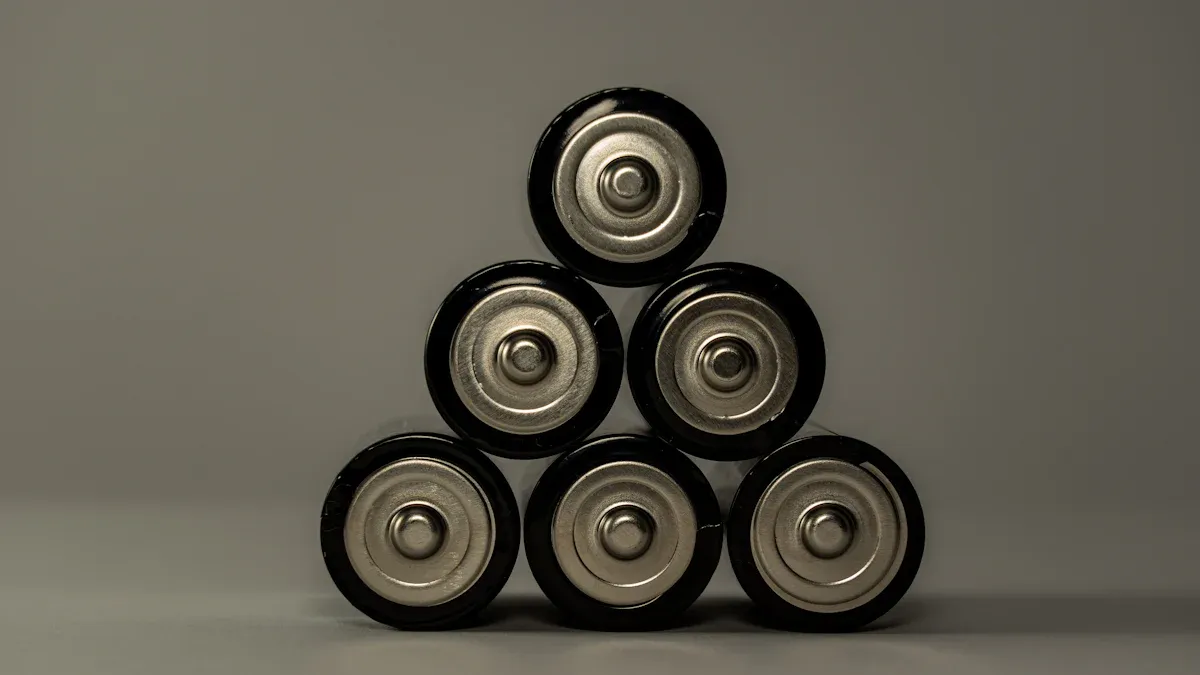
Understanding the different types of batteries is crucial for making informed choices. Batteries fall into two main categories: primary batteries and secondary batteries. Each type serves specific purposes and has unique characteristics.
Primary Batteries
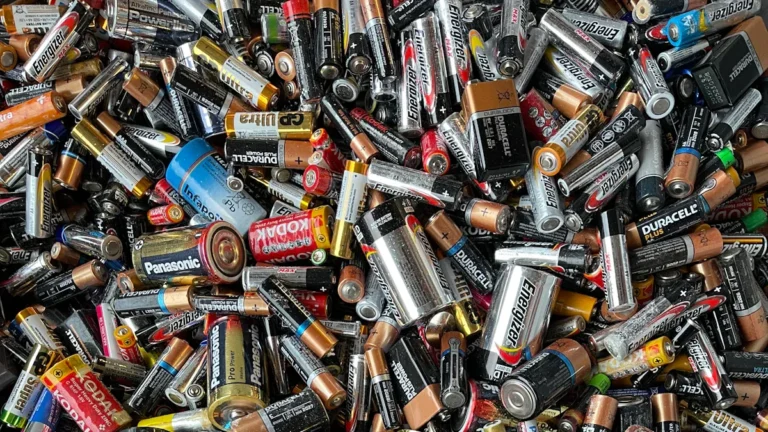
Primary batteries are designed for single use. Once they discharge, you cannot recharge them. These batteries are often used in devices that require low power and are not used frequently. Common examples include remote controls, smoke detectors, and flashlights.
Here are some popular types of primary batteries and their typical applications:
Battery Type | Description | Typical Applications |
|---|---|---|
Alkaline Batteries | Improved performance and long shelf life. Cost-competitive and widely available. | Consumer electronics, gaming consoles, toys, medical devices. |
Lithium Thionyl Chloride | High voltage, greater energy density, and suitable for extreme temperatures. | Outdoor sensors, transportation toll collection, utility meters. |
Zinc-Carbon Batteries | Affordable and good performance for occasional use. | Smoke alarms and remote controls. |
Alkaline batteries, for instance, can last up to 8 years on the shelf, making them a reliable choice for emergency devices. In contrast, zinc-carbon batteries typically last only 1 to 2 years.
Secondary Batteries
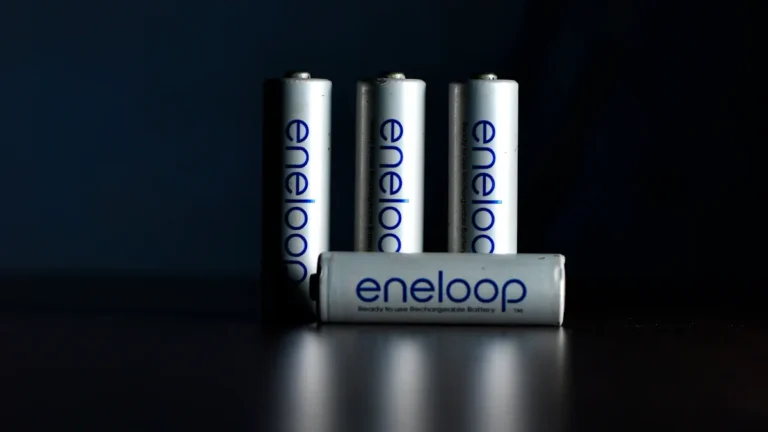
Secondary batteries, also known as rechargeable batteries, can be used multiple times. You can recharge them after they discharge, making them more economical in the long run. These batteries are ideal for high-drain devices like smartphones, laptops, and electric vehicles.
The most common types of secondary batteries include:
Lead Acid
Nickel-cadmium (NiCd)
Nickel-metal-hydride (NiMH)
Lithium-ion (Li-ion)
Among these, lithium-ion batteries are particularly popular due to their high energy density and lightweight design. They outperform nickel-metal-hydride batteries in energy density, making them a preferred choice for many consumer electronics.
Aspect | Lithium Battery | NiMH Battery |
|---|---|---|
Energy Density | Higher | Lower |
Understanding the differences between primary and secondary batteries helps you choose the right battery type for your needs. For example, if you need a battery for a device you use infrequently, primary batteries may be the best option. However, for daily-use devices, secondary batteries offer better value and sustainability.
Aspect | Primary Batteries | Secondary Batteries |
|---|---|---|
Rechargeability | Not rechargeable | Rechargeable |
Cost | Generally cheaper upfront | Higher initial cost but more cost-effective over time |
Environmental Impact | Often less eco-friendly | More sustainable due to reusability |
Application Suitability | Best for low-drain devices | Ideal for high-drain devices |
By knowing the characteristics of different types of batteries, you can make smarter purchasing decisions. This knowledge not only saves you money but also helps you choose batteries that align with your environmental values.
Battery Comparisons

When choosing batteries, you should consider several factors, including lifespan and rechargeability, cost and availability, and environmental impact. Each of these aspects plays a significant role in determining which battery type best suits your needs.
Lifespan and Rechargeability
Lifespan varies greatly between primary and secondary batteries. For example, alkaline batteries typically last between 2 to 10 years on the shelf but only provide about 0.5 to 1 year of active use. In contrast, lithium-ion batteries can last 10 to 20 years in storage and offer a lifespan of 4 to 8 years during active use. They can be recharged hundreds to thousands of times, making them ideal for high-drain devices.
Battery Type | Shelf Life | Cycle Life (Rechargeable) | Active Use Lifespan |
|---|---|---|---|
Alkaline | 2-10 years | Non-rechargeable | 0.5-1 year |
Lithium-ion | 10-20 years | Rechargeable (hundreds to thousands of cycles) | 4-8 years |
Cost and Availability
Cost is another critical factor. Non-rechargeable batteries often have lower initial costs but lead to higher long-term expenses. For instance, the annual cost of using non-rechargeable batteries can reach around $77.70, while rechargeable batteries cost only about $0.24 annually. Over time, investing in rechargeable batteries saves you money.
Battery Type | Initial Cost | Annual Cost | Total Cost Over Time | Savings Over Time |
|---|---|---|---|---|
Non-Rechargeable | N/A | $77.70 | N/A | N/A |
Rechargeable | N/A | $0.24 | N/A | $77.44 |
Environmental Impact
Environmental concerns also arise from battery use. Lead-acid batteries pose significant risks due to toxic lead, which can contaminate soil and water. Improper disposal can lead to severe health issues. In contrast, lithium-ion batteries have lower recycling rates, around 10-15%, compared to nickel-cadmium batteries, which benefit from a more established recycling framework.
You should consider these factors when selecting batteries for your devices. Understanding the differences in lifespan, cost, and environmental impact will help you make informed choices that align with your needs and values.
Choosing the Right Type of Battery
Choosing the right type of battery involves understanding your specific needs, the specifications of the batteries, and the environmental factors that can affect performance. This knowledge empowers you to make informed decisions that enhance the efficiency and longevity of your devices.
Assessing Your Needs
Start by evaluating the devices you plan to power. Different applications require different types of batteries. For example, high-drain devices like cameras, drones, and game controllers benefit from lithium batteries. These batteries have a higher energy density, making them more efficient for demanding tasks. Here are some key points to consider:
Device Type: Identify whether your device is high-drain or low-drain.
Usage Frequency: Determine how often you use the device. Frequent use may warrant rechargeable batteries.
Power Requirements: Assess the power needs of your device. Higher power demands often require batteries with greater capacity.
For portable medical devices, such as blood glucose meters and hearing aids, specific battery types are essential. The table below outlines common battery types for various devices:
Device Category | Specific Examples | Common Battery Types |
|---|---|---|
Medical Devices | Blood Glucose Meters | CR2032, CR2025, AAA |
Blood Pressure Monitors | AA Alkaline | |
Hearing Aids | Zinc-Air (10, 13, 312, 675) | |
Remote Controls | TV/Media Remotes | AAA or AA Alkaline |
Understanding Specifications
Before purchasing a battery, review its specifications to ensure compatibility with your devices. Here are the most important specifications to consider:
Battery Capacity: This indicates how much energy the battery can store, measured in milliampere-hours (mAh). Higher mAh ratings lead to longer usage times between charges.
Voltage: Ensure the battery voltage matches your device’s requirements.
Battery Chemistry: Different chemistries, such as lithium-ion or nickel-metal-hydride, influence performance and lifespan.
Battery Life and Longevity: Look for batteries with higher life cycles for longer-lasting performance.
Tolerance to Extreme Weather: Some batteries perform better in varying conditions than others.
Size and Weight: Consider the physical dimensions and weight, especially for portable devices.
For example, lithium-ion batteries can last between 500 to 2000 cycles, depending on usage and conditions. They are preferred for high-drain electronics due to their stable output and reliability.
Environmental Factors
Environmental conditions can significantly impact battery performance and lifespan. Here are some factors to keep in mind:
Environmental Factor | Effect on Battery Performance and Lifespan |
|---|---|
High Temperature | Accelerates chemical reactions, leading to faster degradation. |
Low Temperature | Reduces charging efficiency and overall performance. |
Humidity | Can cause corrosion, negatively impacting battery health. |
Extreme temperatures can also affect lithium-ion batteries. High temperatures may lead to reduced battery life and safety risks, while low temperatures can hinder efficiency.
When choosing batteries, consider their environmental impact. Opt for rechargeable batteries when possible, as they reduce waste and are often more sustainable. Additionally, ensure proper recycling and responsible disposal of batteries to minimize environmental harm.
By carefully assessing your needs, understanding specifications, and considering environmental factors, you can choose the best batteries for common applications. This approach not only enhances device performance but also aligns with sustainable practices.
In summary, understanding the different types of batteries is essential for making informed choices. You should consider whether you need primary or secondary batteries based on your device’s power requirements. Primary batteries work well for low to moderate power needs, while secondary batteries are ideal for high-power electronics.
Remember these key points:
Always check your device manual before changing battery types.
Stay informed about advancements in battery technology. Innovations can enhance performance and efficiency, leading to longer battery life and faster charging.
By choosing the right battery, you can improve your device’s performance and contribute to a more sustainable future.
FAQ
What is the difference between primary and secondary batteries?
Primary batteries are single-use and cannot be recharged. Secondary batteries can be recharged and used multiple times, making them more economical for frequent use.
How long do batteries typically last?
Battery lifespan varies. Alkaline batteries last 2 to 10 years on the shelf, while lithium-ion batteries can last 10 to 20 years in storage and 4 to 8 years during active use.
Can I recycle batteries?
Yes, you can recycle many types of batteries. Check local recycling programs for guidelines. Proper disposal helps reduce environmental impact and promotes sustainability.
What type of battery should I use for my camera?
For cameras, use lithium-ion batteries. They provide high energy density and can handle the high power demands of photography equipment effectively.
How do I know when to replace my batteries?
Replace batteries when devices show signs of low power, such as dimming lights or slower performance. Regularly check battery health to ensure optimal device functionality.