


Keeping an Android phone ready requires more than choosing a high-capacity power bank. Commuters need something slim enough for a pocket, households need capacity for several devices during an outage, and travelers benefit from built-in cables that won’t be left at home. Bluetooth trackers solve a different problem by locating keys, wallets, luggage, and other frequently misplaced items.
The distinction matters because milliamp hours describe battery capacity, while charging speed depends on the device, cable, and power protocol. A 50,000mAh pack and a pair of 10,000mAh packs serve very different people, and trackers don’t recharge a phone at all. These seven picks cover daily carry, group travel, camping, storm preparation, and item location.
The Picks In Brief

YILANS 50000mAh Power Bank with 4 Cables

Miady 2-Pack 10000mAh 22.5W Power Banks

Samsung Galaxy SmartTag2 Bluetooth Tracker White 2023
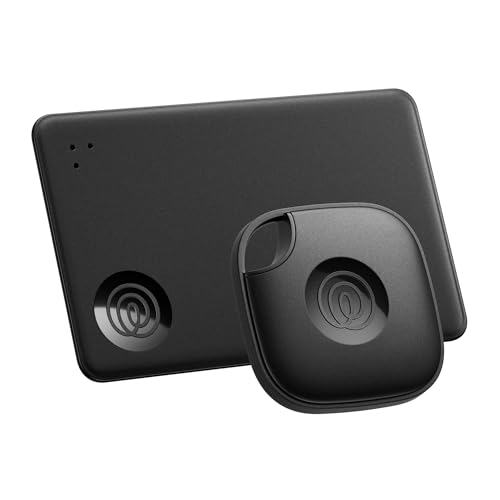
Life360 Tile Starter Pack 2-Pack Black

YELOMIN 38800mAh Solar Power Bank 22.5W 4 Cables

YELOMIN 38800mAh Solar Power Bank with 3 Outputs

YELOMIN 20000mAh Solar Power Bank 4 Cables
The Details Behind The Selections
The YILANS 50000mAh Power Bank is built for days away from an outlet, especially during camping, long road trips, or outages affecting several people. Its size and weight may be substantial, but the capacity gives your phone, tablet, earbuds, and smartwatch more room than a compact pack.
Four retained cables make it useful for a mixed-device group: USB-C, iOS, Micro-USB, and USB-A cover many everyday connections. A bidirectional USB-C port handles charging input and output, while two USB-A ports support additional devices.
Strong Points
- The 50,000mAh capacity supports extended travel without charging every night.
- Up to six devices can charge at once, which helps families sharing a campsite or hotel room.
- Built-in cables reduce packing clutter and solve the forgotten-cord problem.
- 22.5W fast charging offers a practical replenishment rate for compatible Android phones.
Points To Note
- The high capacity is likely too bulky for a small everyday pocket.
- Charging speed depends on each device’s acceptance, cable, and usage level.
Key Specs
Made For Group Travel
Families, campers, and groups carrying several charged devices benefit most from this high-capacity configuration.
A Better Fit Elsewhere
Miady’s two smaller power banks suit commuters who value pocketable capacity over device-count flexibility.
Two 10,000mAh power banks make more sense than one oversized battery for many commuters. You can keep one in a work bag and the other at home, divide a set between travel companions, or use the second as a reserve after the first loses charge.
Each Miady unit uses a bidirectional USB-C port, meaning the same connection handles charging the power bank and sending power to your phone. Bidirectional simply means power can travel in either direction through that port. Compared with YILANS’s cable-heavy setup, this pair favors simplicity and compact packing.
Useful Touches
- Two units prevent one forgotten battery from ending your mobile routine.
- The 10,000mAh format is more practical for daily carry than a 50,000mAh pack.
- USB-C input and output reduce the number of cables needed.
- The stated 22.5W rate suits compatible phones, tablets, and smaller devices.
Worth Noting
- Two separate batteries need more charging time and storage than one combined unit.
- A phone drawing substantial power may not reach the pack’s full stated rate.
- Owners should keep both units partially charged before extended travel.
Quick Facts
Best Suited To Commuters
Daily travelers and light packers gain flexibility from carrying a separate 10,000mAh reserve.
Another Choice May Suit
YELOMIN’s 20000mAh solar power bank better serves travelers who prefer one larger unit with retained cables.
The Galaxy SmartTag2 addresses a problem no larger power bank can solve: finding an object you misplaced. Attach it to keys, luggage, a wallet, or a pet collar, then use a compatible Samsung phone or tablet to look up its location. Bluetooth tracking is most useful at close range, including crowded rooms or packed drawers.
Unlike the Miady power banks, this is an active locator rather than a battery. Its IP67 rating adds resistance to dust and temporary water exposure, useful for a bag caught in rain or an item dropped near a sink.
Reasons It Performs
- Compact construction fits key rings and small wallet compartments more discreetly than the Life360 Slim.
- Power Saving Mode can extend the stated battery period beyond the normal setting.
- Compatible connected devices can participate in location-related routines.
- The white finish is easy to spot inside a handbag or travel pouch.
Small Caveats
- Its useful Android experience depends on compatibility with your phone or tablet.
- Short battery intervals call for routine charging rather than permanent attachment.
- Bluetooth location can be less decisive in a large property or crowded building.
Feature Snapshot
The Right Fit
Samsung households that lose keys or luggage around the house will gain the most convenience.
Where A Sibling Pick Shines
Life360 Tile serves mixed Android and iOS households better through its cross-platform design.
The Life360 Tile pack gives you two shapes for two common jobs. The rounded Mate tracker suits keys or small bags, while the card-shaped Slim fits inside a wallet without adding much bulk. That mixed format makes the set more adaptable than a collection of identical tags.
You can ring an item from the phone app or view its last known location. The tracker’s button can also help locate your phone, including while it remains silent. Android and iOS compatibility makes this a practical choice for households that don’t use one mobile platform exclusively.
Standout Benefits
- The Mate and Slim cover key rings and wallet-shaped spaces.
- Phone-finding controls help reverse the usual relationship between the missing item and locator.
- Cross-platform support serves mixed-device homes more neatly than the Samsung-only option.
- Last-location viewing offers useful context when an object is not nearby.
Honest Caveats
- Location accuracy depends on nearby phones, network availability, and the stored position.
- The thin Slim may be easier to remove and misplace than a key-ring tracker.
- Households must keep the app signed in and the trackers charged for consistent location history.
Who Will Love This
Shared households using both Android and iOS benefit from the two-device form factor.
Reach For A Different Pick
Samsung Galaxy SmartTag2 fits dedicated Galaxy users who prioritize the white, coin-shaped design.
YELOMIN combines a 38,800mAh battery, solar panel, retained cables, and two LED lights in one outdoor-focused package. That makes sense for camping, hiking, and storm preparation, where several small items need to remain available without a wall outlet. The flashlight pair also adds basic visibility after dark.
Solar charging should be treated as a supplementary input rather than a daily scheduling engine. Owners still need a dependable stored charge before leaving for a multi-day trip. Compared with YELOMIN’s three-output model, this version prioritizes four retained cables.
Where It Helps
- The high capacity supports repeated phone and accessory use on remote trips.
- Four built-in cables handle different phones without loose adapters.
- Dual lights improve visibility around a campsite or during a power interruption.
- USB-C fast charging supports compatible devices when wall power is available.
Details To Watch
- 38,800mAh creates a larger carry burden than Miady’s 10,000mAh units.
- Solar charging depends on sunlight, weather, positioning, and available time.
- Retained cable connectors can collect dirt and need occasional wiping.
Core Details
Built With In Mind
Campers and storm-prepared households gain useful capacity and lighting from the combined design.
Swap It Out When
Miady’s two smaller packs fit better for urban travel where capacity and weight matter most.
The YELOMIN 38800mAh model leans toward shared charging, with three outputs available for phones and accessories. Sealed port covers help protect the connections from rain and dust during outdoor use, while the solar panel adds a secondary way to replenish stored energy.
Its dual LED lights make the battery useful beyond device charging, particularly in an emergency kit or vehicle. The honest trade-off is bulk: three-output flexibility and 38,800mAh capacity generally create a larger everyday carry than Miady’s two compact packs.
The Case For It
- Three outputs serve a group carrying several rechargeable accessories.
- Covered ports add practical resistance to outdoor dust and moisture.
- Dual lights support campsite visibility and emergency preparation.
- USB-C fast charging suits connected phones that accept the offered rate.
Possible Compromises
- The larger capacity may be excessive for ordinary commuting.
- Solar input cannot replace planned charging during a short, overcast outing.
- Owners should keep port covers closed and inspect them for trapped grit.
Made For Outdoor Groups
Families managing several devices on camping or hiking trips receive the most balanced feature set.
Look Elsewhere When
The Life360 Tile Starter Pack better serves people who need to locate belongings rather than recharge them.
The 20,000mAh capacity places this solar power bank between Miady’s lightweight pair and YELOMIN’s 38,800mAh models. That middle ground can suit travelers carrying one phone and a few accessories rather than coordinating a group’s charging. Four built-in cables also reduce the need to sort through a cable pouch.
Dual flashlights and a waterproof-oriented design make it useful for camping, storms, and delayed travel. Solar input remains a secondary advantage, so the stored battery still needs regular charging before you leave.
Notable Upsides
- 20,000mAh offers useful capacity without reaching the largest size in this list.
- Four retained cables suit mixed connector needs.
- USB-C input and output simplify replenishing and device charging.
- Dual lights provide visibility during an outage or campsite setup.
Things That May Matter
- It weighs more than a typical 10,000mAh daily-carry battery.
- The solar panel needs extended exposure and favorable weather to add meaningful charge.
- Water resistance does not justify leaving the unit submerged during use.
Technical Highlights
Whose Shelf It Belongs On
Solo travelers and apartment households gain a middle ground for daily carry and outage storage.
Another Choice May Suit
YILANS’s 50000mAh model fits larger groups needing substantially more stored energy.
What Matters Before You Choose a Portable Battery
Capacity should match the number of devices
A 10,000mAh pack suits one phone and occasional earbud charging. Capacity above 20,000mAh becomes more useful for tablets, multiple phones, camping, or extended outages. Higher capacity also adds weight, so carrying extra energy without a clear need can make daily use less pleasant.
Charging speed depends on compatibility
A stated wattage is only the available output, not the rate every device receives. Your phone’s charging circuit, the cable, temperature, and remaining battery level all affect the result. USB-C is convenient for newer Android phones, while built-in cables help users carrying several connector types.
Outdoor features need realistic expectations
Solar panels can add charge over extended sunlight, but they work slowly under clouds and cannot replace a wall charger before every trip. Flashlights add genuine emergency utility. Covered ports and water-resistant construction matter more for camping than for desk-based charging.
Trackers serve a separate task
Bluetooth trackers locate keys, wallets, bags, and luggage rather than supplying power. Consider platform support, tracker shape, and last-known location behavior. Tile suits mixed Android and iOS homes, while Galaxy SmartTag2 integrates more directly into Samsung’s mobile ecosystem.
Common Sense Before an Emergency Purchase
Mistakes Worth Dodging
A large advertised capacity does not guarantee the same number of full phone charges because conversion losses and device behavior affect the result. Avoid choosing by wattage alone, and check connector types before packing a cable. A tracker also cannot locate a device through every wall or crowded space.
What The Higher Tier Buys
The larger models add capacity, retained cables, multiple outputs, lights, or solar input. Those additions suit group travel and camping, but they also increase weight and charging time. Smaller packs remain more rational for commuting or a single phone. Choose the extra features only when your routine will use them.
Frequently Asked Questions
Do 10000mAh power banks fit an Android phone?
Most Android phones use USB-C, so compatibility depends on the charger’s port and supported charging protocol. Confirm the connection before relying on the battery during travel.
Is a larger power bank better for outages?
A larger capacity stores more energy for repeated phone and accessory charging. The trade-off is additional weight, making smaller units easier to carry during everyday use.
Can a solar power bank replace a wall charger?
Treat solar input as a supplementary source rather than a dependable daily substitute. Recharge the stored battery through its wired input before extended trips.
Are Bluetooth trackers compatible with every Android phone?
Compatibility varies by tracker and operating system. Samsung Galaxy SmartTag2 requires a compatible Samsung mobile environment, while Life360 Tile supports Android and iOS.
Which capacity works best for camping?
Choose enough stored power for the devices and length of your trip. Two phones, lights, and accessories can justify a high-capacity pack, while solo travelers may need less.
Final Thoughts
Your daily Android battery needs should determine the capacity and connector layout. Commuters may prefer Miady’s two compact units, Samsung users may prefer SmartTag2 for locating belongings, and campers gain useful flexibility from YELOMIN’s cables and lights. Choose the configuration that fits your routine and pack it fully charged before you need it.
