


Battery cable gauge determines how efficiently current travels between a battery, starter, inverter, or jumper connection. The right size balances conductor capacity, flexibility, reach, and installation demands, whether you’re rebuilding a sports car cable or preparing a roadside kit for a large truck.
The seven options below cover compact engine-bay replacements, extended runs, high-current jump-start setups, and flexible copper wire for solar or inverter projects. Their cable lengths and conductor sizes serve distinct needs, so your vehicle layout and intended use matter more than a single universal specification.
The Shortlist At A Glance

WotyWire 2 Gauge Battery Cable 10FT Set
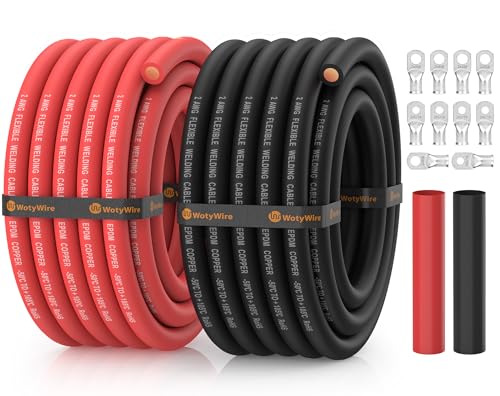
WotyWire 2 Gauge Battery Cable 20FT Set
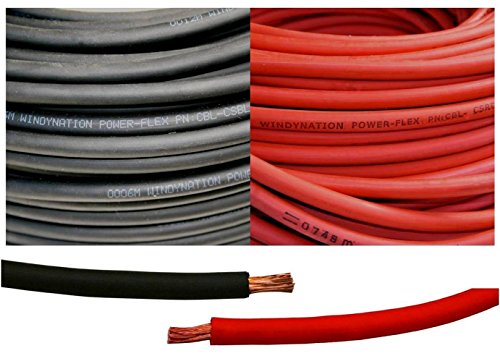
WindyNation 6 AWG Pure Copper Cable 20FT Set

GOODYEAR 4 Gauge Jumper Cables 16FT

WotyWire 2 Gauge Battery Cable 5FT Set

WotyWire 2 Gauge Battery Cable 15FT Set

Energizer 1 Gauge Jumper Cables 30FT
A Breakdown Of The Leading Choices
Ten feet of red and black cable gives you room to replace worn battery leads without rebuilding the entire harness. The 2 AWG conductor size suits substantial automotive electrical demands, while its fine-strand construction helps the wire bend through brackets and around components.
The matched set works well for a garage installation, battery relocation, or starter connection on a vehicle with moderate routing constraints. In practice, you’ll still need compatible terminals and proper mounting hardware to finish the connection.
Where It Excels
- The 10-foot red and black lengths suit many compact cars and repair benches.
- Fine copper strands support easier routing around engine-bay obstacles.
- 2 AWG provides a useful balance of conductor capacity and manageable cable diameter.
- The jacket is designed to tolerate flexing, abrasion, oil, heat, and outdoor exposure.
Small Caveats
- Lugs require clean metal surfaces and secure fasteners for dependable contact.
- Coated cables need dry, protected storage to limit corrosion at exposed ends.
Key Details
Built With In Mind
This cable set suits home mechanics handling battery replacements, starter repairs, and compact automotive electrical projects.
A Better Fit Elsewhere
The WotyWire 2 Gauge Battery Cable 5FT Set offers a tighter routing solution for shorter engine-bay repairs.
Twenty feet per color makes this set the practical choice for larger vehicles, modified electrical layouts, or routes that cross multiple compartments. Compared with the 10-foot WotyWire set, it reduces the need for splices and oversized coils of unused cable.
That extra reach makes it relevant for trucks, custom installations, and temporary battery arrangements, although a vehicle-specific cable plan still matters. You may find 20 feet excessive for a compact car, and unused length introduces another part of the installation to secure.
What Stands Out
- Extended lengths accommodate long routes and generous service loops.
- The fine-strand conductor remains workable in confined spaces.
- Matched polarity colors simplify initial routing.
- The flexible EPDM jacket is suited to demanding workshop environments.
Practical Considerations
- The 40-foot combined length can be unnecessary for compact installations.
- Plan terminal placement before cutting to avoid difficult-to-correct short lengths.
- Owners commonly protect loose ends with terminal caps during partial installations.
Made For Extended Routes
This set fits mechanics working on full-size vehicles, custom battery routes, or multi-section automotive harnesses.
Another Choice May Suit
The WotyWire 2 Gauge Battery Cable 10FT Set is more practical for a standard battery-to-starter replacement.
6 AWG opens a different part of the cable market. Its smaller conductor cross-section is intended for lower-demand circuits and flexible routing rather than the heavier battery leads used in this roundup’s 1 AWG and 2 AWG selections.
The 20-foot red and black set remains useful for vehicle wiring, inverter connections, RVs, and renewable-energy projects. For a battery cable whose exact current demand isn’t specified in your equipment documentation, this is a reason to verify the electrical plan before purchasing.
What Helps Most
- Pure copper provides a conductive conductor for multi-project wiring.
- A high strand count supports repeated bending and terminal placement.
- Twenty-foot lengths suit inverter, RV, solar, and automotive routing.
- Red and black pieces simplify positive and negative identification.
Points To Note
- 6 AWG carries less current than 2 AWG over equivalent conditions.
- Terminal dimensions must match the conductor and equipment requirements.
- Color-coded jackets still benefit from secure strain relief during service.
Feature Snapshot
Multi-System Flexibility
This cable set suits solar installers, RV owners, and automotive hobbyists handling flexible circuit wiring.
Where A Sibling Pick Shines
The WotyWire 2 Gauge Battery Cable 20FT Set is the stronger match for a high-current starter or alternator connection.
Portable jump-start readiness drives the GOODYEAR cable design. Sixteen feet provides enough reach for many cars, trucks, and SUVs without turning the cables into a cumbersome spool, and the included carrying case simplifies trunk storage.
Use matters as much as the gauge: 4 AWG is heavier than typical emergency cable yet lighter than the 1 AWG Energizer option. It feels like a sensible middle ground for regular roadside kits, assuming your vehicle falls within the cable system’s intended application.
Where It Helps
- Sixteen-foot reach reduces the need to park vehicles close together.
- The carrying case supports organized storage in a trunk or garage.
- 4 AWG wire provides a practical conductor size for roadside use.
- PVC insulation is designed to remain flexible across changing temperatures.
Things That May Matter
- Jumper cables need regular visual checks for damaged insulation or loose contacts.
- A carrying case helps, but cables left coiled tightly can take space in smaller vehicles.
Quick Facts
Roadside Practicality
This set fits everyday motorists who want manageable booster cables for passenger vehicles and light trucks.
Look Elsewhere When
The Energizer 1 Gauge Jumper Cables 30FT suit professional roadside operations requiring more reach.
Short runs favor clean, compact installations. Five feet per cable fits closely mounted batteries, small starters, and tightly routed engine compartments where 10 or 20-foot cables would leave unnecessary material behind.
The same 2 AWG copper construction carries the electrical character associated with the longer WotyWire sets. You’ll need to measure both routes, including bends and terminal clearance, because several inches can determine whether five feet is comfortable or frustrating.
Why It Works Well
- The short paired lengths suit direct battery-to-component routes.
- Fine copper strands remain flexible around compact mounting areas.
- The EPDM jacket supports use in hot, dirty, or exposed workspaces.
Details To Watch
- Five feet offers little tolerance for unexpected routing obstacles.
- Terminal size and battery post clearance need confirmation before cutting.
- Owners commonly keep replacement terminals handy because lug dimensions vary by battery.
The Right Fit
This set is well suited to compact cars and focused repairs with short, easily measured cable paths.
Reach For A Different Pick When
The WotyWire 2 Gauge Battery Cable 10FT Set offers more installation flexibility for a full custom harness.
Fifteen feet lands between WotyWire’s 10- and 20-foot sets, creating useful routing margin without the full length of an extended harness. It can handle battery relocations and custom runs that need enough cable to avoid improvised extensions.
The conductor still carries the substantial 2 AWG profile, making the decision primarily about routing rather than a major electrical compromise. Measure every bend and obstruction carefully, since extra cable becomes excess weight once mounted.
Practical Advantages
- Useful length provides room for common routing adjustments.
- Matched red and black cables keep positive and negative routes consistent.
- The high strand count supports practical bending during fabrication.
- The jacket is suited to heat, weather, oils, and abrasion exposure.
Potential Compromises
- The intermediate length may still be excessive for a small battery connection.
- Proper clamps and terminal matching remain essential for reliable contact.
At A Glance
Made For Custom Work
You’ll appreciate this pair during battery relocations, starter wiring, and custom automotive cable fabrication.
Consider Something Else When
The WotyWire 2 Gauge Battery Cable 20FT Set makes sense for routes requiring substantially more cable.
Thirty feet changes the jumper-cable equation entirely. The reach can connect vehicles positioned awkwardly in a parking area or support roadside professionals working around larger trucks, while 1 AWG provides a heavier conductor profile than the other booster set.
The permanent-installation kit and quick-connect plug distinguish it from ordinary clamp-style emergency cables. That setup favors tow trucks, roadside operations, and regularly equipped vehicles, though regular owners may find the full cable system excessive for a single car.
The Practical Payoff
- Thirty-foot reach supports distant vehicle positioning.
- The 1 AWG conductor suits heavy-duty jumper applications.
- Quick-connect hardware supports a permanent vehicle installation.
- Coated grips provide insulated handling surfaces for positioning.
Trade-Offs To Consider
- Thirty feet creates substantial storage and handling requirements.
- Permanental connections require correct vehicle-side installation and weather protection.
- The setup is specialized compared with a portable household booster cable.
Technical Notes
Built For Roadside Teams
This cable system suits tow-truck operators, roadside technicians, and owners of large gasoline or diesel vehicles.
Where Another Pick Shines
The GOODYEAR 4 Gauge Jumper Cables 16FT offer simpler storage for ordinary passenger-vehicle emergencies.
Matching Cable Size To The Installation
Battery cable gauge describes conductor thickness, and lower gauge numbers indicate heavier wire. Match that size to the starter’s current draw, cable length, and vehicle electrical system rather than relying on appearance alone. A longer cable also introduces additional electrical resistance, so unusually long routes can justify a heavier conductor.
Measure the complete path before choosing a set. Include bends, obstacles, terminal clearance, and the locations of the battery, starter, ground point, inverter, or auxiliary connection. Five feet can be excessive for one repair and inadequate for another, even when both vehicles use similar batteries.
For permanent battery leads, confirm that the lug dimensions match your battery posts, cable studs, and grounding hardware. AWG describes the conductor, but a reliable installation also depends on clean contact surfaces, tight fasteners, strain relief, and protection from moving parts.
Matching Gauge To Electrical Demand
1 AWG and 2 AWG options fit demanding starter or battery circuits more naturally than 6 AWG wire. The WindyNation set is useful for flexible inverter, RV, solar, or general wiring, but the connected equipment’s current requirements should guide the final choice.
Handling Length And Routing
Ten to fifteen feet covers many compact automotive routes, while 20 feet simplifies larger or modified installations. Thirty feet belongs in a different category: professional jump-start systems where extra reach and permanent connections justify the added storage and handling.
Common Mistakes In Cable Selection
Mistakes Worth Dodging
Choosing by color alone leaves the most important question unanswered. Confirm conductor gauge, total cable length, lug dimensions, and the electrical load before ordering. Measure the route twice, because tight engine compartments can consume several inches through bends and clearance requirements.
Where Extra Capability Justifies The Cost
What Separates Premium From Basic
Thicker wire, greater length, and permanent connection hardware address distinct ownership needs. One extra gauge point or a much longer cable matters most when the load, routing distance, or repeated roadside use justifies it; a short replacement lead rarely needs the same capability.
Frequently Asked Questions
What Battery Cable Gauge Do I Need For A Car?
A common starter or battery lead uses 2 or 4 AWG wire, depending on the vehicle and starting load. Larger commercial engines may need heavier cable, so the vehicle’s electrical specifications provide the most reliable starting point.
Is Lower Cable Gauge Better?
Lower gauge numbers indicate thicker conductors, but thicker isn’t automatically necessary for every circuit. Match the cable to current demand, route length, and installation conditions to avoid unnecessary bulk.
How Long Should Battery Cables Be?
Measure the complete route and include bends, obstacles, terminals, and service clearance. Standard replacement runs may require 5 to 10 feet, while relocations and professional jump systems can need much more.
Can I Use 6 AWG For A Battery Connection?
You can use 6 AWG for an appropriately sized, lower-current circuit. Verify the cable length and connected equipment’s requirements, since it provides less conductor capacity than the heavier 1 AWG and 2 AWG options here.
What Do Lugs Do On Battery Cable?
A lug is the metal connector crimped onto a cable end. Its size and hole pattern must match the battery post, cable stud, or grounding point to create a secure electrical connection.
Final Verdict
Choose WotyWire 2 Gauge Battery Cable 10FT Set for many workshop replacements, use its 20-foot companion for extended routes, and consider the 5-foot pair for compact installations. The GOODYEAR set covers portable roadside use, while the Energizer system serves demanding professional applications and the WindyNation cable supports multi-system wiring. Measure first, then match gauge and length to the job.
