


Solar charging sits on a useful middle ground between carrying every cable and relying entirely on a wall outlet. The right setup depends on your trip: a compact power bank suits weekend hikes, while a portable power station can recharge phones, tablets, cameras, and small appliances away from an RV or campsite. These seven options cover everything from magnetic phone charging to higher-capacity stations for outages and extended camping.
How The Shortlist Stacks Up

ELECOM NESTOUT Portable Charger 15000mAh Power Bank and Flash Light Beige

EcoFlow Delta 3 Portable Power Station 1024Wh
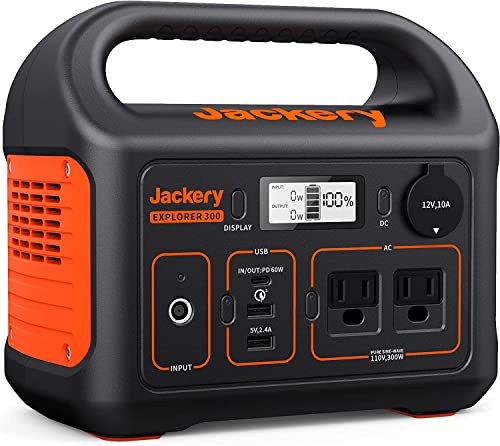
Jackery Explorer 300 293Wh Power Station Renewed

FEELLE Solar Power Bank 50000mAh Magnetic with Hand Crank

FEELLE Solar Power Bank 50000mAh Magnetic Portable Charger

ANKER SOLIX C300 DC 288Wh Power Station and 60W Panel

Jackery Explorer 290 290Wh 200W Power Station Renewed
Why These Options Stand Out
Campers carrying a separate lantern can reduce clutter with this bundle, which combines a 15,000mAh battery and 1,000-lumen flashlight. USB Power Delivery, or PD, is a charging standard that negotiates a suitable power level with compatible devices, making it useful for phones, earbuds, and tablets.
The battery carries an IP67 rating for dust and water resistance, while its silicone-cushioned shell is designed to reduce shock transmission. For most weekend campers, that combination feels more practical than choosing the EcoFlow Delta 3 solely for a light, because this option is lighter in purpose and easier to organize as a handheld kit.
Positive Points
- The flashlight, mini tripod, and carrying pouch form a ready-to-pack lighting setup.
- USB-C PD charging helps compatible phones and tablets replenish more efficiently.
- The IP67-rated battery suits rain, dust, and splashes encountered outdoors.
- A 15,000mAh reserve offers more capacity than many cable-only emergency kits.
- The 1,000-lumen light adds useful campsite visibility beyond the battery itself.
Things To Consider
- Solar charging is not listed, so treat this as a rechargeable battery bundle rather than a self-sufficient solar bank.
- The light and battery share one bundle, which may be unnecessary for travelers who already carry headlamps.
- Owners should keep the charging ports dry and inspect the silicone shell after severe drops.
Key Specs
Made For Outdoor Kit
This set fits campers and hikers who want phone reserves and task lighting in one compact bundle.
A Better Portable Alternative
The Jackery Explorer 290 suits travelers who need AC power for small electronics rather than a bundled flashlight.
A 1,024Wh power station changes the scale of mobile energy compared with the ELECOM NESTOUT bundle. The EcoFlow Delta 3 pairs that capacity with 1,800W of output, making it relevant for longer camping trips, power disruptions, and mobile use involving more than a few phones.
Its solar input is rated at 500W, while AC input can reach 1,500W. Expansion batteries can extend the usable capacity up to 5kWh across compatible EcoFlow models, which makes the platform adaptable as your equipment grows.
Real Benefits
- The 1,800W output ceiling supports higher-demand electronics than the smaller stations.
- Expansion options add useful capacity for longer stays or household backup.
- Fast charging can restore the unit from a wall or supported solar setup.
- The larger reserve reduces dependence on a vehicle or campground hookup.
Practical Considerations
- The size and weight make this less attractive for a day hike than a slim phone bank.
- Solar recharge speed depends heavily on panel placement, sunlight, and weather.
- Expansion batteries add cost and bulk, so the base capacity should fit your routine first.
Technical Highlights
Built For Longer Stays
You benefit most from this station when your camping or backup setup includes tablets, laptops, cooking equipment, or several devices.
Consider A Lighter Sibling
The Anker SOLIX C300 DC offers a smaller battery and an included 60W panel for simpler portable use.
Carrying a week of electronics into the outdoors becomes more manageable with the Jackery Explorer 300. Its 293Wh lithium-ion pack supplies 300W through two Pure Sine Wave AC outlets, while a 7.1-pound body keeps it within reach for RV and camping use.
Recharging through a wall and 60W PD USB-C connection can bring the battery to 80% in two hours. Vehicle charging and a compatible Jackery SolarSaga 100 provide additional routes, although no panel is included.
Where It Delivers
- Pure Sine Wave output is suitable for sensitive electronics that prefer a cleaner waveform.
- Dual AC outlets reduce adapter juggling for compatible low-power devices.
- Several charging routes improve flexibility during travel.
- The 7.1-pound weight is more manageable than many higher-capacity stations.
- The battery remains practical for phones, cameras, laptops, and compact appliances.
Honest Caveats
- This renewed listing may show cosmetic signs of prior use, depending on condition.
- Its 300W output and 293Wh capacity trail the much larger EcoFlow Delta 3.
- Owners should check connected-device requirements before relying on AC power during travel.
Feature Rundown
Who Will Love This
Weekend campers and road travelers benefit from the balance of AC capability, moderate capacity, and manageable weight.
Where Another Pick Shines
The EcoFlow Delta 3 fits households that need substantially greater output and expandable reserve.
A 50,000mAh bank appeals to groups that would otherwise distribute several smaller chargers among phones, radios, and lights. The magnetic face makes placement on compatible phones straightforward, while the hand crank offers a manual option during an outage or on a trail without ready access to another power source.
Solar charging adds another replenishment route, though it is best treated as supplemental rather than a fast primary method. Compared with the Jackery Explorer 300, this FEELLE model prioritizes high-capacity phone charging over household-style AC output.
Where It Helps
- The stated 50,000mAh capacity suits shared charging during short camping trips.
- Magnetic attachment reduces cable clutter for compatible phones.
- The hand crank provides an additional emergency charging method.
- Solar input can support gradual top-ups in suitable outdoor conditions.
Small Caveats
- The large battery may add noticeable weight to a hiking pack.
- Output specifications and charging-port details are limited, so device compatibility deserves a careful check.
- Owners should store the bank in moderate temperatures and avoid leaving it in a hot vehicle.
Right Fit For Group Trips
Families and hikers benefit most when several people need phone reserves without carrying separate banks.
Look Elsewhere For AC
The Anker SOLIX C300 DC suits you better when you need a 300W AC output and a solar panel.
The second FEELLE option takes essentially the same high-capacity, magnetic approach as its sibling. Its practical appeal comes from having three charging paths in one enclosure: stored battery power, solar replenishment, and the hand crank.
That makes it a reasonable emergency companion for a vehicle, cabin, or campsite, although the available information does not describe a full power station. You may find the FEELLE Solar Power Bank 50000mAh Magnetic Portable Charger more convenient than the EcoFlow Delta 3 for phones, while less suitable for laptops with substantial power requirements.
What Helps Most
- Three replenishment methods provide more flexibility during outages.
- Magnetic charging suits compatible phones without repeated cable handling.
- The 50,000mAh rating supports several devices during short excursions.
- Manual cranking remains available when sunlight and outlets disappear.
Where It May Fall Short
- Its charging-rate and port information are limited, which makes cross-device compatibility less clear.
- Solar input may take many hours, depending on sunlight and the panel’s angle.
- For high-draw electronics, you should avoid relying on an unspecified output rating.
- Periodic battery checks help you notice reduced capacity before an emergency.
Built For Emergency Readiness
You’ll find this format useful for keeping essential phones powered where outlets and sunlight may be inconsistent.
Another Choice May Suit
The ELECOM NESTOUT bundle is a better fit when a rugged flashlight and tripod matter more than magnetic charging.
The Anker SOLIX C300 DC is the cleaner solar package in this group because its 60W panel comes alongside the station. Its 288Wh battery and 300W output sit close to the Jackery Explorer 300, giving you useful AC capacity without moving up to the much heavier EcoFlow Delta 3.
Two 140W two-way USB-C ports support demanding charging routines, while additional USB-A, USB-C, and 12-volt car connections cover smaller equipment. The tradeoff is that the included panel charges more slowly than higher-wattage portable solar equipment.
Useful Strengths
- The included 60W panel removes the need to source basic solar equipment separately.
- Dual 140W USB-C ports suit modern laptops and other high-demand electronics.
- Multiple output types reduce the need to carry separate adapters.
- The 288Wh capacity is practical for routine camping power without excessive bulk.
Practical Considerations
- A 60W panel typically requires more daylight time than a 500W setup.
- The station does not approach the EcoFlow Delta 3’s 1,024Wh capacity.
- Position the panel in direct, unobstructed sunlight and clean its surface regularly.
Quick Facts
Who Should Grab It
First-time solar station users benefit from receiving both the battery and a basic folding panel together.
A Different Pick Fits Better
The Jackery Explorer 300 is the stronger fit for travelers prioritizing a lower listed weight and AC outlets.
The Jackery Explorer 290 keeps the feature set focused for travelers who want AC power without a large station. Its 290Wh battery supplies 200W through a 110V Pure Sine Wave outlet, and a display keeps charge and operating information visible.
USB ports, a 12-volt car connection, and three recharge routes cover many camping basics. Compared with the Jackery Explorer 300, its tradeoff is lower output, while its renewed status can affect cosmetic condition and included accessories, so check the listing carefully.
What Works In Its Favor
- Pure Sine Wave AC output is compatible with many sensitive or lower-wattage devices.
- The 290Wh capacity suits phones, lights, and compact travel electronics.
- A car outlet adds flexibility for campsite and road-trip equipment.
- Solar, wall, and vehicle charging provide several replenishment routes.
- The display helps you monitor remaining battery and power use.
Some Limits To Know
- The 200W limit is lower than the Explorer 300’s 300W output.
- No solar panel is included, despite solar being a supported input.
- Renewed items may carry visible wear, and delivery requires a physical address.
Essential Details
The Right Fit For Travelers
Light packers benefit most from its small profile and simple mix of USB, AC, and vehicle connections.
Reach For A Different Pick
The Anker SOLIX C300 DC offers more output and includes a 60W solar panel for outdoor charging.
Match Power And Recharging To Your Trips
Capacity and wattage answer different questions. Capacity, measured in watt-hours or mAh, determines the total energy stored, while wattage indicates how quickly a station can supply power. Your phones may need only a small power bank, whereas laptops, tools, and household appliances require a higher-output unit with more battery capacity.
Solar support also varies considerably across the list. The Anker SOLIX C300 DC includes a 60W panel, and the EcoFlow Delta 3 accepts substantially more solar input. Both FEELLE models combine solar with large batteries, while the ELECOM NESTOUT and renewed Jackery listings do not list solar charging as an included or supported function.
Choose The Output Your Devices Need
Pure Sine Wave AC output is designed to provide a waveform that aligns closely with household electricity. That makes it a useful feature for sensitive or variable-speed electronics, but the wattage ceiling remains important. A 200W station cannot power a device rated above that level, even during a brief startup surge.
Account For Portability And Recharge Routes
A large capacity becomes inconvenient when it stays at home because it is too heavy to carry. Compare battery weight, enclosure size, handle design, and cable needs before committing. The Jackery Explorer 290 targets compact travel, while the EcoFlow Delta 3 favors more demanding equipment and expandable storage.
Check Solar Conditions Realistically
A panel’s rated wattage represents peak conditions, not a constant recharge rate. Cloud cover, panel angle, temperature, cable loss, and dust can all slow collection. Wall and vehicle charging remain valuable because they help restore a solar bank more quickly during multi-day travel.
Separate Solar Readiness From Battery Capacity
Common Shopping Slip Ups
Many solar-capable banks also advertise unusually high mAh ratings, which can make basic power needs harder to judge. Compare port output, compatible cables, and device requirements rather than relying on capacity alone. Also verify whether a panel is included; several solar-compatible stations require separate equipment.
What The Higher Tier Buys
Higher-end stations invest in greater capacity, faster charging, and more output connections. The EcoFlow Delta 3 offers substantially more stored energy and higher solar input than compact models, plus expansion compatibility. That extra capability makes sense for longer stays or mixed electronics, but it also adds weight, cost, and setup complexity.
Frequently Asked Questions
Are Solar Power Banks Fully Rechargeable By The Sun?
No. Solar charging is usually gradual and depends on sunlight, panel angle, and weather. Wall or vehicle charging remains the faster route for most trips.
Can A Power Bank Charge a Laptop?
Only when its output and port configuration support the laptop’s charging requirements. The EcoFlow Delta 3 and Anker SOLIX C300 DC offer higher USB-C power than the compact phone-oriented banks.
Is a Higher-Capacity Battery Always Better?
No. Greater capacity helps longer trips, but added weight may reduce portability. Choose enough reserve for your usual devices and travel duration.
Do All These Options Include a Solar Panel?
No. The Anker SOLIX C300 DC includes a 60W panel, while the other listings either support solar charging without including a panel or do not list solar functionality.
Should I Charge Solar Batteries Before Storage?
Yes. Storing a partially charged lithium battery for long periods can reduce readiness. Keep it away from extreme heat, moisture, and physical damage.
Closing Thoughts
Your best fit depends less on the largest battery number and more on how you travel. Choose a phone bank for lightweight backups, a panel bundle for straightforward solar replenishment, or a high-output station for laptops and extended outages. Confirm ports, charging limits, weight, and panel inclusion before packing your setup.
