


A router can lose power for a few seconds during a utility outage, yet a rebooted modem and access point may take much longer to reconnect. Router battery backups help preserve your connection, maintain network equipment, and support the devices that keep your home or office online. The right model depends on waveform type, capacity, outlet count, and whether you also need to protect computers or entertainment equipment.
An Overview Of The Picks

CyberPower CP1500AVRLCD3
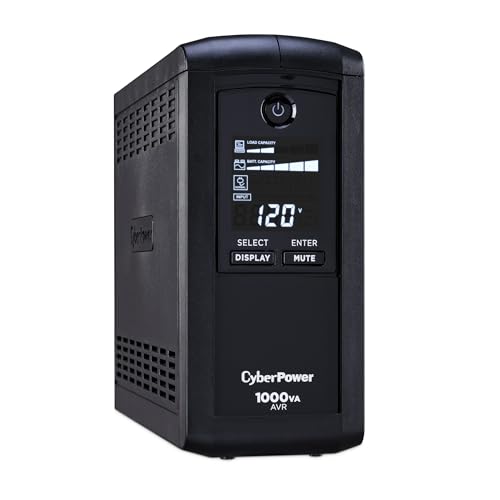
CyberPower CP1000AVRLCD
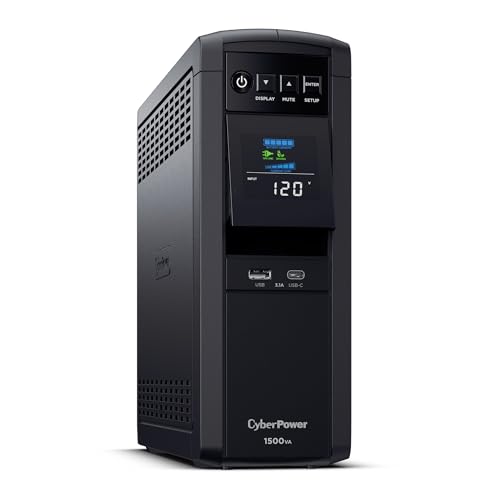
CyberPower CP1500PFCLCD PFC UPS
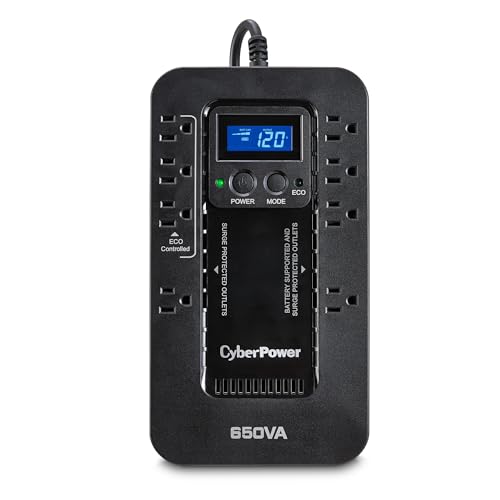
CyberPower EC650LCD UPS

CyberPower PR1500RT2UC

APC BR1500MS2 Pure Sine Wave UPS

CyberPower CP1500PFCRM2U
A Deeper Look At The Lineup
The CP1500AVRLCD3 makes more sense than a tiny outlet-tapped reserve because it can support a router alongside modems, access points, and selected computer equipment. Its mini-tower enclosure fits neatly beside a network cabinet or under a desk, while the LCD reduces guesswork during outages.
Automatic Voltage Regulation, or AVR, corrects modest voltage changes without immediately drawing from the battery. That can reduce unnecessary switching during ordinary fluctuations, a practical advantage over basic protection. You may find the simulated sine wave less suitable for especially sensitive or active-PFC equipment, so waveform compatibility deserves attention before purchase.
Reasons It Performs
- Line-interactive regulation supports networking equipment during common voltage variations.
- The LCD provides clearer operating information than a basic indicator-light unit.
- Rack and desktop electronics gain backup rather than a router alone.
- Surge protection adds a second layer during unstable utility power.
Points To Note
- Simulated sine wave output may not suit every modern power supply.
- Owners must keep the battery in a cool, dry location and allow routine runtime checks.
Feature Snapshot
Made For
You benefit most from this model with a router, modem, network switch, and a small computer on the same outlet strip.
Where Another Pick Suits Better
APC BR1500MS2 Pure Sine Wave UPS offers cleaner output for a mixed collection of sensitive electronics.
Compared with the larger CP1500AVRLCD3, the CP1000AVRLCD concentrates on the essentials rather than broader equipment coverage. It fits home networks that mainly need a router, modem, and access point to remain available through short interruptions. The compact mini-tower form also suits a small media cabinet where every inch matters.
Its AVR function is the key technical feature: it corrects minor voltage shifts before resorting to battery reserve. The LCD also helps you distinguish a normal load event from a power problem, which matters in a busy home office. For a demanding workstation, however, the CP1500PFCLCD PFC UPS may provide more useful headroom.
What Makes Sense
- AVR can preserve battery life by handling modest fluctuations directly.
- The LCD gives you clearer diagnostic information during outages.
- Line-interactive design suits stable, everyday network protection.
- Surge coverage complements the outage backup.
Worth Noting
- Capacity is more restrained than the 1500-class alternatives here.
- The simulated waveform may not be right for every sensitive computer power supply.
- Periodic self-checks help you notice a weakened battery before an outage.
- Outlet layout may limit how many network devices you can connect.
Quick Facts
The Right Fit
This model suits apartment living, basic home offices, and networks whose connected equipment has modest power requirements.
Consider Something Else
CyberPower EC650LCD UPS is a closer fit where shelf space matters more than additional capacity.
The CP1500PFCLCD PFC UPS shifts the emphasis from basic network continuity to compatibility with equipment that uses active power factor correction. That makes it relevant to modern desktops and other sensitive electronics sharing space with your router. Its color LCD presents a more detailed view of operating conditions than a simple light display.
True sine wave output is the feature that separates it from the simulated-wave CyberPower models reviewed earlier. A pure waveform can align more closely with modern switching power supplies, reducing compatibility concerns. The tradeoff is a larger mini-tower unit that may be more than a simple router needs, especially in a tight network cabinet.
The Case For It
- Sine wave output supports compatible active-PFC electronics.
- The color LCD provides detailed status information at a glance.
- Line-interactive regulation helps manage minor voltage changes.
- Surge protection remains useful between brief and extended outages.
- The 1500-class capacity offers room for a network and computer.
Small Caveats
- A full-size UPS can be unnecessary for a router-only setup.
- You should confirm your equipment is designed for sine wave input.
- Battery aging and environmental heat still affect long-term performance.
Best Suited To
You gain the most from active-PFC compatibility, particularly with a powerful computer beside your networking equipment.
Another Choice May Suit
CyberPower EC650LCD UPS is simpler and smaller for a basic router network without sensitive desktop loads.
The EC650LCD UPS prioritizes a small footprint over the broader equipment support of the 1500VA models. In an apartment, small office, or tightly packed media shelf, that physical restraint can matter more than extra headroom. A standby topology supplies power after an outage rather than continuously regulating incoming voltage.
Its LCD remains useful in that compact setting, giving you load and battery information without moving to a separate monitor. The simulated sine wave should suit many ordinary routers and networking devices, though you may need to move up to a sine wave model for more demanding electronics. The honest read is that this is a focused solution, not a miniature version of every larger UPS.
Well-Handled Touches
- The compact enclosure conserves shelf or desk space.
- The LCD makes operating information readily visible.
- Surge protection adds useful coverage for network hardware.
- Backup suits a router, modem, and compact access-point setup.
A Few Limitations
- Standby operation does not provide the same continuous regulation as a line-interactive unit.
- Simulated sine wave output may not suit more sensitive power supplies.
- High heat can shorten battery life during long-term storage.
Technical Highlights
Whose Shelf It Belongs On
This model fits small spaces where a router, modem, and access point are the principal connected devices.
Where A Sibling Pick Shines
CyberPower CP1500PFCLCD PFC UPS gives stronger compatibility and capacity for computers and sensitive electronics.
The PR1500RT2UC goes beyond passive battery reserve with app-based monitoring, making it useful for equipment rooms where you want visibility without physically checking the unit. Its convertible rack or tower format also gives you installation flexibility, particularly for network racks, small server rooms, and structured home offices.
Sine wave output improves compatibility with sensitive networking and electronic equipment compared with the simulated-wave models above. Line-interactive regulation and AVR address modest voltage changes, while surge protection rounds out the protection layer. Depending on your setup, the app may be the decisive feature, although a non-networked router with one modem is unlikely to need this level of oversight.
Strengths Worth Knowing
- App connectivity adds remote operating visibility.
- Sine wave output supports sensitive network and electronic equipment.
- The convertible chassis supports rack or tower placement.
- AVR corrects minor voltage variations before battery use.
Possible Compromises
- App-based monitoring offers limited value for a very simple network.
- The larger format can be excessive beside a single router.
- Rack installation may require hardware you do not already have.
- Setup adds more moving parts than a basic desktop UPS.
Built With In Mind
You benefit most from smart monitoring and flexible placement in a network rack or managed home office.
Look Elsewhere
CyberPower EC650LCD UPS offers a more direct solution for a small apartment network with limited equipment.
The APC BR1500MS2 brings pure sine wave output to a broader range of computers, routers, wireless networking equipment, and home electronics. That waveform is closer to utility power than a simulated approximation, which is valuable when a connected device uses a sensitive switching power supply. The 1500VA and 900W ratings provide a clear view of its capacity class.
For a mixed equipment shelf, that combination offers a practical balance of waveform quality and supported load. You gain the most benefit when the UPS protects more than the router, including a desktop or network storage devices. The trade-off is physical scale, and a router-only installation may not need 1500VA of capacity.
The Good Stuff
- Pure sine wave output supports sensitive electronics.
- The 1500VA and 900W ratings clarify the power class.
- Broad equipment support suits mixed office shelves.
- Backup and surge protection address two power problems.
Where It May Fall Short
- A basic router-only network may not require this much capacity.
- Keep ventilation open around the unit to limit heat buildup.
- Planned battery checks remain important as the unit ages.
Important Details
Made For
This model suits mixed home offices that connect a router, network equipment, and a desktop or entertainment system.
A Better Fit Elsewhere
CyberPower EC650LCD UPS is more restrained for a small network located in a space-constrained cabinet.
The CP1500PFCRM2U is the most rack-focused option here, aimed at security systems, audio-visual equipment, and networking devices that use active power factor correction. Rack placement can reduce cable clutter in an office or media installation, although it makes the model less convenient for a casual desktop setup.
Sine wave output, AVR, surge protection, and electromagnetic and radio-frequency filtration create a broader protection package. The filtration can matter in installations where nearby electronic equipment may introduce interference. Compared with the convertible PR1500RT2UC, this model commits to rack use, so you should confirm cabinet space and mounting requirements before ordering.
What Stands Out
- Rackmount placement organizes larger network installations.
- Sine wave output suits active-PFC equipment.
- AVR handles minor voltage fluctuations before battery use.
- EMI and RFI filtration adds interference protection.
- Surge coverage supports a broader installed equipment mix.
Details To Watch
- A tower-style desktop is less convenient than the earlier CyberPower options.
- Cabinet clearance and rack hardware need to fit your installation.
- Routine runtime checks help you notice battery deterioration.
Core Features
Built For
This rackmount model suits organized offices and installations protecting several active-PFC electronic devices.
Reach For A Different Pick
CyberPower PR1500RT2UC offers more placement flexibility through its convertible rack or tower design.
Choosing A Router Backup That Fits
Start with the equipment already connected to your network. A router and modem place a modest demand on a UPS, while a desktop, network storage system, security system, or home theater can require a higher-capacity model. Calculating the combined load helps prevent an undersized unit from switching off equipment during an outage.
Waveform type is the next consideration. A simulated sine wave suits many basic routers, while pure sine wave output offers closer compatibility with sensitive computers and active power factor correction, a feature used by some modern switching power supplies. Your equipment documentation can confirm whether a cleaner waveform matters.
Form factor affects placement as much as function. A compact desktop model fits a media shelf, while a rackmount unit suits an organized cabinet with mounting space. The CyberPower PR1500RT2UC provides a convertible option for locations that may change, although its app features may be unnecessary for a basic home network.
Capacity And Runtime
A router battery backup does not need to support an entire house to be useful. Keeping your modem, router, and access point alive can preserve remote access and prevent a long reconnection process. Larger systems make sense when several computers or network devices need protection, but added capacity may also introduce battery-aging and placement considerations.
Waveform Compatibility
Simulated sine wave models are practical for many conventional network devices. Pure sine wave output is worth considering for modern desktops, network storage, and equipment with active power factor correction. The extra electrical precision matters most when a device behaves poorly on a stepped approximation.
Controls And Monitoring
LCD panels provide immediate information about load, battery condition, and operating events. App monitoring adds convenience in equipment rooms, but it does not increase power capacity. Choose remote visibility only when you have a practical reason to check the system away from its physical location.
Installation And Maintenance
Leave the required clearance around the unit and place it in a cool, dry location. Dense equipment cabinets can restrict airflow and contribute to heat buildup. Periodic runtime checks also help reveal weakening battery performance before a real outage confirms it.
Practical Power Decisions
Common Shopping Slip Ups
Choosing by outlet count alone can leave you with a unit that lacks useful runtime. Check the capacity, waveform, and combined device load before deciding. Rackmount dimensions and outlet placement also deserve attention because an incompatible enclosure can make a capable UPS awkward to use.
What Separates Premium From Basic
Pure sine wave output, AVR, detailed displays, filtration, and app monitoring distinguish the more advanced choices here. Those additions matter for sensitive equipment, equipment rooms, or installations that need remote visibility. A basic router-only network may receive the same practical protection from a smaller simulated-wave unit.
Frequently Asked Questions
How Long Should A Router UPS Last?
Runtime depends on capacity, battery condition, and the connected load. A small router network may receive several times more runtime than a setup supporting several computers and storage devices. Check the model’s runtime specifications for the equipment you plan to connect.
Does A UPS Improve Internet Speed?
A UPS does not increase your network’s available bandwidth. It helps keep powered equipment operating during outages and voltage fluctuations, reducing the need for manual restarts. Your internet speed still depends on the underlying connection.
Is Pure Sine Wave Necessary For A Router?
Many ordinary routers operate well with simulated sine wave output. Pure sine wave becomes more relevant when the UPS also supports modern computers, storage devices, or equipment with active power factor correction. Confirm compatibility with the device documentation.
Can A Router Battery Backup Protect A Modem?
Most UPS models with enough capacity and suitable outlets can power both a router and modem. Check the unit’s supported load and available connections before setup. Place only compatible power adapters on the battery-backed outlets.
Where Should I Place A Router UPS?
Choose a cool, dry location with clear ventilation and enough room for the cables. A shelf, network cabinet, or equipment enclosure works well when it does not trap heat. Secure the unit so it remains stable and accessible for periodic checks.
Final Thoughts
Choose based on connected equipment rather than router protection alone. A compact model suits a basic network, while pure sine wave, greater capacity, app monitoring, or rack placement becomes useful as your equipment grows. Match the UPS to your space, load, and sensitivity, then give the battery the ventilation and routine attention it needs.
