


Battery outages range from a few minutes of internet interruption to an evening without heating, refrigeration, or power for essential equipment. Your needs depend on which devices must stay online, how much space you have, and whether you want a compact UPS or a larger home power station. The options below cover both categories, with clear trade-offs for everyday use, home offices, and extended outages.
The Picks In Brief

ECO-WORTHY Liber 10KP 10.24kWh Home Backup Power
CyberPower CP1500PFCLCD PFC Sinewave UPS

APC BE500G3 500VA/300W Home Office UPS
ECO-WORTHY Cubix100 48V 200Ah LiFePO4 V3 Cabinet

GOLDENMATE 1000VA/800W Lithium UPS White
GOLDENMATE 1000VA/600W Lithium UPS White

ECO-WORTHY 5.12kWh 5000W Home Backup Power
The Strengths Of Each Pick
For a household that wants more than a short computer bridge, the Liber 10KP sits in a different class from the compact UPS models later in this list. Its 10,240Wh battery capacity and 10,000W inverter output are aimed at keeping essential household equipment running through longer interruptions, depending on load and installation.
That scale suits a family room, backup lighting, refrigeration, or selected circuits, though it is far less convenient than a small desktop unit. In practical terms, the space and electrical work matter more than the headline capacity, so this is a considered installation rather than a casual shelf purchase.
Positive Points
- 10,240Wh provides substantial stored energy for essential home loads.
- 10,000W output gives you room for higher-demand appliances than a conventional UPS.
- The 48V system is designed for stationary backup use rather than portable camping.
- Its scale can reduce dependence on a generator during moderate outages.
- LiFePO4 chemistry is better suited to repeated charging than lead-acid alternatives.
Things To Consider
- Installation, ventilation, and electrical routing can require more planning than a plug-in UPS.
- Actual runtime varies with appliance demand, battery condition, and conversion losses.
- The large footprint makes it less suitable for apartments or temporary use.
Core Details
Made For Larger Homes
This system best serves households with dedicated installation space and several essential loads that need coverage beyond a brief outage.
Where Another Pick Suits Better
The APC BE500G3 is the more practical option for a small apartment where only networking and light electronics need protection.
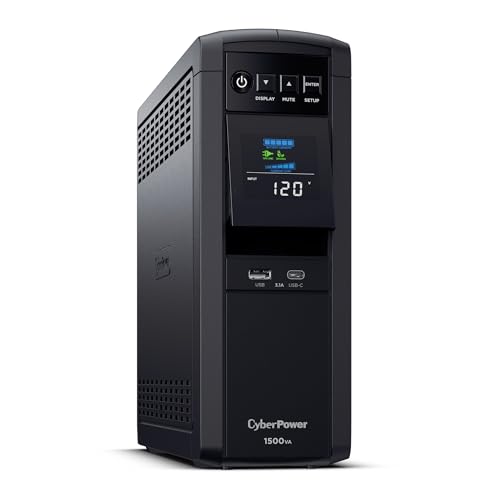
The CP1500PFCLCD is built around a narrower need than the Liber 10KP: keeping sensitive electronics stable when the wall power flickers or disappears. Its PFC sine-wave output is designed for modern power-factor-corrected computer equipment, a detail that matters more than capacity alone in a desk setup.
The color LCD gives you a clearer view of operating conditions than a basic indicator, which helps during setup and troubleshooting. Compared with the APC BE500G3, it offers a more substantial desktop footprint and a stronger fit for workstations, though it still isn’t designed to power household appliances.
What Stands Out
- PFC sine-wave output supports compatible desktop and network equipment.
- The color LCD makes status information easier to check at a glance.
- Surge protection is built into a single desktop-focused device.
- The 1,500VA class is more comfortable for a full office load than a tiny network-only unit.
Trade Offs
- It occupies more space than the APC BE500G3 and may be excessive for a router and modem.
- Battery runtime changes sharply with desktop power use, especially during high-load periods.
- It is intended for electronics, not heating, refrigeration, or other large household loads.
Key Specs
Right Fit For Desks
This model suits people running a desktop computer, monitor, router, and related equipment from a home office.
A Better Fit Elsewhere
The APC BE500G3 is easier to place and more economical for a network-focused setup with only small devices.
The APC BE500G3 makes the most sense for the parts of a home that quietly stop working during an outage. A router, modem, VoIP phone, streaming box, and a small monitor can remain connected without asking a compact unit to carry a refrigerator or desktop tower. Its 500VA/300W rating defines the boundary clearly.
The six-outlet arrangement gives you room to separate essential network equipment from additional surge-only connections. The trade-off is modest runtime, especially with a laptop or monitor attached, but that limitation is reasonable for a home office where the goal is continuity rather than all-night operation.
Where It Excels
- Keeps internet and communication equipment online during short outages.
- Four battery-backed outlets provide useful flexibility for a small office.
- Two additional surge-only outlets expand protection without adding load capacity.
- Its compact form suits shelves, side tables, and entertainment cabinets.
Practical Considerations
- 300W output will not support high-draw appliances or most full-size desktop systems.
- Battery replacement and long storage periods deserve attention in less frequently used homes.
- Outlet placement can be tight behind desks with multiple bulky power bricks.
Feature Snapshot
Who It Suits Best
This unit fits apartment residents, remote workers, and households focused on keeping network and communication devices running.
Consider Something Else
The GOLDENMATE 1000VA/600W Lithium UPS is the better fit for a computer desk that needs both network protection and a larger desktop allowance.
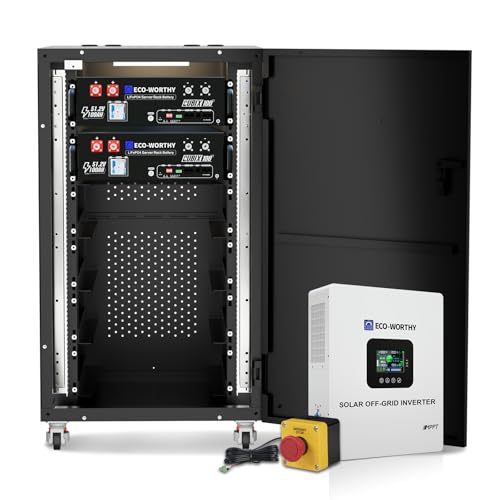
The Cubix100 package is built around a more permanent home-installation mindset. Its two 51.2V 100Ah LiFePO4 batteries provide 10,240Wh of storage, while the 5,000W inverter handles the conversion from stored battery energy to household power. That combination gives it more headroom for essential circuits than a desktop UPS.
The rack-style V3 cabinet also changes the installation conversation. It is a better match for a utility room, garage, or other dedicated space than for a living-room shelf. The honest read is that the capacity is the attraction, but cabinet placement and cable routing decide whether the system is convenient in daily use.
Advantages To Know
- Two 100Ah batteries create a high-capacity starting point for home backup.
- The 5,000W inverter supports more household demand than a standard UPS.
- The dedicated cabinet keeps a large battery system organized in one installation area.
- LiFePO4 chemistry suits applications with repeated charging cycles.
Potential Compromises
- It requires more dedicated space and installation planning than a plug-in model.
- Runtime still depends on the connected load and the way essential circuits are managed.
- Servicing and troubleshooting are more involved than with a small desktop UPS.
Technical Reference
Built With In Mind
This package fits homeowners planning a dedicated stationary installation rather than a temporary plug-in arrangement.
Where A Sibling Pick Shines
The ECO-WORTHY 5.12kWh model is easier to scale into for a smaller installation with less battery storage.
The GOLDENMATE 1000VA/800W Lithium UPS occupies the middle ground between the APC network unit and the larger home power stations. Its higher 800W output gives a home office more room for a computer and monitor, while the lithium battery pack differentiates it from conventional lead-acid models. For a desk that needs more than basic connectivity, that balance is useful.
It is still a UPS, not a whole-home generator. You should not expect it to carry kitchen appliances or power an entire office circuit. Compared with the GOLDENMATE 1000VA/600W model, the extra 200W is meaningful for mixed electronics, though the actual runtime still depends on how much equipment remains connected.
Reasons It Performs
- 800W output handles a more substantial electronics load than the APC BE500G3.
- Lithium chemistry supports a compact, lower-maintenance-style battery format.
- The 1,000VA class suits a home office with several connected devices.
- White housing fits more naturally into a home-office setup.
Smaller Caveats
- It cannot substitute for a stationary system powering multiple household circuits.
- High-output devices reduce available runtime, especially during a long interruption.
- You still need to size connected equipment against the 800W ceiling.
For Mixed Office Equipment
This model suits people balancing a computer, monitor, network equipment, and smaller peripherals in one room.
Reach For A Different Pick
The CyberPower CP1500PFCLCD is a stronger fit when PFC-compatible output and a detailed LCD matter more than lithium chemistry.
This GOLDENMATE model is a practical step up from the APC BE500G3 for a computer area that needs more capacity without moving into home-power-station territory. The 600W allowance can accommodate a modest desktop setup more comfortably than a 300W unit, while the lithium pack keeps the system focused on repeatable charging.
Its communication port and included USB cable are the details that make it relevant to a Windows PC, Mac, or NAS setup. Configure automatic shutdown through the connected system, and the UPS can help reduce abrupt interruptions. That software integration is more useful than a larger battery alone for someone who works from home.
What Helps Most
- 600W output provides useful headroom for a modest computer setup.
- USB communication supports managed shutdown for compatible computers and NAS devices.
- Lithium chemistry suits regular backup use in a home-office setting.
- The 1,000VA platform leaves more expansion room than the APC BE500G3.
Details To Watch
- Shutdown behavior depends on compatible system settings and the chosen communication setup.
- It remains limited by the 600W output rating, so large monitors and accessories still need careful sizing.
- Battery aging and storage conditions remain relevant during long periods without use.
For PC And NAS Setups
This model is a good fit for home workers who want controlled shutdown support for a computer, network storage, and small peripherals.
Skip It When
The APC BE500G3 is the better option for a tiny network-only setup where lower output and a smaller footprint matter most.
The 5.12kWh ECO-WORTHY system is the middle ground among the larger home options: half the storage of the Liber 10KP and a smaller battery footprint than the Cubix100 package, while retaining a 5,000W inverter output. That balance can serve essential household equipment without committing to the highest-capacity setup in this roundup.
It is a better fit for a garage, utility room, or carefully planned apartment installation than for a desk beside a router. The tradeoff is runtime: essential appliances can draw enough power to shorten an outage considerably. Confirm your circuit plan and available floor space before treating the listed wattage as a promise of whole-home coverage.
Why It Works Well
- 5,120Wh provides a meaningful middle tier of battery storage.
- 5,000W output supports higher-demand equipment than desktop UPS models.
- The single-battery format is easier to scale around than a two-battery cabinet system.
- LiFePO4 chemistry supports repeated charging over a stationary installation.
Points To Keep In Mind
- It still requires a permanent location and careful electrical planning.
- Runtime can fall sharply when several appliances operate at once.
- It offers less reserve capacity than the 10.24kWh ECO-WORTHY systems.
Important Details
The Right Fit
This system suits homeowners seeking substantial essential-load coverage with less storage than the 10.24kWh options.
Look Elsewhere When
The APC BE500G3 is a much simpler choice for a home office that only needs to protect networking and small electronics.
Choosing Backup Power That Fits Your Home
Match Capacity To The Load
Start with the devices you need to keep running, not the largest number available. A router, modem, and phone may need only a compact UPS, while a home office with a desktop and monitor benefits from a higher wattage model. Large home power stations require more planning because their batteries, inverter, and installation area must work as a system.
Understand Inverter And Battery Ratings
VA describes apparent power, while watts describe real power your equipment can use. LiFePO4 refers to lithium iron phosphate, a battery chemistry designed for repeated charging. The practical question is whether the listed output comfortably covers your connected equipment without leaving too little headroom during startup surges.
Plan For Installation And Maintenance
A plug-in UPS is convenient for networking equipment, but stationary systems need ventilation, accessible wiring, and a suitable location. Owners of larger systems should also consider battery monitoring, replacement planning, and how the system will be used during extended outages. The right choice is often the one you can maintain comfortably, not simply the one with the largest capacity.
Common Purchasing Decisions
Mistakes Worth Avoiding
A common mistake is buying based on wattage without checking the device’s startup demand. Another is treating a home power station like a disposable camping battery, even though fixed installations require more careful placement and cable routing. Make a load list first, then confirm the system’s physical fit.
The Case For Spending Up
Higher-capacity models add battery storage, inverter headroom, and greater load flexibility. That extra capability matters when a household needs several essential circuits or wants a system that can grow later. For a single router, a smaller UPS usually provides the more practical result.
Frequently Asked Questions
How long should a home battery backup run?
Runtime depends on battery capacity, inverter losses, and the devices connected. A small network setup may last longer than a home power station carrying refrigeration or lighting.
Can a UPS replace a generator?
A UPS is better suited to electronics and short-to-medium interruptions. A larger battery system can cover more household loads, but capacity and installation requirements still apply.
Is LiFePO4 better than lead-acid for backup power?
LiFePO4 is generally designed for more repeated charging cycles than lead-acid. The right chemistry still depends on the system design and how the equipment is maintained.
What size UPS protects a home office?
Choose based on the combined wattage of the desktop, monitor, router, and accessories. Leave some headroom for startup behavior and avoid exceeding the unit’s output rating.
Do home battery systems need professional installation?
Complex fixed systems often benefit from professional electrical review and installation. Smaller UPS units are typically designed for straightforward plug-in placement, subject to the manufacturer’s instructions.
Final Verdict
Choose the APC BE500G3 for compact network protection, the CyberPower CP1500PFCLCD for a more capable home office, and the GOLDENMATE lithium models for computer integration. The ECO-WORTHY systems make sense when you need substantially more stored energy and have space for a dedicated installation. Match the system to the loads you actually need, then account for the wiring and maintenance that come with ownership.
