


A desktop computer can lose work in seconds when power disappears, and a router or monitor can reset along with it. A UPS, or uninterruptible power supply, keeps essential equipment running long enough to save files and shut down cleanly. The right capacity matters, especially for demanding workstations, compact systems, and setups with several connected devices.
How The Shortlist Stacks Up

CyberPower SL950U Standby UPS Battery Backup

APC 850VA/450W UPS Battery Backup

CyberPower BRG1500AVRLCD2 Intelligent LCD UPS

GOLDENMATE 1500VA/1000W Lithium UPS, White

APC BE650G1 650VA/390W UPS Battery Backup
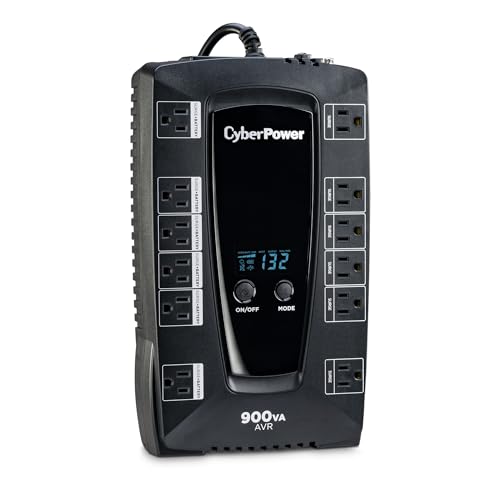
CyberPower AVRG900LCD Intelligent LCD UPS

GOLDENMATE 1000VA/800W Lithium UPS, White
What Each Pick Brings To The Table
A slim-profile UPS makes sense beside a compact tower or beneath a crowded desk. The SL950U supplies 950VA and a 510W maximum output, enough for a modest desktop, router, monitor, and other essential electronics during a short outage.
Compared with the APC BE650G1 later in this roundup, it offers more capacity and two charging ports. That makes it a practical middle option for a home office, though the simulated sine wave may suit ordinary consumer electronics better than sensitive or high-performance equipment.
Everyday Wins
- Five outlets retain battery power, while three provide surge protection.
- Two widely spaced receptacles accommodate bulky power adapters.
- USB-A and USB-C ports reduce desk clutter by charging phones directly.
- The five-foot input cord offers practical placement flexibility.
Minor Gripes
- Simulated sine-wave output is less suitable for some specialized electronics.
- Owners commonly need to check indicator lights periodically for wiring or battery status.
Key Specs
Made For
You gain the most from this model in a home office with a modest desktop, router, monitor, and several mobile devices.
A Better Fit Elsewhere
The GOLDENMATE 1000VA/800W Lithium UPS suits power users who prefer lithium battery chemistry and more headroom.
The APC 850VA/450W model fills the gap between the CyberPower SL950U and smaller space-saving options. Seven NEMA outlets give a home setup room to connect a computer, monitor, network box, and several peripherals without crowding a surge protector.
Five outlets provide both battery support and surge protection, while two handle surges alone. That balance works nicely for a PC, router, or NAS, although a gaming desktop with a power-hungry graphics card could reach the 450W ceiling quickly.
Useful Highlights
- The 450W rating suits mainstream office computers and network storage.
- Seven outlets reduce the need for an additional power strip.
- Five backed outlets cover the equipment most likely to need shutdown time.
Practical Considerations
- The 450W limit leaves less room for high-end components.
- Owners generally need to leave space around the unit for ventilation.
- Runtime varies with the load, so several high-draw devices shorten available time.
Right Fit For
You benefit most from this unit with a standard office PC, router, NAS, and a modest monitor.
Swap It Out When
The CyberPower BRG1500AVRLCD2 offers greater output and voltage regulation for a heavier workstation.
Desktop power draws add up quickly, and the BRG1500AVRLCD2 is designed with that heavier load in mind. Its line-interactive UPS uses automatic voltage regulation, meaning it corrects modest voltage changes without draining the internal battery for every fluctuation.
The LCD adds visible operating information, which can be valuable in a workstation where you want to check load or battery status without opening software. It offers substantially more capacity than the APC 850VA/450W model, though its larger case takes more desk space.
What Makes Sense
- High 1500VA capacity supports demanding desktop equipment.
- Voltage regulation can preserve battery runtime during minor power changes.
- The display provides clear system information at a glance.
- Surge protection suits workstations, networking equipment, and entertainment systems.
- The higher capacity offers room for multiple connected devices.
Trade Offs
- Its larger enclosure may crowd a compact desk.
- The simulated sine wave may not suit every sensitive load.
- Owners commonly perform periodic battery checks after extended storage.
Technical Highlights
Who Will Love This
Power users with a loaded desktop, multiple peripherals, and a preference for visible controls will appreciate this capacity.
Look Elsewhere When
The APC BE650G1 is more appropriate for a minimal setup where space and cost matter more than runtime.
Lithium iron phosphate, commonly called LiFePO4, distinguishes this GOLDENMATE from conventional lead-acid models. The 51.2V, 5.8Ah battery pack is specified for more than 3,000 charge cycles, making it an interesting long-term option for a frequently used workstation.
At 1500VA and 1000W, it offers more headroom than the CyberPower SL950U and enough capacity for a serious desktop with several peripherals. The white enclosure gives it a distinctive appearance, although you should still verify available space and outlet clearance.
Useful Touches
- The lithium battery pack supports a long service life.
- 1000W output accommodates a higher-powered desktop load.
- LiFePO4 chemistry suits frequent outages and regular cycling.
- The high capacity reduces the need to disconnect peripherals quickly.
Points To Note
- The 1500VA rating assumes the connected equipment stays below its output limit.
- Lithium hardware may be a less familiar replacement path for some owners.
- Periodic battery inspection remains sensible during long storage periods.
Feature Snapshot
Built With In Mind
You benefit most with a powerful desktop, multiple peripherals, and a location where long battery life is worth the added complexity.
Another Choice May Suit
The CyberPower AVRG900LCD is a simpler fit for a modest home office that prioritizes a compact case and visible voltage information.
The BE650G1 is built around a straightforward idea: protect the equipment you cannot afford to lose without taking over the desk. Its 650VA and 390W ratings cover a basic desktop, monitor, router, and small peripherals, but not a demanding workstation.
Eight NEMA outlets are split between four backed connections and four surge-only connections. Compared with the APC 850VA/450W model, the lower ceiling makes this unit more suitable for focused needs, though a compact case still earns its place on a small desk.
The Upside
- Eight outlets cover both essential equipment and surge-prone accessories.
- The compact form works well in a small office or bedroom workstation.
- Four battery outlets keep shutdown time available for core equipment.
Small Caveats
- The 390W maximum can be restrictive with internal graphics hardware.
- Runtime will be short with several high-consumption devices attached.
- Owners commonly keep vents clear to maintain proper cooling.
The Right Fit
Beginners and basic users benefit from this model when the desktop, monitor, and router are the main connected devices.
Where A Sibling Pick Shines
The APC 850VA/450W UPS offers more output for owners who need a little more headroom without moving to a larger system.
For a home office that wants clear power information without moving to a larger UPS, the AVRG900LCD lands in a useful middle ground. Its line-interactive design and automatic voltage regulation handle mild changes without immediately relying on battery power.
The LCD gives you a better view of operating conditions than a basic indicator-light model. Compared with the APC BE650G1, it adds visible control and a larger capacity target, which can suit a desktop with a more varied equipment load.
Notable Upsides
- The LCD makes power status easier to monitor at a glance.
- Voltage regulation helps preserve battery life during small fluctuations.
- The form suits a desktop, network equipment, and home entertainment setup.
- Visible feedback is useful for troubleshooting.
Room For Improvement
- It offers less maximum output than the GOLDENMATE 1500VA model.
- Simulated sine-wave output may not suit specialized equipment.
- Owners commonly keep the unit unobstructed for ventilation.
Quick Facts
Best Suited To
You get the most value in a home office that wants AVR, an LCD, and enough capacity for several ordinary devices.
Reach For A Different Pick When
The GOLDENMATE 1000VA/800W Lithium UPS is the better match when lithium battery longevity matters more than a display.
The 1000VA/800W GOLDENMATE model offers lithium battery technology without reaching the size and output of the 1500VA version. That balance works for a modern desktop, multiple displays, networking equipment, and accessories where longer battery cycling is valuable.
Its LiFePO4 battery pack is specified for more than 5,000 cycles, a meaningful distinction from lead-acid alternatives. The simulated waveform and limited runtime still require sensible load management, so it is not a substitute for sizing every accessory at its maximum draw.
What Stands Out
- LiFePO4 chemistry supports frequent charging cycles.
- 800W output handles a broad range of desktop components.
- 1000VA capacity leaves room for several everyday peripherals.
- The white finish fits a clean office setup.
Possible Compromises
- Runtime depends on how much equipment draws power during an outage.
- The battery replacement process may be less familiar than standard sealed lead-acid units.
- Owners commonly keep the enclosure dry and unobstructed.
Where It Belongs
You benefit most with a modern office desktop and frequent outages where long-term battery cycling is part of the plan.
Consider Something Else When
The APC BE650G1 is a more compact choice for a small desk where only a computer and router need backup.
What To Look For In A Desktop UPS
Capacity should come first. VA describes the apparent power available, while watts indicate usable real-world output. Add up the connected equipment rather than using the UPS rating alone.
Automatic voltage regulation helps smooth minor input changes, while line-interactive control can reduce unnecessary battery use. A simulated sine wave is common for ordinary electronics, though sensitive or specialized hardware may need a different waveform.
Outlet layout also matters. Count backed outlets separately from surge-only receptacles, and check that large adapters do not block neighboring plugs. USB charging is convenient, but it does not increase backup capacity for a desktop.
Common Shopping Slip Ups
Many people focus on VA alone and miss the lower wattage limit. Measure the equipment connected to the UPS, especially monitors, external storage, and internal graphics cards.
Another common error is leaving high-draw accessories on battery power. A smaller router and a single monitor can create a very different load from a full entertainment system.
What The Higher Tier Buys
Higher-capacity models provide more runtime and headroom for demanding components. AVR and LCD controls can also make power behavior easier to understand during daily use.
Lithium-based options add long-cycle battery designs, though the right choice depends on your equipment, space, and maintenance preferences.
Frequently Asked Questions
How much UPS power does a desktop need?
Choose enough wattage for the computer, monitor, router, and essential accessories. Add extra headroom for power-hungry graphics cards and future upgrades.
Is 1000VA enough for a gaming desktop?
It may be, depending on the total component draw. Check the UPS watt rating and leave room above your normal operating load.
What does automatic voltage regulation do?
Automatic voltage regulation corrects small voltage changes without immediately switching to battery power. That can preserve runtime during minor grid fluctuations.
How often should a UPS be checked?
Review indicator lights and battery condition periodically, especially after long storage. You should also keep ventilation openings clear and test your shutdown routine occasionally.
Can a UPS protect a monitor and router?
Yes. Connecting essential peripherals helps prevent abrupt resets and keeps network access available long enough to save work and shut down cleanly.
Final Verdict
The CyberPower SL950U fits compact home offices, while the APC BE650G1 suits minimal setups. For heavier systems, the CyberPower BRG1500AVRLCD2 and GOLDENMATE lithium models provide more capacity and battery-focused features. Match the wattage to your connected equipment, leave breathing room, and choose the system that matches your outage needs.
