


Camping power needs range from charging a phone after a long hike to keeping an RV refrigerator running through the night. The right setup depends on device capacity, appliance demand, fuel access, and how much equipment you can comfortably pack. These options cover three distinct approaches: rechargeable power stations, gasoline generators, and smaller UPS systems for sensitive electronics.
The Main Contenders

Jackery Explorer 2000 v2 4x100W Solar Kit

Honda EU2200i Companion Generator

BLUETTI Elite 200 V2 Kit
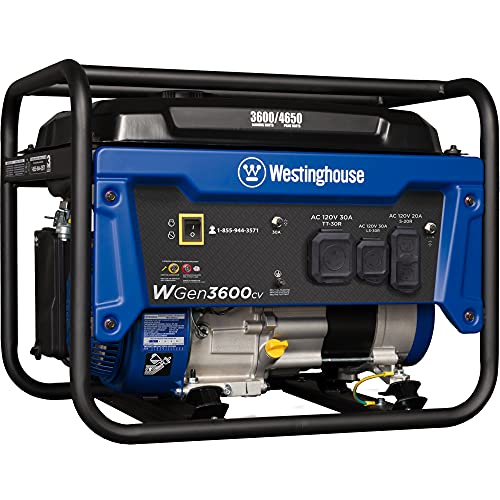
Westinghouse 4650W RV Generator

GOLDENMATE 1500VA/1000W Lithium UPS

GOLDENMATE 1000VA/800W Lithium UPS
MARBERO 88Wh Power Station
What Each Pick Brings To The Table
The Jackery Explorer 2000 v2 targets weekend camps that need more than a pocket-sized charger without carrying a gasoline engine. Its 2,042Wh battery can support a broad mix of phones, lights, laptops, cooking equipment, and other small appliances, while three AC outlets share a 2,200W output ceiling.
The included four 100W solar panels make extended off-grid charging more practical, though you may find panel placement matters on cloudy mornings. Compared with the Honda EU2200i Companion, this setup is quieter and needs no fuel, but it stores energy rather than generating power continuously.
Everyday Wins
- The 2,042Wh capacity gives you useful room for multi-day camping without frequent recharging.
- Three AC outlets support several household devices during a busy campsite.
- The USB-C PD port accepts up to 100W, reducing adapter clutter around sensitive electronics.
- Four solar panels support off-grid replenishment, subject to sunlight and campsite placement.
Practical Considerations
- Its weight makes car-based camping easier than carrying the unit far from a trailhead.
- High-output appliances draw heavily from stored energy and shorten runtime.
Quick Facts
Built With In Mind
Weekend campers and families who need balanced solar charging will benefit most from this configuration.
A Better Fit Elsewhere
The Honda EU2200i Companion suits campers who prioritize continuous fuel-based power and lower operating noise over solar independence.
Campsites surrounded by other campers place a premium on manageable engine noise, which is where the Honda EU2200i Companion separates itself. Its inverter generator produces 2,200W of rated output and operates between 48 and 57 dB(A), making it a credible fit for RV weekends and quiet outdoor workspaces.
A built-in 30A outlet reduces connection friction for compatible RV setups, while parallel capability offers a path to additional output. Unlike a power station, this model generates electricity as long as gasoline is available, making fuel planning the central ownership tradeoff.
A Favorable Mix
- The 48 to 57 dB(A) range suits camps where conversation and sleep matter.
- Continuous power avoids waiting for a battery to recharge.
- The 30A outlet supports higher-draw RV connections where permitted.
Trade-Offs To Consider
- Gasoline storage, ventilation, and engine maintenance add ownership tasks absent from battery-only systems.
- Its 2,200W ceiling is lower than the Westinghouse 4650W RV Generator.
- Remote camps still require responsible fuel storage and use outdoors.
Feature Snapshot
Made For
Quiet-camp enthusiasts and RV travelers who prefer uninterrupted generator output will appreciate this model.
Another Choice May Suit
The Westinghouse 4650W RV Generator better serves camps running multiple higher-wattage appliances together.
The BLUETTI Elite 200 V2 Kit is built for campers who want meaningful high-draw capability without gasoline. Its 2,073.6Wh battery, 2,600W continuous AC output, and two 200W solar panels give it more room for refrigerators, coffee makers, and other camping appliances than most portable stations.
Power lifting raises the stated ceiling to 3,900W for compatible equipment, while support for as many as nine devices helps at communal camps. Compared with the Jackery Explorer 2000 v2, output is higher and the solar kit is smaller but less powerful, a trade-off for camps where usable AC headroom matters.
Notable Upsides
- Two 200W panels offer a combined 400W solar input for campsite replenishment.
- The 2,600W continuous output handles demanding appliances beyond many mid-sized stations.
- Nine-device support reduces constant cable swapping around a busy campsite.
- The 2,073.6Wh capacity closely matches the Jackery option while delivering more AC power.
Worth Noting
- The battery and panels form a sizable load for a walk-up site.
- Power lifting depends on compatible equipment and load requirements.
- Fast recharging still requires suitable sunlight and camp conditions.
Right Fit For
Power-focused campers running coffee makers, refrigerators, or tool-like loads will get strong value from this kit.
Reach For A Different Pick When
The MARBERO 88Wh Power Station offers a much lighter alternative for phones, cameras, lights, and other small electronics.
Large RV kitchens and equipment-heavy camps give the Westinghouse 4650W RV Generator more room to operate. It provides 4,650 peak watts, 3,600 running watts, and a 30A outlet, a useful combination for compatible appliances that exceed the sustained output of most portable power stations.
The 212cc four-stroke engine uses gasoline from a four-gallon tank and can run for up to 14 hours under the stated conditions. A CO sensor adds a relevant layer of camp safety, although proper placement remains essential and no indoor operation is appropriate.
What Earns Its Place
- 3,600 running watts handle several higher-demand appliances at once.
- The 30A outlet simplifies compatible RV power connections.
- Up to 14 hours of operation suits extended stays where refueling is convenient.
- The CO sensor supports safer placement decisions at occupied camps.
Minor Gripes
- Gasoline and a larger engine make this heavier and louder than inverter-focused alternatives.
- Owners still need to manage oil changes, fuel freshness, air inlets, and outdoor placement.
Core Details
Best Suited To
Large families with multiple RV appliances and ample vehicle cargo space will find this capacity practical.
Consider Something Else When
The MARBERO 88Wh Power Station is the lighter choice for campers who only need small-device charging.
A UPS, or uninterruptible power supply, is a different tool from a camping generator. It sits between wall power and sensitive electronics, supplying short-duration reserve power while also guarding against surges, making the GOLDENMATE 1500VA/1000W Lithium UPS more relevant to remote offices and gear-protection needs.
The lithium iron phosphate battery is specified for over 10 years of use and more than 3,000 charge cycles. Its 1,000W capacity gives you more handling room than the smaller GOLDENMATE unit, but you still shouldn’t expect it to power cooking equipment or household appliances.
Positive Points
- 1,000W of output suits a computer, monitor, network equipment, and smaller connected devices.
- Lithium iron phosphate chemistry supports a long specified service life.
- Surge protection adds value for sensitive camping-office equipment.
Practical Considerations
- It is intended primarily for electronics rather than camping appliances.
- Its white enclosure is better suited to an indoor work area or weather-protected tent than an exposed campsite.
Essential Details
Who Will Love This
Remote workers and campers carrying a computer-based mobile office will get more useful capacity from this model.
Swap It Out When
The MARBERO 88Wh Power Station fits camps where outdoor phones, lights, and cameras matter more than a full office setup.
The GOLDENMATE 1000VA/800W Lithium UPS narrows the electronics-protection role to a more compact package. Its 800W output can cover a typical computer arrangement with room to spare, making it a practical choice for campers who edit photos, answer email, or keep network equipment alive during short power changes.
Its lithium iron phosphate pack is stated to last over 10 years with more than 5,000 charge cycles. Compared with the 1,000W GOLDENMATE model, you trade some load capacity for a smaller solution, although the two UPS units are not substitutes for weather-ready campsite power stations.
Advantages To Know
- The 800W rating handles a mainstream mobile computer setup.
- Over 5,000 specified charge cycles support long-term ownership planning.
- The smaller capacity offers a focused alternative to the 1,000W model.
Points To Note
- Multiple high-wattage devices may exceed the output ceiling.
- Weather protection is necessary because this is an indoor-style UPS rather than a weatherized station.
- Battery aging remains a factor even with lithium chemistry.
The Right Fit
Digital nomads carrying one computer and essential networking devices will find the capacity focused and manageable.
Look Elsewhere When
The GOLDENMATE 1500VA/1000W Lithium UPS better accommodates additional monitors, accessories, and connected electronics.
The MARBERO 88Wh Power Station serves a more modest role than the 2,000Wh-class systems, but that restraint makes it easier to pack. Its 24,000mAh capacity is well suited to cameras, phones, navigation devices, and lighting, giving day hikers a practical emergency reserve without a full campsite power setup.
The included adapter can take the station from zero to 80% in two hours, and the unit can charge connected devices while recharging. Dedicated 30W or 60W MARBERO solar panels provide slower field replenishment, while 120W surge capacity gives smaller electronics some startup margin.
Benefits That Matter
- The 88Wh capacity keeps long-distance pack weight modest.
- Two-hour charging to 80% through the included adapter supports quick campsite preparation.
- Pass-through charging lets connected devices draw power during recharging.
- Solar compatibility supports off-grid top-ups for smaller devices.
Where It May Fall Short
- Its capacity cannot support refrigerators, coffee makers, or other camping appliances.
- Solar charging is slower than using the included wall adapter.
- Owners must manage cables and keep the station dry during exposed trips.
Technical Notes
On The Go
Hikers and ultralight campers needing a compact reserve for small electronics will find this setup easy to carry.
A Sibling Pick Shines
The BLUETTI Elite 200 V2 Kit better serves families who need solar charging and substantial appliance power.
Choose Power Around Your Camp’s Real Load
Capacity Comes Before Ports
Battery capacity is measured in watt-hours, the amount of energy stored for later use. You’ll need more capacity for several people, cool-weather gear, and repeated charging than for a single weekend of phones and lights. Start with your device list rather than a port count.
Output Ratings Limit Appliances
Watts determine how much power an item draws at once, so cooking equipment and refrigerators can stop a system that looks adequate by storage alone. Continuous output matters more than a brief surge figure for steady loads. Compare each appliance with the station or generator’s ratings before packing.
Noise Shapes Campsite Comfort
An inverter generator generally offers a more campsite-friendly acoustic profile than a conventional open-frame unit. Battery stations run quietly because they contain no engine, yet large cooling fans can become audible during heavy charging. Your sleeping distance from the equipment may influence which balance works.
Solar Needs Realistic Sunlight
A panel’s wattage describes peak collection under favorable conditions, not an all-day recharge rate. Angle, shade, dust, weather, and charging losses reduce usable collection. Two panels can shorten replenishment, though panel space may be hard to find at a shaded campsite.
Avoiding Costly Power-Mistake Assumptions
Common Shopping Slip Ups
A large watt-hour rating does not guarantee high appliance output, so check both capacity and continuous watts. Avoid treating indoor UPS units as weatherproof camping stations, and include panel weight in your vehicle plan. A generator’s peak wattage also differs from sustained output.
What The Higher Tier Buys
Higher capacity supports longer runtime and more simultaneous devices, while higher inverter output expands appliance compatibility. Additional solar panels can make off-grid recharging more practical, but they add bulk and require suitable light. Pay for those upgrades when your equipment genuinely exceeds a smaller system’s limits.
Frequently Asked Questions
Are Battery Backups For Camping Better Than Gasoline Generators?
Battery stations operate quietly and need no fuel, but they store limited energy and may take hours to recharge. Gasoline generators provide continuous output and often handle higher loads, but add noise, maintenance, emissions, and fuel storage.
How Much Battery Capacity Do I Need?
A small station can handle phones, lights, and cameras. A 2,000Wh-class unit gives more room for laptops, cooking equipment, coolers, and multiple campers. Calculate your device requirements and allow margin for conversion losses.
Can a Portable Power Station Run a Refrigerator?
Many portable stations can run a low-draw camping refrigerator, but compressor startup can require a surge margin. Confirm runtime from the measured wattage rather than battery size alone. A generator offers easier continuous replenishment for extended trips.
Do Camping UPS Systems Work Outdoors?
A UPS primarily protects computers and network equipment from brief outages and surges. Indoor-style units need weather protection at exposed campsites. Outdoor-capable power stations provide a better fit for general campsite use.
What Battery Type Should You Choose?
Lithium iron phosphate is well suited to frequent power-system use because of its cycle-life characteristics. Lead-acid systems may cost less but typically carry more weight and age sooner. Match the battery chemistry to your expected trip frequency and storage space.
Final Verdict
Choose the Jackery Explorer 2000 v2 for balanced weekend capacity, the BLUETTI Elite 200 V2 Kit for higher solar-supported output, or the Honda EU2200i Companion for quiet continuous power. The smaller systems work best when your camp relies mainly on electronics, while heavy RV loads justify a fuel-powered approach. Match the system to your actual device list, then pack for the weather.
