


A power outage can stop filtration, aeration, heating, or lighting before fish have time to respond. Battery backups for aquarium setups range from compact air pumps to UPS systems and deep-cycle batteries, so the right choice depends on which equipment needs support, for how long, and from which power source. This guide covers practical options for freshwater tanks, saltwater aquariums, home offices, and off-grid setups.
The Choices Worth Comparing

Enegitech 12V 10Ah LiFePO4 Battery
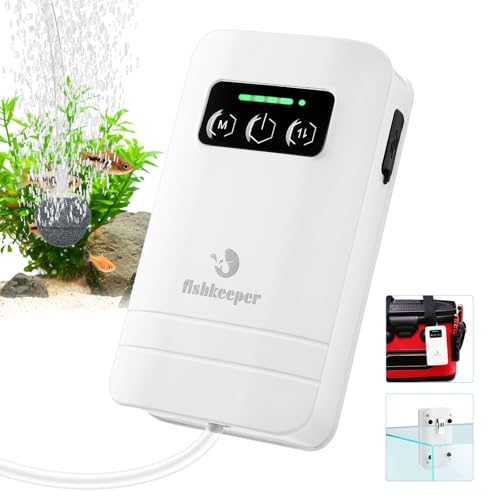
fishkeeper Rechargeable Aquarium Air Pump

CyberPower EC850LCD Ecologic UPS

Enegitech 12.8V 100Ah LiFePO4 Battery

SKE SK850 850VA/480W UPS

GOLDENMATE 1000VA/800W Lithium UPS

Enegitech 12V 20Ah LiFePO4 Battery
The Picks, Examined More Closely
This compact 12V battery suits a custom aquarium setup where space is limited and a low-noise backup is more useful than a large floor unit. Its 10Ah capacity offers a practical starting point for selected DC equipment, though the runtime still depends on your pump, heater, and lighting load.
LiFePO4 chemistry, short for lithium iron phosphate, uses a stable chemistry suited to repeated charge and discharge cycles. The stated capacity of more than 2,000 deep cycles also makes this a more practical cycling option than a typical starter lead-acid battery, especially for fish finders and small tank systems.
What Works In Its Favor
- 10Ah capacity provides useful reserve for a lightweight DC configuration.
- More than 2,000 stated deep cycles support long-term, repeated use.
- The 12V format fits common marine and portable power components.
- A lithium iron phosphate design generally reduces routine weight compared with lead-acid alternatives.
Trade Offs
- It does not supply mains voltage, so pumps and heaters may need compatible DC equipment or an inverter.
- Capacity alone does not determine runtime; high-draw heaters can consume the reserve quickly.
The Right Fit
You benefit most from this battery with a small freshwater setup using low-power DC accessories, a fish finder, or a portable aquarium package.
Another Choice May Suit
Enegitech 12.8V 100Ah LiFePO4 Battery suits you better when several aquarium components need substantial stored energy.
A power cut can turn a bubbler into your first emergency concern, especially in a densely stocked tank. The fishkeeper pump takes a direct approach: it combines a rechargeable lithium battery with a compact air pump designed for tanks up to 60 gallons, giving you essential aeration without a full UPS installation.
Unlike the Enegitech 12V 10Ah LiFePO4 Battery, this is a ready-made aquarium device rather than a generic power component. That makes setup simpler, although the pump cannot protect filters, heaters, lights, or other tank equipment.
Notable Upsides
- The stated 30 GPH airflow supports tanks ranging up to 60 gallons.
- A 2,200mAh lithium battery keeps emergency aeration compact and portable.
- IP64 water resistance offers practical protection around a wet aquarium environment.
- AC and DC operation let the pump adapt to normal power and backup power.
Worth Noting
- Runtime will vary with air stones, check valves, tubing, and water depth.
- It protects aeration only, so your filtration and temperature equipment still need a separate plan.
Made For
You get the most useful setup with a freshwater or saltwater aquarium up to 60 gallons that needs inexpensive outage support for air.
Where A Sibling Pick Shines
SKE SK850 850VA/480W UPS is the better fit for a computer-linked tank with a router, controller, heater, and other AC equipment.
The EC850LCD targets aquarium systems that depend on ordinary AC equipment. Place a filter, controller, or aquarium computer on its outlets, and a short outage can become less disruptive without building a custom battery bank.
Its simulated sine-wave output is a key compatibility detail. That waveform works with many standard network and home-office electronics, but you should check sensitive devices that specifically require a pure sine wave. Compared with the fishkeeper air pump, the CyberPower provides broader household equipment coverage, though it is less aquarium-specific.
Useful Highlights
- Standby UPS topology supplies power after an outage begins.
- Surge protection is included for connected aquarium and network equipment.
- The LCD gives you a centralized view of operating status.
- Its compact desktop format suits a cabinet near a tank controller or router.
Minor Gripes
- Simulated sine-wave output may not suit every sensitive or motorized load.
- You need to keep the unit ventilated and away from splash-prone cabinet areas.
Who It Suits Best
This UPS fits a home office or network cabinet powering a filter, controller, and router with moderate combined draw.
Consider Something Else When
GOLDENMATE 1000VA/800W Lithium UPS suits you better when longer battery life between maintenance cycles matters.
Large tanks, multiple pumps, and longer outages create a different energy requirement than a small emergency air supply. This 12.8V 100Ah battery offers far more usable capacity, making it a stronger starting point for a custom system built around an inverter, solar charging, or other DC power sources.
The intelligent battery management system, or BMS, monitors conditions such as overcharge, over-discharge, high temperature, short circuits, and over-current. Low-temperature protection also matters for boat projects and unheated storage, where charging conditions can change quickly.
Where It Excels
- 100Ah capacity supports more equipment or longer runtimes than compact batteries.
- Up to 15,000 stated deep cycles suit demanding renewable-energy applications.
- The 100A BMS adds several layers of operating protection.
- Low-temperature protection is relevant to marine and cold-environment use.
Possible Compromises
- The size and weight make installation and transport more involved.
- You still need a compatible charger, wiring, and possibly an inverter for AC equipment.
- Temperature limits mean this needs a suitable, protected installation area.
Built With In Mind
You need this capacity for a heavily equipped aquarium, marine system, RV project, or off-grid installation with several loads.
Look Elsewhere When
fishkeeper Rechargeable Aquarium Air Pump is the simpler option for one tank that only needs emergency aeration.
The SK850 fits a home office where aquarium monitoring equipment shares space with a router, NAS, or desktop. Its 850VA capacity and 480W maximum output provide a more generous starting point than a very small backup, while the LCD keeps operating information visible.
Automatic voltage regulation, commonly called AVR, adjusts the output as incoming line power fluctuates. That is useful in areas with inconsistent electrical service, although runtime still depends on the total load and the battery’s operating condition.
Where It Delivers
- 480W output supports a moderate collection of aquarium and office loads.
- AVR helps stabilize power during line-voltage changes.
- Six outlets reduce the need for multiple power strips.
- The LCD provides a useful status display for routine monitoring.
Points To Note
- Start-up power needs can exceed the stated continuous wattage for motors and compressors.
- Battery replacement is a longer-term ownership consideration after extended outage use.
Who Will Love This
This choice suits a network-connected tank with several modest AC loads in a home office or nearby cabinet.
Another Choice May Suit
CyberPower EC850LCD Ecologic UPS is the better fit when a more compact standby system and a simpler setup take priority.
The GOLDENMATE option raises the capacity ceiling for aquarium offices that need to protect more than a single controller. With 1,000VA and 800W of stated output, it can serve a mixture of network equipment and selected tank components without moving immediately into a large custom battery system.
Its LiFePO4 pack is the defining upgrade. The manufacturer states a service life above 10 years and more than 5,000 charge cycles, so this may suit you better than a conventional lead-acid UPS where long-term cycling is more important than the lowest upfront cost.
Useful Strengths
- 800W output provides useful headroom for mixed aquarium equipment.
- Lithium iron phosphate chemistry supports long service and frequent cycling.
- The 1,000VA rating suits a broader load range than compact units.
- Surge protection adds a second layer of support for connected equipment.
Details To Watch
- The larger capacity does not guarantee longer runtime with a heavy load.
- You should confirm each device’s power requirements before connection.
Right Fit For
You need a long-lived backup for a larger network, controller, heater, or other aquarium equipment sharing a home circuit.
A Better Fit Elsewhere
Enegitech 12V 10Ah LiFePO4 Battery is the better fit for a compact portable system that does not need 800W of output.
For a portable aquarium build, 20Ah sits between the Enegitech 10Ah model and the much larger 100Ah option. That middle position can provide more useful runtime without demanding the same amount of space, making it a sensible fit for a small DC pump, lighting circuit, or mobile tank setup.
The same deep-cycle emphasis carries over here. A stated lifespan of up to 10 years and more than 2,000 deep cycles make the battery relevant to solar charging and repeated use, provided the charging equipment matches its chemistry.
Notable Gains
- 20Ah capacity offers a middle ground for portable tank equipment.
- LiFePO4 chemistry supports more than 2,000 stated deep cycles.
- Solar applications can use repeated charge and discharge cycles.
- The 12V format works well with compatible DC accessories.
Some Limits To Know
- You need a LiFePO4-compatible charger rather than an unregulated lead-acid charger.
- Many aquarium heaters still require AC power or a correctly sized inverter.
Whose Shelf It Belongs On
This shelf-friendly battery suits a portable aquarium, solar-powered accessories, or a custom DC system needing more capacity than 10Ah.
Reach For A Different Pick When
GOLDENMATE 1000VA/800W Lithium UPS fits you better when you want a ready-made AC output without designing wiring and battery controls.
Choose The Backup Around Your Aquarium Load
Choosing a battery backup for an aquarium starts with the equipment you need to keep running. A small air pump, a network controller, and a heater have very different power requirements, and a compact battery may be plenty for one while falling short for the others.
Identify The Critical Load
Start with the filter, air pump, heater, controller, or lighting that matters most during an outage. Check the starting power of pumps and motors, since those devices can draw more power briefly than their normal running load. You should also list the voltage and connector requirements for each device.
Choose The Output Format
UPS systems provide a convenient AC outlet for ordinary household equipment. A LiFePO4 battery gives you flexible DC storage, but an inverter may be needed for AC loads. Dedicated air pumps are the simplest option for tanks that need one specific function covered.
Match Capacity To Runtime
Battery capacity is measured in amp-hours, or Ah, while runtime also depends on wattage and conversion losses. More capacity can support more equipment or longer operation, yet chargers, cable sizing, and installation space become more demanding as the reserve grows.
Check The Charging Situation
A battery that never reaches a useful state of charge is not dependable support. Match the charger to the battery chemistry, provide ventilation, and keep the installation protected from moisture and temperature extremes. The Enegitech batteries are 12V lithium iron phosphate models, so a compatible charger matters.
Key Details That Change Your Choice
Common Shopping Slip Ups
The biggest mistake is buying capacity by wattage alone. A large UPS can still run out quickly with a high-draw filter, and a small air pump may only cover one function. Check connectors, voltage, chemistry, and charging requirements before purchasing.
What Separates Premium From Basic
Lithium iron phosphate systems can provide longer cycle life and lighter weight than conventional lead-acid units. The added cost may suit you when the battery is used repeatedly, while a compact UPS remains more practical for occasional short outages.
Frequently Asked Questions
Can You Power an Aquarium Filter With a Battery Backup?
Yes, you can power a compatible filter from a UPS or DC system. Check voltage, connector type, startup draw, and the filter’s safe operating range first.
Do Aquarium Battery Backups Run Silently?
Many lithium battery systems operate quietly because they contain no mechanical alternator. Fans, cooling systems, or audible alarms can still produce sound.
Are LiFePO4 Batteries Suitable For Aquariums?
They can suit suitable aquarium equipment because they provide 12V power and support repeated cycles. They remain dry batteries and must stay outside the tank.
How Long Can a 10Ah Battery Run an Aquarium?
Runtime depends on the device’s wattage, battery condition, and inverter losses. A small DC pump may run much longer than a heater or filtration system with a high startup load.
Can One Backup Support Several Aquarium Devices?
You can support several devices when the battery and inverter handle their combined load. Leave capacity for startup surges and avoid exceeding the converter’s output rating.
Final Verdict
The right battery backup for an aquarium depends on the equipment you need to protect. Choose the fishkeeper air pump for basic aeration, a compact UPS for electronics, or a larger LiFePO4 battery for custom and renewable-powered systems. Match capacity to real load, confirm charging compatibility, and keep the installation safe and accessible.
