


Battery backup power emergencies call for different responses: illuminated exit routes, emergency room lighting, or portable electricity for essential devices. Homeowners, RV travelers, renters, and small offices need to match the equipment to the outage rather than assume one device handles every load. The right choice starts with runtime, output, installation, and how much space you can store. Battery backup systems provide essential support during outages, offering specialized solutions for navigation, lighting, and portable device charging.
A Quick View Of The Lineup

Sunco Red Exit Sign with Backup Battery
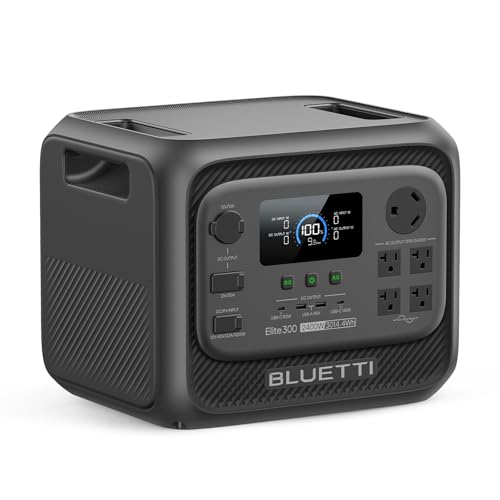
BLUETTI Elite 300 Portable Power Station 3014.4Wh

Jackery Explorer 1000 v2 Power Station 1070Wh

Sunco 6 Pack Black Exit Signs with Backup Battery

Sunco 6 Pack LED Emergency Lights 90-Minute Runtime

ECOFLOW DELTA 3 Classic 1024Wh with 220W Panel

Jackery Explorer 2000 Plus Power Station 2042Wh
A Breakdown Of The Leading Choices
A single illuminated exit sign serves a narrower purpose than a portable power station, but it addresses one critical problem with little ceremony. The red lettering and adjustable side lights give people a visible route when ordinary room lighting disappears.
For a hallway, stair landing, or compact commercial entrance, this unit may be more practical than hauling out a larger battery. In our view, households with several routes should consider the six-sign Sunco option instead.
Real-World Strengths
- Red six-inch lettering is designed for visibility from as far as 100 feet.
- Adjustable side lights direct illumination toward the surrounding escape path.
- The internal battery provides a stated 90 minutes of operation during an outage.
- Universal mounting hardware supports installation without designing a custom bracket.
Practical Considerations
- It supplies guidance and limited local lighting, not electricity for appliances or charging.
- Placement and local requirements should be reviewed before installation, particularly in a commercial setting.
Feature Snapshot
Built With In Mind
Single-exit homeowners and small storefront operators benefit from this focused form factor.
Another Choice May Suit
Sunco’s six-pack black exit signs suit properties that need illuminated guidance at several locations.
The Elite 300 changes the scale of emergency preparation by storing 3,014.4 watt-hours, a term describing the energy available in its battery. That capacity makes it more relevant to RV travel, extended outages, and households managing several essential loads.
Its compact enclosure helps offset the weight and bulk normally associated with this much storage. Compared with the Jackery Explorer 1000 v2, it offers substantially greater capacity, making it the stronger fit for sustained use away from an outlet.
Well-Handled Touches
- The 3,014.4Wh capacity suits essential electronics and selected household loads.
- A compact housing simplifies storage in an RV, utility room, or garage.
- High capacity reduces the need to conserve every watt during a longer outage.
- Portable form suits camping, travel, and home-use scenarios.
Worth Noting
- Its higher battery capacity also means more bulk to move and store.
- Runtime varies with appliance demand and operating conditions, so label wattage deserves close attention.
- Plan charging and storage around the unit’s weight, especially in an upstairs room or compact vehicle.
Technical Highlights
The Right Fit
RV households and high-consumption families gain the most from the elevated capacity.
Look Elsewhere When
The Jackery Explorer 1000 v2 offers a lighter option for campers who keep loads modest.
Camping gear becomes much more useful with real AC output, and the Jackery Explorer 1000 v2 combines 1,500 watts of continuous AC power with a 1,070Wh LiFePO4 battery. LiFePO4 describes a lithium-iron-phosphate chemistry suited to repeated charge cycles and regular travel use.
At 23.8 pounds, it remains more manageable than many home-sized stations, although it still calls for planned lifting. This balance makes it appealing for weekend camps, road trips, and moderate household outages where portability matters more than maximum storage.
The Helpful Details
- The 1,070Wh battery keeps lights, communications, and smaller electronics operational.
- A 1,500W AC output supports more than a charger-only power station.
- The foldable handle supports transport between a vehicle, campsite, and storage area.
- A stated one-hour fast charge reduces downtime during preparation.
- The 100W USB-C output offers convenient charging for compatible devices.
Small Caveats
- Its capacity is well below the BLUETTI Elite 300, making extended heavy-load use less practical.
- Owners still need to check each appliance’s startup and running wattage before connecting it.
Made For
Weekend campers, road travelers, and apartment residents benefit from the manageable capacity.
A Better Fit Elsewhere
BLUETTI’s Elite 300 suits households that prioritize longer energy storage over easier carrying.
Sunco’s six-pack shifts the exit-sign decision from a single fixture to a property-wide layout. That distinction matters in sprawling homes, apartment common areas, warehouses, and small offices with more than one route people may need to locate.
Each double-sided sign uses red six-inch lettering and adjustable lights on both faces. Compared with the single Sunco model, the main advantage is placement flexibility: six units can mark separate doors, corridors, or commercial approaches without relying on one central sign.
What Stands Out
- Six fixtures support coordinated guidance across multiple occupied locations.
- Double-sided visibility serves corridors with traffic moving in either direction.
- Adjustable side lights improve illumination around each mounting point.
- Each sign includes a backup battery with a stated 90-minute operating period.
Details To Watch
- More signs mean more mounting work and additional batteries to maintain over time.
- The signs guide movement but do not power devices or illuminate an entire building.
Quick Facts
Who Will Love This
Property managers and multi-room offices benefit from coordinated placement.
Where Another Pick Shines
The Sunco six-pack emergency lights suit spaces that need broad room lighting rather than directional signs.
These fixtures answer a different emergency-lighting need than exit signs. Instead of directing people toward an exit, each unit supplies room light, so a dark kitchen, basement, hallway, or stair area can remain navigable.
Two flood heads rotate through 360 degrees, letting you aim light toward work surfaces or along a passage. For households with several rooms, the six-unit approach is more coherent than scattering isolated battery lamps around the property.
Notable Gains
- Two-side floodlights create useful room illumination after power loss.
- 360-degree adjustment helps direct light toward stairs, counters, and doorways.
- A stated 90-minute runtime supports a defined period of movement after an outage.
- Six units provide broader coverage than a single portable lantern.
Possible Compromises
- Flood lighting does not identify the safest exit, so signs remain necessary in many buildings.
- Fixed installation makes these less convenient for moving between rooms as needs change.
- Dust the adjustable heads and check battery condition during routine seasonal maintenance.
Who Should Grab It
Homeowners with basements, long hallways, or multiple dark rooms gain the greatest benefit.
Reach For A Different Pick
Sunco’s black exit-sign pack serves people who prioritize visible directions over broad room lighting.
The included 220W solar panel gives the DELTA 3 Classic a distinct off-grid advantage over the Jackery Explorer 1000 v2 in this lineup. Solar input means a camp or cabin can replenish part of the battery without relying entirely on wall power or a vehicle connection.
Its 1,024Wh capacity closely matches the Jackery model, while 1,800 watts of continuous AC output offers room for more demanding appliances. The 45-minute charge from zero to 80% makes it particularly convenient for households that need quick turnarounds between uses.
Everyday Wins
- The 220W panel supports replenishment at campsites, cabins, and remote work areas.
- A stated 45-minute AC charge to 80% improves preparation between trips.
- 1,800W continuous output accommodates refrigerators, microwaves, laptops, and other common loads.
- Solar and wall charging make the system useful beyond emergency use.
Areas To Watch
- Solar charging depends on sunlight, placement, weather, and panel orientation.
- The 1,024Wh battery is smaller than the Jackery Explorer 2000 Plus and BLUETTI Elite 300.
Feature Facts
Perfect Match For
Van travelers and cabin occupants benefit from the included solar charging path.
Not Your Match When
Jackery’s Explorer 2000 Plus offers more stored energy for households expecting longer outages.
The Explorer 2000 Plus occupies the useful middle ground between compact camping stations and the larger BLUETTI Elite 300. Its 2,042Wh capacity provides more stored energy than the Explorer 1000 v2, while 3,000W of AC output supports heavier household and RV loads.
That balance makes it relevant to people expecting outages longer than a basic power bank can handle. You may find it less convenient to carry than the 1000 v2, yet it remains easier to manage than the Elite 300’s much larger battery compartment.
Strong Points
- The 2,042Wh battery supports sustained operation for multiple connected devices.
- 3,000W continuous output accommodates air conditioners and other higher-demand appliances.
- The midrange capacity fits RV travel and home backup without reaching the Elite 300’s footprint.
- Quiet operation supports use in sleeping areas and indoor spaces, subject to the operating mode.
Trade-Offs
- Heavier than the Explorer 1000 v2, so lifting and storage require planning.
- Runtime changes sharply with load size, especially for air-conditioning equipment.
Important Details
Whose Shelf It Belongs On
RV households and families managing larger essentials benefit from its output and capacity.
Swap It Out When
The Jackery Explorer 1000 v2 is easier to transport for basic camping and short outages.
What Matters Before You Choose Emergency Power
Start by separating route lighting from portable electricity. Exit signs and emergency lights help people move through a building, while portable power stations support communication, refrigeration, cooking, and other essential loads.
Capacity comes next. Watt-hours indicate stored energy, while continuous AC output limits how large an appliance can be. A larger battery extends potential runtime, yet appliance startup demand can reduce that duration.
Installation should follow your space. A wall-mounted sign needs a suitable surface and correct positioning, whereas portable stations need accessible storage, ventilation, and occasional charging. RV travelers also need to account for weight and the space used by a solar panel.
Common Sense Buying Choices
Mistakes Worth Dodging
Choosing by wattage alone can leave you with either insufficient runtime or excess bulk. Check capacity, continuous output, startup requirements, and the placement area as a set.
What The Extra Money Goes Into
Higher-priced portable stations often add battery capacity, stronger AC output, or faster charging. Those improvements matter when you expect larger loads or limited access to replacement power.
Frequently Asked Questions
How Long Should Emergency Battery Power Last?
Many installed emergency lights provide about 90 minutes of operation after power loss. Portable power stations run for a duration based on battery capacity, output demand, and the connected devices.
Are Portable Power Stations Suitable for Indoor Use?
Yes, subject to the manufacturer’s operating guidance and proper ventilation. Keep batteries away from moisture, combustible materials, and extreme heat.
Which Capacity Is Best for an RV?
A 2,000Wh unit offers useful support for moderate RV needs, while a 3,000Wh system suits more equipment. Choose based on your load list and available storage space.
Do Exit Signs Replace Emergency Lighting?
Exit signs direct occupants toward a route, while emergency lights illuminate the surrounding area. Buildings often benefit from both forms of backup lighting.
Final Verdict
Choose the Sunco signs or lights for physical escape routes and interior visibility. Choose a portable station for devices and essential appliances, with the Jackery models offering useful midrange options, ECOFLOW including solar charging, and BLUETTI delivering the largest capacity here. Match the equipment to your actual outage plan before storing or installing it.
