


A large television needs more than a basic surge protector during an outage. The right battery system keeps entertainment, streaming boxes, routers, and other essential equipment running long enough for everyone to finish dinner or follow the news, while portable power stations add flexibility for RV trips and emergency planning.
The choices below range from compact UPS units for computers and televisions to expandable LiFePO₄ systems for a larger home setup. Capacity, output, recharge time, and installation demands matter more than the headline wattage alone.
The Choices Worth Comparing

Litime 12V 320Ah Mini LiFePO4 Battery 2-Pack
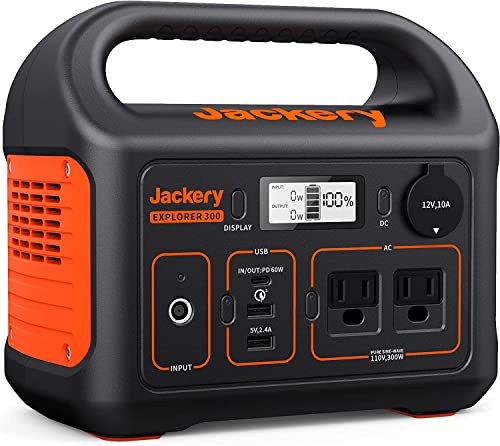
Jackery Explorer 300 293Wh Power Station

CyberPower CP1500PFCLCD PFC Sinewave UPS
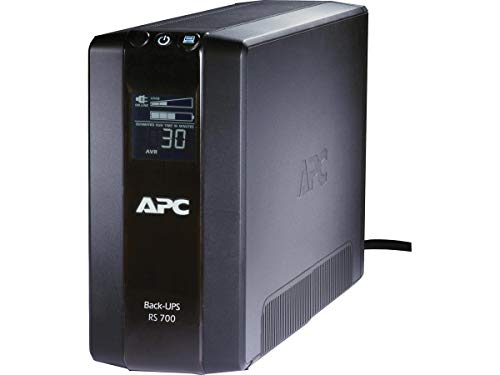
APC BR700G 700VA 420W Backup UPS

ALLWEI 2400W 2048Wh LiFePO4 Power Station
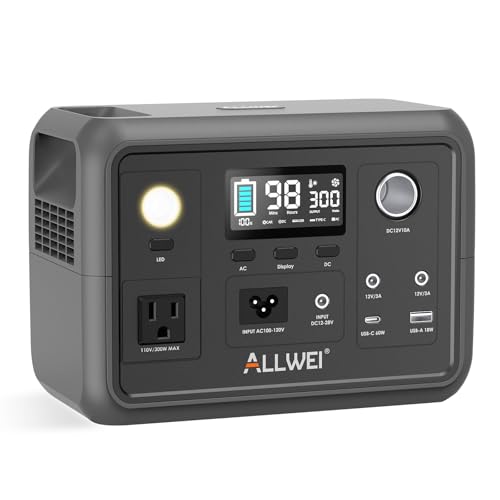
ALLWEI 300W 256Wh LiFePO4 Power Station

ALLWEI 500W 512Wh LiFePO4 UPS Power Station
A Deeper Look At The Lineup
For a large television and several connected devices, storage capacity matters as much as inverter output. The two 12V 320Ah LiFePO₄ batteries provide substantial energy storage for an RV, solar setup, or home emergency system, while the listed 2,560W peak output can cover demanding appliance loads.
Compared with the smaller portable stations later in this list, this is a fixed-installation style solution rather than a grab-and-go option. You’ll need compatible charging equipment, secure mounting, and a properly sized inverter, but that extra infrastructure can make it more suitable for keeping a living room active through a longer outage.
Advantages To Know
- Two 320Ah batteries give you more stored energy than a typical compact power station.
- LiFePO₄ chemistry suits repeated cycling and long-term stationary use better than many conventional lead-acid systems.
- The listed 2,560W peak power supports refrigerators, lighting, and other household equipment.
- A 57.3-pound weight per battery is manageable for a fixed installation, though two units require careful handling.
Room For Improvement
- This is not a plug-and-play television backup; an inverter, wiring, and charge controller may be needed.
- Two large batteries need secure placement and ventilation planning in a busy utility room.
Key Specs
Built With In Mind
This setup fits households with a large-screen TV, reliable solar charging, and room for permanent battery installation.
Where A Sibling Pick Shines
ALLWEI 2400W 2048Wh LiFePO₄ Power Station offers a more integrated setup for people who want a ready-made portable system.
The Explorer 300 is built for people who need power away from a wall outlet, and its 7.1-pound weight makes moving it between a home, campsite, and vehicle more realistic than a fixed battery bank. The 293Wh lithium-ion pack is small, but it gives you enough capacity for a television, streaming devices, lights, and other modest loads for a limited period.
Its two Pure Sine Wave AC outlets provide a cleaner alternative to basic modified-sine output, which matters for electronics with sensitive power supplies. The catch is scale: 300W continuous power is plenty for essentials, but not a refrigerator, large television system, and entertainment equipment all running at once.
Good Reasons To Consider
- Lightweight construction makes the unit practical for travel, camping, and emergency kits.
- Two AC outlets let you connect more than one device without an immediate power-strip shortage.
- Pure Sine Wave output suits sensitive electronics and compact entertainment systems.
- Charging from a wall outlet, vehicle connection, or compatible solar setup adds flexibility.
Minor Gripes
- The 293Wh capacity is limited for sustained television viewing during a long outage.
- The 300W output ceiling means large TVs, soundbars, and gaming equipment need careful load management.
- Renewed inventory can show cosmetic wear, so inspect the condition carefully.
Made For You
It suits campers, travelers, and apartment residents who need a portable reserve for a smaller TV and essential electronics.
Another Choice May Suit
ALLWEI 300W 256Wh LiFePO₄ Power Station provides a similar portable format with a different chemistry and capacity profile.
For a home office or entertainment wall, a UPS can provide a cleaner transition than a portable generator-style station. The CyberPower CP1500PFCLCD uses line-interactive protection, battery backup, and surge protection, while its color LCD gives you a quick view of operating conditions without navigating a menu blind.
Sinewave output is a meaningful feature for modern computers, networking equipment, and other devices that can be sensitive to irregular power shapes. It is not designed to run a refrigerator or power an entire home, but it can keep a TV, streaming box, modem, and computer alive through brief interruptions.
Strong Points
- Sinewave output supports sensitive electronics and active power factor correction equipment.
- The LCD panel makes battery status and operating mode easier to check at a glance.
- Surge protection adds a second layer of defense beyond simple battery backup.
- The compact tower format fits beside a desk or near an entertainment console.
Practical Considerations
- Runtime depends heavily on the size and power draw of the connected TV and devices.
- Battery-backed units need periodic testing and eventual battery replacement.
- Do not assume a UPS rating covers high-draw appliances or multiple large screens.
Feature Snapshot
The Right Fit
This UPS fits people protecting a computer, router, or modest home entertainment setup during short outages.
Consider Something Else
APC BR700G 700VA 420W Backup UPS is the simpler alternative for a smaller electronics load with fewer advanced display features.
The BR700G takes a familiar approach: protect a computer, network, or entertainment setup with a UPS that automatically takes over during an outage. Its 700VA rating and 420W maximum output make it useful for moderate electronics loads, while its rack-style enclosure works in an office, media cabinet, or small home setup.
Compared with the CyberPower CP1500PFCLCD, the APC offers less emphasis on a detailed LCD and a more straightforward backup profile. In a living room with a large television, the BR700G may still be a practical fit, provided the TV, soundbar, and streaming equipment stay within the power limit.
Where It Delivers
- 420W output covers common computers, routers, and moderate entertainment components.
- Automatic battery transfer helps equipment shut down or continue operating during brief outages.
- Surge protection guards connected equipment from utility and line-based spikes.
- The rack-oriented design is familiar in offices and technical rooms.
Things That May Matter
- The UPS is not a general-purpose battery bank for refrigerators or household appliances.
- Large-screen televisions with high power consumption can reduce runtime quickly.
- Placement near a floor or equipment rack requires cable management to keep airflow open.
At A Glance
Who Should Grab It
This model suits households wanting dependable short-term protection for a TV, router, and computer without a portable generator format.
A Better Fit Elsewhere
CyberPower CP1500PFCLCD PFC Sinewave UPS is a better fit when a detailed status display and sinewave output matter more than the simpler APC layout.
This is the most substantial home-backup option in the group, with 2,048Wh of storage and a 2,400W continuous inverter rating. That scale makes it more realistic for a large television, router, lighting, and smaller household appliances during a moderate disruption, especially for people who already plan around solar charging.
Unlike the smaller ALLWEI 300W unit, the 2400W model is intended to serve a broader load. Expansion up to 10.24kWh adds useful flexibility for households that want room to grow, though the extra size, setup, and charging requirements make it less convenient for casual travel.
Well-Handled Touches
- 2,048Wh of base capacity provides a useful reserve for a large entertainment setup.
- Pure Sine Wave AC outlets suit sensitive electronics and modern power supplies.
- Expansion capacity supports households that expect their backup needs to increase.
- The 2,400W inverter rating offers more headroom for simultaneous essential loads.
Possible Compromises
- The larger battery capacity means more charging time before a full reserve is available.
- Heavy loads still need careful sizing, especially with refrigerators and large appliances.
- The unit is less convenient than the 300W and 500W models for vehicle storage or quick deployment.
Home and RV Use
This system fits households and RV owners who need meaningful stored energy rather than only short-term electronics protection.
Look Elsewhere When
Jackery Explorer 300 is the better choice for a lightweight camping setup where portability matters more than home-scale capacity.
The 300W model occupies the middle ground between a small UPS and a larger portable station. Its 256Wh capacity is appropriate for a television, streaming equipment, router, laptop, and lighting during a short interruption, while LiFePO₄ chemistry gives you a more cycle-oriented battery format than a basic emergency lead-acid pack.
That balance is useful in an apartment, small RV, or workshop, although the 300W continuous rating remains the defining limit. For a large television, keeping the soundbar and console running at the same time may consume the available headroom, so realistic load planning matters.
Noteworthy Benefits
- LiFePO₄ chemistry supports repeated use and regular recharge cycles.
- Pure Sine Wave output is appropriate for sensitive electronics.
- The compact format is easier to store than the 2048Wh ALLWEI system.
- 300W continuous power covers essential devices without requiring a large installation.
Small Caveats
- 256Wh offers less runtime than the 512Wh and 2048Wh models.
- Large-screen televisions and high-output sound equipment can exceed practical runtime quickly.
- Charging from solar or wall power still requires planning around the unit’s remaining capacity.
Small-Space Living
This station fits apartment residents, RV travelers, and casual campers who need AC power without a large fixed battery system.
Reach For A Different Pick
ALLWEI 500W 512Wh LiFePO₄ UPS Power Station offers more capacity and output for longer outages involving a larger television.
For a large television setup that needs more endurance than a compact station, the 500W and 512Wh combination offers a sensible middle point. The LiFePO₄ battery provides repeated-cycle potential, and the UPS function makes it more appropriate for keeping essential equipment active than a basic power bank.
Compared with the ALLWEI 300W model, the extra 100W of continuous output and doubled storage capacity can make a meaningful difference in a living room with a large screen, soundbar, streaming box, and router. It remains less flexible than the 2400W system for major household loads, but the smaller footprint may fit your space better.
Positive Points
- 512Wh capacity offers longer runtime for a television and connected devices.
- 500W output provides more room for a soundbar, router, and streaming equipment.
- LiFePO₄ chemistry is well suited to regular charging and household backup use.
- The UPS format supports automatic backup behavior when paired with compatible equipment.
Points To Note
- It cannot cover large appliances or an entire home electrical system.
- Runtime changes substantially with screen brightness, audio volume, and peripheral use.
- Battery capacity should be kept partially charged during extended storage, following the manufacturer’s guidance.
Quick Facts
For Larger Entertainment Rooms
This pick suits households wanting a compact LiFePO₄ station with enough output and storage for a large TV and its essential peripherals.
Where Another Pick Suits
Litime 12V 320Ah Mini LiFePO4 Battery 2-Pack offers greater stored energy for a fixed solar installation with separate inverter hardware.
What Matters Before You Choose A Television Backup Battery
Match Output To Your TV Setup
A UPS protects a television and its connected devices during short outages, while a portable power station adds battery storage and AC output for longer use. Check the wattage of the TV, soundbar, streaming box, router, and game console before choosing a system, and leave some headroom for startup surges.
Understand Runtime Before Buying
Runtime depends on total power draw and battery capacity. A 256Wh station may suit a small screen and router, while a 512Wh model offers more room for a large television setup. High brightness, surround sound, and frequent device switching increase consumption.
Pure Sine Wave Matters For Sensitive Gear
Pure sine wave output closely resembles ordinary utility power and is useful for computers, networking equipment, and modern electronics. A UPS is more appropriate for short automatic transfers, while a portable station is better for flexible outlets and camping use.
Planning For A More Reliable TV Setup
Common Shopping Slip Ups
The most common mistake is judging only by the television’s screen size. Start with the total load, include charging time, and check whether the system transfers automatically. Make sure the TV, receiver, and router stay within the continuous power rating.
The Case For Spending Up
Higher-capacity systems cost more because they provide more stored energy, stronger inverter output, faster charging options, or expansion flexibility. That extra capability pays off for long outages, larger screens, or households that want to add appliances later; a smaller station is enough for occasional, limited use.
Frequently Asked Questions
Can A Battery Backs Up For Big Tv Power A Television Directly?
Most systems use AC outlets, so you connect the television and its peripherals as you would to a regular wall. Compatibility depends on output wattage, plug type, and whether the system supports automatic transfer.
How Long Can A Portable Power Station Run A TV?
Runtime depends on the station’s capacity and the combined draw of the TV, soundbar, streaming device, and router. A higher-wattage screen or louder audio settings shorten the available runtime.
Is A UPS Better Than A Portable Power Station?
A UPS is designed mainly for automatic protection of computers and modest electronics during brief outages. A portable station provides more flexibility for travel, camping, and longer outages, though its larger battery may take more space.
Do Large TVs Need A Pure Sine Wave Output?
Pure sine wave output is helpful for sensitive electronics and modern power supplies. It is a sensible feature to prioritize when a TV shares the system with a computer, game console, or network equipment.
Can I Use Solar Power With These Systems?
Some portable stations support solar charging, but the compatible panel and charging conditions must match the unit. A UPS generally relies on its internal battery and wall power rather than acting as a solar-charging system.
Final Verdict
The right battery backs up for a big TV depends on the outage you realistically expect. A compact UPS handles brief interruptions, a portable station adds flexibility, and a larger LiFePO₄ system supports longer use with more household equipment. Choose based on measured power draw, required runtime, available space, and how much setup you want to manage.
