


Solar storage choices range from tiny AA cells to large lithium-iron-phosphate systems, and each serves a different part of a setup. You need the right chemistry, capacity, connector, and temperature protection for a battery maintainer, garage opener, RV, cabin, or portable power station. The seven options below cover those distinct roles, including two accessories that solve narrower connection and backup-power needs rather than serving as standalone storage batteries.
A Fast Comparison Of The Options

SPARKING SAE Extension Cable 16AWG 20FT Heavy Duty Solar Trickle Charger

Eneloop BK-3MCCA6BA AA Ni-MH Batteries 6-Pack
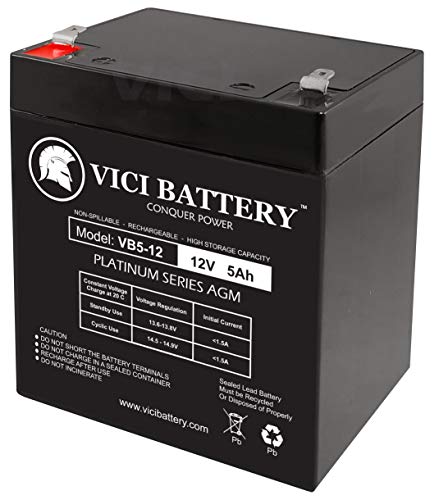
VICI VB5-12 12V 5Ah AGM Garage Door Battery

ECO-WORTHY 12V 314Ah LiFePO4 Battery 4019Wh Bluetooth 200A BMS

ECO-WORTHY EnergyRock 12V 280Ah 2-Pack LiFePO4 Battery Metal Case Bluetooth

ECO-WORTHY 12V 280Ah LiFePO4 Metal Case Battery Bluetooth 200A BMS

ZeroKor 300W Portable Solar Generator 60W Solar Panel
More Details On Our Top Picks
A panel mounted beside a truck, ATV, or lawn mower often sits farther from the battery than its original lead allows. This 20-foot SAE extension bridges that gap without adding a storage battery. It’s a cable, not a charger or battery, so it makes the most sense as part of an existing trickle-charger setup.
Unlike the Eneloop cells in the next pick, this option handles a physical connection rather than daily electronics. Its two-conductor construction and SAE quick-disconnect ends suit removable panels in outdoor equipment bays.
Useful Strengths
- The 20-foot length gives a remote solar panel more routing freedom.
- 16AWG/2C construction uses substantial conductor thickness for a 12-volt connection.
- SAE quick disconnects simplify removal and seasonal storage.
- A polarity reverse adapter supports alternate SAE connector arrangements.
Details To Watch
- This extension stores no energy by itself and needs compatible SAE-equipped components.
- Owners should route the cable away from sharp edges, moving suspension parts, and standing water.
Key Specs
Made For
This cable fits owners of motorcycles, ATVs, trucks, kayaks, sprayers, and lawn equipment with compatible SAE solar-maintainer connections.
A Better Fit Elsewhere
Eneloop BK-3MCCA6BA AA batteries suit solar charging of small household electronics rather than moving-vehicle trickle systems.
AA rechargeable cells fit a different side of solar ownership: low-power sensors, flashlights, toys, and battery-powered household tools. NiMH chemistry, short for nickel-metal hydride, supports repeated charging and common AA devices. This six-pack offers a convenient starting quantity for solar-powered accessories.
The cells arrive precharged and can be recharged as many as 2,100 cycles according to the stated specifications. They retain more usable capacity than typical disposable batteries, which makes them practical for frequently replaced equipment.
Everyday Advantages
- Up to 2,100 recharge cycles favor high-frequency use over disposable replacements.
- The six-pack keeps spare cells ready for rotation.
- Up to 2,100mAh typical capacity suits devices with moderate AA power demands.
- Factory precharging makes the set immediately usable with compatible solar chargers.
Small Caveats
- These are not designed to store substantial energy for a home or vehicle circuit.
- Solar charge time depends on panel output and charger compatibility.
- The stated 2,000mAh minimum is lower than the typical 2,100mAh capacity.
Quick Facts
Who Will Love This
These cells suit households running several AA-powered solar accessories and rechargeable devices that benefit from rotating charged batteries.
Look Elsewhere When
The VICI VB5-12 serves garage-door standby systems, not AA flashlights or solar-powered sensors.
A garage opener can draw considerable power while moving, making a small energy-storage battery a poor substitute. The VB5-12 is aimed at Chamberlain backup units with a specified 12-volt, 5Ah sealed AGM format. Its compatibility details make it a sensible replacement for the right opener models, not a general-purpose solar installation battery.
AGM means absorbent glass mat, where electrolyte is held in fiberglass material around the plates. That sealed construction reduces the routine watering associated with some flooded batteries, a practical benefit in a noisy garage.
What Pays Off
- Direct replacement alignment for Chamberlain 41A6357-1 applications.
- Listed compatibility with 4228 and 485LM opener systems.
- A sealed, maintenance-free design suits an inaccessible garage-ceiling location.
Practical Considerations
- The battery, wire harness, and mounting hardware are separate from this listing.
- Incorrect terminal or case dimensions can complicate installation, so compare the opener manual first.
Feature Snapshot
Built With In Mind
This replacement battery fits homeowners maintaining compatible Chamberlain garage openers, especially where space for a large off-grid battery is unavailable.
Another Choice May Suit
The ECO-WORTHY 12V 314Ah LiFePO4 model serves larger solar-energy storage rather than a dedicated opener backup circuit.
Large off-grid arrays need more usable capacity than the earlier AA and garage-opener picks can provide. This 12V lithium-iron-phosphate battery combines a stated 314Ah rating with 4,019Wh of stored energy. That scale makes it relevant to cabins, RVs, and home systems that need sustained overnight storage.
The listed Bluetooth connection and SOC, or state-of-charge, LEDs give you more visibility than a basic sealed lead-acid battery. Depending on your controller, you may not need the app, but the physical status display remains useful during installation.
Features That Help
- The 4,019Wh capacity reduces dependence on solar generation during extended cloudy periods.
- A 200A BMS, or battery management system, regulates pack operation and protects the battery from unmanaged charge or discharge conditions.
- Bluetooth monitoring makes remote status checks more convenient.
- Low-temperature protection adds an important layer in cold RV and cabin environments.
Trade-Offs
- Its size and weight make installation more involved than a small AA or garage battery.
- The 2026 capacity update changes the listed figure from 300Ah to 314Ah.
Essential Details
The Right Fit
This battery suits experienced solar installers or RV owners who understand 12-volt wiring and need high capacity with remote monitoring.
Reach For A Different Pick When
The EnergyRock 12V 280Ah 2-Pack offers matched batteries for systems planned around a two-battery installation.
The EnergyRock pair moves beyond the single-battery format of the VICI VB5-12 and offers considerable storage for an RV, camper, or home circuit. Two 12V, 280Ah LiFePO4 units can support a 12-volt solar architecture, subject to the controller’s charging and current settings. The matched pack also simplifies capacity planning for owners already designing around two batteries.
Its 2026 update moves the enclosure from plastic to metal, which improves structural and thermal characteristics. You may receive either of two exterior label styles, but the internal capacity and structure remain the same.
Everyday Wins
- The two-pack configuration provides 7,168Wh of listed energy when both batteries are combined at 12V.
- Metal cases add durability for mobile RV and camper use.
- Bluetooth and low-temperature protection support monitored, cold-environment operation.
Factors To Consider
- Two large batteries require secure mounting and ventilation during installation.
- The combined weight can exceed practical handling limits for ceiling or upper-shelf installations.
- Exterior labels can vary even though the internal design stays consistent.
Who It Suits Best
This pack fits RV and camper owners with secure mounting space and a solar controller designed for the connected battery capacity.
Where Another Pick Shines
The single ECO-WORTHY 12V 314Ah battery suits a system designed around one large 12-volt enclosure rather than two units.
This single 280Ah unit lands between the compact VICI VB5-12 and the 314Ah ECO-WORTHY pick. Its 3,584Wh rating supports substantial off-grid storage, while the metal case targets applications where heat resistance and physical enclosure strength matter. Cabins, campers, and trolling-motor circuits are plausible uses, provided voltage and current requirements align.
The Bluetooth interface adds remote visibility, and the listed low-temperature protection helps manage cold-weather operation. A one-touch low-current cutoff can also isolate the battery for storage or maintenance, though cable routing still deserves attention.
Strengths Worth Knowing
- 3,584Wh of capacity offers substantial runtime for a moderate 12V load.
- The 200A BMS supports controlled charging and discharge.
- A metal enclosure improves durability and heat resistance.
- Bluetooth monitoring reduces the need to access the battery for routine status checks.
Areas To Watch
- Weight and terminal clearance require planning before mounting.
- Two exterior label styles may ship, with identical internals.
Technical Reference
Made For
This model suits off-grid homeowners, campers, and anglers who want a single high-capacity battery with remote monitoring.
Swap It Out When
The EnergyRock 12V 280Ah 2-Pack is a better match for an installation already designed around two matching batteries.
A portable power station combines a rechargeable battery, inverter, outlets, and charging electronics in one package. ZeroKor pairs a 300W unit with a 60W solar panel, reducing the number of separate pieces required for a mobile setup. It fits campers, tailgates, and outdoor work areas where phones, tablets, laptops, headphones, and small camping devices need power.
The 60W panel recharges slowly compared with the station’s maximum output, so sensible load management matters. Unlike the large lithium batteries in this list, its output ceiling makes this the more convenient option for small electronics rather than household circuits.
Bright Spots
- The included 60W panel creates a more portable starting setup.
- A 300W ceiling supports several low-to-moderate electronic loads.
- Combined battery and inverter components reduce setup complexity.
Less Ideal Details
- Do not exceed 300W, particularly with heat-producing or compressor-driven appliances.
- The included panel recharges the station slowly during short trips.
Best Suited To
This station serves campers and travelers powering phones, tablets, headphones, laptops, and other compatible small electronics.
Not Your Match When
The ECO-WORTHY 12V 314Ah battery suits stationary solar storage, not compact travel electronics.
Matching Solar Batteries to Their Actual Jobs
Chemistry should follow the load. NiMH AA cells suit small rechargeable devices, while lithium-iron-phosphate, commonly abbreviated LiFePO4, works well for deeper-cycle storage. AGM remains appropriate for the specified garage-opener replacement, yet it doesn’t fit every solar system. Lead-acid, lithium, and alkaline chemistry also have different charging rules, so never combine cells with incompatible charge requirements.
Capacity and power are separate measurements. Amp-hours measure stored charge, while watts describe power at a given moment. A large battery can still struggle with an inverter demanding more current than its wiring or battery management system supports, especially during startup.
Connector fit matters as much as electrical capacity. SAE quick disconnects suit certain trickle chargers and panels, while the VICI VB5-12 uses F1 terminals. Confirm connector type, polarity, cable diameter, and the controller’s input limits before cutting or extending a lead.
Temperature and installation deserve attention too. Low-temperature protection can reduce charging under cold conditions, but it does not remove the need to keep batteries within their specified operating range. Secure heavy lithium batteries, protect terminals from moisture, and leave ventilation around electronics and chargers.
Avoiding Solar Storage Mismatches
Common Shopping Slip Ups
Capacity alone doesn’t determine compatibility. Check chemistry, voltage, terminal type, and controller limits before ordering. A larger battery that cannot be charged correctly is not an upgrade.
What The Higher Tier Buys
Higher-capacity models provide more runtime, Bluetooth monitoring, stronger enclosures, or integrated battery management. Those additions help larger systems, while a small AA device rarely needs them.
Frequently Asked Questions
What type of battery works best for solar power?
LiFePO4 batteries suit many deep-cycle applications because of their energy density and cycle-oriented construction. Smaller electronics may use NiMH cells instead.
Can Eneloop AA batteries charge from solar?
A compatible solar charger can recharge Eneloop AA cells. Charging time depends on panel output, charger control, and sunlight exposure.
Is a 12V solar battery enough for a house?
Capacity and inverter output determine the answer. A single battery may support small loads, while larger household needs typically require carefully sized banks and additional equipment.
Do solar batteries need temperature protection?
Cold and heat affect charging and storage, so temperature protection is useful for outdoor systems. The enclosure and operating climate also influence battery management.
What battery fits a Chamberlain garage opener?
The VICI VB5-12 is listed for Chamberlain 41A6357-1 replacements and compatibility with 4228 and 485LM models. Check dimensions and terminal type against your opener manual first.
Wrap Up
Choose the smallest battery format that genuinely matches your load: Eneloop cells for AA electronics, the VICI VB5-12 for its listed opener models, a portable station for travel, or ECO-WORTHY lithium-iron-phosphate models for larger storage. Match connectors, charging equipment, and mounting conditions before adding capacity, and the simpler the match, the fewer surprises your solar setup will create.
