


Choosing the wrong battery often shows up at the worst time: a dead flashlight during a power outage, a low alarm panel battery, or a remote control that stops responding mid-task. This roundup covers rechargeable AA and AAA cells, coin cells, alkaline packs, and a sealed lead-acid option for equipment that needs more substantial power. You’ll find a practical match for high-drain household devices, everyday electronics, rechargeable gear, garage-door systems, and backup applications.
How The Shortlist Stacks Up

Eneloop BK-3HCCA6BA Pro AA Ni-MH, 6-Pack

Energizer Lithium 2032 3V Batteries, 2-Pack

Duracell x Messi Coppertop AAA, 28 Count

Duracell Coppertop AA Batteries, 20-Pack

Panasonic BK-4MCCA6BA AAA Ni-MH, 6-Pack
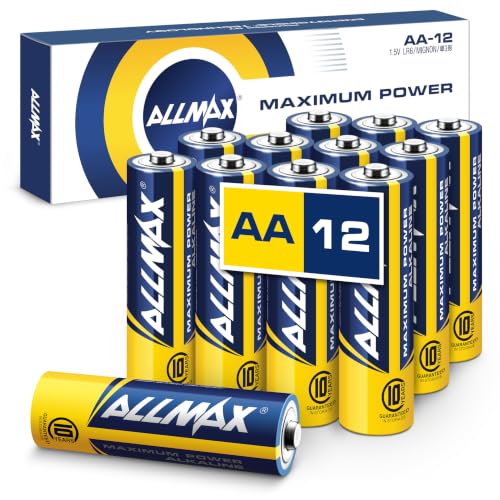
Allmax Maximum Power AA Batteries, 12 Count

Energizer EN5-12 12V 5Ah AGM Rechargeable Battery
More On The Choices That Made The List
High-drain tools and battery-powered household tools place a heavier demand on AA cells than a standard remote does. The BK-3HCCA6BA addresses that demand with nominal nickel-metal-hydride chemistry, a high-capacity design, and factory charging for immediate use.
The rechargeable format suits anyone already cycling batteries through flashlights, toys, or compact tools. Compared with the Duracell and Allmax alkaline packs later in the list, these cells trade disposable simplicity for a setup you can recharge repeatedly.
A Favorable Mix
- Typical capacity reaches 2600mAh, supporting demanding AA devices.
- Recharge cycles are rated up to 500 times for regular rotation.
- Pre-charged construction removes the setup delay.
- Six cells support devices that use multiple batteries.
Points To Note
- A compatible Ni-MH charger is needed; standard alkaline use isn’t a substitute.
- Measured capacity varies with discharge load and charging conditions.
The Numbers That Matter
Who It Suits Best
You’ll benefit most from frequent AA use across several rechargeable tools or household devices.
Where Another Pick Shines
Allmax Maximum Power AA Batteries fit situations where occasional alkaline replacement is more convenient than maintaining a rechargeable set.
A watch or small electronic device needs the exact cell shape, diameter, and voltage printed inside its compartment. This 2032 lithium coin cell fills that niche; it isn’t interchangeable with AA, AAA, or larger button cells merely because it looks similar.
The two-cell format works well for keeping a matching spare close at hand. Unlike the rechargeable options elsewhere in this list, lithium coin cells are normally replaced after service life rather than routinely recharged.
A Few Strong Suits
- The 3-volt rating fits compatible 2032-powered devices.
- Coin-cell construction suits compact watches and electronics.
- Lithium chemistry suits low-drain, long-duration use.
A Few Limitations
- Many watches use a different diameter or thickness, so size matching is essential.
- Coin cells are sensitive to heat and should remain stored in a dry location.
- Keep loose cells away from children and pets because swallowing a button cell is hazardous.
Made For
You need this format for a 2032 battery compartment in a watch or compact electronic device.
Another Choice May Suit
Energizer EN5-12 serves 12-volt equipment requiring standby power, not watches that need a coin cell.
A busy household can consume AAA cells quickly through remotes, toys, clocks, kitchen equipment, and small flashlights. This 28-cell pack reduces the likelihood of running short during a routine replacement day.
The Coppertop design carries a Messi-themed limited-edition presentation, adding visual appeal to a practical stock-up item. Unlike the Eneloop AAA pack, these are disposable alkaline cells, which keeps ownership simple at the cost of replacement purchases.
Why It Works Well
- Twenty-eight cells provide a substantial household reserve.
- AAA format serves many common remotes and battery-operated toys.
- No charger or battery rotation is required.
- The themed packaging gives practical stock a distinctive look.
Minor Gripes
- A large alkaline pack can lose shelf space in compact battery drawers.
- Dispose of used cells according to local household battery guidance.
Feature Snapshot
Built With In Mind
This pack fits households with several devices using AAA alkaline batteries and a preference for a large reserve.
A Better Fit Elsewhere
Panasonic BK-4MCCA6BA AAA Ni-MH cells suit frequent users who want a rechargeable battery inventory instead.
Clocks, remotes, flashlights, and household accessories often create a steady demand for AA cells. The 20-pack gives you enough stock to rotate devices and keep replacements accessible without managing charger compatibility.
Duralock Power Preserve is a storage-focused feature intended to help cells retain their useful state while sitting in a drawer. The tradeoff is alkaline chemistry: the cells are convenient, but they aren’t designed for routine recharging.
Useful Strengths
- Twenty AA cells cover several multi-cell devices.
- Alaline chemistry suits intermittent replacement use.
- Storage-oriented design helps maintain shelf readiness.
Practical Considerations
- Store cells away from direct heat, moisture, and metal terminals.
- Rechargeable AA equipment requires Ni-MH cells instead of Coppertop alkaline batteries.
Key Product Details
Right Fit For
You’ll appreciate this pack for maintaining a household AA reserve across several non-rechargeable devices.
Reach For A Different Pick When
Eneloop BK-3HCCA6BA Pro AA Ni-MH cells fit high-use rechargeable equipment and reduce recurring alkaline purchases.
Rechargeable AAA cells make sense across wireless peripherals, small toys, flashlights, and compact household electronics that see frequent use. These arrive pre-charged, so you can complete the first rotation without waiting through an initial charging cycle.
The BK-4MCCA6BA focuses on sustained rechargeable use rather than short disposable convenience. Compared with the Eneloop Pro AA set, it matches the smaller AAA format used by slimmer equipment and shares a similar long-cycle philosophy.
Good Reasons To Consider
- Rated for up to 2,100 recharge cycles.
- Pre-charged cells support immediate use.
- Retained charge is stated for up to ten years of storage.
- Six AAA cells cover common multi-battery peripherals.
Worth Noting
- Charging requires a compatible Ni-MH charger and correct polarity.
- Long storage claims depend on storage conditions and charge maintenance.
Core Details
Who Should Grab It
You’ll get the most value from regular AAA battery use paired with a charger you already own or plan to add.
Skip It When
Duracell x Messi Coppertop AAA cells suit occasional users who prefer replacing alkaline batteries without maintaining a charger.
For mixed AA equipment around the house, a moderate disposable reserve can be easier to manage than a large charger-based system. This 12-pack fits remotes, clocks, flashlights, and other compatible electronics without requiring battery rotation.
Allmax positions these cells for high-power delivery, although actual runtime still depends heavily on the device and its load. That makes this a sensible middle ground between the smaller 6-cell rechargeable packs and larger alkaline assortments.
Where It Excels
- Twelve cells offer enough supply for several AA devices.
- The 1.5-volt format suits standard alkaline applications.
- Disposable cells remove charging and charger-storage tasks.
Details To Watch
- Heavy-drain devices may drain these cells sooner than lower-demand electronics.
- Keep unused cells stored in a cool, dry drawer away from conductive metal.
- Alkaline batteries must not be placed in a rechargeable-only charger.
The Right Fit
You’ll appreciate this pack for maintaining a moderate AA supply across several intermittently used household devices.
Look Elsewhere When
Duracell Coppertop AA Batteries fit larger alkaline reserves, while Eneloop BK-3HCCA6BA cells suit frequent Ni-MH rotation.
A garage-door opener, alarm panel, or powered ride-on vehicle has a completely different power profile from a flashlight. The EN5-12 supplies 12 volts and a 5 amp-hour capacity, with sealed lead-acid AGM construction intended for stationary and standby equipment.
AGM, or absorbed glass mat, uses electrolyte held within the cell rather than loose liquid. That sealed design reduces routine watering and spill exposure, making upkeep more predictable than with an older vented lead-acid battery.
Noteworthy Benefits
- The 12-volt rating fits compatible garage and backup equipment.
- Five amp-hours provide greater capacity than AA or AAA cells.
- AGM construction limits routine electrolyte maintenance.
- Sealed design supports installation in enclosed storage areas.
Things To Consider
- Confirm terminal polarity, case dimensions, and charger requirements before installation.
- Standby use still benefits from periodic charge maintenance and condition checks.
- This larger rechargeable battery is unsuitable for watches, remotes, and standard AA devices.
Technical Reference
Built With In Mind
You need this battery for compatible 12-volt standby equipment with room for a full-size sealed lead-acid unit.
Consider Something Else When
Energizer Lithium 2032 batteries suit compact devices requiring a 3-volt coin cell rather than equipment powered by a 12-volt pack.
Match The Chemistry To Your Devices
Start with the size and voltage printed inside the battery compartment, because physical fit comes before chemistry. AA, AAA, 2032, and 12-volt lead-acid batteries occupy different categories and aren’t interchangeable across devices. The correct label removes guesswork before you consider runtime or recharge cycles.
Disposable Versus Rechargeable Use
Alkaline cells simplify occasional use, while Ni-MH rechargeable cells help lower recurring purchases in devices you run frequently. Ni-MH requires a compatible charger, and lithium coin cells lead-acid batteries follow separate handling and replacement practices. Choose the ownership model that matches your equipment habits.
Capacity And Device Load
Capacity indicates how much electrical charge a cell can store, but device demand determines runtime. A 2600mAh AA cell makes more sense for sustained high-drain use than for a wall clock that spends most of its life on standby. Larger-capacity options aren’t automatically better for low-power equipment.
Rechargeable Options
A proper charger matters more than the battery alone. Look for device-specific charging guidance, especially with multimodel chargers, and use matching cell chemistry and size. Avoid charging alkaline or coin cells, and confirm polarity before inserting rechargeable packs.
Common Battery Selection Traps
Mistakes Worth Dodging
Assuming all AA cells are interchangeable can leave you with the wrong chemistry or charging method. Compare the battery label with the device compartment, and don’t infer compatibility from size alone. For button cells, matching diameter and thickness is especially important.
What Separates Premium From Basic
Higher-capacity cells can help in demanding equipment, while storage-oriented chemistry and construction may improve shelf readiness. The added cost matters most when batteries see frequent use or extended storage. Low-drain devices may perform adequately with standard cells.
Frequently Asked Questions
Can AA and AAA rechargeable batteries be used together?
You can use them in different compatible devices, but their different dimensions prevent one from replacing the other. Both should only enter chargers designed for their size and Ni-MH chemistry.
How should rechargeable batteries be stored?
Keep charged cells in a cool, dry location away from direct heat and conductive metal. Periodic charging may help maintain the stated storage retention, depending on the battery instructions.
Are coin-cell batteries rechargeable?
Most 2032 lithium coin cells are disposable and must not be placed in a standard Ni-MH charger. Replace them according to the device’s guidance.
What does AGM mean in a battery?
AGM stands for absorbed glass mat and describes a sealed lead-acid construction that holds electrolyte within the cell. This design reduces routine watering compared with older vented lead-acid batteries.
Does higher battery capacity mean longer runtime?
Higher capacity can extend runtime in compatible equipment, although actual duration also depends on battery age, device demand, temperature, and cutoff behavior. Match the format and voltage before considering capacity.
Final Verdict
The right battery starts with your device, not the brand on the front. Choose Energizer Lithium 2032 cells for compatible compact electronics, an Eneloop pack for frequent rechargeable use, Coppertop or Allmax cells for disposable AA or AAA households, and the Energizer EN5-12 for compatible 12-volt standby equipment. Matching size, voltage, chemistry, and charging requirements keeps ownership straightforward.
