


A dependable sump-pump setup needs more than a working float switch. During storms, outages, and unexpectedly dry sump pits, the battery or inverter must preserve the capacity and connections that keep water moving before your primary pump takes over. The options below cover traditional deep-cycle batteries, water-powered backups, preassembled systems, monitoring controllers, and narrow-pit configurations, helping you match equipment to your basement, pit layout, and outage plan.
A Side-By-Side Look

Basement Watchdog Big Dog CONNECT BWD12-120C Backup Pump
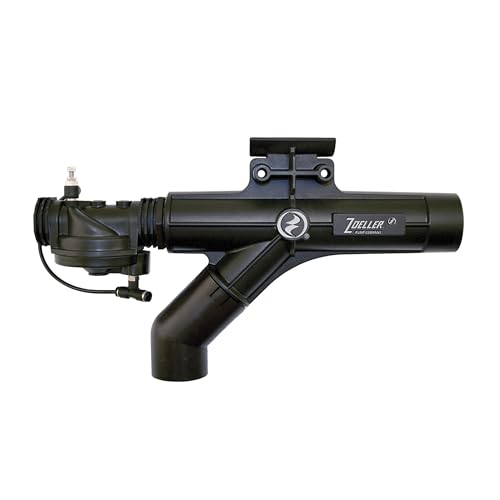
Zoeller 540 FLEX Water-Powered Backup Pump System

Casil 12V 75Ah Deep Cycle AGM Battery

Basement Watchdog CITS-50 Primary and Backup System

VUFUMSY 2500W Dual Pump Battery Backup System

Liberty Pumps 441 Battery Backup Emergency Pump

Basement Watchdog SIT-33D Narrow-Pit Pump
Inside Each Recommended Option
The Big Dog CONNECT targets basements where water can accumulate quickly and an outage leaves little margin for error. Its copper-wound motor and listed output give you meaningful pumping capacity, while the controller provides a clear central point for operating information.
For frequent storm exposure or a finished basement, remote awareness matters. A USB connection supports an optional Wi-Fi module, and the remote terminal can link with a home-security or notification system, though that module remains a separate purchase.
What Helps Most
- Listed flow reaches 3,500 gallons per hour at zero lift.
- At a 10-foot lift, output remains listed at 2,500 gallons per hour.
- Remote terminals support flexible monitoring connections.
- The user-facing control panel simplifies status checks.
Points To Note
- Remote Wi-Fi access requires the separately sold add-on module.
- Owners must keep the basin, impeller area, and float mechanism free of debris.
Quick Facts
Built With In Mind
You benefit most from this system in a high-water basement with an existing battery-backed sump-pit layout.
A Better Fit Elsewhere
Choose the Zoeller 540 FLEX instead when reliable municipal water pressure makes a nonbattery backup more attractive.
Battery aging is absent from the operating concept behind the 540 FLEX. It draws energy from the household water supply, making it useful where a storm causes an outage but leaves pressurized water available.
The approach avoids routine battery charging, although the system still depends on a dependable municipal connection. You should consider local water pressure carefully, particularly in older buildings where pressure may fluctuate.
Useful Highlights
- Operates without a stored battery or household electricity.
- Uses a listed municipal-water range of 40 to 80 psi.
- Can remove up to two gallons of pit water per gallon supplied.
- Reduces battery maintenance during extended outages.
Honest Caveats
- Low water pressure limits pumping performance.
- Installation depends on suitable plumbing and discharge configuration.
- It does not provide the same remote monitoring path as the Big Dog CONNECT.
Technical Highlights
Made For
This option suits your basement when pressurized water remains available and local plumbing can support the installation.
Consider Something Else When
The Casil 12V 75Ah Deep Cycle AGM Battery makes more sense for a compatible Wayne system that needs stored electrical power.
The Casil battery is the only standalone energy-storage option in this group. AGM means absorbed glass mat, a sealed lead-acid format that limits spill risk and removes routine electrolyte topping, making it practical in a utility room or finished basement.
Its specified compatibility with the Wayne ESP25 and WSS30V gives you a clear path for an existing installation. Large-capacity deep-cycle batteries demand more space and careful charging control, so verify those requirements before replacing a working battery.
A Favorable Mix
- The 75Ah capacity supports extended backup-power demand.
- Deep-cycle construction suits repeated discharge and recharge cycles.
- Sealed AGM construction simplifies indoor placement and upkeep.
- Compatibility is stated for two named Wayne backup-pump systems.
Trade Offs
- Compatibility is specific, so another pump may require different cables or terminals.
- Deep-cycle batteries still need periodic condition checks and suitable charging.
- A heavy battery can be awkward during installation.
Right Fit For
You get the strongest dedicated battery fit with an existing Wayne ESP25 or WSS30V backup-pump configuration.
Look Elsewhere When
The Basement Watchdog Big Dog CONNECT BWD12-120C is the better choice when you need the pump, controller, and monitoring connections together.
The CITS-50 moves beyond a single backup component by combining a primary pump, battery-backed reserve pump, and monitoring controller. Preassembly and preplumbing can shorten installation work, making the package relevant to a whole-pit replacement rather than a quick retrofit.
Its copper-wound PSC motor uses a permanent split capacitor, an electrical motor design that supports efficient starting. The backup controller monitors pump, power, and battery conditions, with optional Wi-Fi expansion available through a separate module.
What Stands Out
- Preassembled construction reduces on-site assembly work.
- The primary and backup pumps share one coordinated package.
- Monitoring covers pump, power, and battery status.
- The half-horsepower motor supports substantial primary pumping demand.
Practical Considerations
- Existing plumbing and pit dimensions still need careful checking.
- The complete system represents a larger installation than a standalone battery.
- Remote Wi-Fi features require the add-on module.
Feature Snapshot
The Right Fit
This system fits your project when you are replacing both primary and backup equipment in one coordinated installation.
Another Choice May Suit
The Liberty Pumps 441 offers a simpler alternative for an established pit that only needs a conventional 12-volt emergency pump and control panel.
Dual-pump support separates this inverter-focused system from conventional single-pump emergency units. Its stated 2,500-watt capacity is intended to operate a one-horsepower primary pump and a one-third-horsepower backup pump together during a power interruption.
The near-instant transition is useful where water levels can rise quickly, but the battery is not included. You must source a unit with suitable voltage, capacity, cable connections, and ventilation for the planned runtime.
Where It Helps
- Runs two pumps at once rather than alternating between them.
- Supports a high-output primary and smaller backup pump.
- The listed 15-millisecond transfer reduces the gap after power loss.
- A single enclosure can centralize backup power for a dual-pump layout.
Points To Keep In Mind
- The battery is sold separately.
- Runtime depends on battery capacity and both pumps’ operating demand.
- Electrical compatibility and code-compliant installation need careful attention.
Core Details
Built For
You need this configuration for an already planned dual-pump basement with appropriately sized electrical service.
Where A Sibling Pick Shines
The Casil 12V 75Ah Deep Cycle AGM Battery is more direct for a compatible Wayne installation that needs battery power without a separate inverter package.
The Liberty Pumps 441 stays close to the familiar battery-backup layout: a submersible emergency pump, an automatic level control, a battery enclosure, and a charger. That familiar arrangement can simplify planning around an existing standard sump pit.
The 12-volt pump runs from stored power, so battery age and charger condition become central to long-term reliability. The battery is not included, and the mercury-free float switch still needs periodic inspection for debris and movement.
Advantages To Know
- A 12-volt submersible pump fits common residential backup architecture.
- The automatic switch controls pump activation from water level.
- A mercury-free design avoids a mercury-containing float mechanism.
- The included charger and battery box organize the core components.
Small Limitations
- You must provide a suitably sized 12-volt battery.
- No remote monitoring connection is described.
- Submersible installation requires a watertight, accessible discharge connection.
Who It Suits Best
This pump fits your setup when you value a conventional battery-backup design and already have a suitable pit and discharge line.
Reach For A Different Pick When
The Basement Watchdog CITS-50 Primary and Backup System suits a larger renovation that needs coordinated primary and reserve equipment.
The SIT-33D addresses a different part of the flood-protection problem: the primary pump itself. Its narrow-pit design is intended for cramped basins where a larger conventional housing may not fit comfortably, making it useful during targeted primary-pump replacements.
Listed output reaches 3,720 gallons per hour at zero lift and 3,100 gallons per hour at a 10-foot lift. The cast-iron housing, copper-wound PSC motor, shaft seals, and caged dual-float switch support durability, though the protected switch still benefits from routine basin cleaning.
Notable Gains
- Compact positioning suits restricted sump pits.
- Zero-lift output reaches a listed 3,720 gallons per hour.
- The cast-iron body suits demanding wet-pit environments.
- A protective cage helps shield the dual-float mechanism.
- Two shaft seals add layered protection around the motor.
Things To Weigh
- This is a primary pump, not a battery backup system.
- A separate backup strategy is still needed for outages.
- Float-switch movement and basin debris require periodic inspection.
The Numbers That Matter
Whose Shelf It Belongs On
You need the SIT-33D for a narrow residential pit or as a primary-pump companion to a separate backup system.
Swap It Out When
The Liberty Pumps 441 Emergency Pump is the more relevant choice when your main need is stored-power backup during an outage.
Choosing Power for Your Basement
Start With Electrical Compatibility
Voltage comes first. A 12-volt battery must match the pump’s electrical requirements, while the VUFUMSY system introduces separate inverter and battery considerations. Check connector polarity, cable gauge, enclosure ventilation, and the pump manufacturer’s power recommendations before purchasing.
Deep-cycle describes a battery designed for repeated, substantial discharge rather than brief high-current bursts. That makes it more suitable than a standard starter-style battery for pumps that may run repeatedly during heavy rain.
Match the Source to the Emergency
A battery-backed pump remains independent of municipal water, but it depends on stored energy and proper charging. The Zoeller 540 FLEX reverses that relationship by using household water pressure, making it attractive only where that pressure remains dependable.
High-flow installations may benefit from dual-pump support, while standard pits can often be served by a single emergency pump. Measure available space and inspect the discharge route before selecting either arrangement.
Two Details That Change the Decision
Pitfalls Shoppers Hit
A large battery does not automatically suit every controller, and a high-wattage inverter does not guarantee adequate runtime. Compatibility matters as much as capacity. Confirm pump voltage, battery dimensions, terminal arrangement, transfer requirements, and the manufacturer’s stated charge or load limits.
What The Higher Tier Buys
Higher-capacity equipment can provide longer operating windows, coordinated monitoring, or support for more than one pump. Those additions matter during prolonged storms, remote homes, and basements where water arrives quickly. The additional equipment is most useful when your pit layout and electrical service support it.
Frequently Asked Questions
How Do I Choose a Battery for a Sump Pump?
Start with the pump’s required voltage, battery size limits, connector type, and runtime expectations. Your sump controller’s charging requirements also need to match the battery’s chemistry and capacity.
Is a Deep-Cycle Battery Better for a Sump Pump?
A deep-cycle battery is generally better suited to repeated pumping than a starter-style battery. Its construction handles sustained discharge and recharge cycles more appropriately.
Does a Water-Powered Backup Need a Battery?
The Zoeller 540 FLEX does not rely on a battery or household electricity. It requires suitable municipal water pressure, normally within its listed operating range.
How Often Should a Sump Battery Be Inspected?
Inspect it periodically for swelling, corrosion, loose terminals, and lost capacity. Testing under load provides a better indication of condition than visual appearance alone.
Can One Battery Run Two Sump Pumps?
Only with compatible voltage, capacity, and charging equipment. The VUFUMSY Dual Pump Backup System is designed for two pumps, and its separate battery must be sized for the combined load and desired runtime.
Final Verdict
Your strongest choice depends on the system you already own. Casil fits compatible Wayne pumps, Zoeller suits homes with dependable water pressure, and the Basement Watchdog systems cover monitored, assembled, or compact pumping configurations. Match the electrical source, pit dimensions, and outage strategy before choosing.
