


Choosing an RV battery means balancing usable capacity with physical fit, charging requirements, and the loads you actually need to power. Lithium iron phosphate chemistry offers substantial energy density and a lighter alternative to lead-acid designs, while AGM remains a practical choice for conventional vehicle starting and dual-purpose electrical systems. This roundup covers options for travel trailers, motorhomes, boats, cabins, trolling motors, and off-grid storage.
A Snapshot Of The Selections

Litime Group 27 12V 100Ah Bluetooth Battery

UPLUS AGM-L55-UP Group 34/24 Battery
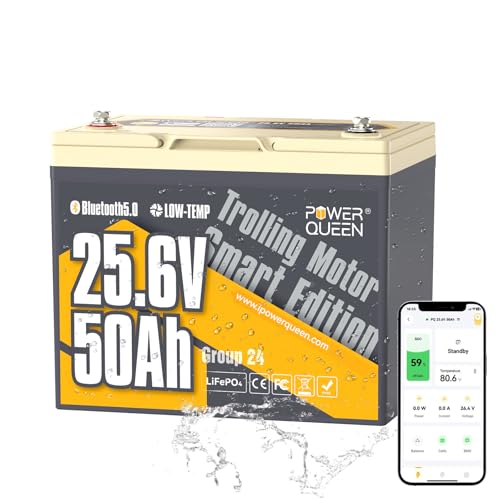
Power Queen 24V 50Ah Bluetooth Battery

Renogy Group 24 12V 100Ah Bluetooth Battery

Renogy 12V 100Ah DuoHeat Mini Battery
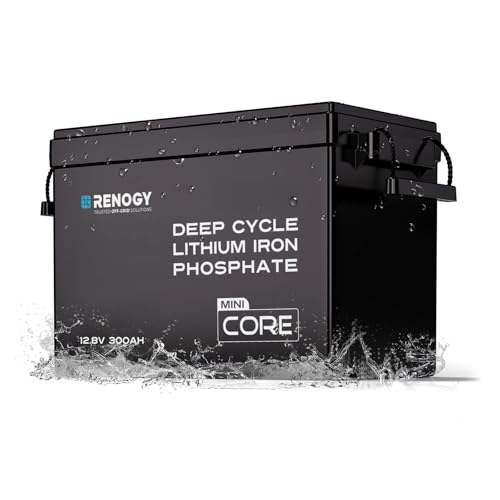
Renogy 12V 300Ah Mini LiFePO4 Battery

Interstate 12V 70Ah Group 24 AGM Battery
More Details On Our Top Picks
The Group 27 format makes this a natural fit for many travel-trailer compartments, while Bluetooth 5.0 adds visibility into charge status through the LiTime app. A 12V 100Ah lithium iron phosphate battery gives you usable capacity for lighting, pumps, electronics, and other onboard loads without the full footprint of a lead-acid bank.
Compared with the UPLUS AGM-L55-UP Group 34/24 Battery, the LiTime model is aimed more at deep-cycle storage than engine starting. You still need to measure your bay and confirm terminal clearance before ordering.
What Pays Off
- Bluetooth monitoring helps you check state of charge without approaching the battery.
- Group 27 sizing suits selected RV installations and common battery compartments.
- 1280Wh of nominal energy supports overnight trips with moderate power demand.
- Low-temperature protection and an IP65 enclosure suit exposed marine environments.
Trade Offs
- Deep-cycle lithium batteries are not a direct substitute for a starter battery unless your charging system supports lithium chemistry.
- Bluetooth adds convenience, but a compatible phone and app connection remain necessary for remote monitoring.
- Terminal orientation and cable reach should be checked before installation.
Key Product Details
Made For
You’ll find this most useful in a travel trailer with a confirmed Group 27 bay and a need for monitored house power.
Where A Sibling Pick Shines
Power Queen 24V 50Ah Bluetooth Battery is the better fit for a 24V marine system requiring remote status checks.
AGM, or absorbed glass mat, technology seals the electrolyte inside the battery, reducing spill risk and making the unit suitable for tighter vehicle compartments. This UPLUS model uses BCI Group 24 sizing while replacing Group 34 references, so matching the physical case and terminal positions is the critical installation step.
It fits starters and auxiliary RV circuits better than the deeper-cycle LiTime Group 27 battery. You should compare your current battery’s measurements before ordering because nominal group labels do not always describe every case dimension or cable arrangement.
The Value In It
- 650CCA supports high starting-current demands in a conventional lead-acid system.
- 120-minute reserve capacity reflects a useful balance for vehicle-sized service.
- Sealed AGM construction simplifies installation and reduces liquid-spill concerns.
- Group 24 dimensions can fit common automotive-style battery trays.
Points To Note
- Lead-acid batteries are heavier than comparable lithium options, so lifting and securing the unit require attention.
- The positive terminal is on the left and negative on the right, so check your cable layout.
- AGM is a good starter battery, but it is not the same choice as a large lithium house bank.
Technical Sheet
Right Fit For
This battery suits RV owners replacing a physically matching automotive starter battery with a conventional charging system.
A Better Fit Elsewhere
Renogy Group 24 12V 100Ah Bluetooth Battery is the stronger choice for deeper trolling motor loads and lithium-based house power.
The 24V configuration makes the Power Queen battery more relevant to boats and larger systems than to a standard 12V RV compartment. Its 50Ah capacity translates to 1.28kWh nominal energy, while Bluetooth 5.0 lets you review core battery information from your phone.
That remote visibility matters on a boat, where the battery may sit below deck or inside a harder-to-access compartment. You still need to confirm the charger, inverter, and cable system are designed for a 24V lithium system.
Noteworthy Benefits
- Bluetooth 5.0 provides convenient remote monitoring in a compact electrical package.
- 24V operation can reduce current demands for a given power load in a compatible system.
- Lithium iron phosphate chemistry offers high energy density compared with lead-acid designs.
- The low-temperature protection feature is relevant for cold-water and offshore use.
Small Caveats
- 24V is a different architecture from most 12V RV installations, so the entire electrical system must be compatible.
- Bluetooth monitoring depends on phone access and signal conditions, not merely the battery’s presence.
- Marine use still requires secure mounting, corrosion-conscious connections, and suitable cable protection.
Key Attributes
Best Suited To
You’ll appreciate this battery in a 24V boat system where remote monitoring and lithium storage matter more than standard RV compatibility.
Consider Something Else When
Renogy 12V 100Ah DuoHeat Mini Battery better serves a compact 12V cabin or RV installation exposed to cold conditions.
Renogy built this 12V 100Ah Group 24 battery around high-output marine work, including trolling motor use and RV auxiliary power. A 150A continuous discharge rating gives it more headroom for demanding electronics and motor loads, while 300A surge capability is intended for short-duration starts or sudden demand.
Compared with the LiTime Group 27 battery, this model uses a different case format and emphasizes marine output. The 21.8-pound listed weight also matters when you are trying to remove battery weight from a boat or trailer.
Positive Takeaways
- 150A continuous discharge supports demanding trolling motor and accessory loads.
- Bluetooth monitoring helps you monitor charge status from the boat or RV.
- IP67 water resistance provides a useful enclosure level for exposed marine locations.
- The Group 24 case is designed to use less space than many larger Group 31 arrangements.
Honest Caveats
- Deep-cycle output does not automatically replace a dedicated starter battery in every RV design.
- High current ratings must align with your inverter, wiring, fusing, and motor controller.
- Marine installations still need regular inspection for corrosion, loose terminals, and cable chafe.
Feature Facts
Who Will Love This
This is a practical fit for boaters and RV owners who need strong 12V output, Bluetooth visibility, and a space-conscious marine case.
Another Choice May Suit
Interstate 12V 70Ah Group 24 AGM Battery is the better fit for a conventional starting-and-house system that relies on lead-acid charging.
For ice-fishing shelters, winter cabins, and cold-weather RV trips, the DuoHeat Mini battery focuses on a problem that ordinary capacity ratings do not address: keeping lithium chemistry usable in low temperatures. Its listed 110W heating system and Group 22NF format pair thermal management with a compact footprint.
Unlike the Renogy Group 24 Bluetooth Battery, this model gives up Bluetooth monitoring in favor of a smaller, heating-focused package. That trade can make sense for stationary winter setups, where heating and space matter more than phone-based monitoring.
Points In Its Favor
- DuoHeat Tech provides targeted warmth for low-temperature operating conditions.
- Group 22NF sizing helps preserve space in compact cabins and equipment bays.
- A 100A BMS manages battery protection during charging and discharge.
- The listed 5,000-plus-cycle life supports long-term deep-cycle ownership.
Worth Noting
- Heating is most relevant in cold environments and adds a feature you may not need in a mild climate.
- The listed operating range begins around -2°F, so extremely cold locations need careful review.
- Without Bluetooth, you’ll need a compatible local meter or other monitoring method for routine checks.
Feature Breakdown
Built With In Mind
You’ll find this model well suited to winter cabins, ice-fishing shelters, and cold-weather RV projects with limited compartment space.
Look Elsewhere When
Litime Group 27 12V 100Ah Bluetooth Battery makes more sense for a standard RV bay where app-based monitoring is the priority.
The 300Ah capacity makes this Renogy model a different class of battery from the other 100Ah picks here. At 55.1 pounds, it is still heavy, but the compact case and lithium construction can reduce volume compared with a large lead-acid bank. It is aimed more at cabins, off-grid systems, and stationary storage than at a single lightweight travel-trailer compartment.
The source information also notes hazardous-material transportation rules and a non-returnable status. That ownership detail deserves attention before delivery, especially in areas where local freight handling may be less convenient.
Well-Handled Touches
- 300Ah capacity provides a substantial reserve for extended off-grid power needs.
- The listed 15.12 × 7.64 × 9.96-inch case aims to make high capacity less space-hungry.
- Lithium construction provides a lighter option than a comparable lead-acid installation.
- A 200A BMS supports controlled battery management in compatible systems.
Practical Considerations
- At 55.1 pounds, installation still calls for secure mounting and safe lifting.
- The non-returnable status is important to review before ordering.
- High capacity does not remove the need for correctly sized cables, fusing, ventilation, and charging equipment.
Technical Reference
Whose Shelf It Belongs On
This battery fits cabin owners, van-dwelling DIYers, and off-grid users who need more stored energy than a typical travel trailer demands.
Reach For A Different Pick When
Power Queen 24V 50Ah Bluetooth Battery is the better match for a smaller 24V marine system with remote monitoring needs.
Interstate’s 70Ah AGM battery is a conventional lead-acid choice for marine and RV electrical compartments that need both starting support and accessory power. The dual-purpose positioning means it can serve as a cranking battery while also handling moderate trolling motor or onboard loads, which separates it from pure deep-cycle lithium models.
Unlike the Renogy Group 24 Bluetooth Battery, this AGM unit does not provide Bluetooth status tracking or a high-output lithium discharge profile. The 750CCA rating makes it more naturally suited to engine starting, while your installation still needs to match its physical case and terminal arrangement.
Notable Upsides
- 750CCA provides strong starting performance for compatible engines.
- Dual-purpose design supports cranking and moderate accessory loads.
- AGM construction contains the electrolyte and reduces spill exposure.
- Group 24 sizing is familiar in many marine and RV installations.
Things To Consider
- Lead-acid chemistry adds more weight than the lithium options in this roundup.
- Deep-cycle performance and usable capacity are less suited to extended off-grid storage than a 300Ah lithium system.
- Terminal polarity, case dimensions, and charging requirements should be verified before installation.
Specification Snapshot
Who Should Grab It
This model fits boat and motorhome owners who prefer a straightforward AGM battery for starting and moderate onboard electrical demands.
Swap It Out When
Renogy 12V 100Ah DuoHeat Mini Battery is the better choice for a space-constrained 12V installation in consistently cold conditions.
Choosing The Right RV Battery Setup
Start with the electrical task. A starter battery needs strong cranking output, while a house battery is judged mainly by usable deep-cycle capacity. Dual-purpose AGM batteries can cover both roles in a simpler installation, while lithium systems often make more sense for extended house loads and off-grid power.
Chemistry And Charging
Lead-acid batteries use a familiar charging system and can serve starting and accessory duties. Lithium iron phosphate batteries provide higher energy density and lower weight, but the charger, inverter, and wiring must be compatible with lithium charging requirements. Never connect a lithium battery to an unsuitable charging profile.
Physical Fit And Connections
Measure the compartment rather than relying on the group label alone. Compare length, width, height, terminal orientation, cable reach, and clearance around vents or moving parts. Secure the battery against movement and protect terminals from moisture and corrosion.
Capacity And Monitoring
A 100Ah battery may suit moderate overnight use, while 300Ah makes more sense for cabins, extended off-grid periods, or heavier household loads. Bluetooth monitoring helps with status checks, but it does not replace correct sizing, regular terminal inspection, and compatible charging equipment.
Common Pitfalls Before You Order
Common Shopping Slip Ups
The most common mistake is choosing by capacity while ignoring the compartment. Another is confusing a deep-cycle battery with a starter battery. Measure the case, verify terminal polarity, and confirm the charging system before making a final selection.
What The Higher Tier Buys
Higher-capacity lithium models add energy, Bluetooth visibility, self-heating, or a more compact case. Those upgrades matter for cold climates, longer off-grid use, and crowded battery compartments, while a basic AGM battery can remain sensible for conventional starting duties.
Frequently Asked Questions
Can I use a lithium battery as my RV starter battery?
You can use lithium for starting only when its cold-cranking performance, internal resistance, and charging system are designed for that role. Verify both specifications rather than assuming a deep-cycle rating is sufficient.
Do I need Bluetooth monitoring?
Bluetooth is helpful for checking charge status remotely, but it does not improve battery capacity. Local meters and charger displays can provide similar information when remote visibility is unnecessary.
Is 100Ah enough for an RV?
It depends on your daily loads and how long you need power away from shore power. Moderate overnight use may fit, while appliances, heaters, and extended off-grid periods can require more capacity.
Can I mix lithium and AGM batteries?
Mixing battery chemistries in one connected bank requires matched charging profiles and careful system design. A lithium house bank and AGM starter bank can be appropriate, but each needs its own compatible charging path.
What matters most before installation?
Measure the bay, check terminal orientation, and confirm the battery matches your charger and inverter. Secure the case and inspect cable protection before connecting anything.
Final Verdict
The right RV battery depends on whether you need starting power, deep-cycle storage, cold-weather resilience, or compact capacity. Match the chemistry and dimensions to your electrical system, then account for cable protection, charging compatibility, and secure mounting before installation.
