


IoT devices rarely fail because the electronics are weak. More often, the battery chemistry, voltage, capacity, or connection method does not match the device, and the result is an unreliable sensor or an avoidable replacement cycle. The right power setup depends on whether you monitor a greenhouse, secure a home, power a small embedded system, or run a camera across a property.
The Lineup, Simplified

FALA IOT WiFi Temperature & Humidity Sensor

KODAK AAA Alkaline Batteries 24 Pack

NPP NP12-7.5Ah 12V 7.5Ah SLA Battery

6 Pack 5V Buck Converter 3A
BEVIGOR 1.5V Lithium AA Batteries 16 Pack

BEVIGOR 1.5V Lithium AA Batteries 24 Pack

BEVIGOR 1.5V Lithium AA Batteries 8 Pack
The Strengths Of Each Pick
Environmental monitoring becomes more useful when readings arrive without a recurring service charge. The FALA IOT sensor is designed for spaces such as greenhouses, homes, cold storage areas, and RV environments, where temperature or humidity changes can affect plants, pets, stored goods, or equipment. Its compact purpose is clear: connect a sensor to a 2.4 GHz network and receive alerts without building a separate monitoring plan around it.
Compared with the loose batteries in this lineup, this unit includes the sensing and communication hardware in one package. You still need a compatible WiFi network and a suitable power arrangement, so it is not a universal battery answer for every device. For most homes and small workspaces, the convenience of remote readings outweighs the added setup.
The Upside
- Tracks both temperature and humidity from one connected sensor.
- Works without a monthly subscription.
- Alerts cover temperature and humidity changes, low battery, power loss, and offline status.
- Local sound and light alerts add a second notification path.
Things To Consider
- It connects only to 2.4 GHz WiFi networks, so a dual-band router may require a separate network or compatibility check.
- Placement affects readings, so keep the sensor away from direct sunlight, vents, and large heat sources.
At A Glance
Who It Suits Best
This sensor suits homeowners, greenhouse operators, and RV users who want remote environmental readings without a subscription.
Where Another Pick Suits Better
The BEVIGOR 1.5V Lithium AA Batteries 16 Pack is a better fit for scattered devices that need replacement cells rather than a connected environmental monitor.
AAA cells remain useful around the house because they fit so many small electronics, from remote controls and clocks to toys and compact sensors. This KODAK pack gives you 24 cells in a common 1.5V format, reducing the need to keep several partly used batteries scattered across drawers. The straightforward format is attractive for households that want a broad drawer refill rather than a specialized chemistry.
Alkaline batteries are easy to find and generally convenient for intermittent use, though they are not the natural choice for every high-drain device. You should also check the device markings, since rechargeable batteries can deliver a different voltage profile and may not be accepted by every product. For mixed household maintenance, the pack is practical and easy to rotate through.
Everyday Wins
- A 24-count pack reduces the frequency of small battery runs.
- Standard AAA sizing works across many common household devices.
- Alkaline chemistry suits devices with moderate, intermittent power needs.
- The simple pack format is convenient for drawers, kits, and travel organizers.
Minor Gripes
- These cells are not designed for the long storage profile of lithium AA batteries.
- Keep used and unused cells separate, and follow the device maker’s handling and disposal guidance.
Built With In Mind
Households managing many small electronics benefit from a broad AAA supply, especially when device requirements vary from room to room.
Consider Something Else When
The BEVIGOR 1.5V Lithium AA Batteries 24 Pack suits you better when your connected devices specifically require AA cells and long storage matters.
The NP12-7.5Ah is built for the larger part of the IoT world, where a device may need standby power rather than a coin-sized cell. A sealed lead-acid, or SLA, battery is a rechargeable battery with a fixed electrolyte design, making it suitable for alarm panels, small UPS systems, emergency lighting, solar controls, and other 12V equipment. Its 7.5Ah capacity gives connected projects more room between charging cycles than ordinary AA cells.
Unlike the FALA IOT sensor, which reports conditions directly, this battery is a power component that must be matched to the equipment around it. The listed applications include portable fish finders, small APC and Tripp Lite UPS units, alarm systems, and children’s ride-on cars using compatible 12V SLA batteries. In a garage or utility room, terminal layout and charger compatibility deserve more attention than the nominal capacity alone.
Benefits That Matter
- 12V and 7.5Ah specifications fit many common backup and control systems.
- Rechargeable construction suits standby and light cyclic use.
- Supports alarm panels, small UPS units, solar controls, and other embedded equipment.
- A single battery can serve as a practical replacement for compatible 7Ah to 8Ah SLA systems.
Practical Considerations
- It is much heavier and less convenient than AA or AAA cells.
- Confirm terminal orientation, physical dimensions, and charger requirements before installation.
- Keep the battery in a ventilated, appropriate location and follow the equipment maker’s charging guidance.
Feature Snapshot
The Right Fit
This battery fits technicians, homeowners, and tinkerers maintaining 12V alarm, solar, UPS, or other compatible embedded systems.
Another Choice May Suit
The 6 Pack 5V Buck Converter 3A is a better fit for electronics projects that need voltage regulation rather than a 12V standby battery.
A battery cannot power every connected device directly, which is where the 5V buck converter earns its place. This module turns a higher input voltage into a fixed 5V output for embedded electronics, helping keep a microcontroller, memory module, or other digital load within its expected supply range. The six-unit pack is especially useful for makers building several small boards or keeping replacement modules in the same parts drawer.
The direct PCB-mount design is the important distinction here. This is not a battery or a plug-in wall adapter, and it is not a general-purpose project enclosure. Its value comes from integration, so solder-level experience and accurate wiring matter. Compared with the NPP battery, which stores standby energy, this converter reshapes power already present in the circuit.
What Helps Most
- Converts a broader input range into a fixed 5V rail.
- Rated for 3A continuous output, with a listed 4A peak capability.
- PCB mounting supports compact embedded layouts.
- Six modules help with prototypes, repairs, and multiple board builds.
Room For Improvement
- Soldering and polarity mistakes can damage a project or connected electronics.
- The module does not provide battery storage or a complete power supply.
- Confirm the input range and load requirements against your circuit before ordering.
Core Details
Whose Shelf It Belongs On
It belongs on the workbench of electronics hobbyists building compact embedded systems with regulated 5V requirements.
Look Elsewhere When
The NPP NP12-7.5Ah 12V 7.5Ah SLA Battery better serves alarm panels, UPS units, and solar controls that need rechargeable standby power.
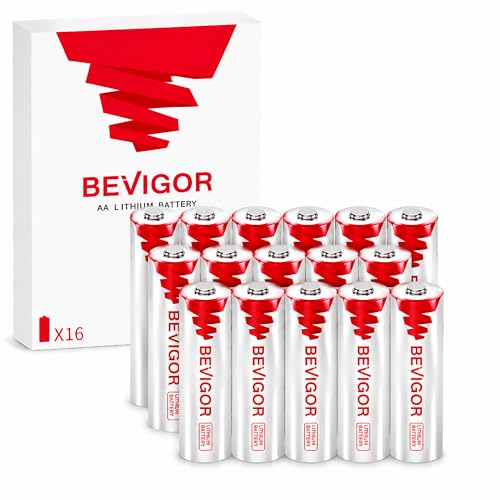
AA lithium cells make sense for devices that need dependable 1.5V power without frequent battery changes. This BEVIGOR 16-pack is listed for smart devices, cameras, flashlights, and controllers, so it fits both indoor equipment and sensors placed around a yard or workshop. The stated shelf life of up to 20 years and annual self-discharge below 1% are particularly useful for backup cells that may sit unused for months.
That storage profile does not mean every device benefits from lithium chemistry. Some products are designed for alkaline cells, and some devices may reject rechargeable lithium batteries even at the same nominal voltage. The honest fit is a device that specifically accepts 1.5V lithium AA cells and draws enough current to make their capacity worthwhile.
Noteworthy Benefits
- Provides sixteen AA cells for multi-sensor or multi-camera setups.
- Long stated shelf life helps stored emergency cells stay ready.
- 1.5V output fits many AA devices that accept lithium cells.
- Useful across cameras, flashlights, controllers, and similar equipment.
Details To Watch
- Check the device manual for battery chemistry compatibility before installation.
- Do not mix lithium cells with alkaline or rechargeable batteries in one device unless its maker permits that combination.
Quick Facts
Made For
It fits homeowners and property maintainers powering compatible AA cameras, outdoor sensors, and spare equipment held for later use.
Swap It Out When
The KODAK AAA Alkaline Batteries 24 Pack better serves mixed household devices that use AAA cells rather than AA.
The 24-pack is the practical choice when one property contains several AA-powered devices. Cameras at entry points, motion sensors in hallways, and backup equipment in a utility closet can all draw from the same storage pool without leaving you short after one replacement. Compared with the 16-pack BEVIGOR option, the extra eight cells add convenience more than a different operating concept.
BEVIGOR describes the cells as an upgraded high-capacity AA lithium format with up to 20 years of shelf life and less than 1% annual self-discharge. Those claims make stored power appealing, but device compatibility remains the deciding factor. A nominal 1.5V rating does not guarantee that every product designed for AA cells will manage lithium chemistry correctly.
Standout Benefits
- Twenty-four cells cover a broad group of AA-powered devices.
- Lithium chemistry supports long-term storage of spare cells.
- Useful for recurring replacements across cameras, sensors, and flashlights.
- Reduces the need to purchase small replacement batches repeatedly.
Possible Compromises
- The larger pack creates more unused cells for a setup needing only a few replacements.
- Compatibility varies, so inspect the original battery instructions first.
- Store cells away from heat, moisture, and conductive metal surfaces.
Best Suited To
Property owners with several compatible AA devices gain the most from this larger lithium reserve.
Where A Sibling Pick Shines
The BEVIGOR 1.5V Lithium AA Batteries 8 Pack suits you better for a small number of devices or a compact emergency kit.
Eight AA cells are enough for a focused maintenance kit rather than a whole-house inventory. You can keep this pack beside a compatible camera, put it in a drawer with flashlights, or use it to cover a couple of low-drain sensors without carrying excess cells around. The compact count is the main convenience, especially for renters, travelers, and people who replace batteries selectively.
BEVIGOR describes this lithium AA option as offering nearly 15% more capacity than standard lithium cells, alongside up to 20 years of shelf life and low annual self-discharge. Those figures suggest a useful balance between storage and sustained output, though the device’s own requirements still control the outcome. Unlike the 24-pack, this is a more manageable reserve with less unused stock.
Bright Spots
- Eight cells suit a small collection of AA-powered devices.
- Long stated shelf life helps maintain a stored spare kit.
- The pack size is easier to store than a large battery inventory.
- Useful for cameras, flashlights, and compatible home sensors.
Small Caveats
- High-drain equipment may require more frequent replacements than a larger installed power system.
- Confirm that your device accepts 1.5V lithium AA cells and follow its polarity guidance.
Who Should Grab It
This pack is a sensible fit for people maintaining one or two compatible devices who want a few dependable spare cells.
Reach For A Different Pick When
The BEVIGOR 1.5V Lithium AA Batteries 24 Pack better serves homes with many cameras or sensors that rotate through cells regularly.
What Matters Before Choosing Connected-Device Power
Choosing power for connected equipment starts with the device itself. A wireless sensor may need replaceable AA cells, while an alarm panel or solar controller may call for a rechargeable 12V SLA battery. The 5V buck converter is a different category altogether, because it regulates power for a circuit rather than storing energy.
Match the Form Factor First
Count the cells, note the required voltage, and check whether the device accepts lithium, alkaline, or rechargeable chemistry. Nominal voltage alone does not guarantee compatibility, particularly with products that use battery-management circuits. Replacing a cell with the same physical size but a different discharge profile can produce uneven results.
Choose by Operating Pattern
For a camera or motion sensor that runs continuously, battery life and low self-discharge become more important than simply buying the smallest pack. The BEVIGOR AA options make sense for compatible devices that need stored power. For standby systems, the NPP NP12-7.5Ah offers rechargeable capacity for larger equipment.
Decide Between Storage and Regulation
A battery stores energy. A buck converter changes an available supply into a fixed 5V output. The 6 Pack 5V Buck Converter 3A belongs in an electronics build where soldering and circuit design are part of the task, not in a drawer of everyday replacement cells.
Plan for the Environment
Temperature, humidity, and access affect battery life. Keep cells away from excessive heat and moisture, and place the FALA IOT sensor away from direct sun, vents, and sharp temperature swings. For equipment in a garage, workshop, greenhouse, or cold-storage area, stable placement and suitable housing matter as much as the stated battery specification.
Common Mistakes In Connected-Device Batteries
Common Shopping Slip Ups
The most common error is choosing by battery size while ignoring chemistry. A 1.5V AA cell may fit physically yet still cause compatibility problems in a device designed around alkaline or rechargeable power. Another mistake is treating a 12V SLA battery like a drop-in AA replacement, or assuming a buck converter can supply energy by itself. Check voltage, dimensions, terminals, charging method, and device-maker instructions before purchase.
What The Higher Tier Buys
A larger lithium pack primarily buys fewer replacement trips and a longer storage profile. A 24-cell BEVIGOR pack is more useful across many cameras or sensors than an 8-cell pack, while a connected monitor adds a different capability through remote readings and alerts. The extra cost is worthwhile when you have multiple devices, limited access for maintenance, or a need to keep spare cells stored for later use.
Frequently Asked Questions
Are Batteries For Iot All the Same Size?
No. IoT equipment may use AA, AAA, 12V lead-acid, built-in rechargeable cells, or other formats. Match the device’s specified size, voltage, and chemistry.
Can I Use Lithium AA Batteries in Any AA Device?
No. The physical size and 1.5V rating are only part of compatibility. Check the device instructions because some products require alkaline or rechargeable batteries.
Which Battery Fits A Solar IoT Control Box?
A rechargeable 12V SLA battery can fit many compatible control systems. Confirm the battery dimensions, terminal arrangement, voltage, and charger before installation.
Do I Need A Buck Converter With A Battery?
Sometimes. A buck converter regulates an available supply to 5V, but it does not store energy. Your circuit still needs a suitable battery or another power source.
Are Larger Battery Packs More Convenient?
For many devices, yes. A 24-cell pack reduces replacement runs, while an 8-cell pack is easier to store for a small number of devices. Choose the quantity that matches your maintenance routine.
Final Verdict
The most useful batteries for IoT depend on the system rather than the category label. Use lithium AA cells for compatible low-maintenance devices, alkaline AAA cells for mixed household equipment, and a rechargeable 12V SLA battery for compatible standby systems. The 5V buck converter belongs in a custom electronics build, while the FALA IOT sensor provides monitoring rather than replacement power. Match the electrical format first, then choose capacity and quantity around your actual setup.
