


Lithium battery costs rise quickly once you move beyond AA cells into RV, marine, solar, or backup systems. The right battery depends on voltage, usable storage, physical space, charging equipment, and how often you expect to use it, so one capacity rarely fits every setup. This guide covers practical options for everyday electronics, mobile power, and larger energy-storage systems, with compatibility details that help you avoid expensive mismatches.
A Fast Comparison Of The Options
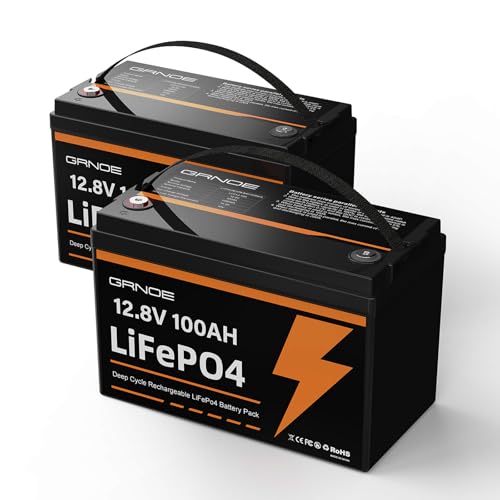
GRNOE 12V 100Ah LiFePO4 Group 31 1280Wh Battery 2 Pack

QLRR AA Lithium Batteries 3000mWh 16 Pack

Redodo 12V 100Ah Group 31
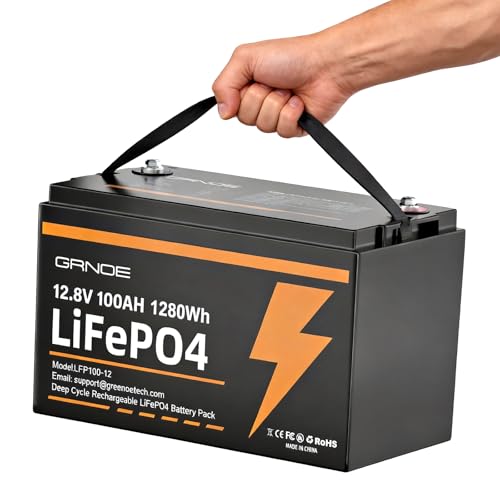
GRNOE 12V 100Ah LiFePO4 Group 31 1280Wh Battery RV Marine Home Backup

NINMAX AAA 1350mAh

BEVIGOR AA Lithium 16 Pack

GRNOE 12V 300Ah LiFePO4 3840Wh Battery 200A BMS RV Marine Solar
A Breakdown Of The Leading Choices
Two 12V batteries give RV, van, and marine installations more room to grow than a single Group 31 unit. Each battery provides 100Ah and 1,280Wh, while the built-in 100A BMS, or battery management system, helps monitor charging and discharge.
That two-battery arrangement can simplify a substantial build instead of forcing you into a different enclosure. For mobile projects, the trade-off is weight and shipping handling, so measure your compartment and confirm your electrical system before ordering.
Where It Delivers
- Two batteries provide a practical starting point for larger RV or marine banks.
- The 100A BMS supports controlled charging and discharge management.
- Series and parallel combinations expand the system as power demands grow.
- Group 31 sizing suits many common marine and mobile installations.
Practical Considerations
- Multiple heavy batteries require adequate shelving, secure mounting, and ventilation.
- Configurations beyond a direct parallel setup need compatible wiring and charge controls.
Key Specs
Built With In Mind
You benefit most from this pack with RV, marine, van, or backup experience and space for two Group 31 batteries.
Where A Sibling Pick Shines
GRNOE 12V 300Ah LiFePO4 3840Wh Battery 200A BMS RV Marine Solar suits larger solar and off-grid installations.
The scale shifts here from off-grid storage to portable AA power. Each QLRR cell supplies 3,000mWh at 1.5V, making the pack more relevant to high-drain electronics than the lighter household options later in this roundup.
Rechargeability can reduce replacement traffic for flashlights, sensors, and travel accessories, but only devices designed for 1.5V lithium cells will work properly. Check the device manual and avoid mixing these with 1.2V rechargeable nickel-metal hydride cells.
Real Benefits
- The 3,000mWh capacity favors devices with demanding power needs.
- Sixteen cells cover several devices without constant regrouping.
- Rechargeable cells suit travelers who want a reusable power reserve.
Things To Consider
- Not every AA device accepts 1.5V lithium-ion chemistry.
- A suitable lithium charger is needed; ordinary AA chargers may not be compatible.
- Labeling cells by device helps prevent mixed-voltage installation errors.
Feature Snapshot
Made For
You get the most from these cells in compatible travel gear, high-output flashlights, and frequently used electronics.
Consider Something Else When
BEVIGOR AA Lithium 16 Pack may suit households prioritizing a broad reserve of primary-style AA cells for lower-drain devices.
A single 100Ah battery gives you a cleaner starting point than the earlier two-pack, particularly in a boat or RV with one prepared Group 31 position. The LiFePO4 chemistry is designed for repeated charge and discharge cycles rather than short, high-current bursts alone.
Redodo states a low self-discharge rate of 3%, with cycle expectations varying by depth of discharge. In practice, depth of discharge means how much stored energy you use; the smaller the draw, the more capacity remains, and the more sensitive your charging setup must be.
What Makes Sense
- The 12V 100Ah rating fits many common deep-cycle applications.
- Low self-discharge supports storage during periods of limited use.
- Group 31 dimensions simplify replacement planning in compatible compartments.
Small Caveats
- Cycle figures depend heavily on depth of discharge and charging conditions.
- A lithium-compatible charger and correctly matched wiring remain necessary.
Right Fit For
Marine and RV users with one Group 31 bay benefit from the straightforward 12V, 100Ah layout.
A Better Fit Elsewhere
GRNOE 12V 100Ah LiFePO4 Group 31 1280Wh Battery RV Marine Home Backup offers more explicitly documented energy, dimensions, and weight details.
This GRNOE model supplies the same broad 12V, 100Ah foundation as Redodo, but its listed dimensions and weight make installation planning more concrete. At 12.9 by 6.7 by 8.6 inches and 22.48 pounds, it is designed to fit a Group 31 enclosure.
For a home-energy installation, charging matters more than headline capacity. The specified charger output is 14.6V within a 0.2V tolerance, and a conventional 12V charger may leave the pack incompletely charged.
Strengths Worth Knowing
- Documented Group 31 dimensions simplify enclosure checks.
- The 22.48-pound weight is manageable for a 100Ah installation.
- A 1,280Wh rating provides a clear estimate of stored energy.
- The built-in 100A BMS supports electrical management.
Details To Watch
- Charging calls for a compatible 14.6V lithium profile.
- Series-connected batteries should start fully charged with no more than 0.2V between units.
- Occasional charging every two or three months helps avoid prolonged inactivity.
The Numbers That Matter
Built With In Mind
RV, marine, trolling-motor, and home-storage users gain from the documented Group 31 footprint.
Another Choice May Suit
Redodo 12V 100Ah Group 31 fits users who prioritize documented low self-discharge and deep-cycle figures over GRNOE’s dimensional details.
AAA cells fill the gap between occasional AA use and heavier portable equipment. The NINMAX pack includes 24 cells rated at 1,350mAh and 1.5V, a useful configuration for compatible cameras, remote controls, flashlights, clocks, and similar electronics.
Unlike QLRR’s rechargeable set, this option is presented as a primary household supply. That makes storage and device compatibility easier for many homes, although 24 cells still require occasional inventory checks in an active household.
Notable Upsides
- Twenty-four cells cover many commonly used AAA devices.
- The 1,350mAh rating supports a range of moderate and high-drain equipment.
- Standard AAA dimensions make replacement straightforward in compatible products.
- The broad pack reduces the need for separate small household purchases.
Worth Noting
- Device voltage and chemistry requirements should be checked before installation.
- Long storage periods are better managed by keeping cells organized and checking charge.
Quick Facts
Who Should Grab It
Households using cameras, remotes, clocks, LED lighting, and toys gain from a convenient mixed-device AAA supply.
Reach For A Different Pick When
QLRR AA Lithium Batteries 3000mWh 16 Pack suits compatible high-drain AA devices that need rechargeable power.
BEVIGOR focuses on dependable 1.5V AA power rather than rechargeable convenience. Its 16-cell pack works well for travel accessories, household controls, and low-drain equipment kept in reserve, while its stated shelf life suits emergency drawers and luggage.
The key fit is device compatibility. Lithium AA chemistry operates at a higher nominal voltage than some rechargeable AA cells, so using the wrong type can cause reset indicators, unreliable behavior, or leakage in equipment designed for another chemistry.
What Earns Its Place
- A stated 20-year shelf life supports long-term household reserves.
- Low self-discharge helps cells remain useful during storage.
- Sixteen cells cover travel gear and everyday controls without excessive bulk.
Honest Caveats
- Confirm 1.5V lithium compatibility before replacing existing AA cells.
- Primary-style cells are not interchangeable with rechargeable AA batteries.
- Keep the pack away from heat and check for corrosion during storage.
Whose Shelf It Belongs On
Travelers, households, and emergency-kit maintainers gain from a compact reserve of 1.5V AA cells.
Another Choice May Suit
NINMAX AAA 1350mAh is the better fit for homes whose most frequently used devices take AAA rather than AA cells.
Capacity is the defining feature in this 12V 300Ah pack, which stores 3,840Wh and weighs 56 pounds. That makes it a serious option for solar storage, larger RV projects, or off-grid systems where a 100Ah battery would require more units and additional wiring.
Charging compatibility is the catch. Use a suitable solar charge controller or a lithium-compatible AC-to-DC charger, with an optimal charging current of 60A and a maximum of 100A. General-purpose or SLA chargers may not match the battery’s charging requirements.
Everyday Wins
- The 3,840Wh capacity reduces the number of batteries needed for large loads.
- A 56-pound weight remains more manageable than comparable lead-acid capacity.
- The 200A BMS supports substantial continuous discharge applications.
- Parallel and series expansion supports growing off-grid systems.
Possible Compromises
- Its size and weight require a sturdy, accessible installation area.
- Solar charging needs a compatible controller rather than direct panel connection.
- Charging current should follow the specified limits.
Core Details
The Right Fit
Solar users and off-grid hobbyists with substantial storage needs benefit from the 3,840Wh capacity.
Swap It Out When
GRNOE 12V 100Ah LiFePO4 Group 31 1280Wh Battery RV Marine Home Backup suits smaller installations where weight matters more than maximum capacity.
Matching Battery Capacity to Your Power System
Start with the load, not the battery label. AA and AAA cells suit portable devices, while 12V deep-cycle batteries support RV, marine, solar, and stationary systems. Calculate the equipment’s running and startup loads, then leave sensible headroom for conversion losses and future additions.
Chemistry And Voltage Matter
LiFePO4 is a lithium iron phosphate chemistry intended for repeated cycling, but the entire system still needs the correct charger. Record the battery’s charge voltage, maximum charging current, and continuous discharge rating. A 12V nominal label alone does not make a charger compatible.
Size And Weight Are Part Of The Decision
Group 31 dimensions simplify RV and marine installation, but capacity adds mass quickly. The 100Ah options weigh around 22 pounds each in the documented GRNOE model, while the 300Ah pack reaches 56 pounds. Measure the compartment, secure the battery, and confirm service access.
Depth Of Discharge Shapes Practical Runtime
Depth of discharge is the percentage of stored energy removed during use. Keeping deeper reserves in the battery reduces available runtime but may extend cycle life, while deeper regular use extracts more capacity and places greater demand on the system. Match your power reserve to realistic outages instead of relying only on the advertised watt-hour figure.
Avoiding Battery Compatibility Errors
Common Shopping Slip Ups
A common mistake is treating every AA cell as interchangeable, or using a 12V charger without checking its lithium profile. Another error is sizing by watt-hours while ignoring startup loads, mounting space, or the current limit of a controller. Start with the device or system requirements, then verify voltage, chemistry, terminals, and physical fit.
What The Higher Tier Buys
Higher-cost 100Ah or 300Ah batteries generally provide more stored energy, stronger current handling, or more documented controls. That spending makes sense for frequent outages, solar charging, or loads that a small AA or 100Ah setup cannot support. For occasional remotes and flashlights, extra capacity adds cost without creating much benefit.
Frequently Asked Questions
Are LiFePO4 batteries suitable for an RV?
LiFePO4 batteries suit many RV systems because they are designed for repeated deep-cycle use. You need compatible wiring, mounting space, and a charger that matches the specified charge profile.
Can I use a Group 31 lithium battery in a smaller battery box?
A Group 31 label helps narrow sizing, but you should still compare the battery’s actual length, width, and height with the box. Terminal position and cable clearance also matter during installation.
Are 1.5V lithium AA batteries rechargeable?
Not every 1.5V lithium AA battery is rechargeable. QLRR is described as rechargeable, while BEVIGOR is positioned as a primary-style lithium option, so check the battery labeling and device instructions.
How much capacity does an RV need?
Capacity depends on your appliances, operating hours, and desired reserve. Continuous loads and motor starting requirements need attention alongside the battery’s 12V rating and stored watt-hours.
What charger does a 12V LiFePO4 battery need?
Use a charger with a charge profile that matches the manufacturer’s specified voltage and current limits. A nominal 12V charger does not automatically provide the correct lithium charging process.
Final Thoughts
The practical choice depends on scale: AA and AAA cells handle everyday electronics, 100Ah Group 31 batteries suit mobile and moderate storage systems, and the 300Ah pack targets larger solar or off-grid demand. Match chemistry, charging equipment, physical space, and realistic power needs before deciding. A smaller battery that fits your system cleanly is often smarter than a larger one you cannot install or charge correctly.
