


A dependable smoke detector deserves dependable power, yet choosing the right battery is harder than grabbing the nearest pack. You need to balance chemistry, pack size, storage life, device compatibility, and replacement frequency without paying for unnecessary extras. This guide covers alkaline and lithium AA options for alarms, household electronics, flashlights, and other high-use devices, with clear trade-offs for everyday homes, renters, and people building an emergency kit.
A Quick View Of The Lineup

Rayovac High Energy AA Batteries 36 Pack

Energizer MAX AA Batteries 4 Pack

Interstate Batteries AA Alkaline Batteries 48-Pack
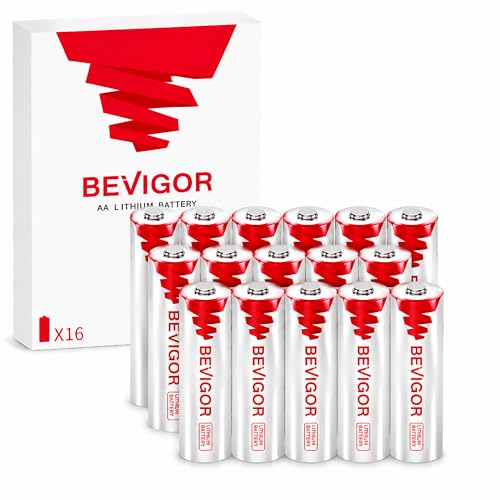
BEVIGOR 1.5V Long-Lasting Lithium AA Batteries 16 Pack

BEVIGOR Upgraded High-Capacity Lithium AA Batteries 24 Pack

BEVIGOR 1.5V Ultra Long-Lasting Lithium AA Batteries 8 Pack

PHILIPS Rechargeable AAA Lithium Batteries 8 Pack
More On The Choices That Made The List
A 36-pack gives a busy household enough alkaline cells to cover smoke detectors, flashlights, remotes, wireless mice, and toys without frequent shopping trips. Rayovac positions these batteries for high-use devices, making the pack practical for a home office or family room with several AA-powered items.
The chemistry is familiar, and Rayovac states that the batteries can hold their charge in storage for up to 12 years. That makes this a broad household reserve rather than a chemistry-specific option for electronics that explicitly call for lithium AA cells.
A Strong Showing
- Thirty-six cells suit homes with several AA-powered devices.
- Alkaline chemistry works well across common household electronics.
- The large pack reduces the need for emergency supply runs.
- Storage claims reach up to 12 years for reserve cells.
Small Caveats
- The pack may be excessive for one or two smoke detectors.
- Alkaline batteries are heavier than lithium alternatives for storage.
- Keep replacements cool and dry, and remove exhausted cells promptly.
Key Attributes
Who It Suits Best
This pack suits households that want one alkaline supply for alarms, remotes, flashlights, toys, and other frequent-use AA devices.
Where A Sibling Pick Shines
Interstate Batteries AA Alkaline Batteries 48-Pack is a better fit for you when maximizing the number of spare cells is the priority.
Four cells keep the commitment modest, which makes Energizer MAX a sensible option for a single smoke detector, a small set of remotes, or a portable household kit. Compared with Rayovac’s 36-pack, you replace fewer batteries at once but avoid carrying a much larger stock.
Energizer describes the MAX line for demanding electronics and says the cells can provide up to 50% longer use than its Eveready Gold line in those devices. Treat that as a brand-specific comparison, not a promise that every alarm will run longer.
What It Does Well
- The four-cell format matches many smoke-detector replacement cycles.
- Alkaline cells suit a broad range of household devices.
- The stated demanding-device performance targets higher-use equipment.
Trade-Offs
- You will replace the pack more frequently than a 24- or 48-cell reserve.
- The comparison with Eveready Gold does not establish compatibility with every device.
The Right Fit
Energizer MAX suits you when you prefer a small, easy-to-store replacement pack for a few essential AA devices.
Another Choice May Suit
Rayovac High Energy AA Batteries 36 Pack makes more sense for a household that wants fewer shopping trips across many rooms.
Interstate’s 48-cell count is built for stockpiling, not just a quick alarm replacement. You can cover several smoke detectors, baby monitors, digital cameras, clocks, flashlights, toys, and remote controls, which makes it useful for a larger home or a household that prefers one annual battery refill.
The stated shelf life is seven years at 68°F, or 20°C, and the batteries are listed at 1.5 volts. Storage conditions matter, so keep spare cells away from high heat and humidity rather than leaving the entire pack in a garage.
Where It Helps
- Forty-eight cells create a substantial reserve for many AA devices.
- The stated seven-year shelf life supports planned storage.
- One reserve can serve alarms, cameras, toys, clocks, and remotes.
- The 1.5-volt specification matches common AA battery applications.
Details To Watch
- Large packs need a cool, dry storage location.
- The stated shelf life is tied to 68°F storage conditions.
- Alkaline cells may sit unused for years, so rotate spares when practical.
Made For
This pack is made for households that want a broad battery reserve across alarms and the many AA-powered devices gathered in busy family spaces.
A Better Fit Elsewhere
BEVIGOR 1.5V Long-Lasting Lithium AA Batteries 16 Pack may suit you better when low weight and long shelf storage matter more than one large alkaline pack.
Lithium chemistry changes the storage equation. BEVIGOR’s 16 lithium AA cells are aimed at devices such as Blink cameras, trail cameras, flashlights, and gaming controllers, making them more compelling for equipment that spends time idle before use.
The stated shelf life reaches 20 years, while annual self-discharge is listed below 1%. That storage profile is useful for emergency kits, yet you still need to check the device manual because a camera’s battery instructions take priority over the chemistry on the package.
A Favorable Mix
- Lithium cells suit long periods between uses.
- The listed shelf life reaches 20 years.
- The 1.5-volt output fits many common AA battery compartments.
- The pack targets cameras, controllers, and flashlights.
Possible Compromises
- Lithium chemistry may cost more upfront than alkaline cells.
- Some devices may specify alkaline chemistry or rechargeables instead.
- Store the pack dry and separate from loose metal objects.
Built With In Mind
This lithium set suits you when you maintain cameras, trail cameras, flashlights, and other AA devices that may sit unused for long stretches.
Where A Different Pick Fits Better
Energizer MAX AA Batteries 4 Pack is the simpler choice for a home that prefers standard alkaline cells in a small replacement pack.
The 24-pack sits between BEVIGOR’s smaller lithium sets and the large alkaline reserves on this list. It makes sense for a household that wants fewer spare batteries but still needs enough cells for several devices, particularly ones with heavier power demands.
BEVIGOR describes this as an upgraded 1.5-volt lithium line with up to 20 years of shelf life and less than 1% annual self-discharge. Those figures make it appealing for emergency storage, while the high-capacity positioning is more relevant to demanding electronics than to every low-draw clock or remote.
The Good Stuff
- Twenty-four cells provide a useful middle-sized lithium reserve.
- The stated shelf life reaches 20 years.
- Annual self-discharge is listed below 1%.
- The pack supports a mix of emergency supplies and electronics.
Points To Note
- Compatibility remains device-specific.
- Lithium cells are not automatically interchangeable with rechargeables.
- Keep unused cells in their original packaging and dry storage.
Essential Details
Who Will Love This
This set appeals to people who want lithium storage life and a moderate reserve for several AA-powered household devices.
Swap It Out When
Interstate Batteries AA Alkaline Batteries 48-Pack is the better fit for you when lower upfront cost and a much larger alkaline reserve matter most.
Eight cells provide a compact lithium option for two devices, a small emergency reserve, or a household that dislikes keeping loose batteries scattered around. Compared with BEVIGOR’s 24-pack, this set offers the same broad chemistry direction with less storage space to manage.
The listed capacity upgrade is nearly 15% above standard lithium batteries, while shelf life reaches 20 years and annual self-discharge stays below 1%. For smoke detectors, that storage information is useful only after you confirm that the alarm permits lithium AA batteries.
Useful Touches
- Eight cells are easy to store in a drawer or small emergency kit.
- The listed capacity increase supports higher-drain devices.
- Twenty-year shelf-life positioning suits long-term storage.
Less-Strong Areas
- Eight cells may run out quickly in a busy household.
- Lithium compatibility varies by device.
- Use the device manual before replacing rechargeable or specialty cells.
Quick Facts
Best Suited To
This compact set suits you when you need lithium AA cells for a few compatible devices without stocking a large battery reserve.
Consider Something Else When
BEVIGOR Upgraded High-Capacity Lithium AA Batteries 24 Pack is more practical for you when you want a larger lithium reserve in one package.
These are AAA rechargeable lithium batteries, not AA cells, so they do not directly replace the batteries in most smoke detectors. The distinction matters because rechargeable batteries are regular part of many controllers, remotes, and household electronics, while smoke-alarm compartments often specify AA size and a particular chemistry.
PHILIPS supplies eight 1.5-volt cells rated at 1300mWh with an eight-slot Type-C charging station. That setup suits people who repeatedly use compatible AAA devices, though you need a separate AA battery choice for a detector that takes AA cells.
A Few Highlights
- Eight rechargeable cells reduce recurring purchases for compatible electronics.
- The 1300mWh rating communicates higher stored capacity than a standard AAA cell.
- The charging station provides separate slots for organized charging.
- Constant 1.5-volt output can suit compatible low-drain devices.
Practical Considerations
- AAA size makes this set unsuitable for AA smoke detectors.
- Charging takes planning compared with replacing disposable cells.
- Confirm that each device accepts rechargeable AAA batteries before use.
Technical Highlights
Best Suited To
This rechargeable set suits you when your controller, remote, or other device specifically accepts 1.5-volt AAA rechargeable cells.
Where Another Pick Shines
Rayovac High Energy AA Batteries 36 Pack is the better fit for smoke detectors and other devices that specifically require disposable AA cells.
What Matters Most Before You Choose
Match the battery size first
AA and AAA are different physical sizes, and a battery that looks similar will not fit the compartment. Read the detector manual or inspect the battery door before choosing any replacement. The PHILIPS rechargeable AAA set is useful for compatible electronics, but it does not solve an AA battery requirement.
Alkaline versus lithium
Alkaline batteries are broadly familiar and often inexpensive for regular household replacements. Lithium AA cells can provide lighter weight and longer storage life, which matters for backup kits and devices used infrequently. The detector’s instructions should decide the chemistry for you.
Think about pack count
A large alkaline pack helps a household cover many rooms and devices at once. A four-cell pack is easier to store but calls for more frequent replacement. Lithium options in this lineup range from 8 to 24 cells, so pack size changes both the storage commitment and the replenishment cycle.
Check device requirements
Some alarms, cameras, toys, and flashlights are designed around alkaline cells, while others specify lithium or rechargeable chemistry. Compatibility matters more than a broad household-use description. Keep spare batteries in their original packaging and replace mixed cells only when the device manufacturer permits it.
Common Mistakes In Battery Selection
Wrong Turns To Avoid
Do not assume every AA battery suits every alarm. Check the required chemistry, polarity, and replace-all guidance in the manual. A large pack can still be the wrong purchase when your detector calls for a specific rechargeable or lithium type.
What The Higher Tier Buys
The extra spending often buys longer storage life, lighter weight, or rechargeable convenience rather than a different battery size. Lithium AA cells are most useful for long-term spares and high-drain devices, while an alkaline bulk pack favors economical replacement across many ordinary household items.
Frequently Asked Questions
Can AA batteries be used in smoke detectors?
Most smoke detectors that use AA batteries require standard AA cells, but the manual determines the permitted chemistry. Follow its instructions for alkaline, lithium, or rechargeable batteries.
Are lithium AA batteries better for smoke detectors?
Lithium cells may last longer in storage and work well in some devices, but compatibility varies. Confirm that your detector allows lithium AA batteries before replacing alkaline cells.
How often should smoke-detector batteries be replaced?
Replacement timing depends on the detector’s instructions and the chemistry you use. Replace the full set when the alarm signals low power or reaches the manufacturer’s stated interval.
Can rechargeable AAA batteries power a smoke detector?
Only a detector designed for rechargeable AAA cells can use them. Most smoke detectors use AA batteries, so a rechargeable AAA pack is not a substitute without checking the model.
How should spare batteries be stored?
Keep them in a cool, dry place inside their original packaging. Avoid extreme heat, moisture, and loose storage, and rotate older cells toward use as new replacements arrive.
Final Thoughts
For most smoke detectors, an alkaline AA pack is the simplest route, with Rayovac or Interstate offering the broadest household reserves. BEVIGOR’s lithium sets become more attractive for long-term spares and compatible high-drain electronics, while the PHILIPS rechargeable AAA pack serves a different category entirely. Match the detector manual first, then choose the pack size that fits your household’s storage and replacement habits.
