


A dependable battery matters when a smoke detector depends on it for warning you. The right 9V cell also serves carbon monoxide alarms, security sensors, clocks, radios, and other household electronics, so chemistry, capacity, storage life, and pack size deserve a closer look. The options below cover both disposable alkaline batteries and rechargeable lithium-ion models for regular maintenance. Compare the details, then match the battery to your devices and replacement routine.
A Side-By-Side Look

PHILIPS 9V Lithium Batteries 4 Pack, 1200mAh

PHILIPS 9V Alkaline Batteries 4 Pack
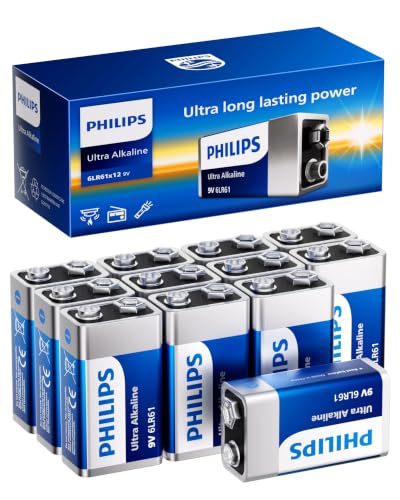
PHILIPS 9V Alkaline Batteries 12 Pack

Duracell Coppertop 9V Battery 4 Count

Rayovac High Energy 9V Batteries 4 Pack

Energizer ENE EN22 9 Volt Industrial Alkaline

LP Rechargeable 9V Batteries 2 Pack, USB-C
More Details On Our Top Picks
For households replacing several alarm batteries at once, the stated 1,200mAh capacity gives this PHILIPS lithium set a clear technical advantage over ordinary alkaline cells. Lithium chemistry can support steadier output in compatible high-drain devices, although your alarm manufacturer’s guidance remains the deciding factor.
Compared with the alkaline Philips packs later in the list, this option shifts the priority from shelf stock to energy density. It suits people managing smoke alarms, carbon monoxide detectors, or other compatible electronics who prefer fewer routine replacements.
Everyday Advantages
- The 1,200mAh rating identifies this as the highest stated capacity in the group.
- A four-pack covers several detectors without requiring separate purchases.
- Lithium chemistry targets steady energy delivery in high-drain devices.
- The non-rechargeable design avoids a charging routine for occasional replacements.
Practical Considerations
- Non-rechargeable cells still require periodic replacement and responsible disposal.
- Higher capacity does not remove the need to follow your detector’s replacement schedule.
Quick Facts
Right Fit
This set fits households with several compatible 9V devices that value stated lithium capacity and straightforward disposable maintenance.
A Better Fit Elsewhere
PHILIPS 9V Alkaline Batteries 12 Pack may suit you better when keeping numerous spare cells matters more than lithium capacity.
Storing spare alarm batteries calls for a chemistry with a long standby life, and this four-pack lists a 10-year shelf life under proper storage. Low self-discharge means the cells gradually lose less stored energy while sitting unused, a useful trait for a garage cabinet or emergency supply shelf.
The trade-off against the first PHILIPS set is chemistry: alkaline cells are disposable, while the lithium option offers a higher stated capacity. This pack remains a practical match for people who rotate alarms gradually and want fresh replacement cells ready.
What Stands Out
- The stated 10-year storage life supports long-term household backup.
- Low self-discharge helps preserve unused energy during storage.
- Four cells provide a manageable starting stock for several alarms.
- Alkaline chemistry is familiar in many smoke alarms and household devices.
Small Caveats
- Stored batteries still age, so rotate spares and inspect them periodically.
- Alkaline cells are not rechargeable and need separate disposal after use.
- The 10-year figure describes storage rather than continuous in-device service.
Made For
This pack suits households that keep replacement batteries on hand and value dependable alkaline storage characteristics.
Another Choice May Suit
LP Rechargeable 9V Batteries 2 Pack, USB-C offers a more practical fit for people who prefer recharging rather than maintaining disposable spares.
Twelve cells turn this PHILIPS pack from a small replacement set into a household stock. Its stated shelf life of up to 10 years makes it a logical fit for larger homes, landlords, or anyone maintaining numerous alarms and compatible electrical devices.
You gain quantity and storage convenience over the four-pack, but not higher capacity than the lithium option. Keep the cells in cool, dry storage and rotate older spares, particularly in a garage or utility room exposed to temperature swings.
Reasons It Performs
- Twelve batteries support broad household and property maintenance.
- The stated shelf life reduces the need for frequent emergency restocking.
- Low self-discharge helps unused cells retain their charge.
- The large quantity is convenient for synchronized replacement routines.
- Alkaline chemistry suits many standard 9V household devices.
Trade-Offs To Consider
- You may be storing more cells than a smaller household regularly uses.
- Alkaline batteries cannot be recharged, so ownership eventually includes repeated purchases.
Feature Snapshot
Whose Shelf It Belongs On
Large homes and property maintainers benefit most from having enough alkaline cells for repeated alarm and household-device changes.
A Sibling Pick Shines
PHILIPS 9V Lithium Batteries 4 Pack, 1200mAh fits fewer devices better when stated lithium capacity is your priority.
Duracell Coppertop keeps the replacement process familiar, pairing an alkaline 9V cell with a four-count pack. That makes it a sensible routine option for smoke detectors, carbon monoxide alarms, security sensors, and other compatible household equipment.
Compared with the 12-count Philips set, the smaller quantity is easier to use before stored cells age. The five-year storage claim is shorter than the Philips alkaline figure, yet plenty for a household that checks its alarm batteries on a regular schedule.
What Works In Its Favor
- Four cells cover common household alarm and sensor replacements.
- The broad device positioning suits mixed 9V equipment.
- A five-year storage claim supports routine backup planning.
- The pack size avoids an oversized spare-battery stockpile.
Points To Note
- Disposable alkaline cells add recurring replacement and disposal work.
- Its stated storage period trails the 10-year Philips alkaline sets.
Core Details
Who Will Love This
Homeowners with a few compatible alarms and a simple annual maintenance habit will find this four-pack easy to manage.
Look Elsewhere When
PHILIPS 9V Alkaline Batteries 12 Pack may suit a landlord or larger household that wants more spares with a longer stated shelf life.
Mixed-device households can put one battery type to work across alarms, wireless microphones, radios, and compatible high-use electronics. Rayovac positions these four alkaline cells as a general-purpose option, which makes the pack useful beyond routine detector maintenance.
The benefit is flexibility, not a distinctive capacity figure. Compared with PHILIPS 9V Lithium Batteries 4 Pack, 1200mAh, this set lacks a stated milliamp-hour rating in the supplied data, so you’ll base the choice on device guidance and broad household utility.
Well-Handled Touches
- Alkaline chemistry works across several common household device categories.
- Four cells provide a practical amount for mixed equipment.
- Smoke-detector support makes the pack relevant to home safety routines.
- Disposable cells remove the charging step from maintenance.
Where It May Fall Short
- No capacity figure is supplied, making comparison with the lithium pick less direct.
- Alkaline batteries must be replaced instead of recharged.
- You may eventually accumulate spare cells that have spent long periods in storage.
The Right Fit
This pack suits people who want one alkaline battery type for alarms, audio equipment, toys, and other compatible 9V devices.
Reach For A Different Pick When
PHILIPS 9V Lithium Batteries 4 Pack, 1200mAh fits you better when a stated capacity rating matters for high-drain equipment.
Heavy-use electronics give the Energizer EN22 a different angle from multi-packs aimed mainly at alarm replacement. Its industrial alkaline positioning targets dependable power for devices such as smoke alarms, radios, clocks, remote controls, flashlights, and toys.
For a workbench or mixed household device shelf, that application range is useful. The supplied listing does not state a capacity figure, so the decision still depends on the current draw of your equipment and each device maker’s battery instructions.
Good Reasons To Consider
- Industrial alkaline positioning fits frequently used devices.
- The application list includes smoke alarms and common household electronics.
- Alkaline chemistry avoids the setup required by rechargeable batteries.
- It offers a straightforward option for mixed 9V equipment.
Details To Watch
- No stated storage duration or capacity appears in the supplied details.
- High-use placement may shorten the time between replacements.
- Disposable chemistry creates ongoing purchase and disposal needs.
Technical Highlights
Built With In Mind
Workshops, hobby areas, and device-heavy homes benefit from the stated emphasis on high-use alkaline applications.
A Better Fit Elsewhere
Rayovac High Energy 9V Batteries 4 Pack may be more convenient for you when you want a four-cell pack spanning alarms and household electronics.
A built-in USB-C port changes the maintenance story entirely. These LP lithium-ion cells recharge through a USB-C power source, while an LED provides a visual charging-status check, making them appealing for people replacing the same compatible alarms regularly.
The two-cell format is smaller than most disposable sets, and the supplied description identifies 1,100mAh in the title but also refers to 1,000mAh elsewhere. Treat the title-listed 1,100mAh as the key stated figure, and confirm that your device accepts rechargeable 9V batteries before installation.
Why It Works Well
- USB-C recharging removes the need for disposable battery purchases.
- LED indicators simplify charging-status checks.
- Lithium-ion chemistry suits compatible high-drain household electronics.
- Two batteries support an alternating recharge and use routine.
Possible Compromises
- Rechargeable cells may not be compatible with every alarm or 9V device.
- You need access to a USB-C power source and must monitor charge levels.
- The two-pack offers less immediate replacement stock than the alkaline multipacks.
Key Product Details
Best Suited To
You’ll appreciate this rechargeable pair most in a home with compatible alarms and a regular replacement schedule.
Swap It Out When
PHILIPS 9V Alkaline Batteries 4 Pack is the better fit for devices that require disposable cells or households wanting longer stored spares.
Choosing a Battery That Fits Your Routine
Start with device compatibility. Some alarms and other electronics accept alkaline or lithium cells without issue, while rechargeable models may be excluded by the manufacturer. Your device documentation remains more useful than a generic category recommendation, especially when a model has unusual battery requirements.
Capacity describes how much charge a cell stores, while service life reflects how long it can power a particular device under its operating conditions. A higher milliamp-hour figure can reduce replacement frequency, but the alarm’s own requirements and usage pattern determine the practical result.
Alkaline cells suit households that want simple disposable replacements. Philips offers both four- and twelve-cell sets, with stated shelf lives of 10 years or up to 10 years for proper storage. Rechargeable lithium-ion cells make more sense for people who regularly change the same compatible devices and prefer USB-C charging.
Pack size should follow your actual inventory. Four cells suit a typical household, while 12 batteries reduce restocking frequency for larger homes or property maintenance. Keep spare cells cool and dry, rotate older stock, and replace any cell showing swelling, corrosion, or damage.
Two Details That Shape Your Choice
Common Shopping Slip Ups
Don’t assume every 9V battery works in every alarm. Rechargeable lithium-ion cells require compatibility, and disposable lithium packs differ from alkaline models. Match the voltage, connector style, chemistry, and manufacturer guidance before opening a package.
What The Higher Tier Buys
Lithium cells generally emphasize higher stated capacity, while rechargeable models emphasize repeat use through USB-C. Those features can make them worthwhile for compatible high-drain devices or frequent replacement schedules, but long storage needs may favor alkaline cells with extended shelf-life claims.
Frequently Asked Questions
Can smoke detectors use lithium 9V batteries?
Many compatible smoke detectors can use 9V lithium cells, but you should confirm the model’s instructions. Some devices require alkaline batteries or exclude rechargeable lithium-ion models.
How often should you replace smoke detector batteries?
Follow the replacement schedule in your detector’s manual and any prompts from the device. A consistent reminder helps you replace batteries on time and keep spare cells available.
Are rechargeable 9V batteries suitable for smoke detectors?
Only use a rechargeable model when the smoke detector manufacturer permits it. The LP 2-Pack requires compatible devices and USB-C charging for regular use.
Is a higher-capacity 9V battery always better?
No. Capacity is only one part of the decision, and device compatibility matters just as much. Choose the chemistry and voltage your equipment requires, then consider capacity and maintenance habits.
Should spare smoke detector batteries be replaced?
Yes, rotate old spare cells rather than keeping them indefinitely. Store replacements in a cool, dry location and inspect them for swelling, corrosion, leakage, or other damage before use.
Final Verdict
The right 9V battery comes down to your detector’s requirements, storage habits, and preferred maintenance routine. Philips lithium suits compatible high-drain devices, alkaline packs serve straightforward disposable replacement, and the LP rechargeable pair offers USB-C convenience where the device permits it. Match the chemistry first, then select the pack size and capacity that suit your home.
