


A 96r battery’s usefulness depends less on headline capacity and more on case size, terminal position, cold-cranking output, and electrical demands. The lineup here spans large LiFePO4 storage packs, compact motorcycle replacements, and high-output powersports units, so none fits every installation. You’ll need to compare physical dimensions and required cranking amps before selecting a model, particularly for touring motorcycles, ATVs, and marine equipment.
A Closer Look At The Lineup
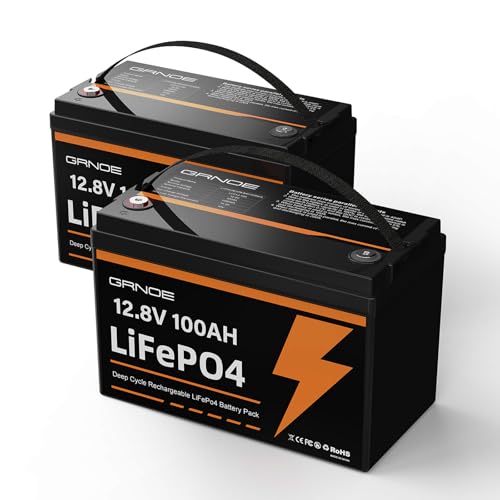
GRNOE 12V 100Ah LiFePO4 Group 31 Battery 2-Pack

WEIZE YTX9-BS 12V 8Ah AGM Motorcycle Battery
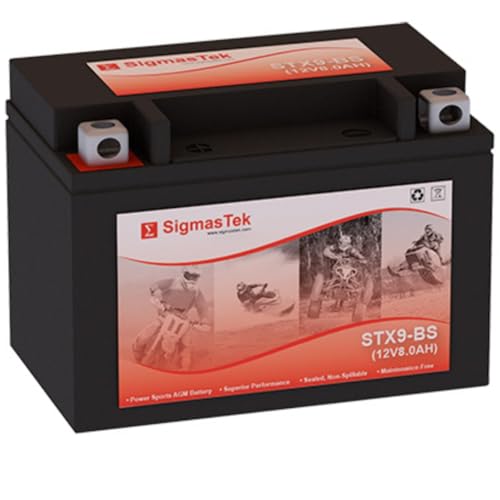
SigmasTek Deka ETX9 STX9-BS AGM Battery
Odyssey Performance Series AGM Battery

TYKOOL LFP20L-BS-PRO 12Ah Battery
TYKOOL LFP20L-BS-PRO 600CCA 12Ah Battery

TYKOOL LFP20L-BS-STD 480CCA 8Ah Battery
More Details On Our Top Picks
This two-pack targets substantial off-grid storage rather than a compact motorcycle installation. Each 12V Group 31 battery supplies 1,280Wh, so paired units can support RV equipment, marine electronics, van builds, or backup circuits that draw power away from the vehicle alternator.
You gain meaningful flexibility because multiple batteries can form larger series or parallel arrangements. The listed ceiling reaches 51.2V and 20.48kWh in a 4P4S configuration, although that scale requires matched equipment, careful wiring, and compatible charge controls.
Everyday Wins
- The 100Ah Group 31 format offers substantial capacity for sustained accessories.
- A built-in 100A BMS helps manage current within the battery system.
- Two units provide greater wiring flexibility than a single-battery setup.
- The LiFePO4 chemistry suits applications needing high usable capacity.
Things To Consider
- The weight makes this unsuitable for most motorcycle battery compartments.
- Series configurations require matched batteries and appropriately rated interconnects.
Key Specs
Made For
You benefit most from this configuration system when building a stationary power bank or upgrading a heavily equipped RV or van.
Another Choice May Suit
TYKOOL LFP20L-BS-STD 480CCA 8Ah Battery suits a much smaller powersports installation.
For a conventional YTX9-BS installation, the WEIZE model offers a familiar lead-acid format without much of the space taken by larger lithium packs. AGM, or absorbed glass mat, construction keeps the electrolyte contained, reducing routine maintenance compared with older unflooded designs.
You’ll find this format most useful in motorcycles, ATVs, scooters, personal watercraft, and other powersports machines with a matching compartment. Depending on your existing cables, terminal clearance, and engine requirements, the 5.91-by-3.43-by-4.25-inch case may install without modifications.
What Pays Off
- The 160 CCA rating supplies a strong initial burst for engine starting.
- Sealed AGM construction eliminates routine electrolyte topping.
- Compact dimensions suit many smaller motorcycle battery bays.
- Vibration resistance matters on rough roads and off-road equipment.
- The supplied model arrives charged and ready for installation.
Trade Offs
- Lead-acid chemistry remains heavier than comparable lithium options.
- Nut-and-bolt terminals require matching cable hardware and correct polarity.
Feature Snapshot
Right Fit For
You get the most logical fit with a YTX9-BS powersports application that values sealed construction and straightforward replacement.
Look Elsewhere When
SigmasTek Deka ETX9 STX9-BS AGM Battery may suit a motorcycle designed around the Deka ETX9 case.
The SigmasTek STX9-BS is tailored around the Deka ETX9 format, making case compatibility your first checkpoint. Its near-compact dimensions suit powersports compartments where a full-size touring battery would crowd the wiring, frame, or air components.
Compared with WEIZE YTX9-BS 12V 8Ah AGM Motorcycle Battery, the SigmasTek model offers a lower stated 120 CCA rating while targeting the Deka ETX9 layout. For most motorcycles with a confirmed case match, that difference matters less than correct dimensions, polarity, and sufficient output for the engine.
Practical Advantages
- Deka ETX9 compatibility offers a clear target for replacement planning.
- The 8Ah capacity suits typical motorcycle starting duties.
- AGM construction reduces routine electrolyte maintenance.
- Sealed construction handles vibration-prone powersports environments.
Small Caveats
- The listing does not provide terminal orientation, so visual comparison remains necessary.
- Small case clearances can still prevent installation despite model compatibility.
- Lead-acid weight may matter on lighter motorcycles or ATVs.
Who It Suits Best
You should prioritize this model when your motorcycle specifies the Deka ETX9 case and a compact starting battery will fit.
A Better Fit Elsewhere
WEIZE YTX9-BS 12V 8Ah AGM Motorcycle Battery offers higher stated starting output for a confirmed YTX9-BS installation.
The Odyssey Performance Series AGM is less narrowly tied to the compact motorcycle formats surrounding it. AGM construction combines sealed lead-acid handling with deep-cycle capability, which matters in vehicles that operate electronics, lighting, and accessories beyond engine starting.
You may find the four-to-six-hour recharge specification useful during planned recovery periods, assuming compatible charging equipment operates as intended. The source does not identify a case size, capacity, or CCA in the supplied listing, so you must confirm those details before ordering for a specific vehicle.
Features That Help
- Deep-cycle capability supports more than basic engine ignition.
- Stable voltage benefits accessory-heavy operating environments.
- A stated shelf life of up to two years supports planned seasonal storage.
- The AGM format avoids routine electrolyte servicing.
Worth Noting
- Exact case dimensions and terminal layout are missing from the supplied data.
- Vehicle-specific fitment requires confirmation with the listing or your equipment manual.
Important Details
Built With In Mind
This AGM format makes sense for vehicle owners who need repeated accessory discharge alongside dependable starting performance.
Where Another Pick Shines
WEIZE YTX9-BS 12V 8Ah AGM Motorcycle Battery is a clearer choice when you know the YTX9-BS case dimensions.
Lithium chemistry changes the ownership equation for large motorcycles and utility vehicles because weight matters directly to handling. At 4.2 pounds, this TYKOOL model offers a substantial reduction from many 15-pound lead-acid batteries, potentially improving maneuverability in technical terrain.
You’ll notice the appeal most on touring bikes with heavy V-twin engines or modified machinery using demanding starters. A 600 CCA rating, meaning cold-cranking amps, supports those high-load ignition systems, while the 12Ah capacity adds operating reserve beyond basic starting.
Everyday Perks
- The 600 CCA rating targets large-bore and high-torque engines.
- A 4.2-pound weight reduces carried mass in demanding terrain.
- The 12Ah capacity supports starting plus limited accessory demand.
- Lithium construction suits owners prioritizing weight reduction.
- The model targets larger motorcycle and powersports applications.
Points To Note
- Lithium cost may be harder to justify for a small commuter motorcycle.
- Case dimensions and terminal polarity still need confirmation before purchase.
Technical Highlights
Made For
Riders with large engines, modified starters, or rough terrain gain the most from the power-to-weight balance.
Reach For A Different Pick When
TYKOOL LFP20L-BS-STD 480CCA 8Ah Battery may offer a lighter option where 600 CCA is unnecessary.
Where the smaller powersports batteries focus on compact starting, this 12Ah TYKOOL targets large motorcycles and performance-oriented engines. The stated replacements include GYZ20L, GYZ20HL, and YTX20HL-BS formats, giving you several common fitment paths to investigate before installation.
The 600 CCA rating is the central attraction for big V-twins, modified starters, and demanding electrical systems. Its lithium format also carries less mass, which can make a large motorcycle feel easier to steer through slow terrain and routine garage maneuvering.
A Strong Showing
- 600 CCA targets engines with substantial starter current demand.
- 12Ah provides useful reserve for accessories and electronics.
- Lightweight lithium construction reduces unsprung and carried mass.
- The broad replacement list covers several common battery formats.
- A digital readout adds useful operating information after installation.
Potential Drawbacks
- Large-bore applications require careful charge-system compatibility checks.
- Replacement-model references do not guarantee identical terminal orientation or case clearance.
Who Will Love This
You’ll appreciate the output-to-weight balance on a touring cruiser, big-bore V-twin, or performance motorcycle.
Consider Something Else When
Odyssey Performance Series AGM Battery fits owners who prioritize sealed deep-cycle operation over lithium weight reduction.
The TYKOOL STD model occupies the middle ground between compact AGM replacements and the higher-output 12Ah lithium model. Its 480 CCA rating provides meaningful cranking capacity for large V-twin engines, while 8Ah keeps the package focused primarily on starting.
At 3.3 pounds, it offers a strong weight reduction for motorcycles, ATVs, UTVs, and personal watercraft. You should still compare the 6.89-by-3.43-by-6.10-inch case with your compartment, particularly on a touring motorcycle where battery location affects weight distribution.
What Stands Out
- The 480 CCA rating supports large-engine starting demands.
- A 3.3-pound weight suits weight-conscious powersports applications.
- The 8Ah capacity provides a practical starting-focused reserve.
- Digital monitoring gives you visible battery information.
- Compatibility references cover several common powersports formats.
Less-Strong Areas
- The 8Ah capacity is lower than the 12Ah TYKOOL alternatives.
- Height can be restrictive under a touring seat or inside a crowded battery tray.
Core Details
The Right Fit
You’ll find this format useful for large powersports engines that need strong cranking output without the added capacity of a 12Ah model.
Another Choice May Suit
TYKOOL LFP20L-BS-PRO 600CCA 12Ah Battery makes more sense for heavier accessory loads or modified starters.
Matching Battery Specifications to Your Equipment
Start With the Physical Case
Battery model numbers provide clues, but case measurements decide whether installation is realistic. Measure the tray, compare width, length, and height, then inspect the space required for each terminal and cable bend. A replacement with similar capacity can still fail to fit beneath a seat or beside a frame member.
Match Starting Output to Engine Size
Cold-cranking amps, abbreviated CCA, indicate the current a battery can deliver during cold starts. Small motorcycles may need far less than a large V-twin, modified engine, or demanding starter. Choose enough output for the engine without assuming that higher capacity automatically improves fitment.
Check Chemistry and Charging
Lead-acid AGM and lithium batteries use different operating characteristics. Lithium typically reduces weight and supports more usable capacity, but your vehicle’s charging system and any onboard electronics must be compatible. AGM remains a conventional sealed option for many powersports installations.
Confirm Every Listed Replacement
Replacement references can save time, yet they don’t eliminate every installation risk. Check polarity, terminal location, hold-down hardware, vent clearance, and wire reach. For a large system, use matched batteries and correctly rated interconnects instead of mixing capacities without a sound electrical plan.
Common Fitment Errors to Avoid
Mistakes Worth Dodging
Choosing by case group alone can lead to clearance problems, especially with touring motorcycles and ATVs. Avoid assuming a replacement reference guarantees terminal orientation. Measure the compartment, inspect cable clearance, and confirm the charging system supports lithium chemistry before ordering.
What Higher Output Adds
Higher CCA ratings help during cold starts, heavy starter loads, and repeated engine starts, but extra output cannot compensate for a poor physical fit. Lithium chemistry also reduces weight, which can improve handling on motorcycles. The additional cost makes more sense for large engines, demanding electrical systems, or riders who routinely remove and carry equipment.
Frequently Asked Questions
Is a 96R battery the same as an XTX9-BS?
No. Battery designations describe case dimensions and terminal positions, but close sizes can still differ by millimeters or cable clearance. Measure the installed battery and compare both polarity layouts before ordering.
Does higher CCA improve battery life?
Not directly. CCA supports starting current, while usable capacity, charging, heat, and vibration affect battery life. Choose adequate starting output for the engine rather than assuming the highest rating is always necessary.
Can I replace a lead-acid battery with lithium?
Often, but only after checking case dimensions, terminal polarity, charger output, and required electronics. Lithium reduces weight and changes voltage behavior, so an ordinary drop-in conversion may not suit every vehicle.
Do I need a 12Ah battery for a motorcycle?
An 8Ah model may suit a primarily starting-focused motorcycle, while 12Ah provides more reserve for accessories and repeated starts. Your actual load and manufacturer requirements matter more than capacity alone.
What should I measure before ordering?
Measure length, width, and height, then note terminal positions and cable reach. Also check hold-down hardware and nearby components. This simple inspection prevents most case-fit surprises.
Final Verdict
The right choice depends on measured clearance, terminal layout, engine starting demand, and charging compatibility. You may favor sealed AGM simplicity for a conventional powersports bay, or lithium construction for weight reduction in a touring motorcycle. None of these models represents a universal 96R fit, so confirm the installation dimensions before making a decision.
