


A 9V battery may look tiny, but its chemistry, storage life, and compatibility can shape everything from alarm performance to multimeter readings. Homeowners need dependable replacements for smoke and carbon monoxide detectors, while technicians and hobbyists often need steadier power for radios, meters, effect pedals, and metal detectors. This comparison covers lithium and alkaline options across compact, multipack, and long-storage configurations, with compatibility remaining the most important checkpoint.
The Choices Worth Comparing

PHILIPS 9V Lithium Batteries 1200mAh 4 Pack

PHILIPS 9V Alkaline Batteries 4 Pack
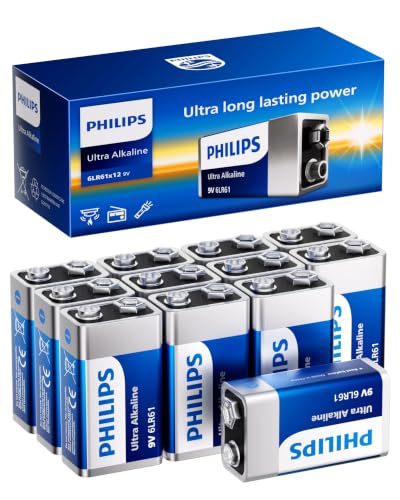
PHILIPS 9V Alkaline Batteries 12 Pack
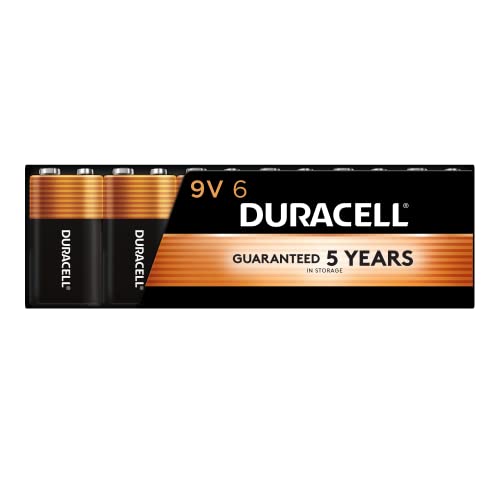
DURACELL Coppertop 9V Battery 6 Count

Interstate Batteries 9 Volt Alkaline 12-Pack

Enegitech 9V Lithium Battery 1200mAh 4 Pack

PKCELL 9V Ultra Alkaline Batteries 12-Pack
Meet The Standout Selections
Lithium chemistry makes this PHILIPS pack the serious option for equipment that draws heavier current, including compatible household alarms. The stated 1200mAh capacity provides more headroom than a standard alkaline cell, although only the device manufacturer can confirm that its chemistry requirements are met.
Compared with the alkaline PHILIPS choices later in the list, this pack prioritizes output over long-term storage value. It suits technicians, serious hobbyists, and households replacing batteries in compatible high-drain devices.
Everyday Wins
- The 1200mAh rating supports demanding compatible equipment.
- Lithium chemistry suits frequently used, higher-drain devices.
- A four-cell pack covers alarms, meters, and keyless-entry devices.
- Non-rechargeable construction keeps replacement use straightforward.
Practical Considerations
- Lithium costs more upfront and cannot be recharged.
- Older devices may specify alkaline chemistry exclusively.
- Store unused cells separately from metal objects and damp areas.
Key Specs
Built With In Mind
You benefit most from this pack when compatible alarms, meters, or electronic locks see regular use.
Consider Something Else When
PHILIPS 9V Alkaline Batteries 12 Pack suits households prioritizing bulk storage over lithium capacity.
This smaller PHILIPS alkaline pack serves homes that want a few dependable replacements without carrying a full dozen. Its stated 10-year shelf life makes it especially sensible for emergency cabinets, though storage conditions still affect long-term performance.
Where the preceding lithium option favors high-drain output, this one balances familiar alkaline handling with longer storage. It works particularly well for a mixed household rather than one device with intense power demands.
Positive Takeaways
- The shelf-life claim supports emergency reserve storage.
- Four cells suit smaller homes or a single replacement cycle.
- Alkaline chemistry remains broadly practical for household devices.
Small Caveats
- Four batteries offer less coverage than the 12-count options.
- Proper storage remains important despite the long shelf-life claim.
- Alkaline cells are not designed for recharging.
Made For
You’ll appreciate this pack for emergency stock, occasional household replacements, and compact storage.
A Better Fit Elsewhere
DURACELL Coppertop 9V Battery 6 Count offers broader coverage for radios, meters, and several alarms.
Taking the four-count PHILIPS alkaline pick and tripling its quantity creates a practical household reserve. Twelve cells can cover alarms across several rooms, radios, clocks, and emergency supplies without another storage box.
The up-to-10-year shelf-life statement helps this pack suit seasonal homes and preparedness cabinets. In practice, inventory rotation still matters, since prolonged heat and humidity can shorten useful storage life.
What It Does Well
- Twelve cells support whole-home replacement schedules.
- Long storage life suits infrequently used reserves.
- Alkaline chemistry works across many routine household devices.
- The larger pack simplifies keeping spare cells together.
- Separate packaging helps protect unused batteries.
Details To Watch
- Bulk storage needs a cool, dry location.
- It offers less high-drain capacity than the lithium picks.
Feature Snapshot
The Right Fit
Multi-room households and active emergency-supply organizers gain the most from this quantity.
Where A Sibling Pick Shines
Interstate Batteries 9 Volt Alkaline 12-Pack is the alternative for radios, garage-door remotes, and mixed electronics.
Six Duracell cells strike a useful middle ground between the compact PHILIPS four-pack and the larger alkaline reserves. Listed applications include smoke and carbon monoxide detectors, two-way radios, effect pedals, multimeters, and professional instruments.
That range makes this a natural shelf staple for home maintenance and hobby work. You may find fewer cells than a 12-pack, yet the six-count format remains easier to store and use before cells sit unused.
What Helps Most
- Supports alarms, radios, pedals, and meters.
- Six cells balance household storage and replacement needs.
- Alkaline chemistry suits many established 9V devices.
Worth Noting
- Six cells may run out faster in a multi-device home.
- Owners commonly mix old and new cells, which can reduce consistency.
- Replacement timing should follow the device maker’s guidance.
Who It Suits Best
You’ll find this pack convenient for mixed home electronics and compact professional equipment.
Another Choice May Suit
Enegitech 9V Lithium Battery 1200mAh 4 Pack fits compatible high-drain meters and detectors better.
Interstate brings the roundup back to familiar alkaline chemistry, but its dozen-cell format is aimed at homes that rotate batteries across several device types. Smoke detectors, walkie-talkies, garage-door openers, clocks, and toys all appear in its intended uses.
Unlike the two PHILIPS alkaline packs, the source highlights broad household compatibility rather than a decade-long storage claim. That makes this option more direct for frequent maintenance across a busy home or workshop.
Useful Strengths
- Twelve cells reduce replacement frequency.
- Broad device compatibility suits varied households.
- Alkaline cells simplify routine battery rotation.
- The box format supports organized storage.
Less Ideal Details
- Alkaline cells cannot be recharged.
- No lithium capacity advantage is stated.
- Replace cells in matched groups for more consistent device behavior.
At A Glance
Made For
Busy homes, hobbyists, and workshop users benefit from the broad device range and large quantity.
Look Elsewhere When
PKCELL 9V Ultra Alkaline Batteries 12-Pack better serves alarm-focused households seeking a stated service-life advantage.
Enegitech competes directly with the opening PHILIPS lithium pack, carrying the same stated 1200mAh capacity but framing it around meters, locks, alarms, thermometers, and metal detectors. That equipment mix gives it a clear technical profile for people who use 9V cells beyond the standard alarm-and-remote routine.
The source also states up to 10 years of backup use in compatible AC-powered smoke detectors and fire alarms. For intermittent electronics, that can reduce replacement frequency, but chemistry compatibility remains the deciding factor.
Advantages To Know
- 1200mAh capacity supports demanding compatible devices.
- Broad range of meters, locks, alarms, and detectors.
- Lithium chemistry suits high-current equipment.
- Four cells provide a manageable specialty reserve.
- Long backup claim fits ac-powered alarm use.
Some Limits To Know
- Some devices may require alkaline chemistry.
- Non-rechargeable cells need correct disposal after use.
- Keep terminal contacts clean and dry in damp workspaces.
Who Should Grab It
You’ll benefit most when multimeters, electronic locks, or other compatible high-drain devices see regular use.
Reach For A Different Pick When
DURACELL Coppertop 9V Battery 6 Count is more convenient for general household rotations and widely used alkaline devices.
PKCELL closes the list with a 12-count alkaline pack aimed directly at smoke alarms and other battery-powered safety devices. Its source states a service life of 1.8 to 2 times that of an ordinary alkaline 9V battery, a more specific claim than many of the storage-focused alternatives.
Compared with Interstate’s broad household framing, PKCELL puts alarms at the center. You may prefer it for maintaining several detectors, though the 12-cell quantity can sit longer in a one-alarm home.
Where It Delivers
- Large pack supports multiple alarm replacements.
- Stated service life targets a 1.8-to-2-times improvement.
- Alkaline chemistry suits common alarm installations.
- Extra cells remain useful for other compatible household devices.
Honest Caveats
- Twelve cells may be excessive for a single alarm.
- The service-life comparison depends on matched conditions.
- Replace alarms on their specified schedule regardless of battery appearance.
Quick Facts
The Right Fit
You’ll find this pack most practical in homes with several compatible alarms and recurring replacement needs.
Swap It Out When
PHILIPS 9V Lithium Batteries 1200mAh 4 Pack serves compatible high-drain equipment with a different chemistry profile.
Choosing Chemistry and Pack Size Wisely
Compatibility comes before chemistry. Battery compartments and device manuals may distinguish lithium, alkaline, or rechargeable formats, and physically similar cells do not guarantee identical behavior. Check the original equipment guidance before replacing a cell, especially in alarms, meters, locks, and two-way radios.
Capacity and discharge rate tell different parts of the story. Capacity is the energy a fully charged cell can store, measured in milliampere-hours, while discharge rate describes how quickly energy leaves it. A 1200mAh lithium cell can suit heavier loads, yet an alkaline cell remains reasonable for lighter duties or devices that explicitly specify it.
Pack size should match your actual maintenance rhythm. Four or six cells suit a small home or a single equipment kit, while 12-cell boxes reduce packaging and keep replacements organized across multiple rooms. For infrequently used stock, store cells in a cool, dry place and keep the oldest replacements in front.
Lithium chemistry earns its place in compatible high-drain equipment because of its energy density and discharge characteristics. Alkaline remains a straightforward choice for many routine household devices, but pack size, storage, and claimed service life can matter more than the brand alone.
Practical Battery Choices Explained
Mistakes Worth Dodging
Don’t mix lithium and alkaline cells unless the device explicitly permits it. Match replacement batteries by type, voltage, and size, and follow the equipment maker’s replacement interval.
What Separates Premium From Basic
Higher-tier lithium options mainly add capacity for demanding equipment. The premium is useful for frequent high-drain use, while it can be unnecessary for light-duty alarms stored as emergency reserves.
Frequently Asked Questions
Can I use a lithium 9V battery in a smoke detector?
Only when the detector or its manual permits lithium chemistry. Some devices specify alkaline cells, so verify compatibility before installation.
Are 1200mAh 9V batteries always better?
Not always. Greater capacity helps in demanding use, but chemistry compatibility and the device’s power requirements determine whether those benefits apply.
How should spare 9V batteries be stored?
Keep them in their original packaging in a cool, dry place. Avoid heat, moisture, and contact with metal objects that could create a short circuit.
Can alkaline 9V batteries be recharged?
No. These are disposable primary batteries and should be replaced after service life ends.
Is a 12-pack practical for a one-bedroom home?
A smaller pack may be easier to use before cells age in storage. Twelve cells make more sense across several alarms, rooms, radios, clocks, or household devices.
Wrap Up
The right 9V battery begins with your device’s chemistry requirements, then narrows to capacity, storage life, and pack quantity. Lithium suits compatible high-drain equipment, while alkaline remains versatile for many routine household jobs. Match the format carefully, store unused cells sensibly, and follow the device maker’s replacement schedule.
