


A 70Ah lithium battery is a substantial energy reserve, but the listed products span golf carts, marine equipment, RVs, off-grid systems, and cordless tools rather than one uniform format. That matters because nominal voltage, physical dimensions, charge requirements, and intended discharge load determine compatibility more than the Ah rating alone.
For daily golf-cart use, high-capacity 48V packs are the most relevant choices. Portable power and marine applications call for a different balance of capacity, weight, monitoring, and cold-weather protection, while smaller battery packs suit tools rather than stationary storage. Check wiring, charger voltage, battery dimensions, and the equipment manufacturer’s recommendations before purchasing.
A Fast Comparison Of The Options

DC HOUSE Metal Case 48V 100Ah Lithium Golf Cart Battery Kit
TenHutt 12V 7.0Ah Battery for Dewalt MAX
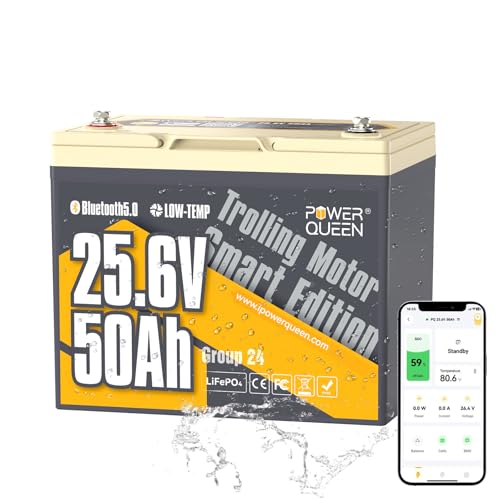
Power Queen 24V 50Ah LiFePO4 Bluetooth Battery

DC HOUSE 48V 100Ah Smart Lithium Golf Cart Kit

DC HOUSE 48V 50Ah Mini Lithium Golf Cart Kit
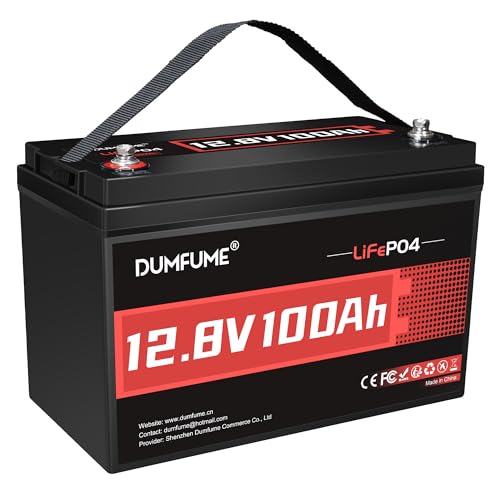
dumfume 12V 100Ah LiFePO4 Group 31 Battery

Ahomtikk 7.0Ah 18V Replacement Battery 2-Pack
What Each Pick Brings To The Table
The 48V 100Ah rating gives this DC HOUSE kit substantial stored energy for a golf cart, while the metal enclosure suits a utility vehicle with a demanding load. It makes more sense for a full-time course commute or neighborhood cruising than for occasional light use. Compared with the smaller DC HOUSE 48V 50Ah kit, it trades storage space for longer operating potential.
The included 18A charger and DC-DC step-down converter make the package more useful than a bare battery, although your cart’s voltage and connector layout still need checking. For most converted carts, the high capacity is the central reason to consider it.
Real Benefits
- 100Ah capacity supports extended daily driving.
- Metal case provides a compact, protective enclosure.
- 18A charger supports a matched charging setup.
- Step-down converter adds accessory-power flexibility.
Things To Consider
- The kit may occupy more space than a 48V 50Ah setup.
- Installation depends on your cart’s wiring and connector arrangement.
- Confirm charger polarity and voltage before connecting it.
Key Specs
Made For
This kit fits golfers and neighborhood drivers who need a high-capacity 48V pack for frequent cart use.
Consider Something Else When
Choose DC HOUSE 48V 50Ah Mini Lithium Golf Cart Kit instead when compartment space is the main constraint.
This is a cordless-tool battery rather than a 70Ah storage battery, so its relevance comes from chemistry, capacity, and tool fit. The 12V lithium-ion pack is intended for Dewalt MAX tools, including DCB120, DCB123, DCB124, and DCB127 models. A 7.0Ah rating gives it more useful runtime than a small slide pack, which helps during repeated cutting, fastening, or drilling.
It suits someone maintaining one compact tool set, not someone seeking a large energy reserve. The four-bar fuel gauge provides a quick state-of-charge indication, while the rechargeable format avoids disposable-battery handling.
Where It Helps
- 7.0Ah capacity supports longer tool sessions.
- 12V format suits Dewalt MAX platforms.
- Fuel gauge helps you monitor remaining charge.
- Lithium-ion chemistry keeps the pack lighter than older Ni-Cd alternatives.
Practical Considerations
- It is not a high-capacity golf-cart or off-grid battery.
- Check the exact tool model before ordering.
- Charging time and runtime vary with the tool and load.
Best Suited To
This pack is for homeowners or repair technicians who regularly use compatible Dewalt MAX tools.
Look Elsewhere When
Choose DC HOUSE 48V 100Ah Smart Lithium Golf Cart Kit for a cart or stationary 48V system instead.
The Power Queen battery is designed for mobile 24V systems where remote battery visibility is valuable, particularly around marine equipment. Bluetooth 5.0 lets you check operating status from a phone rather than opening a compartment at the dock. That convenience is more meaningful than raw capacity alone when the battery is installed in a hard-to-reach location.
The LiFePO4 format also uses a chemistry commonly chosen for storage applications, and the low-temperature protection is relevant for cold-water use. It remains a 24V battery, so it cannot replace a 48V golf-cart pack without a compatible power architecture.
The Value In It
- Bluetooth monitoring reduces physical battery checks.
- 50Ah capacity suits moderate 24V loads.
- Low-temperature protection supports colder marine conditions.
- LiFePO4 chemistry fits storage-oriented systems.
Areas To Watch
- The 24V rating differs from common 48V golf-cart systems.
- Remote monitoring depends on phone and app connectivity.
- Marine installation still requires correct fusing, wiring, and ventilation.
Feature Snapshot
Right Fit For
This battery fits boaters and mobile-equipment owners who want remote status checks from a 24V installation.
Another Choice May Suit
Choose DC HOUSE 48V 50Ah Mini Lithium Golf Cart Kit when your system requires 48V and compact cart mounting.
This DC HOUSE version adds app-based monitoring and an LCD display to the high-capacity 48V golf-cart format. That extra visibility is useful when you want to inspect state of charge without opening the battery compartment, especially on a cart used for long routes or frequent stops. Its 100Ah rating makes it a closer fit to the high-reserve end of this list than the 50Ah alternative.
The listed 200A BMS and 670A peak-current figure point toward a high-output design, but those numbers only help when your cart and wiring can accept the load. Plan the cable path and connector fit carefully rather than treating peak-current claims as permission to add accessories.
Reasons It Performs
- 48V 100Ah capacity supports demanding cart routes.
- LCD monitor gives local operating information.
- Bluetooth app adds remote battery visibility.
- High peak-current specification suits acceleration demands.
- 18A charger is included with the kit.
Details To Watch
- Smart features depend on compatible app support.
- High output still requires correctly sized wiring and connections.
- The larger format may reduce available cart storage.
Important Details
Who Will Love This
This kit suits frequent golfers who value both high capacity and visible battery status during operation.
A Better Fit Elsewhere
Power Queen 24V 50Ah LiFePO4 Bluetooth Battery fits a remote-monitored 24V marine system better than this 48V cart pack.
For carts with limited battery space, the DC HOUSE 48V 50Ah Mini Lithium Golf Cart Kit makes the physical trade-off explicit. It retains a 48V system and LiFePO4 chemistry while reducing the capacity compared with the 100Ah DC HOUSE choices. That makes it more appropriate for shorter routes or lighter accessory loads.
The listed applications extend beyond golf carts to lawn equipment, RVs, trolling motors, marine equipment, and off-grid systems, provided each system uses compatible voltage and charging requirements. The compact, stackable format is the practical advantage, but it still needs secure mounting and correct electrical protection.
A Few Highlights
- Compact form helps use limited storage space.
- 48V rating fits many common cart systems.
- 50Ah capacity suits moderate operating loads.
- 18A charger is included.
- Broad 48V equipment compatibility.
Practical Considerations
- Lower capacity may shorten runtime on demanding routes.
- Compatibility depends on the connected equipment and charger.
- Stackable units still need secure, ventilated placement.
Quick Facts
Built With In Mind
This kit fits golfers, RV owners, and marine users who need a space-conscious 48V battery with moderate capacity.
Swap It Out When
Choose DC HOUSE Metal Case 48V 100Ah Lithium Golf Cart Battery Kit for longer routes where runtime matters more than footprint.
This 12V 100Ah LiFePO4 battery is aimed at caravans, camper setups, and off-grid energy storage, where a large stationary reserve can be useful. Its Group 31 format gives you a recognizable physical class for battery trays and compartment planning. The 1.28kWh energy figure helps estimate the scale of the installation more clearly than the Ah number alone.
It is not a golf-cart battery, starter battery, or jack battery, according to the supplied guidance. That makes it a better fit for an inverter, lighting circuit, or camper accessory bank, provided the charger and load electronics support 12V LiFePO4 operation.
Strengths Worth Knowing
- 100Ah capacity supports sustained 12V loads.
- 1.28kWh energy capacity gives useful system-scale context.
- Group 31 format suits common battery compartments.
- Compact construction helps reduce storage footprint.
Things That May Matter
- It is not intended as a starter or golf-cart battery.
- 12V LiFePO4 charging requirements need matching equipment.
- Weight and ventilation remain relevant during installation.
Whose Shelf It Belongs On
This battery suits camper, caravan, and off-grid owners who need a large 12V storage bank rather than a traction pack.
Where Another Pick Shines
Choose DC HOUSE 48V 50Ah Mini Lithium Golf Cart Kit for a compact 48V golf-cart or marine application.
The Ahomtikk 2-Pack gives workshop users a spare 18V battery for compatible Dewalt cordless tools, reducing downtime while one pack charges. Each pack is rated at 7.0Ah, so the set provides useful runtime for drilling, driving screws, or repeated shop cuts. It is a battery solution for a tool ecosystem, not a stationary 70Ah energy bank.
Compatibility depends on matching the voltage, tool model, and charger. The supplied guidance names several 18V battery references and recommended chargers, while noting exclusions, so check the tool label and charger listing before ordering.
Key Advantages
- Two packs keep a spare available.
- 7.0Ah capacity supports longer tool runtime.
- 18V format matches common Dewalt tool platforms.
- Lithium-ion packs avoid disposable battery replacement.
Less-Strong Areas
- Compatibility is limited to listed 18V platforms and chargers.
- Non-OEM construction may not match every original accessory feature.
- Two packs add weight and charging time.
Technical Highlights
Made For
This 2-Pack suits homeowners, tradespeople, and workshop users who want a spare compatible Dewalt 18V battery.
Skip It When
Choose dumfume 12V 100Ah LiFePO4 Group 31 Battery for RV or off-grid storage rather than cordless tools.
Choosing The Right Battery For Your System
Capacity is only one part of a battery decision. A 100Ah pack at 48V stores far more energy than a 12V pack with the same Ah rating, and neither will fit every charger or device. Start with the voltage required by the equipment, then compare physical dimensions and connection requirements.
Match Voltage First
Golf carts commonly use a 48V electrical architecture, while many RVs and campers use 12V systems. Cordless tools use a completely different battery format, so a 70Ah power-storage pack cannot simply be inserted into a Dewalt tool. The listed DC HOUSE options are aimed at 48V applications, Power Queen targets 24V systems, and dumfume uses 12V.
Treat Ah And Energy Together
Ah measures charge, while watt-hours measure stored energy. That distinction explains why a 12V 100Ah battery can provide about 1.28kWh, while a 24V 50Ah battery provides roughly 1.2kWh at the same nominal voltage. Compare the load, usable capacity, and discharge requirements rather than looking at Ah alone.
Check Physical Space And Charging
Measure the battery compartment before ordering and allow room for terminals, ventilation, cable bends, and secure restraint. The charger must match the battery chemistry and voltage, while high-current equipment needs appropriately sized wiring and protection. A compact 48V 50Ah pack can be easier to install, but it may not support the runtime of a 100Ah model.
Pick For The Load, Not The Label
Golf carts need sustained energy and strong acceleration output, marine users may value remote monitoring and temperature protection, and RV owners often prioritize compact storage capacity. Cordless-tool packs serve a different job entirely. The right choice is the one whose voltage, dimensions, charging system, and output match the equipment you actually use.
Common Battery Mistakes To Avoid
Wrong Turns To Avoid
The most expensive error is choosing capacity before confirming voltage. A larger Ah rating cannot compensate for an incompatible connector, wrong charger, or undersized wiring. Measure the compartment and inspect the equipment label before placing an order, especially for conversions and off-grid installations.
What Separates Premium From Basic
Additional monitoring, higher output ratings, and matched charger components may justify a higher-tier model when your equipment needs them. They add little value in a light-duty setup where a simpler, correctly sized battery is sufficient. Pay for the features your load actually uses.
Frequently Asked Questions
Can a 70Ah lithium battery power a golf cart?
Only with compatible voltage, wiring, charger, and sufficient discharge capability. A 48V 100Ah lithium pack is closer to the listed golf-cart options, while a 12V pack may not meet the cart’s requirements.
Are 100Ah lithium batteries always heavier?
Not necessarily. Lithium chemistry can reduce weight compared with older lead-acid designs, but actual weight depends on chemistry, casing, cooling, and internal construction. Check the physical specifications for your installation.
Is Bluetooth monitoring necessary?
It is useful when the battery is installed in a boat, RV, or cart where physical access is inconvenient. For a stationary system you can inspect regularly, monitoring is optional rather than essential.
Can I use a 12V LiFePO4 battery as a starter battery?
The supplied guidance for dumfume 12V 100Ah LiFePO4 Group 31 Battery says not to use it for starting batteries, golf-cart batteries, or jacks. Use a battery designed for the specific starting function.
How do I choose between 50Ah and 100Ah?
Choose 50Ah when space and weight matter more than extended runtime. Choose 100Ah for longer routes or heavier use, after confirming that your charger, wiring, and equipment can support the higher-capacity system.
Final Thoughts
The right battery depends on your equipment more than the headline capacity. For a 48V golf cart, the DC HOUSE 100Ah kits prioritize energy reserve, while the 50Ah Mini model favors a smaller footprint. Power Queen suits monitored 24V marine systems, dumfume fits 12V storage, and the two tool-battery options serve Dewalt workflows. Match voltage, dimensions, charging, and load first, then choose the capacity that fits the way you actually use the equipment.
