


A programmable thermostat gives you more control over heating and cooling than a manual dial, especially when your schedule changes from weekday mornings to weekend afternoons. The right model depends on your HVAC system, programming habits, and whether you value a simple display or connected automation, while a room sensor or cooking thermometer serves a different purpose entirely.
The Main Contenders

Google Nest Temperature Sensor 2nd Gen
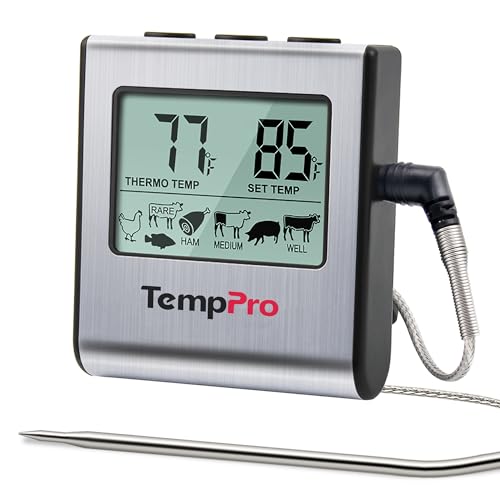
TempPro TempTrack Large LCD Meat Thermometer

Honeywell TH2110DH1002 PRO 2000 Thermostat
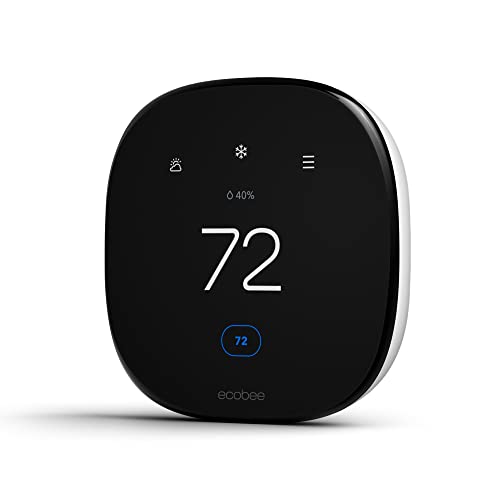
ecobee Smart Thermostat Enhanced
Honeywell Home 7 Day Touchscreen Thermostat

Google Nest Learning Thermostat 4th Gen, Obsidian

Google Nest Learning Thermostat 4th Gen, Silver
The Strengths Of Each Pick
The Google Nest Temperature Sensor is an accessory rather than a standalone thermostat, so it cannot run a heating or cooling schedule by itself. Its value appears in a compatible Nest setup, where a sensor in a bedroom, nursery, or living room gives the thermostat a more useful reading than a hallway location.
That approach suits homes where one central thermostat struggles to represent every occupied space. You still need compatible equipment, and the sensor’s room placement matters, but the small porcelain-and-white design is designed to blend into ordinary rooms rather than dominate a wall.
Practical Advantages
- Provides temperature data from the room you choose, rather than relying only on the thermostat location.
- Supports the Nest Learning Thermostat 3rd and 4th generations and Nest Thermostat E.
- Battery power removes the need for a control wire in the sensor location.
- Scheduling support can help keep the Nest system aligned with a regular daily routine.
Things To Consider
- It is not a programmable thermostat and cannot operate independently.
- Placement affects results, so a drafty window or direct sun can make the room reading less useful.
- Compatibility limits make this a poor fit for non-Nest equipment.
Who It Suits Best
This sensor best suits Nest owners who want more accurate room-level guidance without installing another full thermostat.
Where Another Pick Suits Better
Choose the Honeywell Home 7 Day Programmable Touchscreen Thermostat instead when you need independent seven-day HVAC scheduling.
TempPro TempTrack sits outside the home thermostat category, but it earns inclusion because precise temperature control matters at the grill as well as in the living room. The large LCD is designed for a cooking station where a quick glance should reveal the food temperature without opening a separate app.
Its preset cooking modes and adjustable alerts make it useful for meat, ovens, smokers, and stovetop cooking. You can set target values for different foods, while the timer reaches up to 99 hours and 59 minutes for long unattended cooking sessions.
Points In Its Favor
- The large display is easier to scan than a compact kitchen thermometer.
- Preset food settings reduce guesswork when cooking familiar cuts.
- Custom alerts can be changed to match personal texture preferences.
- A long timer supports smoking, roasting, and other extended cooking.
Minor Gripes
- It does not control household heating or cooling.
- Temperature presets and alarm functions take some setup before use.
- Cleaning the probe and avoiding high-moisture storage areas matters for long-term use.
Made For
This model best fits home cooks who want a large, dedicated display for monitoring food rather than room temperature.
Consider Something Else When
The ecobee Smart Thermostat Enhanced is the better choice for connected whole-home climate scheduling.
For a household that wants dependable scheduling without a connected ecosystem, the Honeywell TH2110DH1002 is refreshingly direct. The horizontal format fits a conventional wall opening, and the backlit screen keeps both current and set temperatures visible in dim hallways or evening rooms.
Its 5+2 programming divides the week into weekdays and weekends, which works well for stable office schedules. You give up the flexibility of seven separately editable days, but the simpler structure can be easier to maintain.
Where It Excels
- Weekday and weekend schedules cover common workweek patterns.
- The illuminated display supports quick temperature checks in dim rooms.
- One heat and one cool stage keep the controls understandable.
- Dual power operation provides flexibility for common residential systems.
Trade-Offs
- Five weekday settings and two weekend settings cannot represent every changing routine.
- There is no stated Wi-Fi control or phone-based scheduling.
- Installation requires matching the system voltage and wiring arrangement.
At A Glance
Who Will Love This
This thermostat suits homeowners with a steady weekday schedule who prefer tactile, local programming over phone-based controls.
Not Your Match When
Choose Google Nest Learning Thermostat 4th Gen instead for automatic routine adjustment and connected controls.
The ecobee Smart Thermostat Enhanced is built for homes where temperature changes should follow people rather than a fixed clock. Occupancy features can reduce heating or cooling during away or sleeping periods, while suggested schedule changes help you adjust the plan as routines evolve.
That automation has more appeal in a connected home with consistent phone or smart-device access. Compared with Honeywell’s local-only approach, the ecobee offers more control layers, but it also depends on compatible equipment and a connected setup.
Useful Strengths
- Occupancy-based adjustments can reduce unnecessary heating and cooling.
- Schedule suggestions help you modify routines without rebuilding the entire program.
- Smart-device and Apple Watch connectivity suit connected households.
- Remote control is useful for checking the home before arriving or leaving.
Room For Improvement
- Wi-Fi dependence adds another system that must function correctly.
- Smart features can feel excessive for a straightforward fixed routine.
- Compatibility and installation details must be checked before replacing an existing thermostat.
Key Attributes
The Right Fit
This model best fits connected homeowners who want automatic adjustments and do not mind managing a Wi-Fi thermostat.
A Better Fit Elsewhere
The Honeywell TH2110DH1002 is the more straightforward option for someone who prefers local controls and a simpler weekday-weekend schedule.
Honeywell Home’s 7 Day Programmable Touchscreen Thermostat is the practical middle ground between a simple 5+2 model and a connected smart thermostat. A full-week schedule gives you separate settings for each day, which helps households whose work, school, and relaxation hours do not follow the same pattern.
The touchscreen supports direct schedule changes without requiring a phone, and the included mounting pieces make the installation package more complete. It is not as automated as ecobee, but the trade-off is a more hands-on relationship with your comfort settings.
A Strong Showing
- Seven-day programming handles changing weekday and weekend patterns.
- The touchscreen makes schedule adjustments direct and easy to review.
- Separate heating and cooling schedules offer more control over daily use.
- The supplied guide, screws, anchors, and mounting plate support installation planning.
Points To Note
- There is no stated phone or smart-home connection in the supplied information.
- Programming more days than you use can make setup feel unnecessarily involved.
- Wall placement and HVAC wiring need to be checked before installation.
Feature Snapshot
Built With In Mind
This thermostat suits households that need daily schedule changes but prefer a local touchscreen instead of connected automation.
Where A Sibling Pick Shines
Google Nest Learning Thermostat 4th Gen is a better fit for people who want the system to learn recurring patterns automatically.
The Obsidian Google Nest Learning Thermostat 4th Gen is a strong fit for a household that would rather let its schedule evolve than rebuild temperature settings constantly. It learns preferred temperatures and timing, then adapts as your routine changes, while the included second-generation sensor adds a more specific room reading.
Compared with Honeywell Home’s explicit seven-day program, Nest favors automation. That is convenient for people with shifting schedules, though the system needs compatible HVAC equipment and a connected Nest environment, so the setup is less universal.
The Helpful Details
- Learning behavior reduces the need to manually recreate familiar schedules.
- The included temperature sensor can represent a room that feels different from the hallway.
- Automatic adjustments suit households with variable work and sleep patterns.
- The Obsidian finish gives the thermostat a dark, understated appearance.
Soft Spots
- Learning behavior may take adjustment before it matches your household closely.
- The accessory and thermostat both depend on compatible Nest equipment.
- Room sensor placement is important, and one sensor cannot represent every room.
Quick Facts
Who Should Grab It
This set best fits Nest-compatible households with changing routines and a desire for automatic room comfort adjustments.
Skip It When
Honeywell Home 7 Day Programmable Touchscreen Thermostat fits you better when local, manually edited schedules matter more than automation.
The Silver version matches the Nest Learning Thermostat 4th Gen core experience while offering a lighter finish for walls and rooms where a dark thermostat would stand out. The bundled second-generation sensor is the decisive addition for homes with uneven room temperatures, such as a bedroom that cools faster than the living area.
Compared with ecobee Smart Thermostat Enhanced, Nest keeps the same general learning-and-connectivity approach but fits especially well into a Nest-based setup. You trade manual control for automatic adjustment, and you accept the need to maintain compatible devices.
Practical Pluses
- Room sensing gives the thermostat a more relevant temperature reference.
- Learning controls adapt to changing heating and cooling habits.
- The included sensor supports a more individualized comfort setup.
- Silver finish works well in light, neutral interiors.
Honest Caveats
- It is a Nest-dependent option, not a general-purpose thermostat for every HVAC system.
- Automatic learning can be less predictable than a manually programmed schedule during the first adjustment period.
- Sensor placement and battery upkeep need occasional attention.
Final Word
Choose this set for a connected Nest home that values automatic scheduling and a coordinated thermostat-and-sensor approach.
Another Choice May Suit
The ecobee Smart Thermostat Enhanced may suit you better if your connected-home priorities center on occupancy and suggested adjustments.
What Matters Before You Choose
Confirm HVAC Compatibility
Start with the system you already own. A thermostat must match the available heating and cooling stages, power arrangement, and wiring, so check the equipment label and installation guide before selecting a model. The TH2110DH1002 is intended for conventional heat-and-cool or heat-pump applications without auxiliary heat.
Decide Between Schedules and Learning
A seven-day schedule gives you direct control over each day. Learning controls adapt to recurring patterns, which helps households with changing routines but requires more connected hardware and less predictable behavior.
Match Display to Your Routine
Touchscreens and backlit displays make local adjustments easier, while smart-home control is useful for remote access. Choose the level of interaction your household will actually maintain, especially through busy mornings and weekends.
Key Considerations Across These Picks
Common Shopping Slip Ups
The biggest mistake is selecting by appearance before checking equipment compatibility. Installation wiring and power requirements can rule out a model regardless of its features.
What Separates Premium From Basic
Basic thermostats provide set schedules and temperature display. Connected models add remote access, occupancy responses, learning, and room sensing, so the extra hardware is worthwhile when your routine changes often.
Frequently Asked Questions
Are 7-day thermostats better than 5+2 models?
A 7-day model gives each day its own schedule, which suits changing routines. A 5+2 model is simpler and works well for consistent weekdays and weekends.
Do programmable thermostats work with heat pumps?
Compatibility depends on the model and the stages required by your heat pump. Check equipment requirements and wiring before choosing a replacement.
What is the difference between learning and programmable thermostats?
Programmable models follow schedules you set. Learning models adjust their behavior around recurring patterns, which can be convenient but less predictable initially.
Can one room sensor represent the whole home?
No. A sensor reflects its location, so drafts, sunlight, and room layout affect the reading. Multiple rooms may need separate consideration.
Are smart thermostats harder to maintain?
They require compatible equipment and occasional attention to app access, sensor placement, and batteries. Traditional models generally have fewer connected components.
Final Verdict
The Honeywell TH2110DH1002 suits straightforward weekday and weekend routines, while Honeywell Home’s touchscreen model offers more daily flexibility. Choose ecobee or Google Nest for connected automation, and use the Nest room sensor when room-level readings matter. Confirm compatibility first, then choose the control style you can comfortably maintain.
