


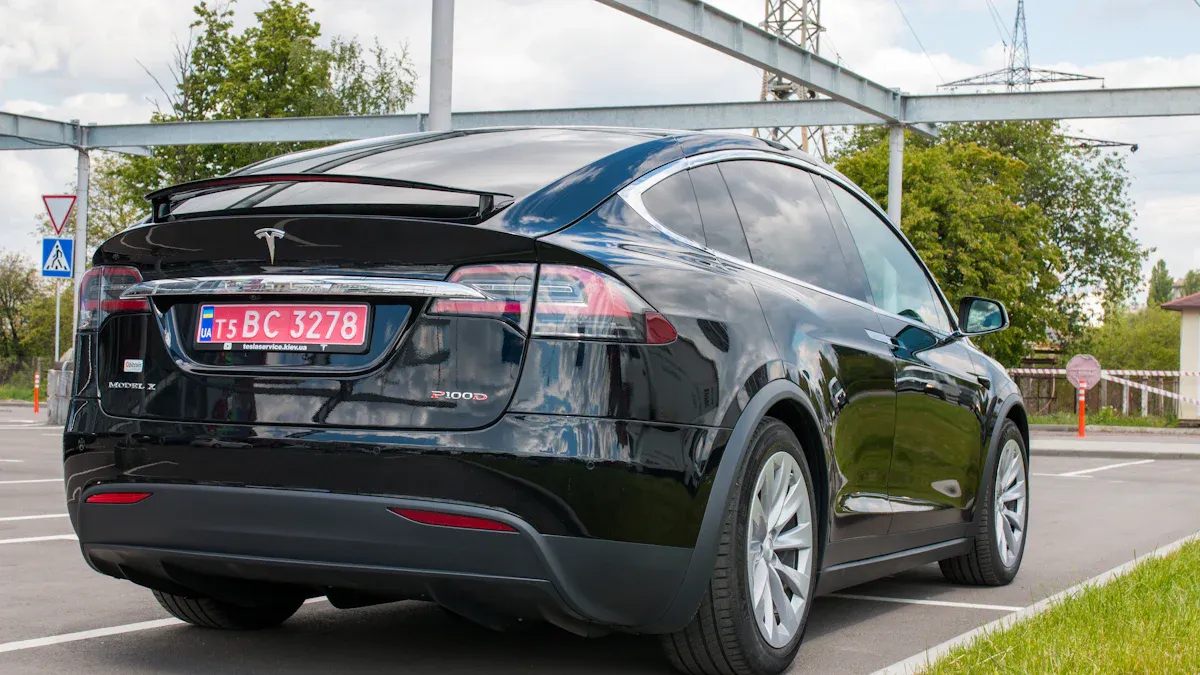
Battery life plays a crucial role in the performance of your EV. Proper care can significantly enhance both its efficiency and longevity. Most electric vehicle batteries last between 15 to 20 years, with modern designs capable of enduring over 120,000 miles. By understanding how to maintain your battery, you can maximize its lifespan.
Key Takeaways
Keep your EV battery charged between 20% and 80% to extend its lifespan and reduce degradation.
Use Level 1 or Level 2 charging methods to minimize heat and stress on the battery.
Check your battery health every 3-6 months to catch potential issues early and maintain optimal performance.
Optimal Charging for Battery Life
Charge Levels and Longevity
Maintaining your EV battery’s charge levels between 20% and 80% is crucial for its longevity. Studies show that batteries kept outside this range experience higher degradation rates. In fact, only electric vehicles that spent nearly all of their time below 20% and above 80% charge showed noticeably higher battery degradation per year. Therefore, keeping your charge within this range helps mitigate degradation.
To enhance battery life, consider setting charging limits in your car’s control panel. Limiting your charge to around 80-90% for daily use reduces stress on the battery cells. This practice not only preserves battery capacity but also promotes overall health.
Here are some key points to remember about charge levels:
Keeping the state of charge (SoC) above 80% can accelerate capacity fade.
Deep discharges increase internal resistance, which can harm battery performance.
Optimal long-term storage for lithium-ion batteries is between 40-50% SoC, promoting longevity.
Charging Methods
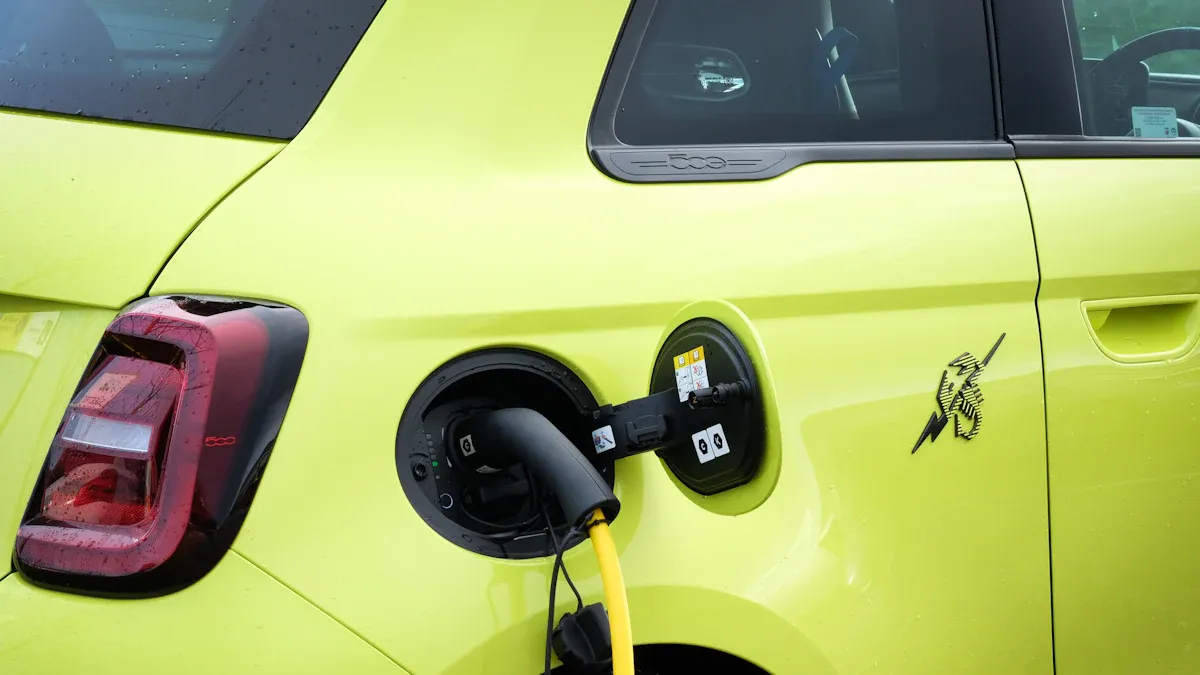
The method you choose for charging your EV can significantly impact battery health. Here’s a breakdown of the different charging options:
Level 1 Charging: This method is the slowest but can help maintain battery health by reducing heat exposure. It is ideal for overnight charging at home.
Level 2 Charging: This option is more cost-effective than DC fast charging. It provides a good balance between speed and battery longevity, making it suitable for regular use.
DC Fast Charging: While convenient for quick top-ups, this method generates more heat, which poses a primary concern for battery longevity. Frequent use of fast charging can lead to increased wear on your battery.
Modern EVs come equipped with smart charging features that help manage battery health over time. These systems control when and how your vehicle charges, minimizing stress on both the battery and the power grid. For example, smart charging practices can limit charge levels to avoid high-stress situations.
Evidence | Description |
|---|---|
Smart charging practices | These practices control when and how EVs charge to minimize stress on the battery and power grid. |
Limiting charge levels | Charging to full capacity increases stress on battery cells; limiting to 80-90% is recommended for daily use. |
Reducing cycle aging | Smart charging minimizes stress factors associated with each charge-discharge event, significantly slowing battery aging. |
By adopting these charging habits, you can significantly extend your EV battery’s usable capacity and overall lifespan.
Temperature Management for EV Batteries
Extreme temperatures can significantly impact your EV battery’s performance and lifespan. High ambient temperatures can lead to safety risks and performance degradation. For instance, when temperatures exceed 86°F (30°C), chemical reactions inside the battery accelerate. This acceleration can cause a capacity loss of 20-40% over time due to accelerated chemical degradation. On the other hand, low temperatures can reduce the battery’s capacity, affecting your driving range. Cold conditions can also cause lithium plating, which permanently degrades battery capacity and increases safety risks. Specific temperature thresholds, such as under 10°C, 0°C, and -20°C, severely affect performance and charging capabilities.
To maintain optimal battery performance, you should implement several strategies for controlling cabin and battery temperature:
Precondition Your Battery: Before driving, precondition your battery to ensure it operates within the ideal temperature range. This practice helps improve performance and efficiency.
Park Smart: Whenever possible, park your EV in a garage or sheltered space. This action protects your vehicle from extreme temperatures, whether hot or cold.
Use Cabin Heating/Cooling Wisely: Utilize heated seats and steering wheels to conserve energy. This approach allows you to maintain comfort without overworking the battery.
Monitor Charging Times: In extreme cold, plan your charging times carefully. Cold temperatures can significantly reduce the battery’s ability to accept a charge, impacting performance.
Battery thermal management systems (BTMS) play a crucial role in maintaining optimal battery temperatures. These systems regulate battery temperature to prevent thermal runaway, performance degradation, and reduced lifespan. They ensure that your battery operates within an ideal range of 20°C to 40°C. Effective thermal management enhances battery performance by ensuring operations within this range. It improves energy density, power output, and reduces aging, extending battery life. Consistent temperature maintenance across all cells ensures that the battery pack operates uniformly, optimizing overall vehicle performance.
By following these strategies, you can protect your EV battery from the adverse effects of extreme temperatures and enhance its longevity.
Monitoring and Maintenance
Regular battery health checks are essential for keeping your EV in top shape. Electric vehicle manufacturers recommend checking your battery health every 3-6 months using dashboard readings. A thorough assessment is advisable annually or before making any major vehicle decisions. This practice helps you catch potential issues early and maintain optimal performance.
To monitor your battery health effectively, consider using various diagnostic tools. Here’s a table of some common tests:
Test Type | Description |
|---|---|
Voltage Test (No Load) | Measures the voltage of each module or cell without any load. |
Voltage Test (Light Load) | Assesses voltage under a light electrical load to identify stability. |
Voltage Test (High Load) | Monitors voltage during full acceleration to detect capacity issues. |
Capacity Test (Ah) | Drains the battery to cutoff voltage and measures actual capacity against specifications. |
Thermal Test | Checks the thermal management system for leaks and functionality. |
Integrity Test (Pressure) | Inspects the physical integrity of the battery pack using pressure or vacuum tests. |
Internal Inspection | Involves a visual inspection of connections and casing during repair or refurbishment. |
You can also use onboard diagnostics for real-time data on battery performance, including State of Health and charging status. Third-party diagnostic tools offer advanced analytics for deeper insights.
Be aware of warning signs of battery degradation. Here are some common indicators:
Decreased Range: If your EV doesn’t travel as far on a full charge, this could indicate battery degradation.
Slower Charging Times: Noticeable delays in reaching a full charge may suggest a weakening battery.
Inconsistent Power Delivery: Sudden drops in performance may indicate battery failure.
Frequent Need for Charging: If you need to charge more often, your battery might be nearing the end of its lifespan.
Warning Lights: Dashboard indicators alerting to battery health issues should not be ignored.
By staying vigilant and performing regular checks, you can enhance your EV battery’s longevity and performance.
To maximize your EV battery’s lifespan, focus on these key strategies:
Maintain charge levels between 20% and 80%.
Use Level 1 or Level 2 charging methods to reduce stress.
Monitor battery health regularly.
By implementing these practices, you enhance your battery’s performance and longevity. Stay informed about EV technology and battery maintenance for continued benefits.
FAQ
What is the best way to charge my EV battery?
Charge your EV battery between 20% and 80% to extend its lifespan and maintain performance.
How often should I check my battery health?
You should check your battery health every 3-6 months for optimal performance and longevity.
Can extreme temperatures damage my battery?
Yes, extreme temperatures can degrade your battery’s performance and reduce its lifespan significantly.
