


A 750W motor can turn hills, longer commutes, and weekend trails into more manageable rides, but motor output alone doesn’t tell the whole story. Battery capacity, weight, folding design, wheel size, gearing, and local Class 2 limits matter just as much. This guide compares seven distinct options for commuters, mixed-terrain riders, cargo haulers, and families.
The Choices Worth Comparing
P1 Pro Class 2 Folding Electric Bike 48V 22.5Ah

ACTBEST Core ST 2.0 Electric Bike 26/27.5-Inch

ACTBEST Core ST 2.0 Electric Bike

YorkE 26-Inch Electric Bike 750W Peak

Tuttio ARC-I 36V Electric Dirt Bike for Kids
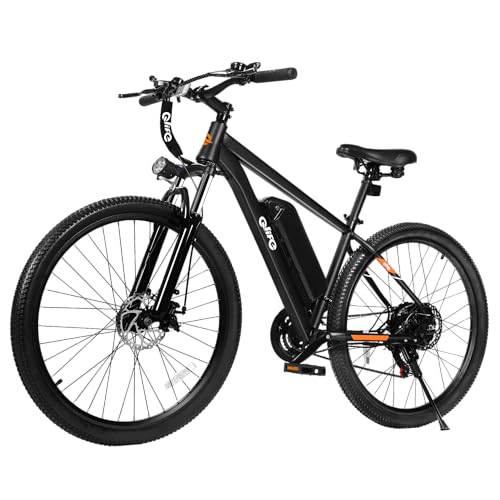
Qlife Racer 21-Speed Electric Mountain Bike

Jasion Dual Battery Fat Tire Cargo Electric Bike
The Strengths Of Each Pick
Folding 14-inch tires make the P1 Pro a natural fit for apartments, offices, and transit connections where a full-size bicycle is awkward to store. Its stated 750W peak motor and 48V 22.5Ah removable battery also give it more capability than the compact frame initially suggests.
Commuters covering moderate daily distances may value the stated 31-mile low-assist range, while riders tackling hills or headwinds may see the broader 75-mile figure come into play. Compared with the larger ACTBEST models, portability takes priority over cargo capacity and a traditional upright geometry.
Strong Points
- The folding frame reduces storage and transport friction.
- A removable battery makes charging away from the bicycle easier.
- Three power levels let you balance assistance, speed, and battery use.
- The 14-inch wheel format can make tight maneuvering feel less cumbersome.
Small Caveats
- Smaller tires may feel less settled on rough paths than the YorkE’s 26-inch setup.
- Folding hardware and the battery lock require routine checks, particularly after frequent transport.
At A Glance
Made For
You benefit most from a short commute, limited storage space, and frequent use of trains, buses, or car racks.
A Better Fit Elsewhere
Longer, rougher routes favor the YorkE 26-Inch Electric Bike 750W Peak and its larger wheels.
The Core ST 2.0 occupies the middle ground between compact folders and oversized cargo machines. A 500W brushless motor peaks at 1200W, giving you extra output for steep streets without requiring the full 26-inch or 27.5-inch wheel package to do everything.
The seven-speed drivetrain offers useful range between easier pedaling and faster wheel rotation, which helps on long urban rides. For daily errands, this appears more balanced than the P1 Pro, although the exact Core 2.0 or Core 2.0 Plus configuration still matters.
Everyday Advantages
- The 1200W peak output gives stronger hill starts than a nominal 500W rating suggests.
- A built-in removable battery combines protected placement with charging flexibility.
- Seven gears spread the drivetrain across varied road speeds.
- 26-inch and 27.5-inch options create distinct handling profiles.
- The stated battery capacities support different range targets.
Practical Considerations
- Peak output is not the same as sustained output, so steep or loaded trips demand realistic expectations.
- Owners should regularly inspect chain wear, tire pressure, and brake pads.
Who It Suits Best
Daily city riders benefit most from the motor, seven-speed gearing, and moderate battery sizing.
Swap It Out When
Maximum range and storage flexibility make the P1 Pro Class 2 Folding Electric Bike 48V 22.5Ah a stronger match.
Choosing between the closely related ACTBEST listings can be confusing, especially when both names point toward the Core ST 2.0 and Core 2.0 Plus family. This listing keeps the focus on the shared 500W brushless motor, its 1200W peak output, and the seven-speed drivetrain.
That basic layout suits errands, park paths, and connected city streets, where riders want assistance without a complicated trail bicycle. The shorter ACTBEST Core ST 2.0 Electric Bike listing may be the more direct choice, but wheel size, battery capacity, brakes, and included components still deserve a close look before ordering.
Practical Advantages
- Peak power adds climbing assistance while the 500W motor provides the rated baseline.
- Seven speeds help match pedaling effort to urban traffic and gentle grades.
- The brushless motor requires fewer internal components than a chain-driven hub motor.
Where It May Fall Short
- Less wheel and battery detail is presented than with the longer ACTBEST listing.
- A seven-speed drivetrain offers less fine adjustment than the Qlife Racer’s 21-speed system.
- Riders carrying substantial cargo may find the YorkE or Jasion more suitable.
Key Specs
The Right Fit
You’re best suited to straightforward urban riding with moderate hills and a preference for simple gearing.
Where A Sibling Pick Shines
The ACTBEST Core ST 2.0 Electric Bike 26/27.5-Inch provides clearer wheel and battery choices for route-specific selection.
Twenty-six-inch wheels give the YorkE a more planted feel than the P1 Pro’s compact 14-inch setup, which can help on uneven paths. Its 750W peak brushless motor is aimed at hills and longer outings rather than squeezing into a closet.
The removable battery and seven-speed gearbox make it a practical fit for riders crossing suburban roads, gravel, and mixed surfaces. The stated range reaches up to 80 miles, though terrain, rider weight, assist level, tire pressure, and stop-start riding can sharply affect that result.
Useful Touches
- Large wheels generally roll over pavement cracks and compact gravel more smoothly.
- The removable battery lets you charge indoors without moving the entire bicycle.
- A 750W peak motor supplies useful power for grades and starts under load.
- Seven gears reduce strain across a wider range of speeds.
Worth Noting
- The 80-mile figure represents a stated maximum rather than a fixed expectation.
- Off-road riders still need suitable tires, regular pressure checks, and careful inspection of the drivetrain.
Technical Highlights
Built With In Mind
Long-distance commuters and weekend riders benefit from its larger wheels and generous stated range.
Another Choice May Suit
Small-space commuters gain more from the P1 Pro’s folding frame than the YorkE’s road-oriented size.
The Tuttio ARC-I belongs in a different category from the adult bicycles here: it’s a child-oriented electric dirt bike rather than a commuting e-bike. Its 750W motor, 20 mph stated top speed, and five selectable modes give young riders more than a basic push-along toy.
Ages five through eight, a maximum load of 165 pounds, and 16-inch pneumatic tires place it firmly in youth-sized recreational use. Compared with the adult models, supervision, protective equipment, assembly checks, and local rules are much more important parts of ownership.
Real Benefits
- Five speed modes allow a gradual introduction to powered riding.
- Pneumatic tires can feel more compliant over yard surfaces than small hard wheels.
- The child-size twist throttle is designed for smaller hands.
- A stated range of up to 25 miles supports sustained backyard or park sessions.
Points To Keep In Mind
- It is intended for everyday riding, and assembly must be completed correctly.
- Brakes, tires, handlebars, and battery condition need checking before every ride.
- The listed 165-pound limit leaves no margin for an adult passenger.
Who Will Love This
Supervised young riders benefit from its compact dirt-bike format and adjustable speed settings.
Reach For A Different Pick When
Adult commuters should choose one of the full-size bikes, especially the YorkE 26-Inch Electric Bike 750W Peak.
Gearing is the Qlife Racer’s distinguishing feature, with 21 rear speeds providing finer cadence choices than the seven-speed ACTBEST and YorkE drivetrains. That wider selection helps on technical routes where alternating climbs, descents, and flat sections would otherwise be harder to manage.
A 1000W peak brushless motor and 26-by-2.1-inch tires suit adult trail-oriented use, while the 48V 375Wh removable battery offers a stated range of up to 40 miles. The step-over frame may feel less approachable than a low, folding design, depending on your mobility and preferred body position.
Key Advantages
- Twenty-one speeds provide more precise terrain and cadence adjustment.
- The 1000W peak motor supports climbing and rapid acceleration bursts.
- Removable 375Wh capacity is practical for routine charging at home or work.
- Wide tires provide greater volume for mixed pavement and trail surfaces.
Minor Gripes
- A 21-speed drivetrain increases chain and shifting maintenance compared with simpler systems.
- Trail capability still depends on suitable local terrain and careful pre-ride inspection.
Feature Snapshot
Made For
Adults who enjoy varied trails and value precise gear selection benefit most from this setup.
Not Your Match When
Minimal-maintenance city riders may prefer the YorkE’s simpler seven-speed layout.
The Jasion is built around a different proposition: carrying weight across long distances. Its dual 40Ah batteries provide 2080Wh of stated capacity, while the listed 400-pound payload leaves substantial room beyond the bicycle’s own weight.
Twenty-inch fat tires, a 2000W peak motor, five riding modes, and a 30 mph stated speed support errands, rural travel, and loaded recreational routes. It’s clearly heavier and more specialized than the Qlife Racer, so the extra range and capacity come at the cost of storage, handling, and charging demands.
Points In Its Favor
- Dual batteries reduce dependence on frequent charging stops.
- The 400-pound payload supports groceries, equipment, and heavier trips.
- Fat tires add useful volume for gravel, paths, and less even surfaces.
- Five modes let you tailor assistance to traffic, terrain, and load.
- The stated 150-mile range targets extended journeys.
Factors To Consider
- The battery system and fat tires require space for charging, transport, and storage.
- Loaded riding increases stopping distance and tire wear, so regular mechanical checks matter.
Core Details
Who Should Grab It
Long-distance riders, households, and small-business users benefit most from the large battery and payload.
Look Elsewhere When
Light riders seeking a simple commute benefit more from the ACTBEST Core ST 2.0 Electric Bike.
What Matters Before You Choose
Motor power and sustained output
A 750W peak figure can support quick starts and steeper hills, while the rated motor power indicates the baseline operating level. A brushless motor uses fewer internal moving parts than a comparable chain-driven hub motor, which can simplify routine care. Your strongest match depends on route difficulty, payload, and expected speed.
Battery capacity and charging routine
Battery capacity is measured in watt-hours, the product of voltage and amp-hour capacity. A larger figure generally supports longer travel, though assist level, speed, terrain, rider weight, tire pressure, and stop-start riding all influence the result. Removable batteries add convenience because you can charge indoors without moving the whole bicycle.
Frame, wheels, and gear range
A folding 14-inch frame favors compact storage, while 26-inch or 27.5-inch wheels generally feel more stable on pavement and gravel. A 21-speed drivetrain provides finer cadence adjustment, but it needs more careful adjustment and chain care than a seven-speed system. Fat tires suit loose surfaces and loads, at the cost of added weight and rolling resistance.
Fit, rules, and realistic range
Frame size and step-over height affect comfort, so compare reach, saddle position, and your normal riding posture. The Tuttio is a supervised children’s dirt bike and sits outside the adult bicycle category represented here. You should also check local Class 2 or category restrictions and treat every stated range as a carefully documented maximum rather than an everyday outcome.
Common E-Bike Buying Traps
Mistakes Worth Dodging
A headline peak wattage can overshadow smaller details that affect daily riding. Compare rated motor power, battery watt-hours, weight, wheel diameter, gearing, brakes, and component inclusions. Do not rely solely on a maximum range or speed claim.
What Separates Premium From Basic
Higher-cost models often concentrate spending on battery capacity, motor output, frame materials, gearing, and cargo provisions. The Jasion earns its place only for heavy loads or long distances, while a seven-speed commuter bicycle can be more rational for shorter routes. Choose added capability only when your normal rides require it.
Frequently Asked Questions
Are all 750W electric bikes suitable for hills?
No. Motor output, rider weight, gear ratio, tire pressure, battery level, and grade all affect climbing. A 750W peak motor helps, but sustained output and gearing still matter.
Which option is easiest to store?
The P1 Pro Class 2 Folding Electric Bike 48V 22.5Ah has the clearest storage advantage because its frame folds and uses 14-inch wheels. It requires more regular checks of the folding joints and battery lock.
Which bike has the largest stated battery capacity?
The Jasion Dual Battery Fat Tire Cargo Electric Bike has the largest stated total at 2080Wh. It also carries the most power and is intended for substantially heavier riding duties.
Is a 21-speed drivetrain better on trails?
It offers finer pedaling choices across changing grades, which can help on varied routes. The tradeoff is a more complex drivetrain that needs careful tuning and regular chain inspection.
Can a child use one of these adult e-bikes?
Only the Tuttio ARC-I is designed for children ages five through eight, and it requires adult supervision. The other six are adult-oriented bicycles with substantially different dimensions and intended uses.
Final Verdict
Your best fit depends less on raw motor output than on storage, range, gearing, payload, and terrain. Choose the P1 Pro for compact transportation, the YorkE for long mixed-surface rides, the Qlife Racer for varied trails, or the Jasion for heavy loads and extended travel. Match the bicycle to your actual routine rather than its largest advertised number.
