


Hunting by e-bike demands more than a headline wattage figure. You need controllable power, usable battery range, stable tires, and enough frame comfort for uneven ground from a trailhead to a remote access road. These picks span 750-watt models and higher-output alternatives, so you can compare capacity, motor character, folding convenience, gearing, and terrain capability before deciding which style fits your routes.
A Side-By-Side Look

EUYBIKE Folding Electric Bike 48V 20AH, 20-Inch Fat Tire

ACTBEST Core ST 2.0 Electric Bike 500W Motor, 7-Speed

ACTBEST Core ST 2.0 Electric Bike Peak 1200W Motor
Kebiko 1000W Folding Electric Bike, 20-Inch 3-Inch Fat Tire

ZoulaGlide 750W Step-Thru Fat Tire Electric Bike
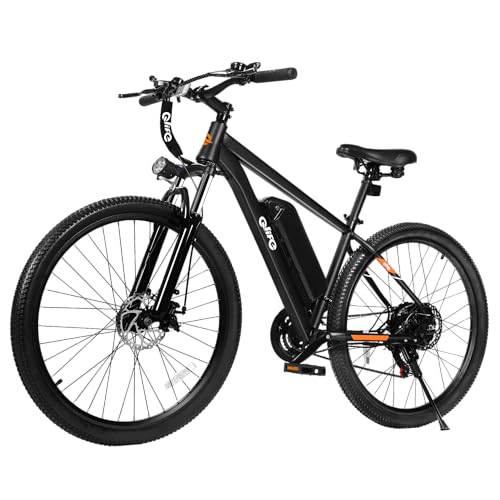
Qlife Racer Electric Bike, 1000W Motor, 21-Speed

HiKNiGHT Dual Motor Electric Bike, 52V 20AH Battery
Meet The Standout Selections
The 750W nominal motor makes this one of the most literal matches for the 750-watt class, while its listed peak output reaches 1000W. You get a folding frame, 20-inch tires, and front suspension for moving between a truck, cabin, and rough access road without sacrificing battery capacity.
For hunting trips shaped by gravel, packed dirt, and moderate slopes, the 48V 20Ah battery is more meaningful than the headline peak rating. Owners commonly report the removable pack as a practical feature, although mud and wet grass still demand careful tire cleaning.
What Pays Off
- True 750W nominal output targets the core category.
- Folding design improves transport and compact storage.
- Wide tires add stability on loose surfaces.
- The 48V 20Ah battery supports longer field rides.
Trade Offs
- The 7-speed drivetrain offers less fine tuning on steep routes.
- Fat tires increase rolling resistance on pavement.
- Range varies with rider weight, terrain, and assist level.
Feature Snapshot
Built With In Mind
This bike suits hunters carrying moderate loads across gravel roads and mixed outdoor surfaces.
Where Another Pick Shines
Qlife Racer Electric Bike fits steeper routes better because its 21-speed drivetrain provides more precise gear changes.
ACTBEST takes a different approach from the fat-tire models, using larger 26-inch or 27.5-inch wheels for a city-bike format. Its 500W brushless motor peaks at 1200W, making it a higher-output alternative rather than a true 750W model. Longer sealed-road rides are its strongest hunting-related use case.
The removable 48V battery provides a practical way to separate charging from the bike, while the listed 499.2Wh or 576Wh configurations create a meaningful choice depending on your exact Core ST variant. Compared with EUYBIKE’s folding design, this bike favors ride efficiency over compact storage.
Everyday Perks
- 500W motor supplies useful low-end power.
- Large wheels roll efficiently on pavement and gravel.
- Removable battery simplifies separate charging.
- 7-speed gearing keeps operation uncomplicated.
Worth Noting
- It falls outside a strict 750-watt selection.
- Narrower tires suit roads better than deep mud.
- Charging requires access to the removable pack.
Made For
Long-distance hunters using maintained forest roads and gravel rather than technical trails.
Reach For A Different Pick When
ZoulaGlide 750W Step-Thru Fat Tire Electric Bike suits loose terrain and low-step mounting better.
This ACTBEST listing centers on the Core ST 2.0 platform’s 500W brushless motor and 1200W peak output. That distinction matters because peak power describes short bursts, while the nominal 500W rating better represents sustained assistance. For loaded climbs, controlled application matters more than the largest headline number.
The compact city-bike format works well on access roads connecting rural properties to larger trail systems. You gain a straightforward 7-speed drivetrain, though the listing offers fewer terrain-specific details than the Kebiko model. Confirm the exact wheel size and battery configuration for your particular listing before planning a long route.
Where It Helps
- Brushless motor reduces routine drivetrain servicing.
- Peak output assists short climbing bursts.
- Simple gearing suits consistent road routes.
- Compact format eases everyday handling.
Small Caveats
- The listing lacks detailed tire and suspension information.
- Its 500W nominal motor misses the target rating.
- Long-distance range depends heavily on assist selection.
The Right Fit
Riders seeking simple electric assistance on rural pavement and maintained gravel will find its format approachable.
Look Elsewhere When
Kebiko 1000W Folding Electric Bike serves hunters who require fat tires and a foldable frame.
The Kebiko model combines a 1000W motor with a folding frame and 20-by-3-inch tires. That makes it particularly relevant to hunters working from small cabins, truck beds, or temporary lodging where a full-size mountain bike becomes awkward to store. It can transition from neighborhood pavement to modest dirt routes.
Its 48V 20Ah removable battery provides substantial capacity, but the listed 80-mile maximum is a best-case figure that terrain, temperature, load, and assist level can reduce. Owners should clean the wide tires after muddy outings because trapped debris adds drag and can affect folding hardware.
Practical Pluses
- Folding frame supports compact transport and storage.
- Three-inch tires handle gravel and loose dirt well.
- Removable battery permits separate charging.
- The motor offers stronger climbing output than a 750W nominal model.
- Wide tires improve balance over uneven access roads.
Practical Considerations
- Heavy, wide tires increase transport weight.
- Frequent folding requires care around the hinges.
- Maximum range assumes favorable riding conditions.
Quick Facts
Space Saver
This bike fits campers, apartment dwellers, and hunters who regularly move between vehicles and temporary bases.
Swap It Out When
Qlife Racer Electric Bike suits riders who need more precise gear control on steep, changing terrain.
The ZoulaGlide model is a direct 750W fit, combining a step-through frame with 26-by-3-inch fat tires and front suspension. The open frame lowers the mounting barrier for riders with limited flexibility, while the wider tires make sense on gravel, rutted paths, and soft ground near a hunting access point.
Its detachable battery supports charging away from the bike, which is useful during multi-day trips. You still need to account for frame size, loaded saddle position, and local trail rules, since no e-bike automatically translates into permission to ride on every hunting land.
Practical Advantages
- 750W motor meets the target power class.
- Step-through frame simplifies mounting with gear.
- Fat tires add confidence on uneven paths.
- Front suspension softens rough-road impacts.
- Detachable battery separates charging from storage.
Points To Keep In Mind
- Fat tires require more effort on pavement.
- The larger wheel size reduces folding practicality.
- Suspension and wide tires need regular cleaning.
Made For
This model suits riders who prioritize easy mounting, comfort, and stable handling on rough rural roads.
A Better Fit Elsewhere
EUYBIKE Folding Electric Bike 48V 20AH fits transport-conscious hunters better because its frame folds for compact storage.
The Qlife Racer looks more like a conventional electric mountain bike than the folding or low-step choices here. Its 21-speed drivetrain gives you finer control across steep grades, rolling dirt, and flat recovery stretches. A 1000W brushless motor adds climbing headroom, though it isn’t a nominal 750W option.
For a hunter moving across mixed terrain, that gearing can prevent unnecessary strain on the motor and tires. The step-over frame, narrower 26-by-2.1-inch tires, and removable 48V 375Wh battery also distinguish it from the HiKNiGHT model, which offers much larger tires and substantially more battery capacity.
What It Does Well
- 21 speeds accommodate changing terrain.
- 1000W motor assists loaded climbs.
- Narrower tires reduce pavement drag.
- Removable battery supports separate charging.
Areas To Watch
- The step-over frame may challenge some riders.
- The 375Wh battery is smaller than several alternatives.
- Owners commonly inspect chain wear after frequent high-force climbs.
- Its narrower tires are less suitable for deep sand.
Essential Details
Built For Varied Ground
Hunters using steep dirt climbs mixed with faster gravel roads benefit most from its broad gear selection.
Consider Something Else When
HiKNiGHT Dual Motor Electric Bike suits heavier loads and rough terrain where extra motor and battery capacity take priority.
HiKNiGHT takes the opposite approach from a controlled 750W hunting bike, combining two motors for a 4000W peak output. Dual-motor assistance, meaning power from more than one drive unit, favors forceful starts and demanding hills. The 52V 20Ah removable battery adds useful capacity for remote routes.
Its 24-by-4-inch tires, front and rear suspension, and hydraulic disc brakes suit rough gravel and off-road surfaces. That capability comes with meaningful weight, broad tire drag, and more drivetrain complexity to maintain, so the bike is more sensible for committed riders than occasional city trips.
Everyday Advantages
- Dual motors provide strong climbing assistance.
- The 52V 20Ah battery supports extended routes.
- Four-inch tires handle loose ground.
- Dual suspension improves control over uneven terrain.
- Hydraulic disc brakes offer controlled stopping.
Possible Compromises
- Peak output substantially exceeds the target class.
- The frame and wide tires are difficult to transport.
- Extra braking and drivetrain parts require attention.
Built For Heavy Routes
This bike suits experienced riders carrying substantial loads across steep, rough, and unpredictable terrain.
Another Choice May Suit
ZoulaGlide 750W Step-Thru Fat Tire Electric Bike provides a simpler 750W setup for maintained paths and easier mounting.
Matching Motor Power to Your Hunting Route
A 750W motor sits in a useful middle range for mixed routes. Continuous or nominal power indicates sustained assistance, while peak power describes the strongest short burst. For long gravel approaches, a 500W motor paired with a larger battery may be more useful than a short-duration 1200W peak figure.
Tire Choice Comes First
Fat tires increase contact and stability over loose dirt, sand, and mud. They also create more rolling resistance and require space on racks or inside vehicles. Narrower tires work efficiently on pavement and maintained gravel, so route quality should influence tire width before cosmetic preference.
Gearing Matters More Than Peak Power
A 7-speed system is easy to operate but offers fewer adjustments on steep ground. A 21-speed drivetrain gives you finer control as slope, surface, and load change. On sustained climbs, shifting into an appropriate lower gear reduces strain and helps preserve momentum.
Capacity Equals Sustained Support
Battery capacity is measured in watt-hours, which combines voltage with amp-hour capacity. Larger packs support longer distances between charging points, but heavier batteries can make lifting and transporting the bike harder. Your realistic route length should guide the balance.
Check Local Access Before Ordering
Confirm e-bike rules on public roads, private land, game areas, and designated trails. Frame fit, payload limits, local terrain, and charger access matter as much as motor output once a hunt begins.
Keeping the Right Features in Focus
Mistakes Worth Avoiding
Avoid choosing on peak wattage alone. Check frame access, route surface, cargo weight, battery placement, and local rules before ordering. A larger motor cannot correct poor fit, inadequate braking, or a route the bicycle cannot legally reach.
What Higher Power Changes
Higher-output models cost more through added motor, battery, braking, frame, and suspension hardware. They suit steep terrain, heavy equipment, and riders confident handling a large bike. Maintained roads and moderate loads may benefit more from a lighter 750W option.
Frequently Asked Questions
Are 750-watt electric bikes suitable for hunting?
A 750W motor can support moderate loads on gravel, packed dirt, and moderate slopes. Battery capacity, tire width, gearing, and local access rules also determine how practical it is.
How much electric bike range do I need?
Calculate your longest round trip and add margin for hills, wind, cold, and heavier battery use. A route near the listed range limit offers little room for detours or variable terrain.
Are fat tires better for hunting trails?
Fat tires provide stability on loose ground and moderate mud. They feel heavier and slower on pavement, so narrower tires remain better for roads and smooth fire lanes.
Can I carry hunting equipment on an e-bike?
Use a rack rated for the bike’s payload, secure heavy loads, and distribute weight low and evenly. Tire pressure, brakes, and cargo clearance require checking before departure.
Which battery is easiest to transport?
A removable battery lets you charge and carry the power source separately from the frame. Consider its weight, charging location, and protection from moisture during long trips.
Closing Verdict
The right hunting e-bike depends on your terrain and logistics, not motor size alone. EUYBIKE and ZoulaGlide match the nominal 750W focus, while Kebiko adds folding convenience. Qlife handles varied gearing well, and HiKNiGHT prioritizes extreme terrain capability. Match the bicycle to the route, confirm access rules, and carry a sensible margin for changing conditions.
