


Choosing a battery pack for a DIY electric trike, scooter, motorcycle, golf cart, or off-grid setup starts with matching voltage, capacity, and physical space. These LiFePO4 options cover very different roles, from compact 12V power modules to high-capacity 72V packs and complete charger kits, so the right choice depends on your electrical layout rather than capacity alone.
A Side-By-Side Look
Elbikeflux 72V 48Ah LiFePO4 Battery Kit
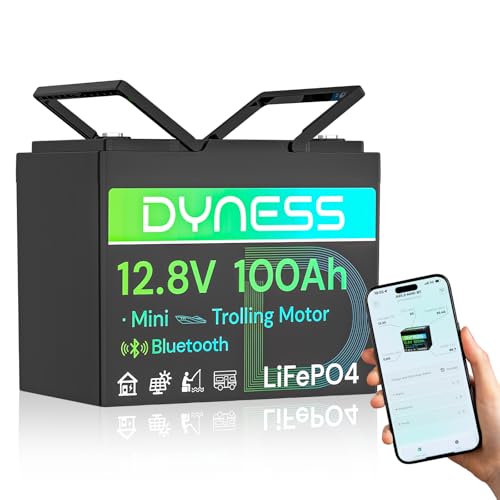
Dyness 12V 100Ah Bluetooth Battery

Xtuboz 72V 10A LiFePO4 Battery Charger
Dyness 36V 100Ah Golf Cart Battery Kit

Dyness 24V 100Ah Bluetooth LiFePO4 Battery
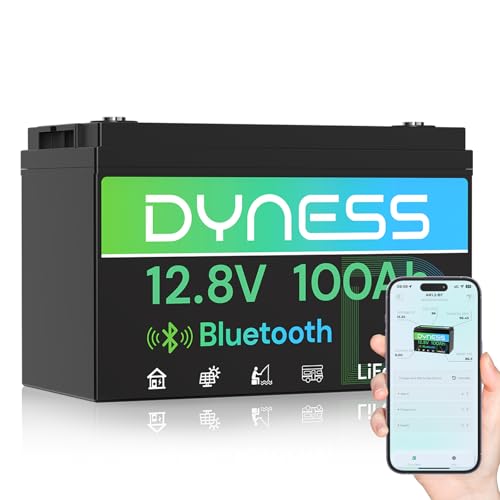
Dyness 12V 100Ah Bluetooth LiFePO4 Battery
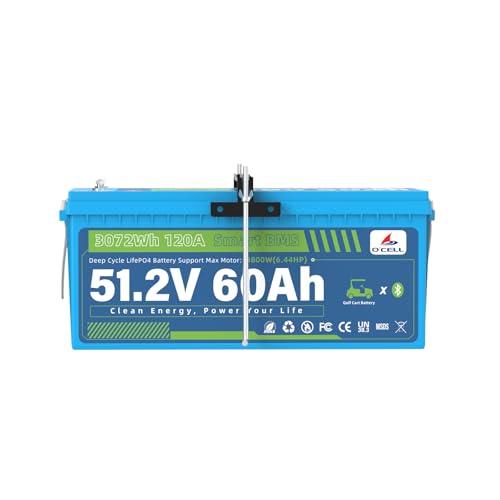
OCELL 48V 60Ah Golf Cart Battery Kit
A Breakdown Of The Leading Choices
The Elbikeflux pack is built around a 72V platform and a 48Ah capacity, giving DIY electric trike and scooter builders more stored energy than a typical small mobility pack. Its 4.68 kWh rating makes it relevant to longer routes, heavier frames, and projects where range matters more than minimum weight.
Unlike the 12V Dyness models, this is a complete high-voltage foundation rather than a modular household battery. The listed 50A BMS, Anderson and XT90 connections, and included 5A charger make it more practical for a dedicated mobility build, although connector placement and mounting space still need checking before installation.
The Upside
- 4.68 kWh of stored power supports extended DIY trips and heavier electric platforms.
- The 50A BMS provides a defined protection layer for a high-voltage pack.
- Anderson and XT90 connections offer practical options for mobile power wiring.
- The included 5A charger simplifies the initial charging setup.
- The listed 4000-cycle rating supports long-term ownership planning.
Things To Consider
- The 5A charger is modest for a 48Ah pack, so overnight replenishment can take longer.
- Owners need to confirm the battery case dimensions, weight, and enclosure clearances.
- A display is useful, but the pack still requires compatible controllers and wiring.
Built With In Mind
This pack suits experienced DIY builders running long routes on a 72V trike, scooter, or motorcycle conversion.
Where Another Pick Suits Better
The Dyness 12V 100Ah Bluetooth Battery is a better fit for RV or trolling-motor users who need lower-voltage modular capacity.
The Dyness 12V 100Ah Bluetooth Battery targets installations where 100Ah capacity matters but a full 24V or 48V bank would be excessive. It fits the typical role of a trolling-motor battery, RV accessory battery, or backup module, with Bluetooth monitoring adding visibility into voltage, current, and system status.
Its mini-style format should appeal to people working inside crowded compartments, though the exact case dimensions need comparison against your battery tray. Compared with the Elbikeflux 72V pack, this choice prioritizes flexible low-voltage deployment over high-output mobility energy.
What Earns Its Place
- 12V 100Ah capacity provides useful energy for marine and RV accessories.
- Bluetooth monitoring helps you check operating data without opening the compartment.
- The mini format can reduce space compared with larger Group 24-style cases.
- Multiple pack configurations support expansion for larger systems.
Minor Gripes
- Bluetooth monitoring requires proximity to the battery for the listed connection range.
- One 12V unit will not replace a 72V pack without multiple batteries and proper series configuration.
- Terminal orientation and cable clearance should be checked before a tight installation.
Made For
You’ll get the most value in a trolling motor, compact RV, or mobile 12V installation where monitoring and capacity matter.
Consider Something Else When
The Elbikeflux 72V 48Ah LiFePO4 Battery Kit makes more sense for a complete high-voltage electric vehicle build.
The Xtuboz charger is a supporting component rather than a battery, but that distinction matters for anyone assembling a 72V pack from separate cells or modules. It is designed for a 76.8V 24-string LiFePO4 configuration, giving DIY builders a more purpose-specific charging option than a generic power supply.
Its 10A output is higher than the charger included with the Elbikeflux 48Ah pack, though that does not mean it suits every 72V battery. Confirm polarity, connector type, chemistry, and charging profile before connecting it, especially on a custom build with a battery-management system.
Advantages To Know
- Designed around the common 76.8V, 24-string LiFePO4 layout.
- A 10A charging rate offers more capacity than a small 5A charger.
- Supports a cleaner DIY charging setup for custom 72V packs.
Points To Note
- The charger must match your battery’s voltage and connector arrangement.
- It is not a substitute for a complete battery-and-charger package.
- Custom electrical work requires careful attention to polarity and BMS limits.
The Right Fit
This charger fits DIYers who already have a compatible 76.8V LiFePO4 pack and need dedicated charging hardware.
Reach For A Different Pick When
The Dyness 36V 100Ah Golf Cart Battery Kit is the better option when you need a battery, charger, display, and monitoring system together.
This Dyness kit is aimed at people replacing a lead-acid golf cart bank who want a complete, higher-capacity package. The 36V 100Ah battery, 25A charger, Bluetooth app, LCD display, and 200A BMS cover the core pieces needed for a cart or compatible mobile power project.
For RV or solar users, the 36V format requires more careful system design than a single 12V battery. The case dimensions and listed weight are worth measuring before purchase, while the display and app make ongoing checks more convenient than relying on a basic voltage meter.
Bright Spots
- The kit includes a 36V 25A charger, reducing separate accessory shopping.
- The 100Ah battery provides a substantial capacity increase for demanding carts.
- Bluetooth app monitoring and an LCD display improve status visibility.
- The 200A BMS is suited to substantial discharge requirements.
- The listed 4000+ cycle rating supports long-term planning.
Practical Considerations
- The battery case is sizable, so compartment measurements matter.
- At approximately 63 pounds, handling during installation needs planning.
- Your charger, controller, and wiring must all suit a 36V system.
Who Should Grab It
Golf cart owners with a measured 36V bay and room for a high-capacity lithium replacement will find this kit especially practical.
Another Choice May Suit
The OCELL 48V 60Ah Golf Cart Battery Kit is a better match for standard 48V carts needing a pre-matched installation package.
The 24V 100Ah Dyness battery sits between portable 12V modules and high-voltage vehicle packs. Its 2,560Wh rating gives it useful scale for 24V trolling motors, boats, RV equipment, and solar storage, while Bluetooth monitoring helps you keep an eye on operating status.
Compared with the 12V Dyness options, it reduces the number of batteries needed for a 24V architecture. That simplification is appealing, although motor voltage, current draw, and enclosure space need to be checked before installation, particularly in a compact boat compartment.
Real-World Strengths
- The 2,560Wh capacity supports larger 24V loads than one 12V module.
- Bluetooth monitoring provides a convenient way to review battery data.
- One 24V unit can simplify wiring compared with a matched 12V pair.
Trade Offs
- It is heavier and larger than a typical 12V battery, so mounting space matters.
- Some 24V motors or controllers may require specific wiring and current settings.
- Charging equipment must be selected separately.
Built For
Boat owners, RV users, and off-grid builders needing a compact 24V energy reserve will appreciate this format.
A Better Fit Elsewhere
The Dyness 12V 100Ah Bluetooth Battery is more flexible for smaller compartments and expandable low-voltage systems.
The Dyness 12V 100Ah Bluetooth LiFePO4 battery is a general-purpose choice for RV, solar, and off-grid projects where 12V is the native system voltage. Compared with the earlier Dyness 12V Bluetooth Mini, this version’s larger-capacity format may suit installations that need more runtime from a single battery position.
Bluetooth monitoring through the Dyness app gives you visibility into voltage, current, and capacity without adding a separate display. It is still important to match the battery to your charge controller and wiring, since a Bluetooth feature does not replace proper electrical configuration.
What Works In Its Favor
- 100Ah capacity offers meaningful runtime for common 12V accessories.
- Bluetooth monitoring helps track electrical status from your phone.
- The LiFePO4 format suits deep-cycle applications better than a starting-only battery.
- Multiple configuration options support different system sizes.
Small Caveats
- Monitoring depends on the stated Bluetooth connection range.
- Parallel or series expansion requires correctly matched wiring and compatible protection.
- Case weight and terminal access can make a full installation less convenient.
Who Will Love This
You’ll appreciate this battery in an RV or solar cabinet where 12V equipment and app-based monitoring are priorities.
Skip It When
The Dyness 24V 100Ah Bluetooth LiFePO4 Battery is the better option for a 24V motor or system designed around fewer, higher-voltage connections.
OCELL packages the battery, charger, display, monitoring hardware, and hold-down hardware into a 48V golf cart kit. That all-in-one approach is useful for owners who want fewer separate parts and a more cart-focused installation, rather than assembling a custom system from individual components.
The 58.4V 15A charger, 120A Bluetooth BMS, LCD display, retention hardware, and listed IP67 water resistance support everyday outdoor use. The 48V format still requires you to confirm bay dimensions and controller compatibility, especially on carts with unusual battery trays.
Strong Points
- The included charger and display reduce the number of separate purchases.
- The 120A BMS is suited to a high-output golf cart application.
- Bluetooth monitoring makes status checks more accessible.
- Hold-down hardware supports installation in a moving cart.
- The listed IP67 rating adds confidence around outdoor moisture exposure.
Where It May Fall Short
- The kit is specifically designed around 48V carts, so it may not suit other platforms.
- The battery and charger require compatible 48V charging controls and wiring.
- Measure the battery bay before installation, especially with added retention hardware.
Right Fit For
Golf cart owners seeking a ready-made 48V upgrade with the main installation pieces included will find this kit straightforward to plan around.
Swap It Out When
The Dyness 36V 100Ah Golf Cart Battery Kit is a better fit for a cart or RV system built around 36V rather than 48V.
Choosing Battery Packs by Electrical Fit
Match the nominal voltage first
A battery’s nominal voltage must match the motor, controller, charger, and wiring architecture. A 72V pack belongs in a 72V system, while a 12V or 24V battery serves a different load profile. Capacity comes second because more amp-hours add runtime, not compatibility.
Check physical space and weight
Battery cases need to fit the compartment with terminals, cables, ventilation, and mounting hardware in mind. Heavy 100Ah modules can require stronger supports and careful handling, especially in carts, boats, and RVs.
Look at BMS and monitoring
A BMS, or battery management system, helps coordinate charging, discharge, and cell protection. Bluetooth monitoring adds visibility into voltage, current, and capacity, but the app cannot compensate for an incorrect charger or undersized wiring.
Consider charging time
Charging speed depends on battery capacity and charger output. A larger battery may need more hours to recharge, and a charger with a lower current can be gentler but slower. Confirm chemistry, voltage, polarity, connector type, and BMS limits before connecting any unit.
Key Considerations Across These Picks
Common Shopping Slip Ups
A common mistake is choosing by amp-hours alone. Voltage, connector type, case size, and charger compatibility determine whether the pack can work safely in your setup. Measure the compartment and inspect the controller before ordering.
What Separates Premium From Basic
Higher-cost packs may add Bluetooth monitoring, displays, stronger BMS ratings, water resistance, or bundled installation hardware. Those features help most when you value visibility and organized installation, while a simpler charger or battery may suit a basic project with a carefully planned layout.
Frequently Asked Questions
Which voltage is right for a DIY electric trike?
Choose the voltage used by the motor and controller system, commonly 48V or 72V for larger mobility builds. The charger and battery must match that architecture.
Can a 12V LiFePO4 battery replace lead-acid power?
It can serve many 12V deep-cycle roles, including RV accessories and trolling-motor systems, but voltage, current, wiring, and charging requirements still need confirmation. A single 12V unit may not provide the same operating voltage as a multi-battery lead-acid bank.
What does Bluetooth monitoring show?
The Dyness models provide battery information through the associated app, including readings such as voltage, current, and capacity. Connection range and app availability still matter during setup and daily use.
How much physical space does a 100Ah battery need?
Measure the complete case, including terminals and mounting clearance, rather than relying only on advertised capacity. Larger batteries also add weight, so supports and handling deserve attention.
Do these packs come with chargers?
The Elbikeflux pack and Dyness 36V kit include listed chargers, while the OCELL kit includes a 58.4V 15A charger. The Dyness 12V, 24V, and Xtuboz charger options require separate compatibility checks.
Final Verdict
The Elbikeflux 72V 48Ah pack is the most relevant option for a high-voltage DIY mobility build, while the Dyness modules suit lower-voltage marine, RV, and off-grid systems. The Dyness 36V kit and OCELL 48V package are stronger choices for cart upgrades, with the OCELL option offering the most gathered installation package. Match voltage and dimensions first, then choose the charging and monitoring features that fit your actual system.
