


Choosing the right power source matters more than the label on the box. A 6-volt system can serve a deer feeder, emergency light, lantern, solar setup, or another small device, yet the practical differences come down to capacity, terminal style, physical fit, and charging needs. The following picks cover those practical roles, while the larger Power Queen models show how 12V and 24V systems differ from a conventional 6V application.
You’ll find compact sealed lead-acid options for feeders and exit signs, a higher-capacity AGM pair for backup use, and a six-pack of lantern batteries for outdoor routines. The larger LiFePO4 models aren’t direct substitutes for a 6V device, but they help clarify when a higher-voltage system is the more sensible foundation for an RV or marine build.
A Snapshot Of The Selections
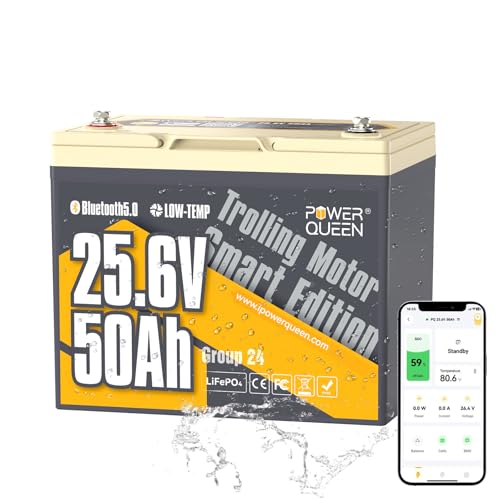
Power Queen 24V 50Ah LiFePO4 Bluetooth Battery

Power Queen 12V 100Ah LiFePO4 Trolling Motor Battery

Mighty Max 6V 4.5Ah Rechargeable Feeder Battery

Battery Hawk UB645 6V 4.5Ah Exit Sign Battery

ExpertPower EXP6100 6V 10Ah AGM Two-Pack

Power Queen 12V 100Ah Bluetooth Group31 Battery
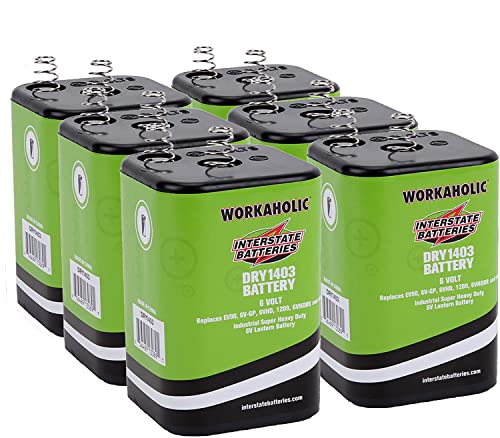
Interstate Batteries 6V Lantern Six-Pack
The Picks, Examined More Closely
A 24V system changes the scale of an RV power setup, so this Power Queen model makes the most sense for a larger battery bank rather than a single 6V appliance. Its Bluetooth monitoring gives you a phone-based view of operating status, which is useful during a fishing trip or while troubleshooting a system parked at camp.
The LiFePO4 chemistry, meaning lithium iron phosphate, is built around stable chemistry and useful cycle behavior. You’ll need compatible 24V charging equipment, and the battery’s size and weight deserve planning before you install it.
A Strong Showing
- Bluetooth status checks reduce the need to access the battery compartment during routine monitoring.
- The 24V configuration suits higher-voltage RV or marine systems with the correct charger and controller.
- LiFePO4 chemistry is a practical match for repeated charging cycles and sustained stationary use.
Points To Note
- It is not a direct replacement for a 6V feeder or lantern battery.
- Bluetooth adds convenience, but the battery still needs correct wiring and charging protection.
Key Details
Made For Higher-Voltage Builds
This battery fits RV owners and marine users designing a 24V system with compatible charging equipment.
A Better Fit Elsewhere
For a standalone deer feeder, the Mighty Max 6V 4.5Ah battery is a closer match than this 24V model.
Boaters looking for sustained trolling-motor support will find the 12V 100Ah rating more relevant than a small 6V battery. It offers substantial stored capacity for long days on the water, while the marine focus helps distinguish it from general-purpose RV storage.
The listed design includes protection against low-temperature charging and discharging, which matters in cold offshore conditions. That protection doesn’t eliminate the need for a charger matched to LiFePO4 chemistry, so your electrical plan still matters.
Bright Spots
- 100Ah capacity gives a trolling motor more room for extended operation than a small SLA battery.
- Low-temperature cutoffs help reduce charging or discharge in cold conditions.
- The 12V format is familiar for marine electrical systems, though connections and charger compatibility still need checking.
Trade Offs
- The higher capacity and LiFePO4 format create a substantial physical and charging-system commitment.
- It cannot replace a 6V battery without a suitable converter or redesigned power system.
Built With In Mind
This model suits boaters with compatible 12V charging equipment and a trolling-motor setup that needs more capacity.
Consider Something Else When
The Interstate Batteries 6V Lantern Six-Pack fits portable lighting rather than a high-output trolling motor.
A deer feeder needs a battery that fits the enclosure and survives a season outdoors. This compact 6V 4.5Ah sealed lead-acid battery is designed for that kind of duty, with a maintenance-free sealed format and mounting flexibility that suit remote installations.
SLA means sealed lead-acid, a rechargeable chemistry that doesn’t require routine watering. The trade-off is weight and a lower energy density than lithium alternatives, so the battery is better for a modest feeder load than for powering a whole RV circuit.
Practical Pluses
- Its 6V rating matches common deer-feeder systems directly.
- The small dimensions make it easier to fit inside a tight feeder compartment.
- The sealed construction simplifies routine ownership because there’s no liquid electrolyte to service.
Minor Gripes
- The 4.5Ah rating provides less runtime than the larger ExpertPower 10Ah AGM pair.
- Wiring and mounting hardware are not included, so your feeder may need separate parts.
The Right Fit
This battery suits deer feeders and other compact 6V applications where enclosure space and simple recharge cycles are priorities.
A Better Fit Elsewhere
Choose the ExpertPower EXP6100 6V 10Ah AGM Two-Pack when runtime and higher capacity matter more than a single compact unit.
Exit signs demand a replacement that matches the original electrical and terminal arrangement. The Battery Hawk UB645 is positioned as a direct replacement for UB645-style emergency-light applications, which narrows the decision considerably for facilities with a known battery footprint.
Its F1 terminals suit equipment using that connector style, but a replacement still needs a correct voltage, capacity, and physical fit. In a busy hallway, avoiding a mismatched terminal saves time compared with adapting a general-purpose battery on the spot.
Good Reasons To Consider
- UB645 replacement labeling helps narrow the fit for compatible exit-sign units.
- F1 terminals match the common connector format named in the listing.
- The focused emergency-light purpose makes it easier to pair with an existing replacement cycle.
Some Limits To Know
- The listing gives fewer broad-use details than the feeder and solar options in this roundup.
- A terminal match alone doesn’t confirm that every enclosure, circuit, and mounting point is identical.
Made For
Facility managers replacing a compatible 6V exit-sign or emergency-light battery benefit most from this focused design.
Look Elsewhere When
The Mighty Max 6V 4.5Ah Rechargeable Feeder Battery is the better fit for a remote deer feeder than an exit-sign-only model.
For a 6V setup that may see standby periods and repeated use, the ExpertPower EXP6100 pair offers more capacity than a single 4.5Ah unit. AGM, or absorbed glass mat, is a sealed lead-acid format designed to limit maintenance while supporting both standby and cyclic use.
That makes this set useful for emergency lights, deer feeders, solar storage, and compatible small equipment. You’ll still need to confirm the charger, F1 terminal arrangement, and current draw before connecting it, because capacity alone doesn’t guarantee compatibility.
Real-World Strengths
- 10Ah capacity gives a feeder or backup light more runtime than a 4.5Ah battery.
- The sealed AGM construction removes routine liquid maintenance.
- Two units let you keep a spare, rotate replacements, or serve separate compatible devices.
- F1 terminals make it a practical option for equipment designed around that connector style.
Practical Considerations
- The pair is heavier and bulkier than a single compact feeder battery.
- Compatibility depends on the device’s charging system, terminals, and space.
Who It Suits Best
This set suits RV owners, campers, and homeowners needing dependable 6V capacity for feeders, lighting, or solar storage.
Reach For A Different Pick When
The Mighty Max 6V 4.5Ah Rechargeable Feeder Battery is easier to carry when a single low-capacity unit is enough.
The Group31 format gives this Power Queen model a familiar footprint for a 12V marine or trolling-motor installation, while 100Ah provides a substantial power reserve. Bluetooth monitoring is especially useful on a boat, where checking state of charge, voltage, and battery status from your phone can reduce unnecessary compartment visits.
This is a 12V model, not a 6V device battery. The larger lithium-iron-phosphate system makes sense when your boat, RV, or solar project needs a higher-voltage bank, provided your charger, cables, and controller are designed for that chemistry.
Points In Its Favor
- Bluetooth access gives you a convenient phone-based view of key battery data.
- The Group31 case targets a recognizable form factor for common 12V installations.
- 100Ah capacity suits applications needing longer runtime than a small 6V battery can provide.
Details To Watch
- It requires a 12V system and compatible charging equipment.
- Size and weight make installation planning important in a compact battery compartment.
Key Product Details
Who Will Love This
Boaters and RV owners with a compatible 12V system will appreciate the monitoring and high-capacity format.
Another Choice May Suit
The Battery Hawk UB645 fits a compatible 6V exit-sign replacement, where this 12V Group31 battery would be too large and the wrong voltage.
Lanterns and camping lights need portable power that is easy to organize, so a six-pack offers a practical way to keep replacements together. The 7000mAh square-format batteries are aimed at compatible 6V lantern and flashlight applications, including household lamps and outdoor gear.
Spring terminals are the key installation detail, and you’ll need to compare them with the contacts in your device. The set is a better fit for light equipment than for a feeder or RV house bank, where continuous draw and charging conditions are different.
The Good Stuff
- Six batteries provide a convenient reserve for camping trips, lanterns, and compatible flashlights.
- The 7000mAh rating provides a more useful portable option than a small emergency-light cell for longer lighting sessions.
- Spring-terminal construction is suited to devices designed for spring contacts.
Worth Noting
- Square batteries may not fit lantern compartments designed for cylindrical cells.
- Six units create more storage and replacement organization than a single-battery setup.
Whose Shelf It Belongs On
Campers and households with compatible spring-terminal lanterns benefit from the organized six-pack format.
Swap It Out When
The ExpertPower EXP6100 6V 10Ah AGM Two-Pack is a stronger fit for a feeder or stationary backup device.
Choosing A Battery For The Job
A 6V battery’s voltage is only the first checkpoint. Confirm the device’s required voltage, terminal style, physical dimensions, and charging method before ordering. A deer feeder with F1 terminals will not automatically accept a spring-terminal lantern battery, and an emergency sign may need a specific replacement footprint.
Capacity describes how much stored energy the battery offers, while Ah measures amp-hour capacity. A higher Ah value can extend runtime between charges, though it may also add weight and require a charger sized for the battery. Choose capacity based on the load and the amount of downtime between charging opportunities.
Sealed lead-acid batteries, including SLA and AGM designs, are common for feeding, lighting, and small backup systems. LiFePO4 batteries provide a different voltage platform and often fit larger RV, marine, and solar installations. Never connect a 6V device directly to a 12V or 24V battery; use equipment designed for the higher voltage or a properly engineered converter.
Match The Terminals
F1 terminals and spring terminals are not interchangeable by appearance alone. Check the connector type, polarity, cable gauge, and the space around the battery. A secure electrical connection helps prevent intermittent operation, especially in a moving RV, a boat, or an outdoor feeder exposed to vibration.
Think About Charging
A sealed battery still needs the correct charger. The charger’s chemistry setting and voltage range should match the battery, and a solar controller may be necessary for a solar-charged setup. Charge in a ventilated, dry location and follow the device manufacturer’s connection guidance.
Size For Real Use
A compact 4.5Ah battery can suit a modest feeder, while a 10Ah AGM pair can be more appropriate for longer runtime or backup applications. Lantern users may value a six-pack over one larger stationary battery. Measure the compartment first, then account for cables, ventilation, and the space needed to remove the battery for maintenance.
Common Battery Mistakes
Wrong Voltage Matters
A battery with a higher voltage can damage a device designed for 6V. Treat the 12V and 24V Power Queen models as separate system choices, not automatic upgrades for a 6V appliance.
Check The Connector
A similar-looking terminal can create a poor fit or reversed connection. Compare the manufacturer’s terminal specification and your existing wiring before purchasing.
What Higher Capacity Changes
A higher-capacity battery generally provides more runtime, while the physical trade-off is added size and weight. Feeder owners may prefer a 10Ah AGM pair, whereas portable lantern users may prefer several smaller cells. Larger LiFePO4 systems make more sense for marine or RV electrical architectures that already operate at 12V or 24V.
Frequently Asked Questions
Can a 6V battery power an RV?
Yes, a 6V battery can serve compatible RV devices, but many RV systems require 12V power. Check the device voltage before connecting anything.
Are 6V batteries rechargeable?
Yes. The sealed lead-acid and AGM options listed here are rechargeable, but each device needs a compatible charger and proper terminals.
Is higher Ah better for a deer feeder?
Higher Ah can extend runtime between charges, though it adds weight. Match the capacity to the feeder motor, solar charging setup, and available compartment space.
Can I use an F1 battery in a lantern?
Only when the lantern uses compatible F1 connections and accepts the battery’s voltage and dimensions. Spring-terminal batteries suit different devices.
Are 12V and 24V batteries direct replacements for 6V batteries?
No. A 12V or 24V battery requires compatible equipment or a properly engineered conversion system. Never connect it directly to a 6V-only device.
Final Verdict
Choose the Mighty Max for a compact deer feeder, the ExpertPower pair for higher 6V capacity, and the Interstate six-pack for compatible lantern use. The Battery Hawk UB645 makes sense for matching an exit-sign replacement, while the Power Queen models suit larger 12V or 24V systems rather than 6V appliances. Start with voltage, terminals, dimensions, and charging requirements.
