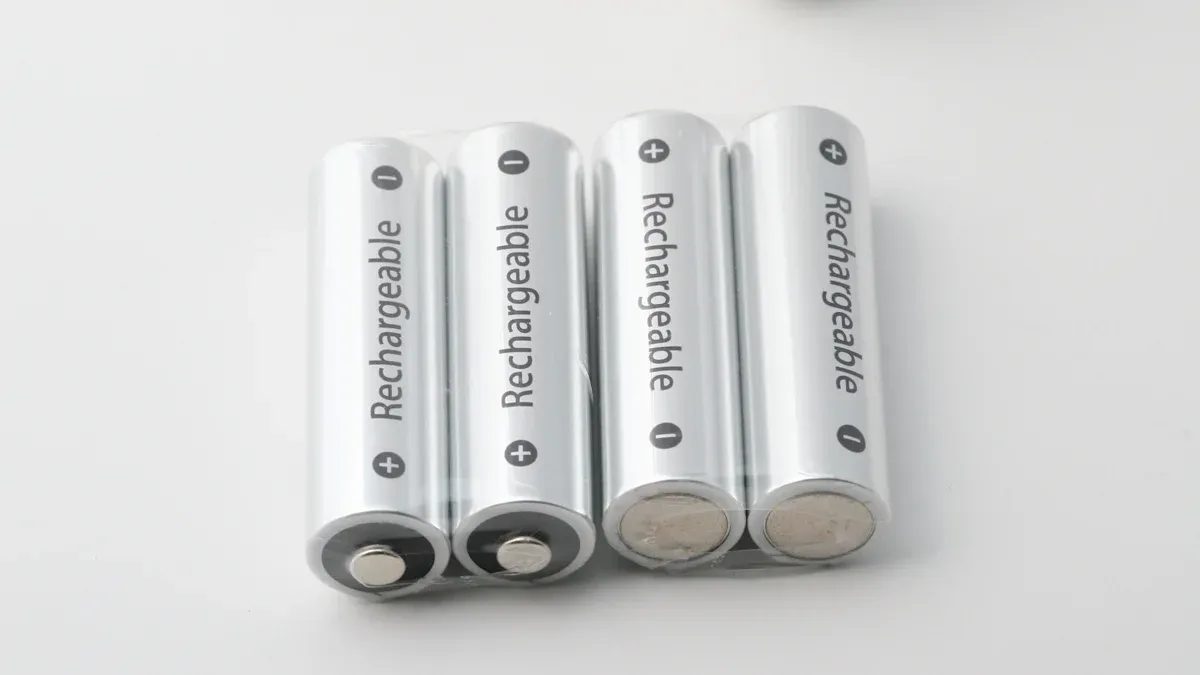
Battery overheating is a serious issue you can’t ignore. It can lead to dangerous situations like fires and explosions. In fact, thermal runaway causes 77% of fire incidents in electric vehicles. Addressing battery problems quickly can prevent these risks and keep you safe.
Remember, taking action now can save you from bigger headaches later!
Key Takeaways
Battery overheating can lead to serious safety risks, including fires. Act quickly to prevent dangerous situations.
Recognize signs of overheating, such as swelling or high temperature, to take action before damage occurs.
Implement preventive measures like proper storage and usage to keep your battery cool and extend its lifespan.
Battery Overheating
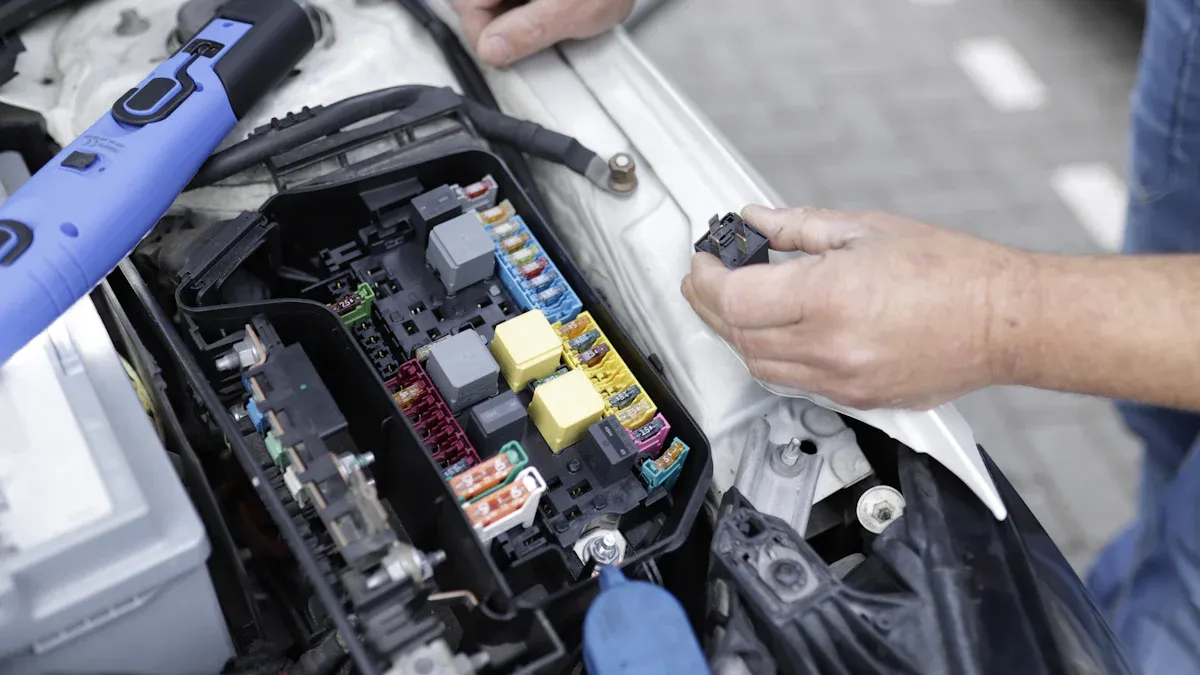
Effects of Overheating
Battery overheating can lead to serious consequences for both performance and safety. Here’s a quick look at the short-term and long-term effects:
Effect Type | Short-term Effects | Long-term Effects |
|---|---|---|
Performance | You may notice reduced performance due to heat exposure. Your device might lag or respond slowly. | Over time, you could experience diminished overall performance as the battery degrades. |
Longevity | Overheating can shorten the battery’s lifespan, leading to accelerated degradation. | Eventually, you might face a significant reduction in battery lifespan, requiring replacements sooner than expected. |
Safety Risks | Increased risk of thermal runaway can occur, putting you and your device at risk. | In the worst-case scenario, you could face potential catastrophic failure, which is dangerous. |
Heat accelerates internal changes in lithium-ion batteries, weakening them over time. Keeping your devices in cooler environments is essential to mitigate these effects.
Signs of Overheating
Recognizing the signs of battery overheating can help you take action before it leads to device failure. Here are some physical signs to watch for:
Sign of Overheating | Description |
|---|---|
Deformation or Swelling | If you notice the battery casing bulging or distorting, it indicates serious internal problems. |
Odor or Smoke | A burning smell or smoke signals an internal breakdown. Act immediately, as these often precede dangerous conditions. |
Abnormally High Temperature | If the battery feels uncomfortably hot to touch, it clearly indicates overheating. |
Decreased Charging or Discharging Efficiency | If your device runs out of power quickly or charges slowly, overheating may have damaged the battery’s chemistry. |
By staying alert to these signs, you can prevent further damage and ensure your devices remain safe and functional.
Causes of Battery Problems
Environmental Factors
Your battery’s performance can suffer due to environmental conditions. Here are some common factors that contribute to overheating:
Using your device in high ambient temperatures.
Leaving it in direct sunlight for extended periods.
Consistently using it while charging.
In hot environments, the battery struggles to dissipate heat effectively. This can lead to excessive battery drainage and even cause your battery to keep dying unexpectedly. Ideally, lithium batteries should operate between 15 °C and 35 °C. Exceeding 70 °C can trigger thermal runaway, which is dangerous.
Usage Patterns
How you use your device can also impact battery health. Certain habits can lead to overheating:
Usage Pattern | Effect on Battery Overheating |
|---|---|
High Screen Brightness | Increases power consumption, leading to overheating. |
Continuous Background Scanning | Drains battery faster, especially in low coverage areas. |
Use of Power-Intensive Applications | Consumes significant energy, contributing to overheating. |
Running Networking Services (GPS, etc.) | Continuously searches for connections, increasing power usage. |
These patterns can lead to excessive battery drainage, making your battery more prone to dying.
Battery Age
As batteries age, their thermal safety properties change. Older batteries are more susceptible to overheating. Here’s what you should know:
Key Findings | Description |
|---|---|
Relationship between battery age and overheating | Aging batteries have a higher risk of thermal runaway. |
Aging mechanisms | Changes in battery materials can lead to structural issues. |
Monitoring battery health becomes crucial as it ages. You can track battery impedance to understand its operational status. This helps you identify when your battery is exhibiting concerning behavior versus normal aging.
By being aware of these causes of overheating, you can take steps to protect your battery and maintain its performance.
Quick Solutions for Overheating
Immediate Actions
If you find yourself dealing with an overheating battery, taking immediate action is crucial. Here’s what you should do to cool it down safely:
Unplug the Charger: If your battery is connected to a charger, unplug it immediately. This helps stop further heat generation.
Submerge the Battery: If the battery is extremely hot or on fire, submerge it in a sturdy container filled with water. Make sure to do this for at least 24 hours.
Use Protective Gear: Always wear personal protective equipment (PPE) like gloves and goggles when handling an overheating battery. This keeps you safe from potential hazards.
Keep Distance from Combustibles: Move the battery at least 15 feet away from any flammable materials. This reduces the risk of fire spreading.
Avoid Direct Contact: Use a long-handled shovel to move the battery without touching it directly. This minimizes your exposure to heat.
If water isn’t available, pour large amounts of water over the battery to cool it down. Once the flames subside, transfer it to the water container as soon as possible. Remember, safety first!
Preventive Measures
Preventing overheating is just as important as knowing how to react when it happens. Here are some effective tips to keep your battery cool and functioning well:
Proper Usage: Avoid using your devices on heat-insulating surfaces. This can trap heat and lead to overheating. Manage your workloads to reduce heat generation.
Proper Storage: Store your battery at room temperature and keep it partially charged if you won’t use it for a while. This helps maintain its health.
Regular Cleaning: Clean battery terminals regularly to ensure efficient electrical connections. Dirt and corrosion can disrupt flow and cause overheating.
Use Cooling Accessories: Consider using cooling pads or external fans, especially for laptops. These can help dissipate heat effectively.
Battery Replacement: If your battery is old, consider replacing it. Aging batteries are more prone to overheating due to increased internal resistance.
Additionally, parking your vehicle in shaded areas can significantly reduce battery temperature. Prolonged exposure to high temperatures can harm your battery and other components. Also, avoid charging during peak heat hours. Charging generates heat, so doing it during cooler times, like early mornings or evenings, can help preserve battery longevity.
By following these battery safety tips, you can enhance performance and extend the life of your battery.
Addressing battery overheating quickly is crucial for your safety and device performance. Remember to implement the solutions we’ve discussed.
Industry experts emphasize the need for prompt action to prevent risks like thermal runaway and fires.
Stay proactive, and keep your battery healthy!