Battery health plays a crucial role in the performance of your devices. To effectively diagnose a faulty battery, it’s important to recognize the signs of battery issues, as a faulty battery can lead to unexpected failures and diminished device efficiency. Studies show that 11% of battery energy storage system failures stem from battery problems. By being proactive in maintaining your battery, you can prevent costly emergency repairs and extend its lifespan. Regular checks can help you avoid disruptions and keep your devices running smoothly.
Key Takeaways
Recognize signs of a faulty battery, such as difficulty starting, dimming lights, and corrosion on terminals. Early detection can prevent breakdowns.
Perform regular voltage tests using a multimeter. A healthy battery should read between 12.4V and 12.8V when the engine is off.
Clean battery terminals regularly to prevent corrosion. Use a mixture of baking soda and water or a store-bought cleaner for effective results.
Check battery connections to ensure they are tight and secure. Loose connections can lead to performance issues and unexpected failures.
Seek professional help if you notice persistent battery problems or if your battery is older than three to five years. Timely action can save you money and hassle.
Signs of a Dead Car Battery
Difficulty Starting
One of the most common signs of a dead car battery is difficulty starting your vehicle. When you turn the key, you may notice a slow crank or even a complete failure to start. This happens because a weak battery struggles to provide enough power to the starter motor. You might hear a clicking sound instead of the engine starting, which indicates insufficient power.
Here are some symptoms to watch for:
Slow Cranking: The engine cranks more slowly than normal when starting.
Clicking Sounds: A weak battery sends insufficient power to the starter, causing it to emit a clicking sound.
Warning Light: A battery or charging system warning light may illuminate on your dashboard.
Frequent Jumpstarts: If you find yourself needing jumpstarts more often than usual, your battery may be failing.
Dimming Lights
Another clear indicator of a dead car battery is dimming lights. If you notice that your headlights or interior lights flicker or appear dim, this suggests that the battery struggles to provide consistent power. Dimming lights can also affect your visibility while driving, making it a safety concern.
Visual signs can also indicate battery issues:
Swollen Battery Case: A swollen battery case indicates excessive heat buildup, often due to overcharging or high temperatures. This can lead to leaks and safety hazards.
Corrosion: Look for fluffy blue buildup on battery terminals or a clear film on the battery case. This suggests leakage of battery acid or acidic fumes, which can hinder electrical conductivity.
Recognizing these signs early can help you avoid unexpected breakdowns and ensure your vehicle runs smoothly. If you experience any of these symptoms, it’s crucial to take action before the situation worsens.
Testing Methods to Diagnose a Faulty Battery
Voltage Test
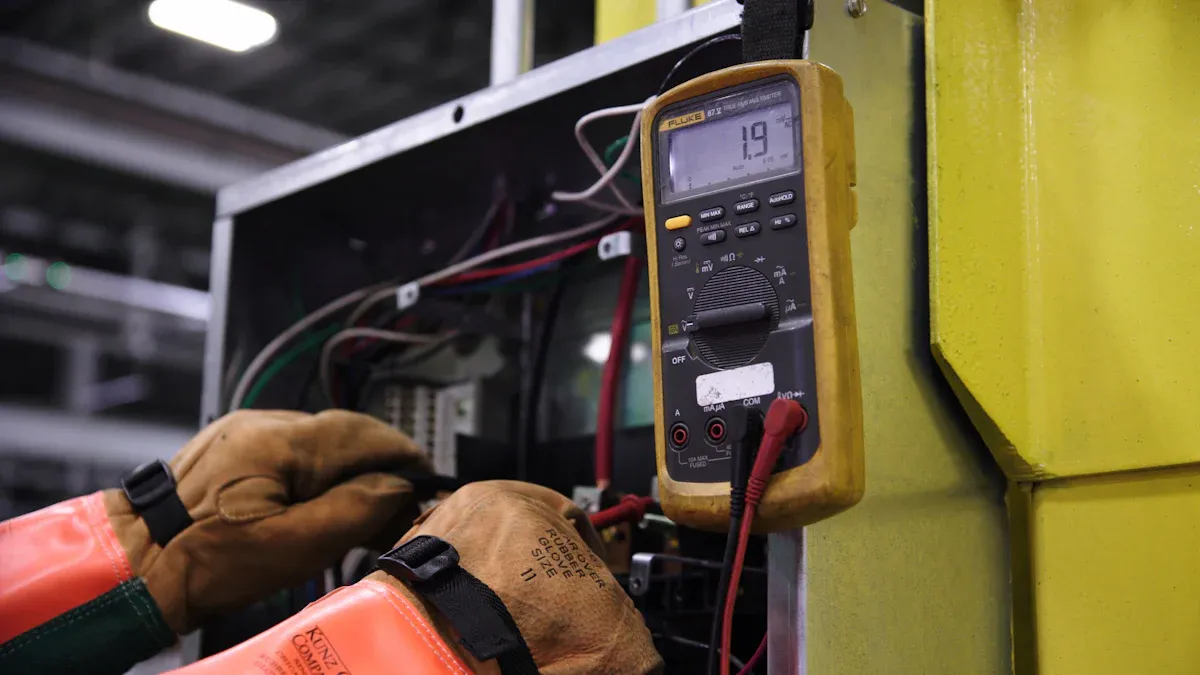
A voltage test is a simple yet effective way to assess your car battery’s health. You can use a multimeter to measure the voltage. Here’s how to perform a voltage test:
Gather Your Tools: You need a digital multimeter. Make sure it’s set to measure DC voltage.
Connect the Multimeter: Attach the red probe to the positive terminal and the black probe to the negative terminal of the battery.
Read the Voltage: A healthy car battery should read between 12.4V and 12.8V when the engine is off. If your reading is below 12.4V, your battery may be discharged and require charging or further testing.
Here’s a quick reference table for voltage readings:
Test Condition | Healthy Voltage Range | What It Indicates |
|---|---|---|
Resting Voltage | 12.4V – 12.8V | The battery’s true state of charge. |
Faulty Battery | Below 12.4V | Indicates the battery is discharged. |
Load Test
A load test evaluates how well your battery performs under stress. This test simulates the conditions your battery faces when starting your car. Follow these steps for an effective load test:
Check Specifications: Confirm the manufacturer’s specifications for a fully charged battery.
Measure Open Circuit Voltage: Use your multimeter to check the voltage. It should be around 12.8V.
Apply a Load: Use a battery load tester or the starter motor to apply a load equal to half the Cold Cranking Amps (CCA) rating for 15 seconds.
Assess the Voltage Drop: After removing the load, wait for ten minutes and measure the voltage again. If it drops below 75% state-of-charge, recharge and retest.
Here are some additional tips for performing a load test:
Use a battery load tester for accurate results.
If you notice a significant difference in specific gravity between cells, consider replacing the battery.
Recharge the battery if the state-of-charge is below 75% before conducting the load test again.
Understanding internal resistance can also help you diagnose battery health. High internal resistance often indicates that a battery is nearing the end of its life. Monitoring this over time can provide insights into battery aging and performance.
By using these testing methods, you can effectively diagnose a faulty battery and take appropriate action to ensure your car runs smoothly.
Troubleshooting Steps for a Car Battery

Check Connections
Proper connections are essential for your car battery to function effectively. Follow these steps to check the connections:
Prepare Your Tools and Workspace: Gather a wrench, battery terminal cleaner, and wear protective gear.
Clean the Battery Terminals: Use a cleaner or wire brush to remove any corrosion and dirt from the terminals.
Position the Battery: Ensure the battery is seated properly and oriented correctly in the vehicle.
Reconnect the Battery Terminals: Connect the positive terminal first, then the negative terminal, tightening securely.
Secure the Battery: Make sure the battery is firmly held in place with a clamp or bracket.
Reinstall Any Removed Components: Put back any parts removed to access the battery.
Troubleshooting: If issues arise, check all connections and ensure they are tight and correctly positioned.
Final Checks: Start the car and verify that all electrical components are functioning properly.
Clean Battery Terminals
Cleaning your battery terminals helps prevent corrosion and maintain performance. Here are some effective cleaning methods:
Use Store-Bought Cleaners: Spray a chemical cleaner on the terminals and wipe away corrosion.
DIY Method: Mix a tablespoon of baking soda with a cup of hot water. Scrub the terminals with a toothbrush and wipe clean.
To maintain your battery’s health, follow these tips:
Ensure terminals and connectors are dry before reattaching anything.
Apply a terminal protectant spray to block moisture and prevent corrosion.
Regularly check for early signs of corrosion and address them promptly.
Include battery terminal cleaning in your routine maintenance.
Avoid over-tightening the connections to prevent damage.
By checking connections and cleaning battery terminals regularly, you can help ensure your car battery remains in good condition. This proactive approach can prevent issues related to a failing battery and keep your vehicle running smoothly.
When to Seek Professional Help
Persistent Issues
If you notice persistent issues with your car battery, it’s time to seek professional help. Frequent problems can indicate deeper issues that require specialized tools and expertise. Here are some common symptoms of a bad battery that warrant a professional diagnosis:
Dead Batteries: If your car won’t start or you experience frequent jumpstarts, this is a clear warning sign.
Corroded Terminals: Corrosion can hinder performance and may indicate a failing battery.
Excessive Battery Drain: If your battery drains quickly, it could signal an underlying problem.
Starter or Alternator Issues: If you suspect problems with these components, professional diagnostics are essential.
Unusual noises can also indicate battery issues. Listen for:
Hissing, popping, or crackling sounds: These noises may suggest overheating or gas buildup inside the battery.
Clicking sounds when turning the key: This often means the battery is nearing its limit.
Strange ticking or humming sounds: These can also signal battery problems.
Age of the Battery
The age of your battery plays a significant role in its performance. Most car batteries last between three to five years, depending on climate conditions. In cooler northern climates, batteries may last longer, while in hot southern areas, they typically last around three years. If your battery is approaching or exceeding this lifespan, consider a replacement.
Regular battery checks can help you monitor its condition. If you notice any warning signs or if your battery is older than its expected lifespan, don’t hesitate to consult a professional. They can provide accurate diagnostics and ensure your vehicle remains reliable.
Professional diagnostic tools enhance the accuracy of battery fault detection. These tools allow technicians to read fault codes, view live sensor data, and check system performance. By understanding the context and inspecting the battery’s condition, professionals can predict how it will perform under typical driving conditions.
Taking action early can save you time and money. If you encounter persistent issues or your battery is aging, seeking professional help is the best course of action.
Recognizing signs of battery issues is essential for maintaining your vehicle’s performance. Regular testing and inspections can prevent unexpected failures. Aim to check your battery at least two times a year. This proactive approach enhances reliability and extends battery life.
Here are some key maintenance tips:
Monitor voltage levels between 12.4 and 12.7 volts.
Clean terminals regularly to prevent corrosion.
Disconnect unused accessories to avoid power drain.
By following these steps, you can ensure your battery remains in optimal condition, keeping your vehicle running smoothly.
FAQ
What are the signs of a failing battery?
You may notice difficulty starting your vehicle, dimming lights, or unusual noises. Frequent jumpstarts and corrosion on terminals also indicate a failing battery.
How often should I test my battery?
You should test your battery at least twice a year. Regular checks help you catch issues early and maintain optimal battery performance.
Can I replace my battery myself?
Yes, you can replace your battery yourself if you have the right tools and knowledge. Follow safety precautions and consult your vehicle’s manual for guidance.
What is the average lifespan of a car battery?
Most car batteries last between three to five years. Factors like climate and usage can affect their lifespan, so monitor your battery’s condition regularly.
When should I seek professional help for my battery?
Seek professional help if you experience persistent issues, such as frequent dead batteries or unusual noises. A technician can diagnose deeper problems and recommend solutions.