
Battery safety is crucial in preventing dangerous accidents. Improper storage can lead to severe risks, including fire hazards and chemical exposure. Statistics show that battery-related fires accounted for approximately 11% of all residential fires in Europe from 2010 to 2015, with 20% of those fires stemming from poor storage conditions. To protect yourself and your home, it’s essential to follow Best Practices for storing batteries safely.
Battery Storage Risks
Fire Hazards
Improper battery storage can lead to serious fire hazards. Lithium-ion batteries, commonly found in devices like cell phones and laptops, are particularly notorious for causing fires. These batteries can overheat, leading to thermal runaway, which occurs when heat builds up faster than it can escape. This situation often arises from overcharging or damage to the battery.
Here are some common devices that frequently involve lithium-ion battery fires:
E-bikes
E-scooters
Power tools
Electric cars
In 2023 alone, there were 268 reported fires caused by lithium-ion batteries, many linked to e-bikes. To avoid these fire risks, always store batteries in a cool, dry place away from flammable materials.
Chemical Exposure
Chemical exposure from batteries poses another significant risk. When batteries leak, they release harmful substances that can affect your health. Here’s a table showing the types of batteries, the chemicals they release, and their health effects:
Battery Type | Released Chemicals | Health Effects |
|---|---|---|
Alkaline | Manganese oxide, zinc oxide, potassium hydroxide, zinc hydroxide, manganese hydroxide | Caustic effects; requires protective gear to handle. |
Zinc-Carbon | Manganese hydroxide, zinc ammonium chloride, ammonia, zinc chloride, zinc oxide | Corrosive to metals; potential skin and respiratory irritation. |
Lead-Acid | Lead, sulfuric acid | Toxic effects; can cause brain damage, kidney harm, and reproductive issues in children and adults. |
Sulfuric Acid | Sulfuric acid | Highly corrosive; can cause blindness and severe internal damage if ingested. |
Between 2011 and 2021, there were approximately 54,300 emergency room visits due to button battery exposure, with at least 25 deaths reported. Most incidents involved children aged 6 or younger. To minimize chemical exposure risks, always handle batteries with care and store them properly.
By understanding these battery storage risks, you can take steps to protect yourself and your loved ones from potential dangers.
Best Practices for Storing Batteries
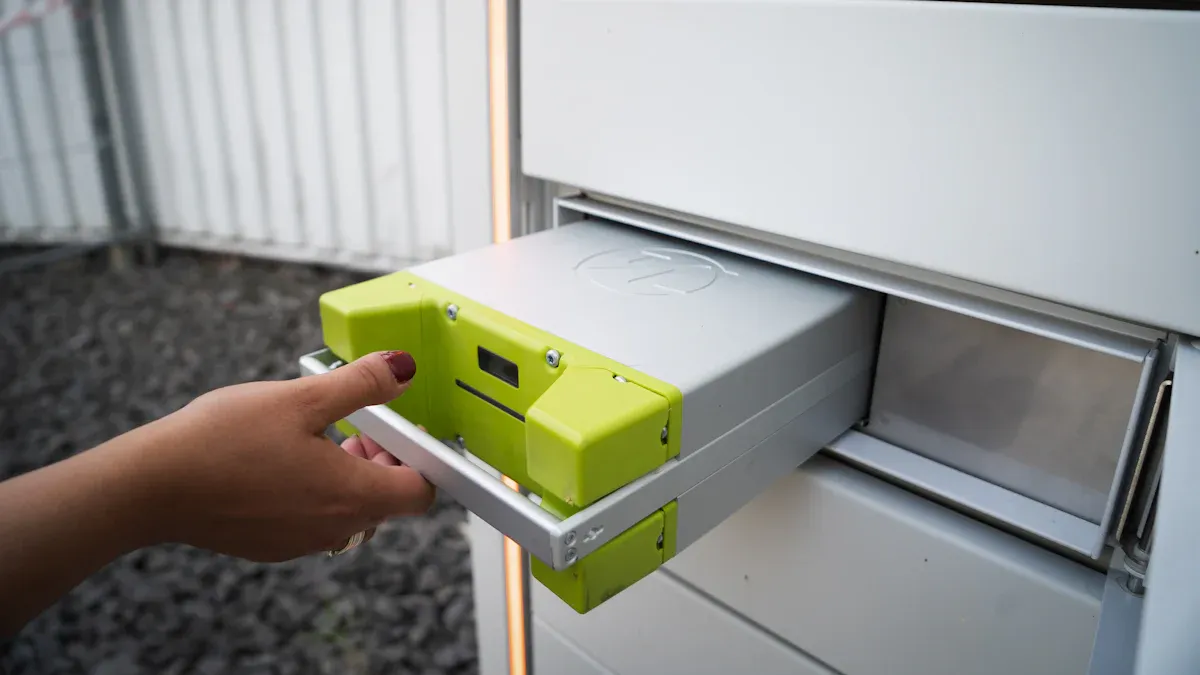
Ideal Conditions
To ensure the longevity and safety of your batteries, you must store them under ideal conditions. Temperature and humidity play crucial roles in battery performance. Here’s a table outlining the recommended storage conditions for various battery types:
Battery Type | Recommended Temperature Range | Recommended Humidity Condition | Additional Notes |
|---|---|---|---|
Lithium Ion Moli Energy | -20°C to 60°C | N/A | Store discharged at 2.0 to 3.0 volts per cell for prolonged periods. |
Panasonic Lithium Ion | Room temperature | N/A | Charge to 30-50% capacity and recharge once a year. |
Varta Alkaline | 0°C to 10°C | Low humidity recommended | Store in vapor-proof packaging if kept in a refrigerator for extended periods. |
General Battery Storage | +10°C to +30°C | Avoid high humidity | Charge at least once a year to prevent leakage and performance deterioration. |
Storing batteries in extreme temperatures can significantly impact their lifespan. Excessive heat can lead to thermal runaway in lithium batteries, which poses serious safety risks. Cold temperatures can increase internal resistance, making it harder to charge the batteries. Therefore, maintaining a stable environment is essential for safe storage.
Packaging and Separation
Keeping batteries in their original packaging is one of the best practices for storing batteries safely. Proper packaging prevents leaks, short circuits, and accidental fires. Batteries contain hazardous materials that can harm health and the environment if not handled correctly. Following manufacturer guidelines helps mitigate legal penalties and reputational damage.
When storing batteries, avoid placing them together without separation. Here are some risks associated with improper storage:
Short circuits can occur when batteries contact each other or conductive materials.
Overheating and leakage may result from short circuits.
Increased fire hazards arise from storing large volumes of batteries together.
To prevent these issues, consider using compartment organizers to keep batteries sorted by size and type. Ensure that battery ends do not touch each other or metal to prevent activation and power drain. Additionally, avoid storing batteries in areas with direct sunlight. Use protective cases to cover terminals when transporting or storing batteries.
By following these best practices, you can ensure safe storage and prolong the life of your batteries.
Safety Measures for Battery Storage
Temperature and Humidity
Maintaining proper temperature and humidity is vital for battery safety. You should store batteries in a cool, dry place away from direct sunlight and extreme temperatures. Here are some key points to remember:
Keep batteries in a dry and cool spot, ideally between 59°F and 77°F (15°C to 25°C). Hot or wet conditions can harm batteries and make them unsafe.
Maintain relative humidity levels between 40–60% to prevent condensation and short circuits. Use sealed containers or storage racks in high-humidity areas.
Avoid storing batteries in areas with high heat, as this can lead to thermal runaway, which poses serious safety risks.
To monitor these conditions effectively, consider using tools like a Battery Management System (BMS) or advanced monitoring tools that display individual cell voltages. These devices help you keep track of battery performance and safety.
Avoiding Metal Contact
You must also avoid contact between batteries and metal objects. Metal can create unintended connections between battery terminals, leading to high current flow. Here are some precautions to take:
Keep batteries away from items like bracelets, necklaces, and belt buckles, as these can short circuit battery terminals and cause burns.
Do not place tools or metal objects across battery terminals, as this can lead to severe damage and hazards.
Always store batteries in their original packaging or use compartment organizers to prevent terminals from touching.
If you notice any damaged or leaking batteries, handle them with care. Wear proper personal protective equipment (PPE) such as gloves and safety glasses. Store these batteries in a container of sand or kitty litter to prevent leaks and fires.
By following these safety measures, you can significantly reduce the risks associated with battery storage and ensure a safer environment.
Regulatory Compliance for Batteries
Safety Standards
You must understand the safety standards that apply to battery storage. These standards help ensure safe handling and storage of batteries, reducing risks associated with fires and chemical exposure. Here’s a table summarizing key certifications related to battery storage:
Certification | Description |
|---|---|
UL 9540 | This certification evaluates the safety, performance, and construction of energy storage systems. |
UL 9540A | This test method assesses thermal runaway fire propagation in battery systems. |
UL 1973 | This standard focuses on individual battery modules and packs for stationary and vehicle auxiliary power applications. |
Different battery types also have specific safety standards. For example, alkaline batteries follow standard industrial safety protocols, while lithium-ion batteries require specialized safety equipment due to their reactive nature.
Compliance Guidelines
You should follow compliance guidelines issued by regulatory agencies like OSHA and the EPA. These guidelines include several important requirements:
Store batteries in a cool, dry, and well-ventilated area to prevent overheating.
Properly label and segregate batteries by type to avoid harmful interactions.
Keep the storage area free from combustible materials and incompatible substances.
Regularly train employees on safety measures to ensure they understand potential hazards and proper handling techniques.
Failure to comply with these guidelines can lead to serious consequences. For instance, fines for improper disposal can reach thousands of dollars. In New York, civil penalties can go up to $5,000 for violating battery recycling requirements.
By adhering to these safety standards and compliance guidelines, you can create a safer environment for yourself and others when storing batteries.
Following best practices for battery storage is essential for your safety and the safety of those around you. Proper storage conditions, packaging, and separation can significantly reduce risks. Here are some key takeaways:
Battery incidents often lead to downtime, impacting trust and operations.
Lithium-ion fires can release harmful smoke and gases, increasing hazards.
Emerging risks in aviation and residential systems highlight the need for updated safety practices.
Implementing these practices can help you avoid accidents and injuries. For instance, using Battery Management Systems can limit failures, while safer battery chemistries have shown a 97% reduction in incidents. By prioritizing battery safety, you protect yourself and your environment.
Embrace these practices today for a safer tomorrow!