


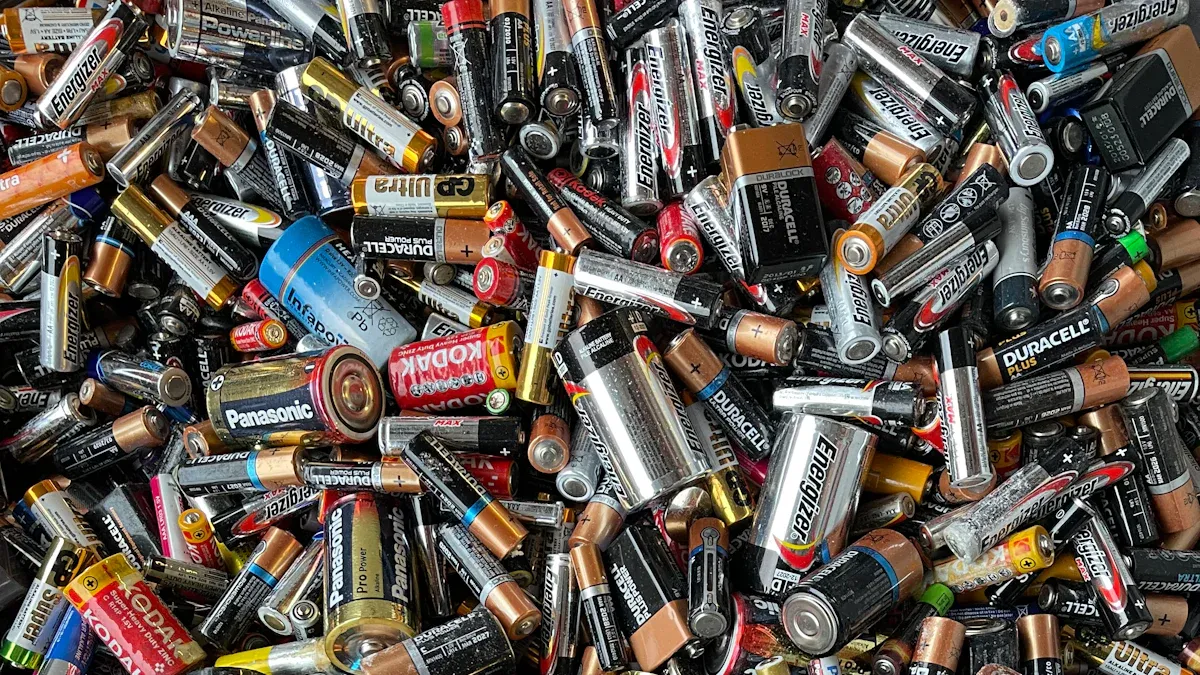
A battery, or more specifically, what are batteries, is a device that converts chemical energy into electric energy through an electrochemical reaction. This process involves the transfer of electrons within an electric circuit. You encounter batteries daily, powering everything from your smartphone to your remote control. Understanding what are batteries helps you make informed choices about the devices you use. It also allows you to appreciate how these small power sources impact your daily activities.
Key Takeaways
Batteries convert chemical energy into electrical energy, powering everyday devices like smartphones and TVs.
Understanding battery components, such as anodes and cathodes, helps you appreciate how batteries work.
Choose between primary (single-use) and rechargeable batteries based on your device’s power needs.
Proper storage and handling of batteries can extend their lifespan and improve safety.
Debunk common battery myths to make informed choices about your devices and their maintenance.
What Are Batteries?

Battery Components
Batteries consist of several key components that work together to store and convert energy. Understanding these parts helps you appreciate how batteries function. Here’s a breakdown of the main components:
Component | Function |
|---|---|
Anode | Releases electrons to the external circuit and oxidizes during the electrochemical reaction. |
Cathode | Acquires electrons from the external circuit and is reduced during the electrochemical reaction. |
Electrolyte | Provides the ion transport mechanism between the anode and cathode. |
Separator | Prevents the anode and cathode from touching, ensuring safe operation. |
Current Collectors | Provide conductive paths for electrons and improve battery performance through material properties. |
These components work in harmony to create the energy you rely on daily.
Everyday Uses
Batteries play a crucial role in your everyday life. You likely use devices powered by batteries without even thinking about it. Here are some common devices that rely on batteries:
Smartphones
Laptops
Tablets
Music systems
TVs
Gaming equipment
Landline telephones
Internet routers
HVAC systems
Security systems (like surveillance cameras and alarms)
From communication to entertainment, batteries power many aspects of your daily routine. Understanding what are batteries and their uses can help you make better choices about the devices you use and how you maintain them.
Types of Batteries
Primary vs. Rechargeable
Batteries come in two main types: primary and rechargeable. Understanding the differences between these battery types helps you choose the right one for your needs.
Primary Batteries are single-use batteries. Once they discharge, you cannot recharge them. You typically find these batteries in devices that require low power over a long period. Common examples include remote controls and smoke detectors.
Rechargeable Batteries, on the other hand, allow you to use them multiple times. You can recharge them after they run out of power. This type is ideal for devices that consume more energy, like smartphones and laptops.
Here’s a quick comparison of their chemical compositions:
Battery Type | Electrolyte Composition | Purpose |
|---|---|---|
Rechargeable | Lithium salt in organic solvent (Li-ion), sulfuric acid (Lead-acid) | Continuous charging/discharging |
Non-rechargeable | Zinc chloride or ammonium chloride (Zinc-carbon), potassium hydroxide (Alkaline) | Single-use |
When it comes to performance, rechargeable batteries often have a higher energy density. For example, lithium-ion batteries can provide more energy per kilogram than many primary batteries. Here’s a comparison of their voltage and energy density:
Battery Type | Cell Voltage | Energy Density (MJ/kg) | Comments |
|---|---|---|---|
Primary (Zinc-carbon) | 1.5 | 0.13 | Inexpensive. |
Primary (Alkaline) | 1.5 | 0.4-0.59 | Moderate energy density. |
Rechargeable (NiCd) | 1.2 | >0.14 | Inexpensive. |
Rechargeable (Li-ion) | 3.6 | >0.46 | Very high energy density. |
Battery Function
Chemical Reactions
Batteries work by converting chemical energy into electrical energy through a series of chemical reactions. These reactions occur inside the battery and involve the movement of electrons. When you use a battery, it undergoes oxidation-reduction reactions, commonly known as redox reactions.
In a typical battery, the anode and cathode play crucial roles. The anode releases electrons, while the cathode accepts them. This flow of electrons generates an electric current that powers your devices. The energy released during these reactions comes from the difference in potential energy between the reactants and products.
Here’s a simple breakdown of how these chemical reactions occur in lithium-ion batteries:
Lithium atoms in the anode are ionized and separated from their electrons.
Lithium ions move through the electrolyte to the cathode.
At the cathode, lithium ions recombine with electrons to become neutral.
The following table summarizes the key reactions in lithium-ion batteries:
Reaction Type | Reaction Equation |
|---|---|
Oxidation | Li → Li+ + e- |
Reduction | Li+ + e- → Li |
When charging a lithium-ion battery, a reaction occurs with LiFePO4 at the cathode. This reaction releases electrons and positively charged lithium ions. These ions migrate through the electrolyte to the anode, where they combine with graphite.
The efficiency of these chemical reactions directly affects battery performance. Factors such as the choice of materials for the anode, cathode, and electrolyte can influence energy output and longevity. For example, using cobalt in cathodes provides high energy density but can lead to safety concerns like thermal runaway.
Additionally, unwanted chemical reactions can degrade battery performance. Dendrite formation on lithium metal anodes can cause short circuits, while magnesium metal can form an insulating layer that renders the cell useless. Understanding these chemical reactions helps you appreciate how batteries function and why they sometimes fail.
To maintain battery health, store them properly. Ensure adequate ventilation, avoid direct sunlight, and keep them in a cool, dry place. Following these guidelines can help prevent degradation and extend battery life.
Battery Technology
Myths and Facts
Many misconceptions surround battery technology. Understanding these myths can help you make informed decisions about your devices. Here are some common myths and the facts that debunk them:
Myth: Lithium Batteries Can Explode Easily
Modern lithium batteries come equipped with advanced Battery Management Systems. These systems monitor and control battery conditions, significantly reducing safety hazards.Myth: Lithium Batteries Can’t Be Used in Hot or Cold Environments
Proprietary technology ensures optimal heat distribution. This allows lithium batteries to function safely in extreme temperatures.Myth: Lithium Batteries Don’t Last As Long As Other Battery Types
In reality, lithium batteries often outlast traditional lead-acid batteries. They provide reliable power for many years, making them a popular choice for various applications.
A report on electric vehicle (EV) batteries shows that with proper care, these batteries can last well beyond 100,000 miles. Many even exceed 200,000 miles. Factors like avoiding aggressive driving and limiting deep discharges help maintain battery health.
You might have heard that storing batteries in the fridge extends their lifespan. However, major battery manufacturers, including Duracell and Energizer, advise against this practice. They state that refrigeration does not prolong battery life and can cause damage due to condensation. Instead, experts recommend storing batteries at room temperature to avoid issues like corrosion.
Recent advancements in battery technology have led to significant improvements in consumer electronics. Innovations enhance the functionality of devices like smartphones and laptops. They also support the integration of renewable energy sources, improving energy efficiency and sustainability.
Understanding these myths and facts about battery technology empowers you to make better choices. You can appreciate the advancements that make your devices safer and more efficient.
Understanding batteries is essential for making informed choices in your daily life. You rely on batteries for many devices, from smartphones to security systems. When selecting batteries, consider several factors:
Factor | Description |
|---|---|
Power Requirements | Understand the voltage, capacity, and runtime needed for optimal device performance. |
Battery Types | Choose between rechargeable (for frequent use) and non-rechargeable (for occasional use) batteries. |
Cost vs Lifespan | Weigh the initial cost against the lifespan; rechargeable batteries may save money over time. |
Safety | Handle, store, and dispose of batteries properly to prevent hazards. |
Environmental Impact | Consider eco-friendly options and recycling programs to minimize environmental harm. |
By following these guidelines, you can maximize battery lifespan and contribute to a more sustainable future. Remember to recycle used batteries and educate others about their proper disposal. Your choices matter!
FAQ
What is the lifespan of a typical battery?
The lifespan of a battery varies based on its type and usage. Generally, primary batteries last a few months, while rechargeable batteries can last several years with proper care.
How do I dispose of batteries safely?
You should never throw batteries in the trash. Instead, find a local recycling center that accepts batteries. Many retailers also offer recycling programs for used batteries.
Can I mix different types of batteries in a device?
Mixing different types of batteries is not recommended. Doing so can lead to leaks, reduced performance, or even damage to your device. Always use the same type and brand of battery.
How can I extend the life of my rechargeable batteries?
To extend the life of your rechargeable batteries, avoid deep discharges and extreme temperatures. Regularly charge them and store them in a cool, dry place.
What are battery systems used for in electric vehicles?
Battery systems in electric vehicles store energy for propulsion. They provide power to the electric motor, enabling the vehicle to operate efficiently and sustainably.
