


A 12-volt charger earns its place by matching your battery chemistry, capacity, and charging routine. That matters most for LiFePO4 packs used in solar storage, marine equipment, electric vehicles, and off-grid systems, where an incompatible charger can leave you with slow charging or an unreliable battery.
The choices below range from compact 5A models for smaller packs to 40A options for faster recovery. You’ll also find general 12V automotive chargers for mixed fleets, so matching voltage alone isn’t enough.
The Essentials At A Glance

SIPIDEAUT 40A 12V LiFePO4 Charger

SIPIDEAUT 20A 12V LiFePO4 Charger

CRAFTSMAN CMXCESM260 3-in-1 3A Charger

SIPIDEAUT 5A 12V LiFePO4 Charger

E-FAST 25A 12V/24V Smart Charger
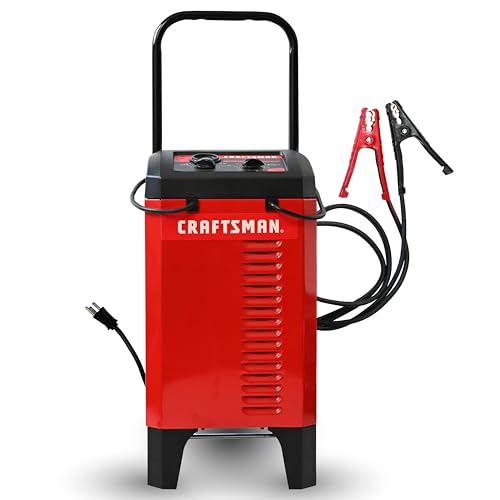
CRAFTSMAN CMXCESM274 6A Wheeled Charger

SIPIDEAUT 10A 12V LiFePO4 Charger
The Details Behind The Selections
The 40A output makes this the most current-focused option here, but that power only makes sense with a suitably large 12.8V LiFePO4 pack. You’ll find it most practical for a substantial solar bank, off-grid system, or depleted battery that needs a faster turnaround.
Compared with the 20A SIPIDEAUT, this model cuts charging time more aggressively without changing the 14.6V charging profile. The honest caveat is heat and battery condition, so a large healthy battery paired with sound wiring matters more than headline amperage.
What Pays Off
- 40A current targets demanding four-cell LiFePO4 systems.
- The 14.6V output matches a four-cell 12.8V charging profile.
- High current offers useful recovery time after extended discharge.
- Dedicated chemistry support suits stationary and off-grid storage.
Things To Consider
- The 40A setting is excessive for small packs, so battery capacity must guide your choice.
- Keep ventilation clear around the charger during extended charging sessions.
Feature Snapshot
Built With In Mind
This charger suits you operating large LiFePO4 storage systems where faster replenishment justifies substantial charging current.
Another Choice May Suit
Choose the SIPIDEAUT 5A 12V LiFePO4 Charger instead for a smaller battery that doesn’t need high-current recovery.
The 20A model occupies a useful middle ground between compact maintenance and rapid recovery. Its stated use begins at 20Ah, giving you enough current for medium and larger LiFePO4 packs without reaching the 40A model’s greater thermal load.
Its three-stage sequence moves through bulk, absorption, and float. Those stages progressively reduce current and then maintain the pack, making this a practical choice for solar cabinets, marine equipment, and regularly used off-grid systems.
Key Advantages
- The 20A output suits 20Ah-and-larger four-cell batteries.
- Bulk, absorption, and float stages structure the charge more deliberately.
- Float operation helps maintain a charged pack during storage periods.
- The black enclosure gives the charger a restrained workshop appearance.
Small Caveats
- The chemistry-specific profile limits use to compatible 12.8V four-cell LiFePO4 packs.
- Smaller batteries gain little from 20A and should use a lower-current model.
Quick Technical Notes
Made For
You’ll get the most useful fit from this charger with a medium-to-large 12.8V LiFePO4 pack used beyond occasional top-ups.
Where A Sibling Pick Shines
The SIPIDEAUT 40A 12V LiFePO4 Charger better serves installations that prioritize the shortest charging window.
The CRAFTSMAN CMXCESM260 trades charging speed for flexibility. Its 3A output is modest beside the SIPIDEAUT models, but the charging, maintaining, and desulfating functions give you more ways to manage several kinds of 12V battery around a home garage.
You can pair it with motorcycles, cars, SUVs, trucks, or marine batteries, subject to the chemistry supported by the unit. That makes it a sensible garage companion, especially for someone rotating between smaller vehicle batteries and larger lead-acid packs.
What It Does Well
- Charging, maintenance, and desulfating functions cover several routine needs.
- 3A output suits smaller maintenance cycles better than high-current recovery.
- Compatibility spans standard, AGM, deep-cycle, and LiFePO4 batteries.
- Automatic operation reduces the amount of manual adjustment required.
Practical Considerations
- A deeply discharged large battery may take considerably longer than with a 20A or 40A charger.
- Confirm battery chemistry and connection polarity before routine maintenance.
Core Details
Right Fit For
This model fits you best with a mixed garage fleet and a preference for automatic, low-current maintenance.
A Better Fit Elsewhere
The E-FAST 25A 12V/24V Smart Charger better serves larger 12V packs that benefit from substantially more current.
Low current is the defining feature of this charger. You’ll find 5A more proportionate to a 5Ah-or-larger LiFePO4 pack used for portable equipment, a small solar reserve, or light maintenance than to a large stationary battery bank.
Its 14.6V output still follows the four-cell LiFePO4 profile, so the chemistry match remains correct despite the modest amperage. Compared with the 10A SIPIDEAUT, this is the gentler option for smaller installations, though the trade-off is a longer wait after meaningful discharge.
Real-World Strengths
- The 5A output is better scaled to smaller LiFePO4 packs.
- It begins at the stated 5Ah capacity threshold.
- The chemistry-specific profile suits portable and compact storage systems.
Points To Note
- Large battery banks will take longer to recharge at 5A.
- The unit is restricted to 12.8V four-cell LiFePO4 batteries.
- Store the charger dry and disconnected from the battery during long idle periods.
Made For
This charger suits you with a compact 12.8V LiFePO4 system where a smaller charger is easier to manage.
Consider Something Else
The SIPIDEAUT 10A 12V LiFePO4 Charger offers a faster middle tier for a 10Ah-or-larger battery.
This is the broadest automotive fit in the group, covering 12V and 24V systems as well as several lead-acid formats and LiFePO4 chemistry. You’ll find that flexibility useful around trucks, SUVs, boats, and RVs, especially where battery types change from season to season.
Unlike the chemistry-specific SIPIDEAUT chargers, this model provides a 200-second booster function and adjustable charging current. For a large 12V battery, output reaches 25A, while the 24V side delivers 15A, so select the system voltage carefully.
A Few Highlights
- 25A output accelerates charging for supported 12V packs.
- Dual-voltage support covers both 12V and 24V systems.
- Compatibility includes AGM, gel, flooded, SLA, EFB, and LiFePO4 batteries.
- Adjustable current provides more control than basic maintainers.
- The booster mode adds a useful starting-related recovery function.
Possible Compromises
- More settings mean careful battery-type selection is important during setup.
- Keep terminals clean and connections tight, particularly in damp marine environments.
Technical Highlights
Who Will Love This
You’ll appreciate this model most when maintaining several 12V, 24V, lead-acid, and LiFePO4 batteries around one garage.
Another Choice May Suit
The SIPIDEAUT 20A 12V LiFePO4 Charger is more focused for a garage containing only compatible four-cell lithium packs.
Manual control and wheels set the CMXCESM274 apart from the automatic maintainers. You’ll value the hands-on operating approach in a garage or farm workshop where you want to manage a 12V charging session directly rather than rely entirely on automatic stages.
The 6A output resembles the SIPIDEAUT 5A in current range, but the intended context differs. This CRAFTSMAN model also combines charger and maintainer functions, making it more relevant to traditional vehicle service than a dedicated solar-storage battery routine.
Notable Gains
- Wheeled movement makes repositioning easier in a workshop.
- Manual operation provides direct control during routine service.
- The 6A output suits common 12V maintenance work.
- Charger and maintainer functions serve connected garage routines.
Less-Strong Areas
- Manual settings demand closer attention than an automatic maintenance unit.
- The wheeled format takes more room than a compact bench charger.
- Use care when moving the unit across uneven workshop floors.
Feature Card
Whose Shelf It Belongs On
This model belongs in your garage for hands-on servicing of conventional 12V vehicle batteries.
Reach For A Different Pick
The CRAFTSMAN CMXCESM260 offers a more automatic and lower-fuss approach for routine mixed-battery maintenance.
The 10A charger gives you a practical step between the 5A and 20A SIPIDEAUT options. Its stated capacity starts at 10Ah, so it makes sense for a portable power station, compact solar bank, or regularly used equipment pack that needs more current than a small maintenance charger provides.
You’ll still receive the same 14.6V four-cell LiFePO4 profile as the smaller model. In our view, this balance is easier to place than the extremes, although very large storage systems will charge faster with the 20A or 40A versions.
A Few Strong Suits
- The 10A output fits 10Ah-and-larger LiFePO4 batteries.
- Its middle position suits compact systems needing moderate replenishment.
- The 14.6V output preserves the four-cell LiFePO4 charging profile.
- It offers a faster option than the 5A model without reaching 20A.
Small Limitations
- Large banks remain outside the efficient range for a 10A charger.
- Compatibility is limited to the specified four-cell lithium chemistry.
- Allow the charger a clear, dry location between charging sessions.
Best Suited To
You’ll find the best fit with a compact 12.8V LiFePO4 system around 10Ah or larger.
Not Your Match When
The SIPIDEAUT 40A 12V LiFePO4 Charger better fits substantial storage banks that require faster recovery.
Matching Charger Capacity To Your Battery
Battery chemistry comes first because a charger designed for LiFePO4 uses a different charging profile from one intended for conventional lead-acid batteries. A nominal 12V LiFePO4 pack commonly uses four cells and requires a 14.6V charging voltage, while many 12V automotive batteries follow a separate lead-acid profile.
Current determines how quickly the charger can replenish energy. The listed SIPIDEAUT models range from 5A to 40A, and higher current suits larger capacities while creating more heat and electrical demand. Match the charger to battery capacity rather than choosing the highest number available.
Capacity also affects portability. A 5A charger is more proportionate to a small power station or compact solar reserve, while 20A and 40A models serve larger banks. Larger stationary installations may also benefit from wheeled construction, as seen in the CRAFTSMAN CMXCESM274.
Automatic versus manual control shapes your routine. Automatic models simplify routine charging and maintenance, while a manual workshop charger offers direct control. You’ll also want clean terminals, secure connections, and enough ventilation around the unit during each session.
Charging Choices Without Common Traps
Mistakes Worth Dodging
Treating 12V as a complete compatibility description can lead to an incorrect chemistry profile. Confirm the cell arrangement, battery type, and specified charging voltage before connecting any unit.
What The Higher Tier Buys
Higher current mainly buys faster replenishment for a suitably large battery. You gain little from spending more on 40A output while powering a small pack, so the upgrade makes sense for large, healthy LiFePO4 banks.
Frequently Asked Questions
What Voltage Does A 12V LiFePO4 Charger Use?
A four-cell 12.8V LiFePO4 battery typically uses a 14.6V charging profile. Confirm your pack’s cell count and manufacturer requirements before connecting a charger.
Is A Higher Charging Current Better?
Higher current can reduce charging time on a sufficiently large battery. It also increases heat, so your battery capacity and charger guidance determine the sensible current level.
Can A LiFePO4 Charger Maintain A Battery?
A chemistry-specific charger can replenish and maintain a compatible LiFePO4 pack. Use the stated battery-capacity range and terminate the session according to the charger’s controls.
Can One Charger Handle Different Battery Types?
Only when its specifications support those chemistries. The E-FAST model covers several lead-acid formats and LiFePO4, while the SIPIDEAUT models are dedicated to compatible four-cell lithium batteries.
Which Charger Fits A Large Solar Battery Bank?
A higher-current model can suit a large, healthy pack, but capacity alone does not establish compatibility. Verify chemistry, cell count, wiring, ventilation, and the manufacturer’s charging guidance first.
Final Verdict
Your best fit depends on battery chemistry and capacity rather than amperage alone. Compact LiFePO4 systems favor the SIPIDEAUT 5A or 10A chargers, larger banks suit the 20A or 40A options, and mixed vehicle collections benefit from broader compatibility.
Choose the model that matches your setup, then give it clean connections and a suitable charging environment.
