


A dead battery rarely arrives at a convenient time. You may find yourself facing a cold morning after a long commute, a dark roadside after work, or a demanding commercial vehicle that needs several starts in one shift. These battery boost packs cover everything from replacement wall adapters for compatible booster models to portable units built for large gasoline and diesel engines.
The Picks In Brief

Jantoy AC/DC Adapter for Silverline 345782 Silverstorm 12V 700A Boost Pack
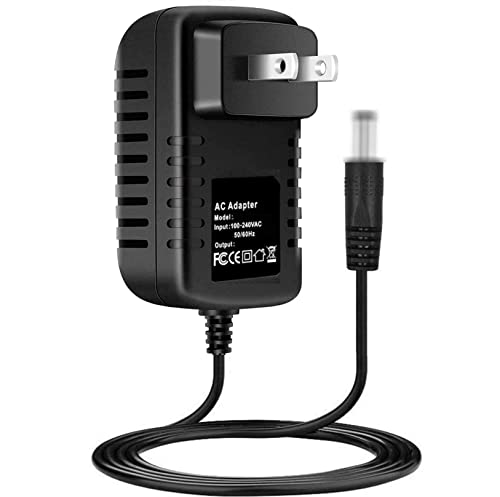
onerbl Global AC/DC Adapter for Lil Lighting RP Series Jump Starters

ODUKAKO CAT797 12V/24V Truck Jump Starter 30000A Peak Class 8

ODUKAKO DM1264 Semi Truck Jump Starter 12V

GOOLOO A3 Portable Jump Starter

ODUKAKO DM2464 24V Jump Starter 15000A Peak

HPBS H50 5000A Jump Starter for 10.0L Gas and 8.0L Diesel, 3.0-inch LCD
A Deeper Look At The Lineup
This isn’t a portable booster, but a wall adapter for the compatible Silverline 345782 Silverstorm system. AC, or mains electricity, enters the adapter and becomes the DC supply expected by the booster, so a damaged cable can interrupt your normal charging routine.
That narrow compatibility makes it most useful to someone who already owns the named Silverstorm unit. Compared with the complete boosters later in the lineup, the Jantoy option addresses replenishing power rather than starting a vehicle during a roadside emergency.
What Helps Most
- Specifically designed around the Silverline 345782 Silverstorm platform.
- Compact form helps keep workshop or garage storage manageable.
- Protection against overcurrent, overvoltage, and short circuits adds practical safeguards.
- Restores a charging path without replacing the entire boost pack.
Practical Considerations
- Voltage and connector compatibility must be confirmed before use.
- Long-term contamination at the charging port can cause unreliable contact.
- Incorrect output can damage a device that lacks suitable circuit protection.
Feature Snapshot
Who It Suits Best
You benefit most as a Silverline Silverstorm owner who needs a compact replacement charging cord for home or workshop use.
A Better Fit Elsewhere
Choose the ODUKAKO CAT797 instead when you need a self-contained booster for heavy trucks rather than an adapter for an existing device.
Traveling with a compatible Lil Lighting booster can be awkward without its charging lead, particularly across regions that use different mains supplies. The onerbl adapter’s 100–240V input makes it the more portable charging option here, while also serving as a practical wall replacement.
Its model coverage is broader than the Jantoy adapter’s, including the Lil Lighting RP-1, RP-2, RP-2X, RP-3, RP-3X, and RPUSX platforms. The honest limitation is that broad model support still depends on connector and electrical requirements matching your specific booster.
Real-World Strengths
- Automatic input adjustment supports a broad range of household supplies.
- One adapter can serve several listed RP-series models.
- Overvoltage and overheating safeguards provide useful charging protections.
- The compact wall adapter travels more easily than a complete booster.
Points To Note
- Compatibility remains confined to the listed Lil Lighting models.
- The listed 50/61Hz input specification is unusual and deserves checking against your device documentation.
Made For
You get the most value as a traveling Lil Lighting owner who needs one mains charger across multiple supported RP-series boosters.
Another Choice May Suit
The Jantoy Silverline adapter is the cleaner match for a Silverline 345782 owner who has no need for Lil Lighting compatibility.
The CAT797 targets the scale problem faced by commercial drivers, mechanics, and fleets working around large diesel or gasoline engines. Its stated coverage extends to Class 8 vehicles, including engines as large as 50L diesel or 99L gasoline, making the capacity claim unusually broad for a portable unit.
Unlike the two earlier adapters, the CAT797 stores its own energy and can serve away from a wall outlet. Depending on the vehicle and battery condition, such a large unit can still be demanding to carry, so its physical size matters as much as peak output.
What Makes Sense
- Supports both 12V and 24V heavy-vehicle applications.
- A stated 30,000A peak suits very large engine starting demands.
- Published low-temperature operation makes cold roadside use more relevant.
- Self-contained power removes the need for a nearby charging cable.
Worth Bearing In Mind
- Error Code 1 indicates insufficient charge and requires charging before another attempt.
- Storage below its required charge for extended periods may damage the internal battery.
- Heavy-duty capacity can translate into a less convenient unit for ordinary cars.
Technical Highlights
Built With In Mind
Commercial fleets, heavy-equipment mechanics, and drivers operating large Class 8 vehicles form its strongest use profile.
Look Elsewhere
You may prefer the GOOLOO A3 for passenger vehicles and routine tire inflation rather than maximum heavy-truck scope.
For a roadside professional who routinely assists loaded trucks, the DM1264 centers on 12V starting with a stated 30,000A peak. Its 64,000mAh and 236.8Wh capacity adds useful runtime beyond a bare starting pulse, although the exact output of an accessory depends on the connected device and its requirements.
Compared with the CAT797’s 12V/24V positioning, the DM1264 is more straightforwardly focused on 12V semi-truck work. A battery diagnostic error code can provide a useful prompt after a failed start, but Error Code 2 means the booster needs a full recharge.
Where It Helps
- 30,000A peak targets demanding semi-truck starting applications.
- Large 236.8Wh capacity gives the unit more stored energy than a compact booster.
- The diagnostic code makes a low-charge condition easier to recognize.
Trade-Offs To Consider
- Its 12V focus does not provide the CAT797’s stated 24V compatibility.
- Recharge within four hours after starting a vehicle to preserve readiness.
- Leaving the unit uncharged beyond a month may damage its internal battery.
Right Fit
You benefit most as a mobile mechanic, fleet driver, or roadside operator supporting 12V semi trucks.
Reach For A Different Pick
The ODUKAKO CAT797 is the stronger alternative for mixed 12V and 24V heavy-vehicle work.
The GOOLOO A3 brings a more practical balance to everyday roadside preparation. A 3,000A peak, support for gasoline engines up to 9.0L and diesel engines up to 6.5L, and an integrated air compressor cover the jobs that most often trouble passenger-vehicle owners.
Tire pressure, a drained car battery, and a low camping battery can all appear during the same weekend. Compared with the ODUKAKO heavy-truck models, the A3 places less emphasis on commercial scale and more on versatile household storage.
What Earns Its Place
- Supports large gasoline and diesel engines commonly found in cars and SUVs.
- Built-in air compressor adds useful low-pressure tire maintenance.
- Boost mode provides an additional starting option for very low battery readings.
- A stated charge-cycle figure supports long-term routine ownership.
Details To Watch
- The 3,000A peak is aimed at ordinary vehicles, not Class 8 trucks.
- Owners should confirm engine size and connector polarity before connection.
- Keeping the internal battery charged matters for emergency readiness.
Key Product Details
Who Will Love This
You benefit most as a household driver, camper, or weekend mechanic who wants starting and basic tire inflation in one portable unit.
Where A Sibling Pick Shines
The HPBS H50 offers a larger display and a stated 10.0L gasoline limit, while the CAT797 remains the fit for commercial trucks.
The DM2464 is built around 24V systems used by industrial and commercial vehicles, giving mechanics a dedicated option instead of relying on a 12V passenger-car unit. Its stated 64,000mAh capacity and 236.8Wh energy reserve provide substantial stored power, while the 15,000A peak handles demanding Class 8 applications.
Share those 236.8Wh with the DM1264 and the key distinction becomes voltage. The DM2464 is the more coherent choice for 24V service work, but its higher-voltage system can be less convenient for a mixed collection of cars.
The Helpful Details
- 24V output directly targets commercial vehicle systems.
- A 15,000A peak supports heavy-duty engine starting demands.
- The 236.8Wh battery provides useful capacity beyond a single start.
- Error-code feedback helps identify a depleted internal battery.
Practical Considerations
- Error Code 2 requires a full charge before another attempt.
- Recharging within four hours after use supports continued availability.
- Extended low-charge storage may damage the internal battery.
Core Details
Best Suited To
Mechanics and fleet operations centered on 24V industrial vehicles receive the most useful configuration.
Swap It Out
The GOOLOO A3 is easier to justify for mixed 12V vehicles and occasional tire inflation.
The H50 splits the difference between the GOOLOO A3 and the heavy commercial units. Its stated 5,000A peak covers 12V gasoline engines up to 10.0L and diesel engines up to 8.0L, which puts it closer to large pickups, SUVs, and recreational vehicles than a basic compact booster.
The 3.0-inch LCD is the standout ownership feature, giving you a larger view of status information before a roadside start. A stated capacity for up to 40 starts from a full charge adds context, though actual results depend on battery condition, engine size, temperature, and jump duration.
Advantages To Know
- Covers unusually large gasoline and diesel engines for a 12V portable unit.
- The 3.0-inch display improves status visibility in a dim vehicle cabin.
- A stated 40-start figure makes it relevant to households with several aging batteries.
- Peak output sits between the GOOLOO A3 and ODUKAKO truck models.
Smaller Limitations
- The H50 designation is a model name, not an electrical specification.
- It remains less suited to Class 8 commercial starting than the ODUKAKO choices.
- Regular charging and clean terminals support dependable readiness.
Feature Facts
Whose Shelf It Belongs On
Large-family households, RV owners, and home mechanics gain a useful balance of capacity and display visibility.
Skip It
Your needs may center on 24V commercial vehicles, making the ODUKAKO DM2464 a more suitable investment.
Matching A Booster To The Vehicle
Start With System Voltage
Voltage is the first compatibility check because a physically similar connector does not guarantee an electrical match. Most passenger vehicles operate on 12V, while commercial equipment may use 24V. A unit designed for one system can leave you stranded with the other.
Peak current, measured in amps, indicates starting demand rather than the unit’s stored battery capacity. Capacity, expressed in watt-hours, helps explain runtime. Treat those figures as different parts of the equation.
Match Engine Size And Duty
Large gasoline engines, diesel vehicles, and commercial trucks place different demands on a booster. Review the listed engine limits and class of vehicle before purchasing. Peak output alone doesn’t confirm that every cable, clamp, or vehicle configuration is appropriate.
Account For Storage And Care
A high-capacity battery can still lose charge while sitting unused. Follow the manual’s storage schedule, recharge the unit after use, and inspect the cable and charging ports for dirt. A display also helps, but it cannot replace periodic charging.
Making The Right Capability Choice
Wrong Turns To Avoid
Peak-current figures can dominate the comparison even though voltage, connector fit, and engine support matter more. Don’t assume a compact adapter replaces a portable booster, either. A replacement charging lead solves a different problem from starting a vehicle away from a wall outlet.
What Separates Premium From Basic
Higher-tier units commonly add stored energy, larger displays, broader engine coverage, air-compressor hardware, or dual-voltage capability. Those features help only when your vehicles need them. For a single compatible charging lead, spending on a complete high-capacity booster adds cost without improving the task.
Frequently Asked Questions
Are Battery Boost Packs Safe for Regular Vehicle Use?
A compatible battery boost pack is designed to deliver a controlled starting current. Correct polarity, clean contacts, and the manufacturer’s instructions remain essential during each use.
Can One Booster Start Gasoline And Diesel Engines?
Some models support both fuel types, but each engine has a stated size limit. Check voltage, engine displacement, connector type, and operating temperature before relying on one unit for mixed vehicles.
How Should A Stored Battery Boost Pack Be Maintained?
Charge it according to the manual and avoid leaving the internal battery depleted for extended periods. Periodic charge checks and cable cleaning help preserve readiness.
Do I Need 24V Capability?
You need 24V support when working on compatible commercial or industrial vehicles. Passenger cars, SUVs, and many light trucks primarily use 12V systems, making a 12V unit more convenient.
Should I Keep a Jump Starter Permanently Connected?
No. Disconnect the clamps after starting and follow the manual’s guidance. Keeping them attached during normal driving can create electrical issues or drain the booster.
Final Verdict
The right battery boost pack depends on the machines in your care, not simply the largest number on a box. Replacement adapters suit compatible Silverline and Lil Lighting owners, the GOOLOO A3 handles common 12V vehicles with added inflation equipment, and the ODUKAKO and HPBS models serve progressively larger engines. Match voltage and engine support first, then choose the capacity and portability that fit your routine.
