


Camping power needs vary more than most packing lists suggest. A weekend at a developed campground may need only phone charging, while a remote overnight stay can require a cooler, lights, a laptop, or small cooking appliances. These portable power stations range from compact units for electronics to larger systems capable of running more demanding camp gear, with some solar kits designed for convenient use away from an outlet.
The Choices Worth Comparing

Jackery Explorer 1000 v2 Portable Power Station 1070Wh

ZeroKor 300W Power Station with 40W Solar Panel

MARBERO 148Wh Solar Generator 40W Panel Kit
MARBERO 88Wh Power Station 120W Surge
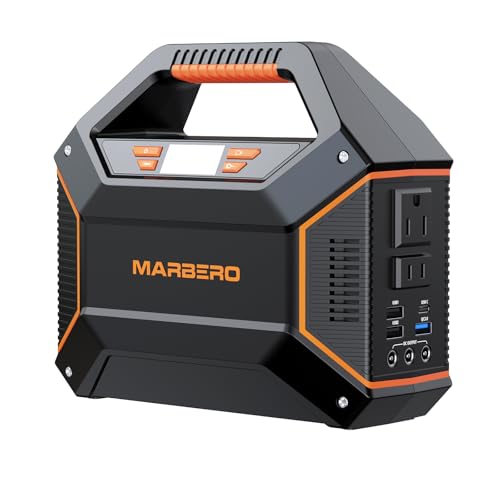
MARBERO 155Wh Power Station 100W Output

MARBERO 237Wh Solar Generator 60W Panel

MARBERO 155Wh Solar Generator 30W Panel Kit
The Details Behind The Selections
The Jackery Explorer 1000 v2 brings enough scale for camps where several devices need power at once. Its 1,070Wh lithium iron phosphate battery, 1,500W continuous AC output, and 3,000W surge rating give it more headroom than the smaller kits here, especially for a cooler, electric pot, or other higher-draw equipment.
At 23.8 pounds, it still feels transportable for a car-based campsite, particularly with its foldable handle. The 102W USB-C output is useful for modern phones and tablets, while the one-hour charging claim helps reduce downtime before departure.
Benefits That Matter
- 1,500W AC output supports a broader range of camping equipment.
- 1,070Wh capacity offers useful overnight energy reserves.
- 102W USB-C charging helps keep compatible devices moving efficiently.
- LiFePO4 chemistry suits frequent campsite use.
Worth Noting
- Its weight and size make it less convenient for backpackers.
- Actual runtime depends on each device’s wattage, starting behavior, and operating time.
Key Attributes
Who It Suits Best
You benefit most from this model when your campsite uses several powered devices or medium-draw appliances beyond basic phone charging.
A Better Fit Elsewhere
MARBERO 88Wh Power Station 120W Surge suits campers whose load is limited to phones, lights, and small electronics.
ZeroKor combines a 300W portable power station with a folding 40W panel, giving weekend campers a more flexible package than a station purchased alone. The 280Wh lithium-ion battery is sized for phones, tablets, laptops, headphones, and smaller camping accessories rather than high-draw appliances.
Two 110V AC outlets provide 300W maximum output through pure sine-wave electricity, a form that suits sensitive electronics. The DC, USB, and USB-C connections broaden the station’s usefulness across a mixed group of devices.
Good Reasons To Consider
- Includes a folding solar panel in the package.
- Two AC outlets reduce dependence on a single connection.
- Pure sine-wave output is suitable for sensitive electronics.
- Flashlight includes reading and SOS modes.
- Battery protection covers several common electrical faults.
Practical Considerations
- The source advises charging an idle unit every two weeks and maintaining 60% to 80% capacity.
- The 40W panel replenishes energy slowly during cloudy or limited-sun periods.
- The product name also references a 100W pack, so compare the package contents carefully before selecting it.
Feature Snapshot
Made For
You get a useful fit from this kit when your weekend involves several personal electronics and a moderate amount of camping equipment.
Where Another Pick Shines
MARBERO 155Wh Solar Generator 30W Panel Kit suits campers who prioritize a simpler single-capacity solar setup.
The MARBERO 148Wh Solar Generator puts a portable station and 40W solar panel into one straightforward package. It sits between the ultra-light 88Wh model and the larger 155Wh and 237Wh options, giving you more stored energy without moving into the heaviest class of setup.
For weekend campers, the important distinction is solar replenishment rather than the panel name. A 40W panel can support slow charging during clear daytime conditions, yet a vehicle outlet or wall connection remains more practical when departure time is close.
Everyday Advantages
- The paired panel avoids a separate solar purchase.
- 148Wh offers a middle ground for portable electronics.
- The balanced package suits road trips and basic campsites.
Some Limits To Know
- A 40W panel supplies limited energy during partial sunlight.
- The available details do not establish suitability for high-draw appliances.
- Owners should keep the station dry and periodically inspect cable connections.
Who Will Love This
You will find this kit most useful as a first solar setup for phones, lights, cameras, and other frequently carried electronics.
Look Elsewhere When
Jackery Explorer 1000 v2 Portable Power Station 1070Wh better serves camps that need greater AC output and longer runtime.
An 88Wh capacity places the MARBERO Portable Power Station squarely in the lightweight electronics category. It makes more sense for charging a phone, camera batteries, headphones, and low-power lights than for keeping a refrigerator or cooking appliance running for long periods.
Its included adapter can take the station from zero to 80% in two hours, a practical schedule for preparing before a weekend trip. The station can also supply devices while it charges, while compatibility with MARBERO 30W or 60W solar panels adds placement flexibility.
Well-Handled Touches
- Quick 80% charge supports convenient trip preparation.
- Pass-through charging lets the station act like a powered strip.
- Works with dedicated 30W or 60W solar panels.
- Low capacity reduces the amount of gear to carry.
Where It May Fall Short
- 88Wh offers less overnight energy than every larger selection.
- High-draw appliances can consume the reserve rapidly.
- Routine charging before storage helps maintain pack responsiveness.
Technical Highlights
Right Fit For
You should favor this compact station for short trips built around small electronics rather than sustained appliance use.
Another Choice May Suit
MARBERO 237Wh Solar Generator 60W Panel suits campers who need more reserve for several devices across an overnight stay.
The MARBERO 155Wh model offers a familiar middle ground for camping and home use. Its 100W rated output handles many portable electronics without approaching the higher draw associated with camping appliances such as electric kettles.
Runtime depends directly on device demand, which is easiest to understand as a division of stored watt-hours by device watts. A 65W laptop, for example, draws enough energy to reduce runtime sharply compared with a phone, so your actual load matters more than the battery number alone.
What It Does Well
- 155Wh supports several electronics over a moderate outing.
- 100W output suits lower-demand camping devices.
- 42,000mAh offers a familiar capacity reference.
Details To Watch
- A 65W laptop can run for roughly 2.4 hours under the stated calculation.
- Screen brightness, peripherals, and battery health affect real runtime.
- Keep the station away from moisture and recharge it periodically during long storage.
Feature Facts
Built With In Mind
You get a balanced fit when your campground trip includes a laptop and several smaller devices without major cooking equipment.
Reach For A Different Pick When
ZeroKor 300W Power Station with 40W Solar Panel offers more connection variety and a bundled solar option for group travel.
The MARBERO 237Wh model extends beyond the compact electronics category with a larger 64,000mAh lithium-ion battery and 300W output. That combination gives you more room for phones, tablets, laptops, headphones, and sustained use across an overnight trip, assuming each connected device remains within the rated limits.
Pure sine-wave output is useful for equipment sensitive to irregular electrical waveforms. The included folding 60W panel is also larger than the panels paired with most kits here, although solar charging still depends on strong, extended daylight.
Notable Upsides
- 237Wh capacity supports a broader overnight device mix.
- 300W output handles more demanding compatible equipment.
- Pure sine-wave AC suits sensitive electronics.
- The 60W folding panel reduces the need for a separate panel.
- 64,000mAh provides a larger internal capacity reference.
Less-Strong Areas
- Devices above 300W fall outside the listed operating range.
- The larger battery and panel increase packing demands.
Whose Shelf It Belongs On
You benefit most from this model during multi-day trips that combine several electronics with a stronger need for stored energy.
Consider Something Else When
MARBERO 88Wh Power Station 120W Surge is easier to carry for short trips centered on phones and compact accessories.
The MARBERO 155Wh Solar Generator package includes the station, a 30W solar panel, and a power converter, reducing the need to assemble a solar setup from separate components. It shares the 155Wh capacity of the standalone station while targeting a straightforward road-trip configuration.
A 6.5-foot integrated cable gives you more freedom to place the panel in direct sunlight while leaving the station nearer your tent or vehicle. The smaller 30W panel folds for transport, though it remains a supplemental charging source rather than a rapid substitute for wall charging.
Everyday Perks
- Station, panel, and converter arrive as one coordinated kit.
- The 6.5-foot cable improves solar panel placement.
- 155Wh supports moderate personal electronics.
- The folding 30W panel suits portable setups.
Possible Compromises
- A 30W panel charges more slowly than the 40W and 60W options here.
- Solar placement can require cable tension that deserves care.
- Inspect the connector after transport in dusty or wet campsites.
Quick Facts
The Right Fit
You should favor this set for road trips where carrying one coordinated solar package matters more than maximum panel output.
A Better Fit Elsewhere
MARBERO 237Wh Solar Generator 60W Panel better serves campers who prioritize greater storage and faster solar replenishment.
Choosing Power That Matches Your Campsite
Capacity and output answer different questions. Capacity, measured in watt-hours, determines how much stored energy is available, while rated output in watts limits which devices you can connect. You need both numbers to match your gear, and neither value alone can predict an entire camping trip.
Match Capacity to Device Demands
Divide approximate stored watt-hours by a device’s wattage for a basic runtime estimate, then account for screen brightness, battery condition, and startup surges. A 155Wh station may handle multiple phones comfortably while offering less than three hours for a 65W laptop.
Solar replenishment is equally important. A 30W panel provides a smaller contribution than a 60W panel, and neither restores energy as quickly as a wall adapter. Plan around daylight, weather, and the likelihood of several cloudy days.
Keep Output Within Safe Limits
Output ratings indicate compatible device demand, not simply the amount of energy stored. The MARBERO 237Wh model supports devices up to its 300W limit, while the Jackery Explorer 1000 v2 offers a higher AC ceiling for more demanding camp equipment.
A pure sine-wave output is worth considering for sensitive electronics because it provides a steadier waveform than modified alternatives. Verify each device’s label before arrival and avoid exceeding the station’s stated continuous or surge limits.
Weight Changes the Campsite Equation
The Jackery Explorer 1000 v2 offers greater capacity but weighs 23.8 pounds, making it more natural beside a vehicle. The MARBERO 88Wh model takes up less room and fits backpacking or minimalist trips where carrying spare energy is less appealing.
Practical Decisions Before Departure
Hidden Buying Traps
A large wattage number does not automatically mean a station can run every camp appliance. Check continuous output, startup demands, connector types, and your device weights before packing. Many disappointments come from expecting a compact station to replace a household outlet.
What The Higher Tier Buys
Higher-capacity models provide more stored energy and often stronger AC output, which matters during overnight stays or when several people share one station. The added panel size and battery weight also increase packing requirements, so the larger model matters most when runtime is a genuine constraint rather than a convenience preference.
Frequently Asked Questions
How large a power station is needed for camping?
Choose capacity by listing each device’s wattage and expected operating time. A compact unit handles phones and lights, while a larger station is more practical for laptops, coolers, and other higher-draw equipment.
Is a solar panel necessary for a campsite?
A panel adds energy independence but usually replenishes a station more slowly than wall charging. Bring the panel for remote camps, while keeping a vehicle or wall adapter as the practical arrival plan.
Can a power station run a refrigerator?
Some models can run a small portable refrigerator, but you must check the refrigerator’s startup and running watts against the station’s limits. Larger compressor models may exceed a compact station’s continuous output.
Does pure sine-wave output matter?
Pure sine-wave output can benefit sensitive electronics by providing a cleaner waveform. It matters most for audio equipment, computers, medical-style electronics, and other devices with sensitive power requirements.
How often should a stored station be charged?
Charge unused lithium-ion stations periodically instead of leaving them fully depleted for months. Periodic charging helps keep the cells responsive and gives you a known state of charge before departure.
Wrap Up
Your best fit depends on how much power you use, not simply on the largest capacity available. Match continuous output to your devices, estimate runtime from actual wattage, and include panel size, charging speed, and carrying weight in the decision. A smaller station that meets your needs can serve a weekend more effectively than a larger one you rarely use.
