


A 3D printer can stop mid-layer during a power interruption, leaving the nozzle heated and the print bed out of position. Backup power can preserve operation on critical equipment, while compatible power supplies and controllers help determine whether a setup can restart safely after power returns. This roundup separates true UPS equipment from printer power supplies, control boards, and unrelated office hardware so you can match each option to a realistic workshop need.
How The Shortlist Stacks Up

TSC TL241 Shipping Label Printer for UPS, FedEx, USPS

TSC DL241 Shipping Label Printer for UPS, FedEx, USPS

CyberPower CP1500PFCLCD Sinewave UPS Battery Backup
FerroFab LRS-200-36 36V 200W Power Supply
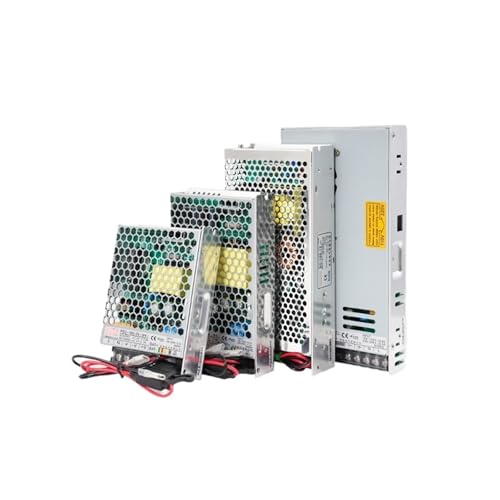
UUDPYZRXG 24V 180W UPS Switching Power Supply
TSC TL240 Shipping Label Printer for UPS, FedEx, USPS

ZDMEBEZ ZEN-BAT01 Programmable Controller
A Breakdown Of The Leading Choices
The TL241 is a desktop thermal-transfer label printer, not a 3D printer battery system. Its value comes from USB, Ethernet, and Bluetooth connectivity, which suits a compact office or fulfillment station where several computers need label access.
It makes more sense in a maker business that regularly packs printed 3D-printed parts than in a home workshop. Compared with the TL240, its broader wired-network support appears to be the defining distinction.
What Pays Off
- Bluetooth supports flexible placement away from the main workstation.
- Ethernet suits a fixed shipping counter with a stable network connection.
- Thermal transfer supports durable labels for inventory and parcel handling.
- USB connectivity accommodates a directly connected production computer.
Practical Considerations
- This printer does not provide backup power for a 3D printer.
- Label media and ribbon handling add maintenance separate from printer upkeep.
Feature Snapshot
Made For
You benefit most from this option in a small fulfillment operation that ships 3D-printed parts and needs networked label printing.
A Better Fit Elsewhere
The CyberPower CP1500PFCLCD suits you better when uninterrupted power for printer electronics is the actual priority.
Direct thermal printing gives the DL241 a simpler media path than the TL241’s thermal-transfer approach. That can suit a shipping desk producing frequent parcel labels without handling ribbon supplies.
The supplied information lists USB, Ethernet, and Bluetooth connections, so placement around a busy packing station appears flexible. None of those features protects a running print, however, making this an operations accessory rather than an outage solution.
What Stands Out
- Direct thermal output streamlines everyday parcel labeling.
- Three connection options suit shared and fixed workstations.
- Desktop construction supports a compact fulfillment counter.
Things To Consider
- Direct thermal media can be sensitive to heat and prolonged label exposure.
- Software and carrier-platform compatibility need checking before purchase.
- It supplies no battery reserve for a printer or controller.
Quick Facts
Right Fit For
You gain the most value in a parcel-heavy workspace that prioritizes simple label production over backup-power capability.
Consider Something Else
The TSC TL240 is the more relevant choice for durable thermal-transfer labels in a smaller 3D-print fulfillment workspace.
A UPS, or uninterruptible power supply, uses stored battery energy to keep supported electronics operating during an outage. The CP1500PFCLCD combines that function with surge protection and line-interactive operation, making it the most directly relevant item here.
Sine-wave output suits active power factor correction equipment, which you may find on some desktop computers and accessories. You still need to verify the 3D printer’s startup surge, connector arrangement, and total load before relying on it for a print.
Everyday Wins
- Battery reserve gives printer electronics time for an orderly shutdown.
- Surge protection adds a second layer during unstable utility power.
- The color control panel presents operating status without navigating software.
- Sine-wave output supports compatible active-PFC electronics.
Points To Note
- Runtime depends on the printer, heated bed, controller load, and battery condition.
- High-output heaters can shorten available runtime considerably.
Technical Highlights
Built With In Mind
You benefit most in a home office or workshop that needs controlled shutdown support for a desktop, network equipment, and compatible printer electronics.
Swap It Out When
The FerroFab LRS-200-36 better suits a printer requiring a specified 36V DC supply rather than general outage protection.
The LRS-200-36 is a switching power supply, meaning it converts AC input into regulated DC output for electronic loads. Its 36V, 5.9A, 200W rating makes it relevant to compatible 3D-printer systems rather than a general battery bank.
For a high-power printer with multiple heated components, current headroom matters because the supply must match the machine’s voltage, connector, and startup demand. You may find this model more appropriate for building a custom enclosure than replacing a printer’s factory unit.
Everyday Perks
- The 200W rating supports power-hungry DC loads within compatible equipment.
- Single-output design simplifies custom printer power routing.
- Selectable AC input ranges support different installation locations when configured correctly.
- Protection circuitry covers short-circuit, overload, overvoltage, and temperature conditions.
Worth Noting
- The input-voltage selector must match the local supply before connection.
- No battery connection is specified, so outage operation is not implied.
Core Details
Who Should Grab It
You should choose this supply for a custom 36V printer installation with a verified connector, current requirement, and safe ventilation plan.
Reach For A Different Pick
The CyberPower CP1500PFCLCD is the better fit for keeping supported electronics alive during an actual utility interruption.
This 24V, 180W variant combines power conversion with UPS and charging functions in one industrial-style module. That versatility could suit a custom electronics enclosure, although the broad model-title range makes configuration careful.
The supplied information lists 110V and 220V AC input, plus 12V and 24V application references. You need to confirm the exact wiring, battery connection, load limits, and printer requirements before using it around a heated 3D printer.
Real Benefits
- UPS and charger functions can centralize custom power management.
- The 180W version offers meaningful capacity for supported DC systems.
- Single-output construction fits focused electronics projects.
Possible Compromises
- The listing names many wattage variants, so the selected configuration needs close attention.
- Battery chemistry, charging behavior, and runtime are not defined in the supplied information.
- Installation requires technical wiring knowledge and safe enclosure planning.
Specification Snapshot
Made For
You benefit most as an experienced maker building a documented custom power system for 12V or 24V equipment.
Not Your Match When
The FerroFab LRS-200-36 is clearer for a defined 36V and 200W printer installation where exact voltage matching matters.
The TL240 handles labels through thermal-transfer printing, a useful choice for products that may encounter heat or handling during shipment. Its desktop format suits a home business turning a 3D-printer hobby into organized fulfillment.
USB and Bluetooth connections provide two placement options, though Ethernet is not identified in the supplied details. Compared with the DL241’s direct-thermal path, this model offers a different label-media workflow rather than any form of power resilience.
Useful Touches
- Thermal transfer supports durable inventory labels.
- Bluetooth allows cable-free placement at a packing bench.
- USB supports a fixed-computer workstation.
- Desktop dimensions suit compact shipping areas.
Small Caveats
- Consumable ribbons require regular replacement and correct alignment.
- Network-heavy workflows may favor the TL241’s Ethernet connection.
The Right Fit
You gain the most value in a small business that regularly ships 3D-printed parts and needs reliable label output.
Look Elsewhere
The CyberPower CP1500PFCLCD serves you better when keeping compatible workshop electronics powered during an outage.
A programmable controller executes logic for automated equipment, and the ZEN-BAT01 designation identifies the variant presented here. It may fit a specialized accessory sequence, but the supplied listing does not connect it electrically to any named printer model.
For a 3D-printing project, you would need verified pinouts, operating voltage, communication protocol, and configuration instructions before replacing an existing board. Based on the available information, treating it as an automatic 3D-printer backup solution would be a mistake.
Practical Pluses
- Programmable logic supports specialized automation concepts.
- The identified ZEN-BAT01 model gives you a concrete variant to research.
A Few Limitations
- Printer compatibility and electrical ratings are not established.
- The product title lists several component references, creating selection ambiguity.
- No charging or battery-reserve function is confirmed by the supplied details.
Whose Shelf It Belongs On
You should consider this controller only after documenting the exact automation interface and confirming compatibility with your equipment.
Another Choice May Suit
The UUDPYZRXG 24V 180W unit offers a clearer role for custom printer power and backup-system planning.
Matching Backup Power To Your Printer Setup
Start with the distinction between backup power and power conversion. A UPS stores electrical energy for outages, while a switching supply transforms wall power into the DC voltage required by a printer. You may need both, but the original printer specifications decide which functions are essential.
Voltage And Connector Fit
A replacement power supply must match the printer’s required DC voltage, current capacity, connector polarity, and startup demand. The FerroFab LRS-200-36 is relevant only to a compatible 36V system, and you should never treat wattage alone as sufficient evidence of compatibility.
Load And Heater Demand
Heated beds and chambers create large loads that can shorten UPS runtime and stress insufficient connections. Calculate the combined demand of the printer, controller, display, and accessories, then leave sensible capacity above the expected running load.
Battery And Charger Details
A module described as a UPS or charger needs compatible battery voltage, chemistry, polarity, and connection details. You should also check recharge behavior and ventilation because battery-backed power electronics require careful enclosure design.
Control System Compatibility
A controller marked for programmable logic is not automatically a 3D printer board. Verify connector layouts, signal levels, firmware requirements, and supported devices before replacing a working motion-control system.
Avoiding Power-Mismatched Choices
Mistakes Worth Dodging
Do not assume a high output rating guarantees a match; voltage and connector polarity remain decisive. Avoid treating a label printer or generic controller as backup power, and confirm how your printer behaves during a controlled shutdown before relying on any UPS.
What Higher Capacity Adds
Higher-capacity units can carry greater loads, extend runtime, and offer more connection flexibility, but capacity alone cannot correct mismatched voltage. You gain value from additional capacity only after compatibility is established and heavier loads remain within documented operating limits.
Frequently Asked Questions
Can any UPS power a 3D printer?
Only after you confirm voltage, connector, load, and startup behavior. Runtime also depends on the heated bed, chamber, controller, and other attached equipment.
Is a 200W power supply enough for every printer?
No, because some printers need a different voltage or draw more than 200W. Check the factory supply label and the printer documentation before selecting a replacement.
Which item provides actual battery backup?
The CyberPower CP1500PFCLCD is the clearest UPS option here. Its runtime depends on the connected load and the condition of its internal battery.
Can a label printer support a 3D printer?
Not as power protection. The TSC models handle shipping labels and may support a small business that sells printed 3D parts, but they do not power a printer.
What information matters before buying a controller?
Confirm the supported printer model, pin assignments, operating voltage, communication method, and firmware. The ZEN-BAT01 listing alone does not establish printer compatibility.
Final Verdict
The CyberPower CP1500PFCLCD is the most relevant outage-protection option, while the FerroFab LRS-200-36 serves a defined 36V installation. The UUDPYZRXG module may suit experienced custom builders, and the TSC printers benefit small fulfillment businesses rather than printer electronics. Choose from documented requirements, not category labels, and leave uncertain connections unconnected until compatibility is clear.
