


Camera batteries rarely fail at a convenient moment. A low reading can interrupt a family shoot, trail-camera watch, or long monitoring session, so the chemistry, pack size, and device compatibility deserve attention before checkout. Alkaline offers the simplest route, rechargeable cells reduce routine replacements, and 1.5V lithium provides another option for compatible electronics.
Battery chemistry matters because many cameras accept only specific cell types or voltage ranges. Your camera manual provides the safest place to confirm compatibility, while flash duration, operating temperature, recharge access, and expected battery changes determine which option fits your routine best.
A Closer Look At The Lineup

Rayovac High Energy AA Batteries 48 Pack

Rayovac AA and AAA Batteries Combo Pack 54 Count

Energizer Power Plus Rechargeable AA Batteries 4 Pack
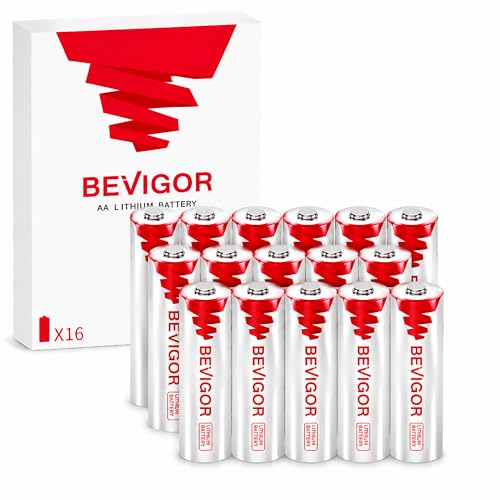
BEVIGOR 1.5V Lithium AA Batteries 16 Pack

BEVIGOR High-Capacity Lithium AA Batteries 24 Pack

BEVIGOR Ultra Long-Lasting Lithium AA Batteries 8 Pack

BEVIGOR Lithium AA Batteries 16 Pack 1.5V
A Breakdown Of The Leading Choices
A large reserve matters more than another specialized feature for many households. This 48-count Rayovac pack serves compatible cameras, flashlights, remotes, toys, and other everyday devices without leaving you with only a loose cell or two.
Alkaline chemistry, meaning a disposable primary cell suited to steady output rather than repeated charging, makes this a straightforward maintenance choice. Compared with the Energizer Power Plus Rechargeable AA Batteries 4 Pack, it avoids charger ownership, though used cells still belong in the appropriate battery disposal stream.
The Upside
- Forty-eight cells cover many compatible devices at once.
- The broad household mix reduces separate battery orders.
- Alkaline cells require no charging routine.
- The case is designed to contain battery leakage.
Practical Considerations
- Your camera must list AA alkaline compatibility.
- Stored cells age, so rotate between use and reserve stock.
Key Specs
Made For
This pack suits households running several compatible AA-powered devices and keeping a broad backup supply nearby.
A Better Fit Elsewhere
The Energizer Power Plus Rechargeable AA Batteries 4 Pack suits you better when a compatible charger is already part of your setup.
AA and AAA cells serve similar roles but rarely match the same devices. This Rayovac combination keeps 30 AA batteries and 24 AAA batteries together, which is useful for a camera drawer, office, travel kit, or mixed collection of household electronics.
The main appeal is coverage rather than chemistry sophistication. Compared with Rayovac High Energy AA Batteries 48 Pack, you gain AAA coverage but reduce the AA reserve, so camera-heavy use deserves particular attention to the size printed beside each battery compartment.
What Helps Most
- Two common sizes arrive in one pack.
- The 54-cell total supports broad household maintenance.
- Alkaline cells need no charger or scheduled cycling.
- Owners commonly keep one pack as shared device stock.
Small Caveats
- The AAA portion is unnecessary for an exclusively AA-powered camera.
- Rechargeable camera requirements may rule out alkaline cells.
- Keep each size labeled to reduce mixed-battery installation errors.
At A Glance
Who It Suits Best
This combination works well for mixed-device homes that use cameras, flashlights, remotes, toys, and small accessories across both AA and AAA sizes.
Consider Something Else
Rayovac High Energy AA Batteries 48 Pack makes more sense for an AA-only camera inventory that regularly consumes cells.
Rechargeable cells suit cameras used often enough that disposable replacements become a recurring chore. Four Energizer Power Plus AA batteries provide a practical starting quantity for a camera that takes two cells at a time or a kit where separate device use keeps all four active.
Rechargeable means you return these cells to a compatible Energizer charger after use, so ownership includes occasional charging and rotation. Unlike the disposable Rayovac options, the value builds through repeated cycles, provided your camera supports the rechargeable cell specification.
Real Benefits
- Repeated use reduces disposable battery accumulation.
- The four-cell count covers common two-battery compartments.
- A stated service life reaches up to 12 years, depending on use and charging habits.
- The cells contain 22% recycled material.
Practical Considerations
- A separate compatible charger adds to the setup.
- Charging logistics matter during extended field sessions.
- Your camera manual should permit rechargeable AA cells.
Feature Snapshot
Built With In Mind
This set fits frequent camera users with a compatible charger and a dependable place to recharge batteries between sessions.
Reach For A Different Pick
BEVIGOR 1.5V Lithium AA Batteries 16 Pack suit long storage periods where charger access is limited.
Storage behavior matters for cameras that remain loaded during gaps between seasons. BEVIGOR positions these 1.5V lithium AA cells around a stated shelf life of up to 20 years and an annual self-discharge rate below 1%, a profile suited to backup and emergency supplies.
The source also identifies Blink cameras, trail cameras, flashlights, and gaming controllers among compatible uses, subject to each device’s requirements. Compared with Rayovac High Energy AA Batteries 48 Pack, the pack is smaller but carries lithium characteristics that can make long storage more attractive.
Strengths Worth Knowing
- The 1.5V output fits compatible AA devices.
- Long stated shelf life supports reserve storage.
- Low annual self-discharge reduces stored-energy loss.
- Sixteen cells cover several two-battery devices.
Points To Note
- Not every AA camera accepts lithium chemistry.
- Primary lithium cells are not rechargeable.
- Store spare batteries cool and dry for easier ownership.
Technical Highlights
The Right Fit
These cells suit smart-camera, trail-camera, and household users with compatible 1.5V AA compartments and long storage periods.
Another Choice May Suit
Rayovac High Energy AA Batteries 48 Pack offer a larger disposable reserve for households using several alkaline-compatible devices.
Twenty-four cells make this the largest lithium AA pack in the group. That quantity makes practical sense for several compatible cameras, smart-home sensors, flashlights, or a larger equipment cabinet where frequent replacement interrupts your routine.
The updated 1.5V lithium design is intended to provide stable output, but stable does not mean universally interchangeable. You still need a camera specification that permits AA lithium cells, and you should avoid mixing battery chemistries within one device unless its instructions permit that practice.
The Helpful Details
- Twenty-four cells create the deepest lithium reserve here.
- The 1.5V format suits compatible AA equipment.
- Stated shelf life reaches up to 20 years.
- Self-discharge stays below 1% annually.
Possible Compromises
- The larger pack adds weight to travel and field kits.
- Lithium chemistry may not fit older camera models.
- These are disposable cells rather than a rechargeable set.
Who Will Love This
This pack suits camera-heavy households that need a large, shelf-stable reserve across multiple compatible AA devices.
Where Another Pick Shines
BEVIGOR Ultra Long-Lasting Lithium AA Batteries 8 Pack fit you better when carrying a lighter reserve matters more.
Eight cells keep a camera reserve useful without turning it into a bulk-storage project. That middle ground fits two-camera households, compact travel kits, and people who want lithium storage characteristics without carrying 16 or 24 cells.
The stated high-capacity design delivers nearly 15% more power than standard lithium cells, based on the source description. You may find that extra capacity relevant in high-drain equipment, but your camera’s voltage, temperature range, and chemistry requirements remain the decisive fit checks.
Where It Excels
- Eight cells supply four two-battery camera changes.
- The capacity increase targets demanding devices.
- A 1.5V output supports compatible AA equipment.
- The stated 20-year shelf life supports reserve storage.
Less-Retrained Areas
- Capacity claims do not remove the need for device compatibility checks.
- Short field trips still benefit from a planned spare-cell system.
Quick Facts
Made For
This middle-sized pack suits compatible camera users who want meaningful spare capacity without the bulk of a 16- or 24-cell pack.
A Better Fit Elsewhere
BEVIGOR High-Capacity Lithium AA Batteries 24 Pack suit you better when minimizing battery orders is the priority.
A 16-cell pack lands between the compact eight-cell option and BEVIGOR’s 24-cell reserve. You receive enough lithium AA cells to manage several camera changes or support a small network of compatible devices without carrying the largest battery group in the lineup.
The updated design emphasizes a stable 1.5V supply, while the stated shelf life reaches up to 20 years with annual self-discharge below 1%. That profile favors cameras kept loaded or spare cells stored for later, provided the equipment explicitly accepts AA lithium batteries.
Advantages To Know
- Sixteen cells offer a balanced replacement reserve.
- The 1.5V format serves compatible AA devices.
- Long shelf life supports stored emergency supplies.
- Low stated self-discharge helps preserve reserve capacity.
Honest Caveats
- Older equipment may restrict AA battery chemistry.
- Same-size cells with different voltage profiles should not be mixed casually.
- Reload the camera promptly after removing expired cells to limit corrosion risk.
Best Suited To
This pack fits camera users who want a moderate lithium reserve for a compatible device used regularly or stored seasonally.
Swap It Out
The Energizer Power Plus Rechargeable AA Batteries 4 Pack make more sense for camera use paired with a reliable charging routine.
Choosing Batteries Your Camera Can Use
Start with the camera specification
Your camera manual is the primary compatibility source. Check the compartment for AA sizing, required chemistry, acceptable voltage, and any restrictions on rechargeable cells; a battery physically fitting the slot does not guarantee electronic compatibility.
Match chemistry to use frequency
Alkaline cells simplify ownership because they need no charger. Rechargeable AA batteries suit frequent use, while 1.5V lithium cells can suit compatible devices that value lightweight storage or long reserve periods.
Count slots and usage patterns
Two-battery cameras turn each change into a pair. A four-cell rechargeable set covers one such swap, eight cells cover two, and 24 cells provide a broader cabinet reserve. Count your actual use before choosing quantity.
Consider storage and charger access
Long shelf life matters for cameras that stay loaded or kits stored between trips. Frequent users with dependable charging access may gain more practical value from reusable cells, while remote monitoring setups benefit from carefully stored disposable lithium options.
Avoid Mixed-Chemistry Shortcuts
The Wrong Turns To Avoid
Battery size alone rarely settles compatibility. Confirm chemistry and voltage before checkout, and keep replacement instructions with the camera. This habit also helps you remove exhausted cells promptly, which reduces moisture and corrosion concerns inside the compartment.
Know What Added Capacity Delivers
What Separates Premium From Basic
Higher-capacity lithium cells may support steadier output in demanding equipment, while larger packs reduce replacement frequency. The extra capability matters most with compatible high-drain devices, frequent camera use, or long storage periods where charger access is limited.
Frequently Asked Questions
Are lithium AA batteries compatible with every camera?
No. Your camera must permit AA lithium cells and accept their 1.5V output. Check the device instructions because physical fit alone does not confirm compatibility.
Can rechargeable AA batteries be used in a camera?
Compatible cameras may accept rechargeable AA cells. Confirm the camera instructions and use a charger compatible with the specified battery format.
How many spare batteries are needed?
Your camera’s slot count sets the minimum. Two slots require two cells per change, while four-slot devices require four; extra capacity helps only with the additional changes you expect.
Are alkaline or lithium batteries better for cameras?
Alkaline keeps ownership simple, while lithium offers a different storage profile. Choose based on device compatibility, usage frequency, operating conditions, and battery-management access.
How should unused camera batteries be stored?
Keep unused cells in their original packaging, away from moisture, excessive heat, and metal objects. Storage conditions matter because heat and physical damage can shorten their useful life.
Final Verdict
Choose Rayovac High Energy AA Batteries 48 Pack for broad alkaline-compatible coverage, or Energizer Power Plus Rechargeable AA Batteries 4 Pack for a charger-based routine. BEVIGOR’s 1.5V lithium options suit compatible cameras, with pack sizes ranging from 8 to 24 cells for different storage and usage needs. Confirm your camera specification first, then choose the capacity that matches your actual replacement schedule.
