


Choosing household batteries becomes much easier once you separate capacity, shelf life, recharging, and device fit. You may need AAA cells for a controller, AA batteries for a flashlight, or rechargeable lithium power for equipment used every day. The right pack depends on how often you use the device, how long you plan to store the cells, and whether replacing batteries fits your routine better than charging them.
A Side-By-Side Look

Amazon Basics 20-Count AAA Alkaline Batteries

Powermax 24-Count AA Alkaline Batteries
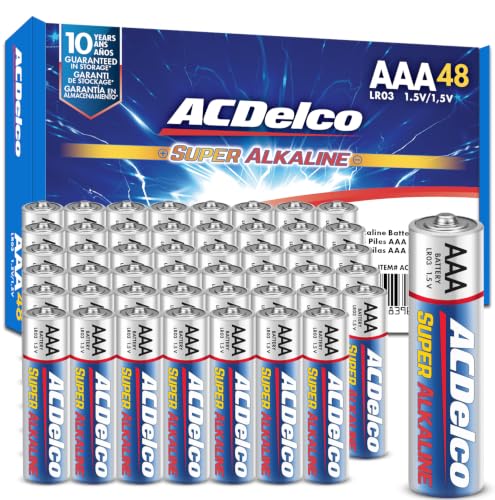
ACDelco 48-Count AAA Super Alkaline Batteries
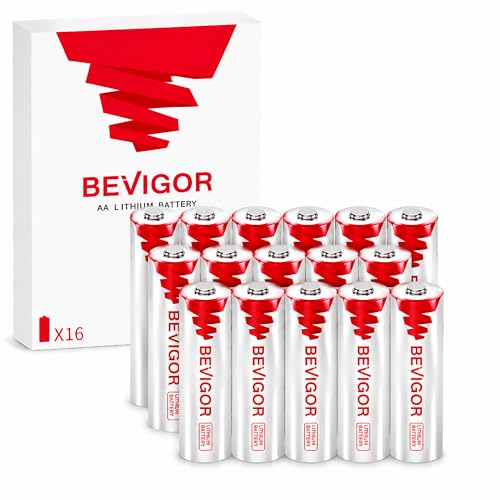
BEVIGOR Lithium AA Batteries 16 Pack

BEVIGOR Upgraded Lithium AA Batteries 24 Pack

BEVIGOR Ultra Long-Lasting Lithium AA Batteries 8 Pack

PHILIPS Rechargeable AAA Lithium Batteries 8 Pack
More On The Choices That Made The List
For a remote-control drawer or a game-controller rotation, this pack covers a common household need without introducing rechargeable charging into the routine. The 20-count format gives you enough AAA cells to replace several devices at once, and the stated 10-year storage life makes the pack reasonable for backup shelves.
Unlike the AA options later in the list, these cells focus on smaller electronics such as clocks, toys, cameras, and controllers. You benefit most from a straightforward supply of single-use alkaline batteries, especially where mixed brands or battery sizes would complicate organization.
Where It Excels
- Twenty AAA cells cover repeated replacements across a home.
- 1.5-volt alkaline format suits common remotes, controllers, clocks, and small toys.
- The stated 10-year storage life supports emergency and household backups.
- Single-use cells remove the need for a charging routine.
Things To Consider
- Alkaline batteries cannot be recharged, so replacement use creates ongoing waste.
- The AAA size will not fit equipment designed specifically for AA cells.
Made For
You’ll find this pack most useful in homes with several AAA-powered remotes, controllers, clocks, or small electronics.
Where Another Pick Suits Better
PHILIPS Rechargeable AAA Lithium Batteries 8 Pack suits households that prefer charging controllers and remotes instead of replacing alkaline cells.
AA cells remain useful for flashlights, small appliances, toys, and many household controls, and Powermax provides 24 of them with a reclosable package. That closure helps keep unused batteries together and reduces the chance that loose cells scatter across a drawer. The 10-year shelf-life claim is useful for a garage, utility closet, or emergency kit.
Compared with Amazon Basics’ AAA pack, this choice carries more cells and uses the larger format, so it fits AA-compatible equipment rather than compact controllers. The tradeoff is that you still manage disposable cells, and alkaline chemistry can be less appealing for high-use equipment where rechargeable lithium may fit better.
Bright Spots
- Twenty-four cells provide broad household replacement coverage.
- Reclosable packaging supports organized drawer or cabinet storage.
- The 10-year shelf life suits emergency and occasional-use supplies.
- AA format works across many flashlights, toys, and household devices.
Small Caveats
- These are single-use alkaline batteries, not a rechargeable option.
- Storage claims depend on keeping the cells in suitable conditions and using them within their intended service period.
Right Fit For
This pack suits households that use AA batteries across several rooms and want a single, organized replacement supply.
A Better Fit Elsewhere
BEVIGOR Upgraded Lithium AA Batteries 24 Pack is the stronger match for high-drain devices or places where long storage and lower self-discharge matter.
ACDelco’s 48-count AAA package is built for a high-volume household or office routine, where a smaller pack would need replenishing too often. Super alkaline chemistry is intended for devices that draw power more heavily than a simple clock, so the format is relevant for busy equipment stations and shared workspaces. The stated 10-year shelf life also makes the quantity easier to store as a maintenance supply.
That scale comes with a trade-off. Forty-eight disposable cells create more material to manage than a rechargeable set, and AAA compatibility remains a firm requirement. Compared with BEVIGOR’s lithium AA options, this pack is better suited to alkaline replacements in smaller electronics rather than long-lived storage devices.
The Practical Payoff
- Forty-eight cells reduce the frequency of restocking AAA devices.
- Super alkaline chemistry targets higher-drain electronics.
- Reclosable packaging helps organize a shared battery supply.
- Long stated shelf life supports storage away from frequent use.
Honest Caveats
- The large quantity may be excessive for a small apartment or occasional remote use.
- Disposable cells require replacement and are not designed for a charging station.
Key Specs
Who It Suits Best
You’ll appreciate this pack in a busy home or office that operates several AAA-powered devices and prefers one large alkaline reserve.
Where A Sibling Pick Shines
Amazon Basics 20-Count AAA Alkaline Batteries suit lighter household use where a 48-cell pack would be more than necessary.
Lithium chemistry makes this BEVIGOR pack a more interesting option for cameras, security devices, flashlights, and controllers that may sit unused between uses. The source lists a shelf life of up to 20 years and a self-discharge rate below 1% annually, which gives it a clear storage advantage over conventional alkaline cells. You’ll notice that benefit most in equipment kept in a drawer, cabinet, or outdoor-adjacent storage area.
Compared with Powermax’s AA alkaline pack, the BEVIGOR set prioritizes long storage and stable 1.5-volt output rather than simple replacement convenience. Its 16-cell quantity is also more modest, so a household with several high-drain AA devices may need another pack sooner.
Real Benefits
- Up to 20 years of stated shelf life supports long-term backup storage.
- Lithium chemistry is aimed at smart devices, cameras, and flashlights.
- Stable 1.5-volt output suits equipment designed around AA cells.
- Sixteen cells form a practical starter supply for mixed AA devices.
Points To Note
- Lithium cells may cost more upfront than ordinary alkaline batteries.
- They remain single-use batteries, so frequent-use setups will still require replacement.
Made For
This pack fits people maintaining AA-powered cameras, security equipment, flashlights, and other devices that spend time unused between active periods.
Another Choice May Suit
ACDelco 48-Count AAA Super Alkaline Batteries suit larger-scale AAA replacement needs, especially for home and office equipment.
The 24-cell count makes this BEVIGOR lithium pack feel like a fuller household reserve than the 16-cell version, while retaining the long-storage positioning that separates lithium from ordinary alkaline. Its stated upgraded technology and 1.5-volt output target AA devices needing dependable power, including high-drain equipment. The pack is particularly useful for a home that wants one larger supply covering flashlights, cameras, controllers, and backup gear.
You’re paying for a larger quantity and a chemistry built around storage stability, not for a rechargeable setup. Compared with the compact BEVIGOR 8 Pack, this version makes more sense for spread-out households with several AA compartments, while the smaller pack is easier to keep in a travel kit or emergency drawer.
Practical Pluses
- Twenty-four cells provide a broad AA replacement supply.
- Up to 20 years of stated shelf life supports reserve storage.
- The upgraded lithium format is aimed at stable 1.5-volt output.
- It covers several device categories without changing battery size.
Trade Offs
- The 24-cell pack may be excessive for occasional AA use.
- Lithium cells are not rechargeable and still need eventual replacement.
- Older devices designed around alkaline behavior may not match lithium performance equally well.
Key Product Details
Who Will Love This
You’ll appreciate this pack in a multi-device home that uses AA batteries regularly but still wants a long-term storage reserve.
Consider Something Else When
BEVIGOR Ultra Long-Lasting Lithium AA Batteries 8 Pack are a more compact choice for travel, a small emergency kit, or occasional AA use.
This eight-cell lithium pack is the more portable option among the BEVIGOR choices. You can keep it in a backpack, travel organizer, or emergency drawer without carrying a larger reserve, while the stated 20-year shelf life helps it remain useful through long gaps between uses. The high-capacity lithium positioning is aimed at AA devices that consume energy more quickly, such as certain flashlights and household electronics.
For frequent users, the small quantity may run out faster than the 16- or 24-cell packs. The trade-off is straightforward: you trade quantity for portability, and you still manage a single-use battery rather than a rechargeable system.
Well-Handled Touches
- Eight cells keep a compact backup set close at hand.
- Up to 20 years of stated shelf life supports emergency storage.
- Lithium chemistry targets devices with higher energy demand.
- 1.5-volt output suits standard AA-compatible equipment.
Where It Is Less Suited
- The eight-cell count may be small for homes with several AA devices.
- Disposable lithium cells do not solve long-term charging needs.
Travel Ready
You’ll find this pack useful for travel, camping gear, or a compact household emergency kit where carrying 24 cells would be unnecessary.
Reach For A Different Pick When
BEVIGOR Upgraded Lithium AA Batteries 24 Pack suits a larger home that wants fewer replenishment stops and several AA-powered devices.
The PHILIPS set changes the ownership rhythm for AAA-powered controllers and remotes because its cells can be recharged instead of discarded after use. Each battery is stated at 1.5 volts and 1300mWh, with the package including an eight-slot Type-C charging station. That setup is easy to appreciate in a living room where remotes and controllers are used regularly, since one charging location can keep the whole group ready.
Lithium-ion chemistry is more specialized than ordinary alkaline, so you should confirm that your device accepts rechargeable AAA cells. Compared with Amazon Basics’ disposable AAA pack, PHILIPS costs more to start but may suit frequent-use households better; compared with the BEVIGOR lithium AA options, it serves rechargeable AAA devices rather than long-storage AA equipment.
Real-World Strengths
- Rechargeable cells reduce the need to keep buying AAA replacements.
- The 1300mWh stated capacity supports everyday household electronics.
- Constant 1.5-volt output is designed for compatible devices.
- The eight-slot Type-C station charges the set together.
- It fits game controllers and remote controls without changing the AAA format.
Less-Strong Areas
- Not every device is designed for rechargeable AAA batteries.
- The initial cost and charging base make more sense for regular users than occasional ones.
- You need access to a USB-C charging setup for regular recharging.
Essential Details
Built With In Mind
You’ll get the most value in a household with frequently used game controllers, remote controls, and other compatible AAA electronics.
A Better Fit Elsewhere
Powermax 24-Count AA Alkaline Batteries suit occasional AA devices where simple disposable storage is more practical than a rechargeable system.
What Matters Before You Choose Batteries Rateds
Match the Battery Size First
AA and AAA batteries look similar, but they are not interchangeable in most devices. Check the compartment label or the device manual, then choose the format your equipment requires. A large pack of the wrong size creates clutter rather than readiness.
Decide Between Disposable and Rechargeable
Alkaline and lithium cells are convenient for occasional use, while rechargeable AAA batteries make more sense for controllers and remotes used regularly. Consider charging access, device compatibility, and how often you replace cells before deciding.
Think About Storage and Device Demand
Long shelf life helps with emergency kits and infrequently used equipment, while capacity and discharge behavior matter more for high-drain devices. Store batteries in a dry place, keep contacts clean, and avoid mixing old and new cells in the same device.
Common Shopping Slip Ups
Check Compatibility Before Quantity
A large count can be useful, but only when the size and chemistry match your devices. Rechargeable cells also need a charger and may not work in every older model, so checking the equipment label prevents an avoidable mismatch.
Separate Long-Term Storage From Daily Use
Lithium chemistry can suit long storage periods, while alkaline packs can serve routine replacement needs. Think about where the batteries will sit, how often the device runs, and whether the added storage features solve a real problem.
What The Higher Tier Buys
Capacity, Chemistry, and Charging Add Value
Higher-cost options may provide more energy, longer storage life, or a rechargeable system. Those extras matter most for security cameras, frequently used controllers, and devices left unused for long stretches. A basic alkaline pack remains sensible for occasional low-demand replacements.
Frequently Asked Questions
Can I Use AA Batteries In An AAA Device?
No. AA and AAA have different dimensions, and most devices require one specific size. Always check the battery compartment or device documentation.
Are Lithium Batteries Better Than Alkaline Batteries?
Lithium batteries often suit long storage and higher-demand devices, while alkaline batteries work well for routine, occasional use. The best choice depends on your device and replacement habits.
Can Rechargeable AAA Batteries Work In Game Controllers?
Only when the controller is designed for rechargeable AAA cells. Some devices work with them, while others require disposable alkaline batteries.
How Should Batteries Be Stored?
Keep them in a dry, temperature-conscious place and avoid mixing old cells with new ones. Separate storage by size and chemistry also makes later replacement easier.
Which Pack Is Best For Emergencies?
BEVIGOR lithium AA packs are suited to long-term backup storage, while Amazon Basics AAA batteries work for common household electronics. Choose the size required by the equipment you want to keep ready.
Final Verdict
For everyday mixed devices, Amazon Basics and Powermax offer practical alkaline backups, while ACDelco makes sense for a large AAA reserve. BEVIGOR’s lithium AA packs fit long storage and higher-demand equipment, and PHILIPS stands apart for rechargeable AAA use. Match the size first, then choose disposable or rechargeable power based on how often your devices run.
