


Remote controls are easy to overlook until a weak battery interrupts your evening, a dead key fob delays your morning, or a smart lock stops responding. The right coin cell depends on voltage, diameter, thickness, and the device’s specified battery type. Rechargeable AA and AAA options add capacity for compatible equipment, but they aren’t substitutes for devices designed around a replaceable button cell.
Keep the remote’s battery compartment open and note the model printed inside or on its back. Coin-cell numbers describe physical size and chemistry, not universal interchangeability, while rechargeable batteries also require compatible charging equipment.
A Quick View Of The Lineup

PHILIPS CR2016 3V Lithium Coin Cell Batteries, 5 Count
PHILIPS CR2032 3V Lithium Coin Cell Batteries, 5 Count
PHILIPS CR2450 3V Lithium Coin Cell Batteries, 5 Count
PHILIPS CR2025 3V Lithium Coin Cell Batteries, 5 Count
PHILIPS CR2430 3V Lithium Coin Cell Battery, 5 Count
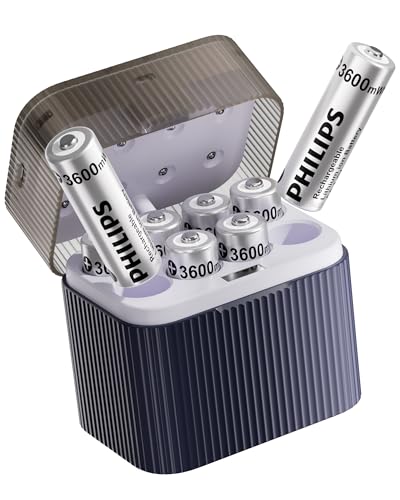
PHILIPS Rechargeable AA Lithium Batteries, 8-Pack
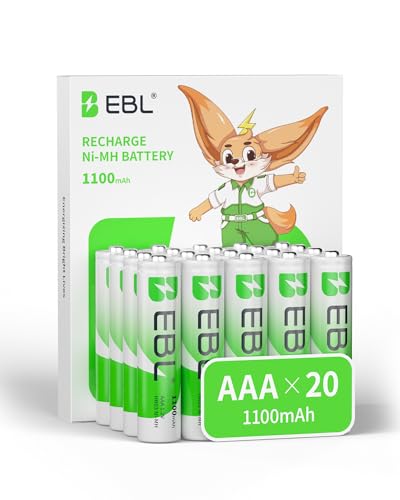
EBL Rechargeable AAA Batteries, 20-Pack
The Picks, Examined More Closely
CR2016 cells solve a narrow but common problem: powering slim devices that need a 3V coin cell rather than AA or AAA batteries. A five-cell pack suits car key fobs, compact smart-lock components, and small household electronics whose compartments accept the CR2016 format.
Compared with the thicker PHILIPS CR2032 later in this lineup, the CR2016 suits equipment designed around a thinner profile. For a remote, appearance tells you little, so confirm the model number before opening a package.
The Value In It
- Five cells cover several compatible devices or a later replacement cycle.
- The 3V lithium format suits slim key fobs and compact electronics.
- Claimed ten-year storage life favors keeping spare power available.
Points To Note
- CR2016 and CR2032 cells share 3V power but have different thicknesses, so incorrect fit is possible.
- Store unused cells away from heat, moisture, children, and metal objects that could complete an electrical contact.
Key Specs
The Right Fit
You’ll find the best fit with compact key fobs, slim locks, and other electronics specifically designed for CR2016 cells.
A Sibling Pick Shines
PHILIPS CR2032 3V Lithium Coin Cell Batteries are the better fit for compatible remotes and devices requiring the thicker coin-cell format.
The CR2032 is the practical coin cell to recognize first because it appears in many remotes, key fobs, smart locks, and small household devices. Its 3V output suits equipment specifically labeled for that cell type, while the five-cell pack keeps a few matching spares within reach.
That makes it more broadly useful for a mixed household than the slimmer PHILIPS CR2016, though the larger CR2450 serves equipment needing a wider body. The battery compartment remains the final authority on fit.
The Practical Payoff
- Works across many remote, lock, and key-fob applications that specify CR2032.
- Five cells support immediate replacement and future spares.
- Claimed ten-year sealed-storage life suits long-term household backup.
- The packaging helps limit casual access to the button cells.
Small Caveats
- Some devices use two or more cells with a keyed orientation, so follow the compartment’s contact markings.
- Lithium coin cells are single-use cells, so replacement frequency depends on device demand and storage conditions.
At A Glance
Made For
Households with CR2032 remotes, smart locks, or key fobs get the most practical fit from this pack.
Reach For A Different Pick When
PHILIPS CR2025 3V Lithium Coin Cell Batteries suit compatible devices whose manual specifies the smaller CR2025 format.
A remote that specifies CR2450 needs a wider coin cell than the common CR2032, making size confirmation especially important. This five-cell pack serves that narrower group with a stated ten-year storage life, which is useful for backup power kept with keys or household equipment.
Unlike PHILIPS CR2032, the CR2450 has a broader physical format, so it may sit differently in the compartment. The fit looks sensible for compatible devices, but measuring the cell recess or reading the manual prevents a return trip.
Strengths Worth Knowing
- Supplies a correctly specified alternative for wider CR2450 compartments.
- Five cells allow staggered replacement across compatible items.
- Long claimed storage life supports keeping unused power on hand.
- Child-resistant packaging helps reduce casual access to the cells.
Trade-Offs To Consider
- CR2450 is less commonly specified than CR2032, so you need a clear model reference.
- Unused cells should remain in their original packaging and away from conductive surfaces.
Who It Suits Best
You’ll appreciate this pack when a television remote, lock, or other device explicitly requires a CR2450 cell.
Another Choice May Suit
PHILIPS CR2032 3V Lithium Coin Cell Batteries are the better fit for the more common remotes and devices built around the standard-sized coin cell.
CR2025 cells occupy the space between slim CR2016 and the more familiar CR2032. That middle format suits key fobs, compact controls, and household electronics whose battery doors call for a CR2025, including compatible Toyota key-fob applications.
The five-cell pack carries the same claimed ten-year storage life as the neighboring PHILIPS coin cells, which makes spare handling straightforward. It isn’t a broad catch-all, though: diameter and thickness both need to match the original cell.
Practical Pluses
- Useful for the intermediate-size electronics designed for CR2025 cells.
- Five units offer spares for several compatible items.
- Sealed storage claims focus on long-term inventory rather than weekly swaps.
Possible Compromises
- The CR2025 is less recognizable than CR2032, making the printed model requirement especially important.
- Rechargeable AA and AAA batteries are physically different and should not replace this cell.
Quick Facts
Right Fit For
Key-fob owners and households with compact electronics specifically labeled for CR2025 will find this format useful.
Look Elsewhere When
PHILIPS CR2032 3V Lithium Coin Cell Batteries fit more of the common household devices that use a standard-sized 3V coin cell.
CR2430 is a useful format to keep around because remotes, scales, and household devices can specify it, yet the code is less obvious than CR2032. The five-cell pack gives you replacements for compatible equipment without requiring a trip for each low-power warning.
The wider CR2430 differs physically from the smaller CR2450 despite similar naming. Check the original cell marking, and don’t assume adjacent numbers mean interchangeable dimensions.
Everyday Advantages
- Covers compatible remotes, scales, and household electronics in one pack.
- Five cells reduce repeated shopping for multiple matching devices.
- Claimed ten-year storage life favors organized backup replacement power.
Worth Noting
- The number is easy to confuse with CR2450 and CR2032, making the device label important.
- Keep unused cells in their packaging, away from moisture, heat, children, and loose metal objects.
- For a rechargeable AA remote, the PHILIPS rechargeable set is a cleaner fit.
Built With In Mind
You’ll find this pack practical for households managing several compatible remotes, scales, or smaller household devices.
Swap It Out When
PHILIPS Rechargeable AA Lithium Batteries suit AA-compatible remotes and controllers that support 1.5V rechargeable cells.
Rechargeability changes the ownership rhythm for AA-powered remotes and controllers. This PHILIPS set provides eight 1.5V lithium-ion cells, each rated at 3600mWh, which means the batteries retain their rated output across repeated use rather than being discarded after depletion.
The charging case doubles as storage, a useful feature in a busy living room where loose cells migrate under furniture. You need a Type-C cable and must confirm that your equipment accepts 1.5V rechargeable AA cells rather than a different chemistry.
A Few Highlights
- Eight cells cover several AA-compatible remotes or game controllers.
- Constant 1.5V output suits devices designed for standard AA voltage.
- The integrated Type-C charger and storage compartment reduce clutter.
- A stated 1200-cycle life supports repeat charging over extended ownership.
Practical Considerations
- Not every AA compartment accepts rechargeable lithium-ion batteries, so compatibility comes first.
- The case needs a suitable Type-C cable and must be connected during charging.
Technical Highlights
Who Will Love This
Frequent users of several AA-compatible remotes or controllers appreciate the rechargeable cells and dedicated case.
Consider Something Else When
EBL Rechargeable AAA Batteries are the better fit for AAA-compatible equipment rather than AA devices.
Twenty rechargeable AAA cells make sense for a household with several compatible remotes, small flashlights, toys, or other AAA-powered gear. Each cell provides 1100mAh, giving you a broad pool for devices that regularly consume single-use batteries.
NiMH, or nickel-metal hydride, is a common rechargeable chemistry, but a device or charger must support it. Compared with the PHILIPS AA set, this pack favors quantity and AAA compatibility rather than integrated charging and storage.
Good Reasons To Consider
- Twenty cells suit households replacing many AAA batteries over time.
- The 1100mAh rating provides a useful capacity for moderate-drain equipment.
- NiMH chemistry is broadly used in rechargeable AAA accessories.
- A stated life of up to 1200 cycles favors long-term repeat use.
Details To Watch
- AAA cells are smaller than AA cells and will not fit an AA compartment.
- You need a compatible charger; no charger specifications are supplied here.
- High-drain equipment can still consume charge faster than low-drain remotes.
Feature Facts
Whose Shelf It Belongs On
Busy households with numerous AAA-compatible devices gain the most from a large rechargeable pool.
Where A Sibling Pick Shines
PHILIPS Rechargeable AA Lithium Batteries fit AA devices and include a charger with a built-in storage compartment.
Start With The Battery Compartment
Remote batteries are identified by more than voltage. The type designation describes the cell’s shape and chemistry, and each letter or number in a code such as CR2032 or AA corresponds to specific dimensions or a standard battery format. Start by opening the compartment and checking the diagram, molded marking, or device manual before selecting a replacement.
Measurements provide a useful backup. Record diameter and thickness, noting that tiny differences can prevent a coin cell from seating correctly. Never force a cell that rests above the contacts or requires unusual pressure to install.
Chemistry And Compatibility
Lithium coin cells provide 3V and are intended for single-use replacement. NiMH and lithium-ion rechargeable cells follow a charging cycle, so their voltage, chemistry, and charger must be supported by the device. A remote marked for AA cells will not accept AAA cells merely because both are common household formats.
Storage Without Guesswork
Unused cells benefit from cool, dry storage in their original packaging. Keep them away from direct heat, moisture, conductive metal objects, and children. Maintaining a small set of the exact specified type is more useful than storing assorted coin cells without labels.
Traps To Avoid Before You Replace
- Mistaking voltage for compatibility: A matching 3V label does not guarantee the same diameter or thickness.
- Mixing rechargeable formats: AA, AAA, coin-cell, and rechargeable batteries require different compartments and charging methods.
- Ignoring polarity markings: Follow the diagram inside the compartment so the positive terminal faces the correct contact.
- Forcing a loose fit: A cell that will not seat under gentle pressure may be the wrong size.
Where Added Spend Can Matter
A larger pack reduces repeated shopping when several household devices use the same battery format. Integrated charging cases, higher stated capacity, and long cycle claims can also matter for frequent users, while a single-use coin cell remains the simpler choice for a compatible key fob or remote.
Frequently Asked Questions
Can I Use CR2032 Batteries Instead Of CR2016?
Only when the device or manual explicitly allows it. Both provide 3V, but their thicknesses differ, so the larger cell may not fit safely.
Are Rechargeable Batteries Better For A TV Remote?
Rechargeable cells suit remotes designed for that chemistry and voltage. A button-cell remote generally calls for a replaceable coin cell instead.
How Do I Know Which Coin Battery Fits?
Read the code printed beside the contacts or inside the compartment. The manufacturer’s manual is the most reliable source when the marking is unclear.
Can I Mix Old And New Batteries?
You’ll get more consistent operation by replacing all cells in a device at the same time. Mixing ages or rechargeable types can produce uneven performance.
Where Should Spare Button Cells Be Stored?
Keep them sealed in their original packaging in a cool, dry place away from heat, moisture, children, and loose metal objects.
Final Verdict
The right replacement comes down to the code and dimensions printed on your device, not appearance alone. Coin cells serve slim remotes, key fobs, locks, and small electronics, while rechargeable AA or AAA sets reward households with several compatible high-use devices. Match the specification first, then choose the format and ownership approach that suit your home.
