


Solar van life turns available sunlight into the heart of your electrical system, but the storage bank decides how much power remains after sunset. The right battery fits your converter, motor, and daily load without adding avoidable weight. These options cover everything from compact 12V systems to high-output 36V packs for demanding mobile setups.
The Shortlist At A Glance
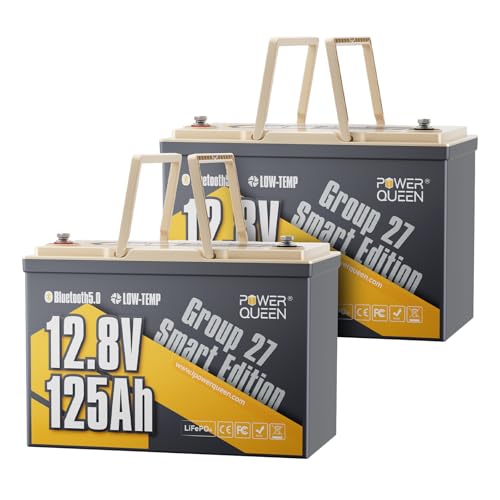
Power Queen 12V 125A Group 27 LiFePO4 Battery 3 Pack
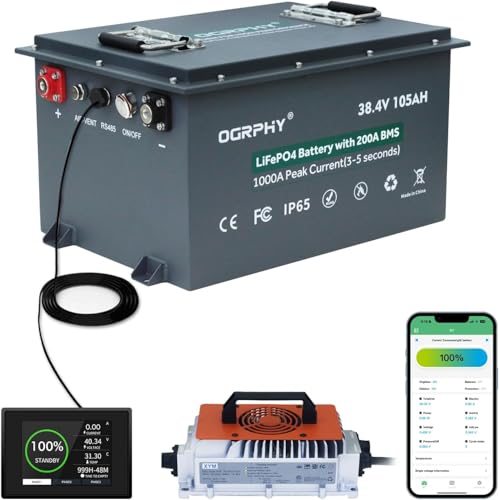
OGRPHY 36V 105Ah Lithium Battery with 25A Charger

OGRPHY 36V 102Ah Conversion Kit with 12V Interface

OGRPHY 36V 100Ah 3.84KWh Battery and Charger
WEIZE 12V 12Ah AGM Deep Cycle Battery 2 Pack

XZNY Compact 12V 310Ah Bluetooth LiFePO4 Battery

Tenergy 12V 2000mAh NiMH Battery Pack
What Each Pick Brings To The Table
Three Group 27 lithium iron phosphate batteries give a typical 12V solar van installation a substantial reserve without moving to a 36V architecture. The 125A rating and stated 1,600Wh maximum energy suit travelers running refrigerators, lighting, fans, and electronics over several cloudy days.
Bluetooth monitoring is the feature you’ll notice most during ownership. The app reports charge level, voltage, current, power, temperature, alerts, and protection status, which makes routine system checks easier from your phone. For most mobile builds, that visibility is worth more than another accessory-only feature.
A Strong Showing
- Three matching batteries simplify capacity planning for a 12V bank.
- Bluetooth 5.0 gives useful remote operating data.
- App control can disconnect output during storage or inspection.
- The listed 6,000-cycle target suits high-frequency charging routines.
Worth Bearing In Mind
- Charging pauses below 32°F, so cold-weather storage requires planning.
- Three Group 27 units can become a substantial addition to a van’s weight.
Key Product Details
Built With In Mind
This pack suits van travelers with a 12V converter and several high-draw appliances who value remote battery checks.
Where Another Pick Suits Better
XZNY Compact 12V 310Ah Bluetooth LiFePO4 Battery makes more sense for a single-battery layout with severe space constraints.
A 36V pack changes the electrical conversation: higher voltage can reduce cable weight across long cable runs, though your inverter, charger, and controls must support that range. This OGRPHY option targets golf carts, trolling motors, and demanding off-grid systems rather than a typical lightweight 12V van layout.
The 105Ah capacity sits close to the neighboring OGRPHY choices, but the supplied 25A charger makes this a more complete starting point. Depending on your load profile, the touch monitor and mobile app can simplify system checks without forcing you to open an electrical cabinet.
The Upside
- A 36V platform suits high-power inverters and motor controllers.
- The included charger reduces one separate purchase.
- A 200A battery management system handles substantial current.
- Phone monitoring helps you check operating conditions remotely.
Practical Considerations
- Your installed electronics must be compatible with a 36V supply.
- Owners commonly need to confirm connector polarity and controller settings during installation.
Feature Snapshot
Who It Suits Best
Experienced van converters needing a 36V system for sustained inverter, motor, or golf-cart loads fit this category.
Another Choice May Suit
Power Queen 12V 125A Group 27 LiFePO4 Battery 3 Pack offers a more familiar route for standard 12V solar installations.
The integrated 12V interface distinguishes this kit from the other 36V OGRPHY batteries in the shortlist. Lights, horns, and other 12V accessories can draw from the main pack without a separate voltage-reduction stage, which can simplify a mixed golf-cart or motor conversion.
That convenience also creates a small ownership habit: connected devices can continue drawing after you expect the vehicle to be off. The discharge switch in the monitor or app should be turned off after use, particularly during storage. For build simplicity, this kit carries a clear advantage over a bare high-voltage bank.
Points In Its Favor
- The 12V output reduces accessory-wiring complexity.
- You avoid adding a separate step-down converter.
- Touch monitoring keeps system status close at hand.
Small Caveats
- Always isolate 12V accessories before placing the battery in storage.
- The 36V architecture still requires compatible motors, controls, and converters.
- Its 102Ah rating sits just below the 105Ah OGRPHY alternative.
Made For
Mobile installers converting a 36V golf cart or motor setup benefit most from the built-in 12V accessory interface.
A Better Fit Elsewhere
OGRPHY 36V 100Ah 3.84KWh Battery and Charger better serves conventional 36V builds that do not need integrated 12V output.
This 3.84KWh pack targets builds that need more stored energy than a typical weekend setup can provide. Its stated capacity suits a 36V architecture, while the included 25A charger makes charging hardware part of the purchase. That combination is useful for a van carrying several high-draw appliances.
The 200A management system is also designed for substantial current, which matters when powering an inverter or motor. Compared with the 105Ah OGRPHY choice, the difference is small on paper, so your real decision may come down to controller compatibility, connector layout, and available installation space.
What Makes Sense
- The 3.84KWh capacity supports longer periods away from shore power.
- A bundled charger keeps the charging plan more cohesive.
- The high-current management rating suits demanding motor and inverter loads.
- One large pack can simplify a multi-battery layout where space permits.
Points To Note
- The single high-capacity unit may be difficult to reposition safely.
- 36V charging and power-conversion equipment must match the system.
Technical Highlights
The Right Fit
Power-heavy van conversions with 36V equipment and ample battery space benefit from the high stored-energy target.
Consider Something Else When
OGRPHY 36V 102Ah Conversion Kit with 12V Interface is more useful when your accessory wiring benefits from integrated 12V output.
AGM sealed lead-acid technology makes this pair approachable for smaller circuits, such as lighting, controls, or a modest backup bank. Absorbed glass mat separates the electrodes inside a valve-regulated case, reducing the routine watering associated with flooded lead-acid batteries. That simplicity can suit a straightforward weekend conversion.
Two 12Ah units provide 24Ah combined at 12V, yet that remains modest beside the lithium options here. You’ll need to compare case dimensions, terminal placement, and electrical ratings before replacing an existing battery. The broad replacement list is useful, but fit still depends on those physical details.
Standout Benefits
- Sealed construction avoids routine electrolyte watering.
- AGM cells suit deep-cycle or standby roles.
- The two-pack format offers some redundancy for low-demand circuits.
- F2 terminals are familiar on many compact installations.
Things To Weigh Up
- Lead-acid chemistry is heavier relative to comparable lithium storage.
- Capacity is limited for large inverters or extended cloudy periods.
- Confirm dimensions, terminal position, and charge requirements before installation.
Core Details
Who Will Love This
New van builders needing a simple sealed battery for smaller 12V circuits appreciate the straightforward setup.
Not Your Match When
Travelers powering an inverter or trolling motor benefit more from the higher energy density of Power Queen 12V 125A Group 27 LiFePO4 Battery 3 Pack.
A single 310Ah lithium iron phosphate battery gives a space-conscious van a large 12V storage option without the three-battery arrangement used by the Power Queen pack. The compact format may be especially appealing beneath a bed, behind a cabinet, or in a custom enclosure where every centimeter matters.
Bluetooth monitoring reports charge level, temperature, voltage, and operating status through an app, with the ability to rename the battery. That visibility is useful during a remote camping stop or while troubleshooting an unfamiliar drain. You should still confirm the listed case dimensions against your enclosure.
Good Reasons To Consider
- The compact case simplifies space-constrained installations.
- 310Ah capacity supports meaningful 12V storage in one unit.
- Bluetooth telemetry helps identify changing battery conditions.
Details To Watch
- Charging equipment must match lithium iron phosphate chemistry.
- Terminal clearance and ventilation needs deserve attention in a sealed interior.
- Weight remains a factor when positioning the battery.
Quick Facts
The Right Fit
Van travelers with tight battery compartments need high 12V capacity in a less sprawling enclosure.
Where A Sibling Pick Shines
Power Queen 12V 125A Group 27 LiFePO4 Battery 3 Pack better suits installations designed around three conventional Group 27 units.
This Tenergy pack belongs in a different category from the deep-cycle banks above. Its 2,000mAh NiMH format is aimed at portable 12V devices, LED kits, remote-control models, and small DIY projects, not an inverter charging overnight or powering household appliances.
Bare leads make polarity and connection details important, especially in a van where the pack may sit inside a project enclosure. The stated lack of memory effect is useful for repeated cycling, since partial charging is less likely to create the partial-capacity behavior associated with some older rechargeable chemistries.
Notable Upsides
- The 12V output suits compact hobby and DIY devices.
- NiMH chemistry avoids the memory effect associated with older rechargeable packs.
- Rechargeability supports repeated project use.
Trade Offs To Consider
- The 2,000mAh rating offers little capacity for van-life appliances.
- Bare leads require careful polarity checks and suitable connectors.
- It should not be mistaken for a deep-cycle solar-storage bank.
Whose Shelf It Belongs On
Hobby builders needing portable power for models, lighting kits, or small 12V projects benefit from this pack.
Swap It Out When
Full-time van travelers need the usable storage and appliance support offered by XZNY Compact 12V 310Ah Bluetooth LiFePO4 Battery.
Matching The Battery Bank To Your Van
Voltage And Converter Compatibility
A 12V battery bank pairs naturally with many portable solar controllers and smaller inverters, while a 36V system can reduce current across long cable runs. Your converter, inverter, motor controller, and charger must all share the same voltage range. A battery with ample capacity still cannot run mismatched equipment safely.
Capacity For Real Daily Loads
Amp-hour ratings describe storage, not instant power. A 310Ah 12V battery stores more charge than a 12Ah AGM unit, but your inverter’s surge demand and expected overnight consumption determine whether that reserve is enough. List your essential loads, then size for several cloudy days rather than a single sunny charge cycle.
Weight, Monitoring, And Installation
Lithium iron phosphate generally provides more capacity for less weight than lead-acid, but a large 36V pack remains heavy. Bluetooth monitoring helps identify charge state and temperature without a physical meter. You still need to check terminal clearance, enclosure ventilation, cable sizing, and secure mounting before traveling.
Choosing Between Capacity And Convenience
A bundled charger and integrated 12V interface can simplify installation, but neither replaces electrical planning. Compare peak inverter output, converter current, and motor requirements with each battery’s management system. For smaller projects, a sealed AGM pair may handle the load; for continuous appliances, lithium chemistry offers more usable capacity in less space.
Common Mistakes Worth Avoiding
Mistakes Worth Dodging
A common mistake is choosing capacity without checking converter and inverter voltage. Another is ignoring cold-weather charging limits or leaving low-draw accessories active during storage. Match cable and connector sizes, secure the battery against movement, and confirm polarity before closing the enclosure.
What Separates Premium From Basic
Higher-cost lithium banks typically add greater usable capacity, Bluetooth telemetry, higher-current management, or bundled charging hardware. Those additions help when your van carries inverter loads or you depend on remote battery checks. A small AGM pair remains sensible for lights and controls that need little stored energy.
