


Solar power storage has to do more than collect energy. You need a battery with the right voltage, usable capacity, communication options, and physical fit for your home, cabin, RV, or boat. The options below range from complete inverter-and-battery systems to compact 12V packs and a model-specific charging cable. That mix makes the list useful for both substantial off-grid projects and smaller setups where portability matters more than whole-home capacity.
A Side-By-Side Look

ECO-WORTHY Powermega 48V 314Ah LiFePO4 System with Liber 10KP Hybrid Inverter

ECO-WORTHY Powermega 48V 314Ah Battery
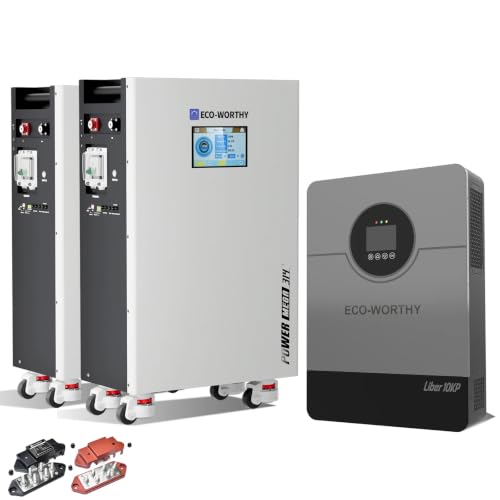
ECO-WORTHY Powermega 48V 314Ah 2-Pack System with Liber 10KP Hybrid Inverter
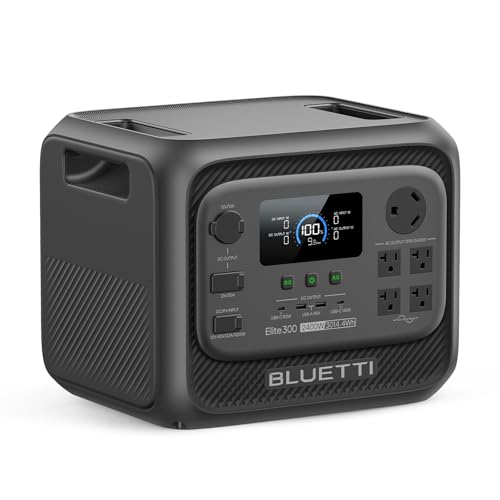
BLUETTI Elite 300 Portable Power Station

LiTime 3 Pack 12V 100Ah Group 24 LiFePO4 Battery

MJPOWER 65W Charger for Jackery 160/240/290
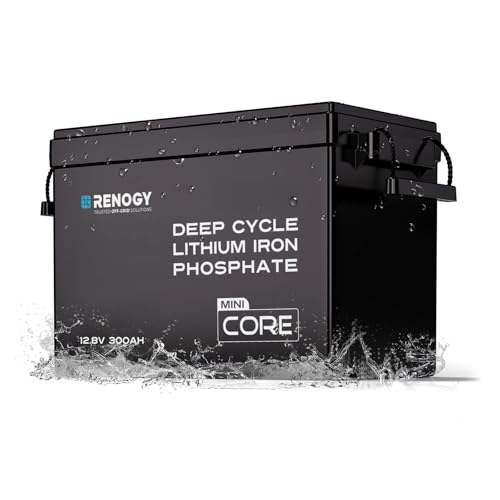
Renogy 12V 300Ah Mini LiFePO4 Deep Cycle Battery
A Closer Look At Each Pick
This integrated package pairs a 48V 314Ah lithium iron phosphate battery with a 10kW hybrid inverter, reducing the separate component matching involved in a DIY installation. The listed storage capacity reaches 16.1kWh, giving a substantial reserve for essential circuits, an off-grid cabin, or extended power interruptions.
Built-in Bluetooth and Wi-Fi support makes remote monitoring more convenient, while RS485, CAN, and RS232 communication expands the inverter compatibility question beyond one narrow connection standard. For a technically experienced homeowner, that flexibility carries more weight than a simpler plug-and-play design.
Where It Delivers
- The 10kW hybrid inverter and 314Ah battery arrive as one coordinated system.
- A 16.1kWh nominal capacity suits daily solar shifting and essential home loads.
- Three communication protocols support a broader range of inverter connections.
- Wireless monitoring reduces the need to approach the equipment during normal operation.
Practical Considerations
- Installation demands careful electrical planning and may call for a qualified technician.
- Its size and weight make it less practical for mobile use than the BLUETTI Elite 300.
Feature Snapshot
Made For
You benefit most with an off-grid property, whole-home backup plan, or solar array requiring a coordinated inverter-and-battery installation.
A Better Fit Elsewhere
The BLUETTI Elite 300 suits RV travel and apartment storage better because its portable format is easier to move.
The battery-only format makes this a logical upgrade for an existing 48V installation where the inverter is already in place. Its 314Ah rating corresponds to roughly 16.07kWh of nominal energy, enough to shift substantial solar production into evening use or support a remote property without adding another full power-conversion system.
Active cell balancing is useful because it helps keep cells within a more consistent operating range, while an aerosol fire-protection layer adds another layer of system protection. Owners should still treat it as a substantial installation rather than a portable power pack.
Positive Takeaways
- Large 16.07kWh capacity supports extended off-grid energy shifting.
- Active balancing helps maintain more consistent cell performance.
- Aerosol fire protection adds a defined safety function.
- Compatibility with earlier V1 units supports staged expansion.
Points To Keep In Mind
- You need a compatible 48V inverter and properly sized electrical equipment.
- Hazardous-material shipping rules can complicate returns.
- Installation and battery management require more care than a small 12V pack.
Built With In Mind
Experienced off-grid owners benefit most because the battery’s scale and expansion path suit permanent, carefully planned installations.
Consider Something Else When
The LiTime 12V 100Ah 3-Pack is easier to deploy across multiple low-voltage circuits in an RV or boat.
Two 314Ah batteries paired with the Liber 10KP inverter create the most substantial storage package in this roundup. The listed usable energy exceeds 30kWh, which offers a longer reserve for whole-home essentials, an off-grid residence, or a cabin where overnight demand can be substantial.
Compared with Item 1, the added battery capacity reduces dependence on solar generation during extended cloudy periods. The trade-off is a larger, heavier installation that needs more space, cable planning, and electrical capacity, so this package suits serious whole-home use more than temporary backup.
The Practical Payoff
- More than 30kWh of listed usable energy supports longer backup periods.
- One 10kW inverter coordinates the two-battery system.
- Bluetooth and Wi-Fi support convenient status monitoring.
- The two-battery format reduces reliance on immediate solar recovery.
- Active balancing helps maintain cell consistency.
Room For Improvement
- You give up portability as capacity and weight increase.
- Large installations may require added cable-management equipment.
- Electrical service and site preparation deserve professional scrutiny.
Key Product Details
The Right Fit
Large homes, cabins, and technically experienced solar users gain the most from this higher-capacity configuration.
Another Choice May Suit
ECO-WORTHY Powermega 48V 314Ah LiFePO4 System with Liber 10KP Hybrid Inverter is more manageable for a smaller essential-load installation.
Packing 3,014.4Wh into a deliberately compact enclosure, the Elite 300 fills the gap between small camping packs and permanently installed home systems. That balance works well for RV travel, tailgating, a garage workbench, or keeping refrigeration and communications running during a modest outage.
Its portable form is the central advantage over the 48V ECO-WORTHY systems. You can move it when needed, although its weight remains substantial compared with a conventional power bank, and longer outages will still require conservative load management.
What Helps Most
- The 3,014.4Wh capacity covers many portable electronics and essential appliances.
- Compact dimensions simplify RV storage and home staging.
- An integrated power station reduces the need for separate inverter hardware.
- The listed coverage includes portable-product damage and surge scenarios, subject to plan terms.
Trade Offs
- Its 3kWh class holds less reserve than a 16.1kWh or 30kWh home system.
- Moving the unit between vehicles or rooms still takes planning because it is not lightweight.
Quick Facts
Who It Suits Best
RV travelers, apartment residents, and occasional backup users benefit from a power station that stores and stores power in one movable unit.
Where Another Pick Shines
Renogy 12V 300Ah Mini LiFePO4 Deep Cycle Battery fits permanent low-voltage installations where portability is unnecessary.
Three 12V 100Ah lithium iron phosphate batteries provide 3.84kWh of nominal combined energy, making the pack more practical for an RV, boat, or small solar installation than the large 48V systems. Group 24 dimensions help it fit common battery compartments and replace compatible lead-acid arrangements more directly.
Marine use makes physical fit and dependable low-voltage storage especially important, although wiring, mounting, and charger compatibility still demand attention. Owners commonly need to secure each battery against movement and confirm that cables and charge controllers suit the installation.
Useful Highlights
- Three batteries offer flexible placement across separate low-voltage circuits.
- The Group 24 format supports common RV and marine replacement layouts.
- Each 12V 100Ah battery contributes 1.28kWh of nominal energy.
- Lithium iron phosphate chemistry suits deep-cycle applications.
Details To Watch
- Multiple batteries require correct series or parallel wiring, with an appropriate protection plan.
- The listed cycle figure depends on operating conditions and should not be treated as a fixed outcome.
- Multiple packages may arrive separately because of shipping constraints.
Technical Highlights
Made For
Boat owners, RVers, and solar users with standard Group 24 compartments receive the most practical fit.
Not Your Match When
ECO-WORTHY Powermega 48V 314Ah Battery serves an installer who needs a single high-voltage residential storage unit instead.
This is not a storage battery, but it solves a narrower problem: replacing a lost or damaged wall adapter for several Jackery Explorer and Honda portable power station models. The 65W output and 10-foot total cable length provide more reach around a campsite, workbench, or cabin wall outlet.
Compatibility is the decisive factor, not wattage alone. You must match the power station model and connector before ordering, because larger Explorer 1000, 1500, and 2000 PRO models are explicitly excluded from the listed fit.
Everyday Advantages
- The extended 10-foot cable improves outlet reach.
- A 65W AC output matches several lower-capacity portable power stations.
- Broad AC input supports use across regions with 100-240V service.
Things That May Matter
- It cannot serve as a solar storage battery or charge larger power station models.
- Model-number verification is essential before installation.
Who Should Grab It
You benefit most as a Jackery Explorer 160, 240, or 290 owner who needs a replacement adapter with extra cable reach.
Another Choice May Suit
BLUETTI Elite 300 Portable Power Station is the relevant choice when your priority is actual stored energy rather than a replacement charging cable.
The Renogy combines a 12V 300Ah rating with a compact deep-cycle lithium iron phosphate format, bringing 3.6kWh of nominal energy into a single enclosure. Its stated dimensions are 15.12 by 7.64 by 9.96 inches, which helps in installations where a full-size battery would consume valuable compartment space.
A 200A battery management system provides the central electrical management, including the listed low-temperature cutoff. That feature matters for off-grid locations, but you still need to match charging equipment and observe the battery’s operating-temperature requirements.
The Upside
- A 300Ah rating provides high 12V capacity in one unit.
- The compact enclosure improves space utilization.
- Low-temperature cutoff supports more controlled operation in cold conditions.
- The 200A BMS centralizes battery protection and monitoring.
Potential Drawbacks
- The listed weight of 55.1 pounds requires careful handling during installation.
- Shipping restrictions make returns less flexible.
- A single 12V battery still needs an appropriate inverter and charger.
Essential Details
Right Fit For
You benefit most in a compact solar cabinet, cabin, boat, or off-grid equipment room that needs substantial 12V capacity without a 48V system.
Look Elsewhere When
LiTime 3 Pack 12V 100Ah Group 24 LiFePO4 Battery fits setups where separate low-voltage modules are easier to distribute.
Matching Storage Capacity to Your Energy Plan
Choosing batteries for solar power storage starts with your load profile, the energy your panels produce, and the amount of outage coverage you actually need. A large battery cannot replace sound electrical design, so begin with a realistic list of essential appliances and the hours you expect them to run.
Capacity and voltage
A battery rated in amp-hours stores charge at its nominal voltage, while watt-hours express total energy more directly. For example, a 12V 300Ah battery provides 3.6kWh nominally, while two 48V 314Ah batteries provide roughly 30.1kWh before system losses. Higher voltage can reduce conductor requirements at a given power level, but it also demands compatible inverter and charge-controller equipment.
Physical fit and portability
Measure the compartment before ordering, including cable clearance and ventilation space. Group 24 batteries suit many RV and marine layouts, compact 3kWh stations work well for portable use, and large 48V systems need a protected floor area. In a small cabin, footprint can matter more than headline capacity.
Communication and installation
RS485, CAN, RS232, Wi-Fi, and Bluetooth are different communication paths, not interchangeable features. Confirm that your inverter supports the protocol used by the battery, and verify the inverter’s charge settings before connecting a new storage system. A qualified electrician remains sensible for high-voltage or whole-home installations.
Small Errors With Big Consequences
Wrong Turns To Avoid
Do not select a battery from capacity alone. Confirm nominal voltage, inverter compatibility, charge-controller limits, physical dimensions, and temperature requirements before ordering. A long cable or incorrect connector can also make a suitable battery unusable, especially in RV and marine installations.
What The Upgrade Payoff Buys
Higher-cost configurations usually add usable capacity, integrated power conversion, communication, or a more compact enclosure. Those features help when outages last longer, loads exceed a small inverter’s limits, or equipment space is limited. A basic 12V battery can still make sense for a small, well-matched system, but it does not replace higher capacity or built-in inverter functionality.
