


Solar landscape lights fail for reasons that aren’t always obvious: the wrong battery size, a chemistry the fixture doesn’t support, or simply too little stored energy to bridge several cloudy days. You’ll find dependable replacements for standard AA and AAA fixtures, compact cells for specialty housings, and one high-capacity option built for a different power category. Match voltage, dimensions, and charging behavior before replacing anything.
The Picks In Brief

Redodo 12V 100Ah LiFePO4 Group 31 Battery

Tenergy Solla Rechargeable NiMH AA 1000mAh, 12 Pack

Tenergy Solla Rechargeable NiMH AAA 600mAh, 12 Pack

Tenergy Solla Premium NiMH AA 1300mAh, 12 Pack

Zsolarigt Rechargeable NiMH AA 500mAh, 10 Pack
HyperPS 14430 LiFePO4 400mAh Battery, 16 Pack
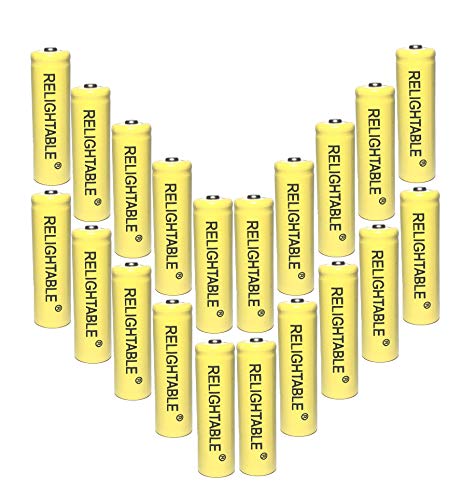
RELIGHTABLE AA NiCd 600mAh Battery, 20 Pack
More On The Choices That Made The List
Redodo’s Group 31 battery belongs to an entirely different class from the AA cells used in garden stakes. Its 12-volt, 100Ah lithium iron phosphate format serves large off-grid storage or RV electrical systems, not the tiny compartment inside a decorative landscape fixture.
Deep-cycle chemistry means the battery is designed to discharge repeatedly rather than deliver short bursts like an automotive starting battery. That makes it relevant to a cabin, boat, or stationary solar setup, though none of those uses resemble a pathway light’s charging cycle.
Everyday Wins
- The 100Ah capacity provides substantial storage for sizable accessory loads.
- Lithium iron phosphate chemistry supports deep discharge use.
- The Group 31 format suits familiar marine and RV layouts.
Practical Considerations
- It is far too large for most solar landscape-light housings.
- Its electrical system must accept 12 volts and support lithium iron phosphate charging.
- Installation requires ventilation, secure mounting, and correct terminal polarity.
Built With In Mind
This battery fits homeowners building substantial RV, marine, or off-grid storage systems rather than replacing small path-light cells.
A Better Fit Elsewhere
For ordinary AA garden fixtures, Tenergy Solla Rechargeable NiMH AA 1000mAh, 12 Pack is the far more practical choice.
Standard AA fixtures rarely need more capacity than this balanced 1000mAh cell. Nickel metal hydride, or NiMH, chemistry handles repeated charging and provides more usable energy than a typical disposable AA cell, making this a sensible replacement for pathway markers and familiar solar garden lights.
Compared with the 500mAh Zsolarigt set later in the list, these cells offer more headroom for long nights and reduced sunlight. In most suburban gardens, that extra capacity can matter without making the fixture difficult to service.
Positive Takeaways
- The 1000mAh rating supports longer illumination than lower-capacity alternatives.
- The 12-cell pack can cover several fixtures or provide spare replacements.
- Rechargeable NiMH cells suit fixtures designed for recurring solar charging.
- The anti-leak design is intended for enclosed outdoor compartments.
Minor Gripes
- They won’t fit fixtures designed for AAA cells.
- Runtime still depends on panel size, weather, and the light’s power draw.
The Right Fit
You’ll appreciate this set for standard AA solar fixtures that run through long evenings or receive only moderate sunlight.
Another Choice May Suit
Tenergy Solla Premium NiMH AA 1300mAh, 12 Pack offers greater capacity for especially dark locations.
AAA fixtures leave little room for experimentation, so the Tenergy Solla AAA 600mAh pack addresses a distinct need rather than duplicating the AA choices. Its smaller cell can serve compact patio lamps, decorative stakes, and pathway lights built around that format.
The 600mAh rating sits below the AA options but delivers a useful balance for low-draw fixtures. You may notice shorter runtimes under heavy use, especially during cloudy stretches, yet the 12-cell quantity makes seasonal replacement straightforward.
What Stands Out
- The AAA format fits smaller fixtures that cannot hold AA cells.
- The 600mAh capacity provides useful energy for low-draw lights.
- Anti-leak construction suits enclosed outdoor battery compartments.
- Twelve cells simplify replacing a complete matched set.
Points To Note
- Size is stricter than with AA cells, so measure before ordering.
- Compatibility with every solar fixture cannot be assumed from shape alone.
- Owners should follow the fixture maker’s cleaning and battery-change guidance.
Feature Snapshot
Who Will Love This
This set suits households replacing AAA cells in compact patio lights, decorative stakes, or smaller pathway fixtures.
Reach For A Different Pick
Tenergy Solla Rechargeable NiMH AA 1000mAh, 12 Pack is the better fit for larger AA housings and longer operating periods.
Capacity is the defining reason to consider this 1300mAh AA set over the 1000mah Solla model. More charge per cell can extend operating time in fixtures with brighter LEDs, larger panels, or expectations of long winter nights.
That extra capacity doesn’t create energy, and shaded fixtures may still struggle to recharge properly. Even so, for a path bordering an open lawn, the higher rating offers more usable reserve than the standard Solla option.
Notable Gains
- The 1300mAh rating gives each AA cell substantial energy storage.
- Greater capacity supports brighter fixtures and longer nighttime use.
- The cells arrive precharged for a more convenient initial setup.
- A twelve-cell pack allows matched replacements across several lights.
- Outdoor-oriented construction addresses recurring solar-light use.
Trade-Offs
- Premium capacity offers little value beneath undersized solar panels.
- Some older fixtures may specify another rechargeable chemistry.
- Matched replacement cells add weight inside larger housings.
Made For
These cells suit standard AA lights exposed to long evenings, open sunlight, or brighter LED demands.
Where A Sibling Pick Shines
Zsolarigt NiMH AA 500mAh, 10 Pack makes more sense for low-power fixtures and straightforward battery changes.
The Zsolarigt pack focuses on a straightforward replacement for common 1.2-volt AA solar cells. Its 500mAh rating suits modest fixtures that illuminate small areas or cycle relatively briefly, offering a more practical energy level than a low-capacity disposable substitute.
Unlike the 1300mAh premium cells, this set may dim sooner during cloudy periods or under brighter loads. For a shaded marker light, that trade-off may not matter much, especially when several fixtures need fresh batteries together.
Strengths Worth Knowing
- The 500mAh rating works well for lower-draw pathway fixtures.
- Ten cells provide useful coverage for a clustered garden set.
- The standard 1.2-volt AA format supports broad fixture compatibility.
Some Limits To Know
- Runtime may be limited in bright or extended-night applications.
- The cells arrive only partially charged, so a full charge is needed after delivery.
- Terminal polarity and rechargeable-battery instructions should be checked.
- Older NiMH fixtures can develop residue during extended use.
Quick Facts
Right Fit For
This set works for common AA stakes with modest output, especially households replacing several low-draw fixtures at once.
Consider Something Else When
Tenergy Solla Premium NiMH AA 1300mAh, 12 Pack better serves bright lights requiring longer runtime.
This 14430 cell is much smaller than an AA battery and serves specialty devices that accept the 4/5AA format. That makes it relevant to compatible solar panel lights, but the difference is too substantial for ordinary stake-light compartments.
Lithium iron phosphate chemistry operates at a 3.2-volt nominal level, so voltage compatibility matters as much as size. For a small appliance designed around this cell, the 400mAh capacity and 16-unit quantity can provide a practical replacement supply.
Noteworthy Benefits
- The compact 14430 size reaches devices AA cells cannot enter.
- The 400mAh capacity suits compatible low-draw electronics.
- Sixteen cells cover several specialty-device replacements.
- The chemistry supports rechargeable applications.
Potential Drawbacks
- It is shorter than a standard AA cell and won’t fit AA compartments.
- The 3.2-volt chemistry requires compatible charging circuitry.
- Incorrect insertion or charging can damage a sensitive device.
Technical Sheet
Who Should Grab It
This pack suits owners replacing a device specifically designed for 14430 lithium iron phosphate cells.
Look Elsewhere When
Tenergy Solla Rechargeable NiMH AA 1000mAh, 12 Pack fits standard AA solar-light housings instead.
Nickel-cadmium chemistry makes this pack relevant mainly to older garden fixtures designed around rechargeable NiCd AA cells. Its 20-cell quantity is useful for restoring a large installation, provided each light’s polarity and charging circuit match.
Compared with modern NiMH alternatives, NiCd carries heavier environmental and disposal considerations. Its 600mAh capacity may serve legacy lights adequately, but newer fixtures often specify NiMH chemistry and shouldn’t be adapted without checking the manual.
What Pays Off
- Twenty cells suit older installations with many compatible fixtures.
- The 600mAh rating supports common legacy AA solar lights.
- The broad pack quantity reduces the need for repeated sets.
Factors To Consider
- Modern fixtures may require NiMH rather than NiCd chemistry.
- Mixed polarity can limit charging in older multi-cell compartments.
- NiCd batteries require responsible recycling at end of service.
- Storage and charging locations need adequate ventilation.
Who It Suits Best
This pack suits owners restoring older solar lights explicitly designed for rechargeable NiCd AA cells.
Skip It When
RELIGHTABLE AA NiCd 600mAh Battery, 20 Pack is unsuitable for newer NiMH-only fixtures despite sharing the AA label.
What To Check Before Buying A Replacement Cell
Start with the compartment rather than the fixture label. AA and AAA cells can look interchangeable in a hardware drawer, yet their diameters and lengths determine whether the battery will make contact. Measure the old cell and check polarity markings before ordering, especially with mixed sets.
Voltage comes next. Most AA and AAA solar lights use nominal 1.2-volt rechargeable cells, while the HyperPS option operates at 3.2 volts. Charging electronics, chemistry, and polarity must all match the original design; physical fit alone doesn’t establish compatibility.
Capacity represents stored energy, so a higher milliamp-hour rating can improve runtime under compatible conditions. It doesn’t rescue a weak solar panel, however, and brighter fixtures may consume added capacity quickly. Capacity becomes most useful when paired with adequate panel area and a housing that accepts the larger cell.
Chemistry determines charging behavior and maintenance. NiMH generally suits modern solar fixtures, NiCd belongs mainly with compatible legacy equipment, and lithium iron phosphate requires a different voltage system. Follow the fixture instructions and recycle cells according to local requirements.
Battery Mistakes That Ruin Solar-Light Replacements
Pitfalls Shoppers Hit
Buying by diameter alone can produce a loose or overly compressed fit. Remove one battery and compare its length, diameter, and polarity with the replacement, including specialized 14430 cells that resemble AA batteries without matching them.
Another common error is assuming any rechargeable AA cell will work. Charging voltage, chemistry, cell length, and the number of cells in series must agree with the fixture design.
What The Upgrade Pays For
Higher-capacity NiMH cells mainly benefit brighter fixtures, long winter evenings, and locations receiving better sunlight. A higher rating offers limited value when the panel is undersized or shaded, so panel condition matters as much as battery capacity.
Frequently Asked Questions
Can AA and AAA solar-light batteries be swapped?
No. AA and AAA differ in length and diameter, so each should fit only its intended compartment.
Are higher-capacity solar batteries always better?
Not necessarily. Capacity helps compatible fixtures run longer, but the panel still needs to recharge them adequately.
Can rechargeable AA batteries replace disposable cells?
Only in fixtures designed for rechargeable cells, with matching voltage, chemistry, polarity, and charging behavior.
Does the HyperPS 14430 battery fit an AA compartment?
No. Its 43mm length makes it shorter than an AA cell, so it requires a specifically compatible 14430 device.
When should older NiCd batteries be replaced?
Replace them when leakage, swelling, corrosion, or charging problems appear, and recycle used NiCd cells through an appropriate local program.
