


Solar backup works best when it matches your household’s real energy demands, not simply the largest battery available. You may need to keep a computer, router, refrigerator, or camping setup running through an outage, and each load changes the required capacity, output, and recharge time. These picks range from compact UPS units for electronics to solar-ready power stations for outdoor use and extended outages.
An Overview Of The Picks

Anker SOLIX C1000 Portable Power Station 1,056Wh

Anker SOLIX C1000 Gen 2 Power Station 1,024Wh

BLUETTI Solar Generator Elite 300 3014.4Wh

BLUETTI Elite 100 V2 Power Station 1024Wh
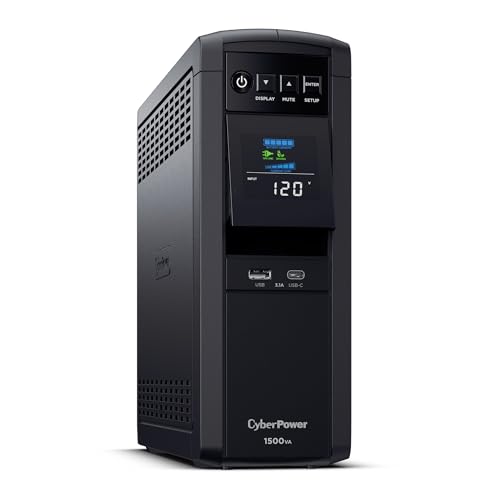
CyberPower CP1500PFCLCD Sinewave UPS

Anker SOLIX C1000 with 400W Bifacial Panel

BLUETTI Elite 100 V2 Solar Generator 1024Wh
Meet The Standout Selections
The C1000 combines a 1,056Wh lithium battery with an alternator charger, giving you more replenishment options than a basic portable station. It reaches 80% charge in 43 minutes through its supported fast-charge arrangement, a useful feature during short outage-preparation windows.
Compared with Anker SOLIX C1000 Gen 2, this model favors charging flexibility through a vehicle accessory socket rather than higher rated output. For campers carrying the station in a vehicle, that trade-off can matter more than the extra wattage offered by the newer model.
Strong Points
- The 1,056Wh capacity supports phones, laptops, lights, routers, and selected household appliances.
- Alternator charging reduces dependence on wall outlets during road trips.
- Fast charging restores 80% capacity in 43 minutes under supported conditions.
- Up to 600W solar input supports replenishment from compatible solar setups.
Practical Considerations
- The station and alternator charger may arrive in separate shipments.
- Owners should keep charging ports covered against dust and moisture during outdoor storage.
Quick Facts
Made For
You benefit most from this model through regular vehicle travel combined with camping, tailgating, and moderate household outages.
Where Another Pick Suits Better
Anker SOLIX C1000 Gen 2 offers a better fit for households that prioritize 2,000W output and multiple connected devices.
Rated output of 2,000W gives this compact station more headroom for demanding essentials than the original C1000. Its 1,024Wh lithium iron phosphate battery uses a chemistry known for thermal stability and long cycle life, making it appealing for frequent outage use.
Ten ports reduce the need for extra adapters, while the 49-minute full-charge time helps restore readiness quickly. Compared with BLUETTI Elite 100 V2, Anker supplies more rated output, though BLUETTI offers a similar capacity with an 11-port layout.
A Favorable Mix
- The 2,000W continuous rating supports more demanding appliances and tool loads.
- A 3,000W peak rating provides brief headroom for compatible surge-prone equipment.
- Ten ports simplify phone, laptop, lighting, and networking setups.
- Lithium iron phosphate chemistry favors repeated charging cycles.
- UPS support suits short automatic transfers during outages.
Trade Offs To Consider
- The battery is smaller than the 3,014.4Wh BLUETTI Elite 300.
- No panel appears in the supplied configuration, so solar equipment requires separate planning.
Feature Facts
Built With In Mind
Busy households and campers benefit from its mix of strong output, portable capacity, and ten-device flexibility.
A Better Fit Elsewhere
BLUETTI Solar Generator Elite 300 better serves households that need roughly three times the storage capacity.
The Elite 300 changes the scale of this list with 3,014.4Wh of storage and an included 350W solar panel. That capacity is meaningful for repeated refrigerator cycling, power tools, communication gear, and other mixed loads that quickly drain a 1kWh station.
Solar replenishment takes approximately 8 to 17 hours, depending on the conditions encountered. For most families, the larger battery outweighs the added carrying burden, while apartment dwellers may favor the more compact Anker SOLIX C1000 Gen 2.
What Helps Most
- The 3,014.4Wh capacity supports extended use across several household categories.
- A 350W bifacial-style solar bundle supplies a more complete starting package.
- Multiple solar-facing surfaces can capture reflected light where placement permits.
- The compact 3kWh design reduces the storage footprint associated with large stations.
Worth Noting
- Its greater size and weight make it less convenient for one-person backpacking.
- Real solar recharge time changes with sunlight, panel angle, temperature, and cable losses.
- The included panel can replenish only a portion of this battery in a typical daylight window.
The Right Fit
You gain the most from this system during multi-day outages, frequent blackouts, or sustained off-grid use.
Reach For A Different Pick
BLUETTI Elite 100 V2 with 200W Solar Panel is easier to carry for campers who need only essential power.
The Elite 100 V2 fits neatly between a small UPS and a large solar system. Its 1,024Wh capacity matches the Anker SOLIX C1000 Gen 2, but its 1,800W rated output and 11 ports suit people who want broad device compatibility in a portable enclosure.
You can add solar charging without taking on the Elite 300’s larger footprint. Depending on your panels and placement, this may be the more practical balance for a garage, guest room, or campsite with several devices.
Everyday Perks
- Eleven ports let you charge phones, computers, cameras, and lighting simultaneously.
- 1,800W rated output covers a wider range of everyday appliances.
- Power Lifting assistance helps start compatible higher-draw devices.
- The 1,024Wh capacity remains manageable for regular camping use.
Possible Compromises
- The power station does not include a solar panel.
- Running several high-draw appliances together can empty it faster than phones and laptops.
- Owners should store the unit dry and avoid leaving it in a hot vehicle.
Key Product Details
Who Will Love This
Campers, remote workers, and households seeking many ports without carrying a 3kWh station will find this especially useful.
Another Choice May Suit
Anker SOLIX C1000 Gen 2 fits households that need a higher 2,000W continuous-output rating.
The CyberPower takes a narrower approach: protect and sustain electronics instead of powering an entire household. A UPS, or uninterruptible power supply, switches connected equipment to its internal battery during an outage, helping computers shut down or continue operating without immediate interruption.
Sine-wave output suits active power factor correction equipment, where compatibility matters more than portability. Unlike the portable stations, this unit normally stays beside your desk and depends on a wall outlet for ongoing recharge.
Bright Spots
- Sine-wave output provides clean transitions for compatible electronics.
- The color LCD presents operating information without navigating a blind panel.
- Line-interactive operation protects computers, network devices, and home entertainment components.
Less Ideal Details
- Its stationary format makes it unsuitable for camping or mobile use.
- Solar recharging is outside this product’s intended function.
- Replacing or maintaining the internal battery eventually becomes necessary, depending on use and condition.
At A Glance
Made For
This desk-side unit best serves people who need their computer and network equipment to remain powered during brief outages.
Look Elsewhere When
Anker SOLIX C1000 with 400W Bifacial Solar Panel better suits portable and solar-recharged use.
This C1000 bundle pairs the portable station with a 400W bifacial panel, making it a straightforward starting point for backyard outages and campsite power. A bifacial panel collects sunlight from both faces and can benefit from reflected light below it.
Fast wall charging reaches 80% capacity in 43 minutes, while the station accepts up to 600W of solar input. Unlike Item 1’s configuration, this set prioritizes solar recovery; you lose the separate alternator-charger option.
Practical Pluses
- The included 400W panel removes the need to select solar equipment separately.
- Up to 600W station solar input leaves room for compatible panel expansion.
- Fast AC charging prepares the station before a storm or trip.
- The station supports camping, remote work, and moderate emergency loads.
Details To Watch
- The station and panel may arrive separately, so track both shipments.
- A rooftop panel needs secure mounting and protection from wind and falling debris.
- Short winter days and heavy cloud cover increase recharge time.
For Outdoor Setups
You’ll gain the most from this bundle with a sunny patio, yard, shed, or campsite that allows proper panel placement.
Swap It Out When
BLUETTI Elite 300 offers a better fit for homes needing substantially longer runtime between solar sessions.
The Elite 100 V2 Solar Generator combines a 1,024Wh station with a 200W panel, offering a simpler path into renewable charging. Its solar recharge reaches 80% in about four hours and a full charge in roughly seven under supported conditions.
The same 1,800W station provides ample power for many daily essentials, including computers, lights, networking equipment, and selected appliances. Compared with Anker SOLIX C1000 with 400W Bifacial Panel, the BLUETTI panel is smaller, but the package is still easier for many beginners to manage.
What Stands Out
- The station and 200W panel arrive as a coordinated solar charging set.
- Four-hour solar charging to 80% supports practical daytime replenishment.
- 1,800W rated output handles many household and camping essentials.
- The 1,024Wh battery maintains a manageable balance of runtime and portability.
- Compact capacity suits RV travel, tailgating, and remote workspaces.
Small Caveats
- One 200W panel replenishes the battery more slowly than larger solar arrays.
- The station lacks the higher rated output of Anker SOLIX C1000 Gen 2.
- Dust and moisture can affect exposed connectors during long outdoor storage.
Best Suited To
First-time solar users and weekend campers benefit from the combined station and panel design.
Consider Something Else
Anker SOLIX C1000 with 400W Bifacial Panel better serves sunny sites needing faster solar replenishment.
Choosing The Right Solar Backup Capacity
Capacity determines how long a station can sustain your equipment, while rated output determines which devices it can start and run. Watt-hours describe stored energy; watts describe power delivery. Your needs depend on both numbers, plus recharge speed and whether solar equipment is included.
List Your Critical Loads
Start with the equipment that must remain online during a typical disruption. A router, laptop, phone, and lighting may fit comfortably within a 1kWh station, while refrigeration, tools, or electric heat create much heavier loads. Add each device’s power draw and estimate how long it must operate.
Match Output To Startup Demand
A station can hold sufficient energy yet lack enough output to start a refrigerator or power tool. The 2,000W Anker SOLIX C1000 Gen 2 offers greater continuous-output headroom than 1,800W models, while peak power provides only brief startup margin. You should also check appliance instructions for required startup behavior.
Solar Panel Placement Changes Results
A panel’s rated wattage does not determine a fixed recharge time by itself. Sunlight direction, temperature, shade, dust, cable loss, and panel angle all affect delivery. Rooftop or open-yard placement usually produces more consistent results than a panel shaded by trees or buildings.
Think About Storage And Maintenance
Portable stations need periodic charging and dry, temperature-conscious storage. Keep ports covered in dusty conditions, inspect panel connections before storms, and remove batteries from vehicles during prolonged hot weather. A small UPS stays stationary, so your maintenance focus shifts to its internal battery and connected equipment.
Avoid Mistakes Before An Outage
Mistakes Worth Dodging
Choosing by capacity alone can leave you short on output, while buying many panels can still disappoint in cloudy weather. Avoid installing a setup until you have calculated runtime, startup demand, and realistic solar conditions. For desktop-only protection, a conventional UPS may be simpler than a portable solar station.
What The Extra Capacity Buys
A 3,014.4Wh battery stores roughly three times the energy of a 1,024Wh model, extending runtime for sustained loads. That upgrade makes sense for multi-day outages and mixed appliance use, but it adds weight, storage needs, and a higher purchase cost. A 1,024Wh unit remains more practical for occasional, short-duration support.
Frequently Asked Questions
How much capacity is needed for a home outage?
Choose capacity by estimating the combined wattage of essential devices and the hours they need to operate. A 1,024Wh station works for lighter electronics, while 3,014.4Wh offers longer support for mixed household loads.
Can any portable power station use solar panels?
Check the station’s maximum solar input and connector requirements before adding panels. Higher solar-input limits allow compatible panels to replenish energy more quickly, especially during strong daylight.
How long does solar charging take?
Recharge time varies with panel size, weather, placement, and battery condition. The BLUETTI Elite 100 V2 reaches 80% in about four hours under supported solar conditions, while larger systems can take much longer.
Is a UPS better than a portable power station?
A UPS is better for short, stationary protection of computers and networking equipment. A portable power station is more versatile for camping, tools, lighting, and broader household loads.
Do solar backup systems work at night?
Stored battery power works at night, but the system cannot generate solar energy then. Capacity, device demand, and prior sunlight determine how long it can continue operating.
Final Verdict
Anker SOLIX C1000 Gen 2 suits most people seeking strong output in a portable package, while BLUETTI Elite 300 makes more sense for extended outages. Choose a CyberPower CP1500PFCLCD solely for focused electronics protection, or select a bundled station and panel for the simplest solar setup. Match the system to your essential loads and local sunlight, then give it a proper place in your preparation plan.
