


Choosing batteries for Shure microphones goes beyond picking any disposable AA or 9V cell. Wireless bodypacks, handheld transmitters, and in-ear monitor systems use distinct power systems, so the wrong battery can mean lost runtime or an incompatible connection. This guide matches batteries, rechargeable packs, charging accessories, and a battery cover to the Shure equipment you actually own.
The Leading Options At A Glance

Shure BLX1 Bodypack Transmitter J11 Band

Tenergy 6LR61 9V Alkaline Battery, 24 Pack
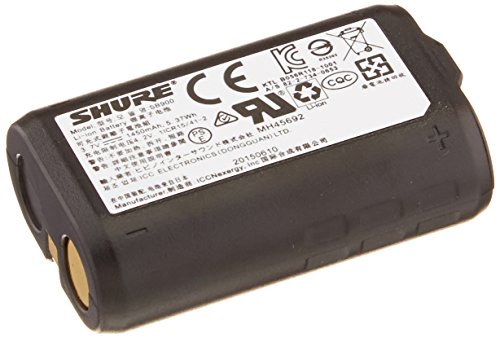
Shure SB900 Lithium-Ion Rechargeable Battery

Shure SBC10-903-US Single Battery Charger

WALLER PAA 4-Pack Mic Battery Cover

JBL PartyBox Wireless Mic Two-Microphone Set

BATWAYPRO Ryobi 18V 8000mAh Battery 2-Pack
A Closer Look At Each Pick
The BLX1 is a complete bodypack transmitter rather than a loose battery, which makes it useful when your existing BLX receiver lacks a working replacement pack. It runs on two AA batteries and provides up to 14 hours of operation, a practical reserve for presenters, musicians, and stage crews.
Its J11 band must match the frequency band printed on your receiver, so model names alone aren’t enough. Compared with the Tenergy 9V option, this is a purpose-built Shure component, though it costs more in terms of what you must replace and verify.
Where It Excels
- Supplies a complete wireless transmitter for a compatible BLX system.
- Two AA cells provide up to 14 hours of stated operation.
- UHF transmission reaches up to 300 feet in clear line-of-sight conditions.
- The belt clip supports secure wear during active presentations.
Things To Consider
- The J11 596–620 MHz band must match your exact receiver.
- Wall obstructions, crowded frequencies, and equipment placement can affect real-world range.
Quick Facts
Who It Suits Best
This bodypack suits presenters and performers who already own a compatible Shure BLX4, BLX4R, or BLX88 receiver.
Where Another Pick Suits Better
Rechargeable rigs benefit more from the Shure SB900, while older PGX and SLX users may need the WALLER PAA battery cover instead.
Twenty-four 9V alkaline batteries give you a useful reserve for devices that use the rectangular 6LR61 format. That makes the pack practical for a home studio, rehearsal room, or event kit where battery changes can interrupt setup.
The honest catch is microphone compatibility: most modern Shure wireless transmitters use AA cells or proprietary rechargeable packs, not 9V batteries. This choice works only for equipment whose battery compartment expressly accepts a 9V cell.
Real-World Strengths
- The 24-count pack reduces frequent supply runs.
- Alkaline chemistry suits devices designed for disposable 9V power.
- Date coding helps organize newer cells for long-term storage.
- The stated operating range spans -4°F to 129°F.
Worth Noting
- It is non-rechargeable, so spent cells require regular replacement.
- Confirm the battery door accepts 9V power before stocking up.
Technical Sheet
Made For
This pack fits musicians and technicians whose compatible audio devices, pickups, or detectors specifically require 9V alkaline cells.
Another Choice May Suit
BLX bodypack users need the Shure BLX1 transmitter’s two-AA system, not this 9V pack.
The SB900 turns compatible Shure equipment into a rechargeable setup, removing the recurring replacement cycle associated with disposable cells. Lithium-ion chemistry makes it a practical fit for mobile monitoring, touring work, and venues that need dependable runtime.
Compatibility is narrower than the broad Shure name suggests. It works with PSM900, PSM1000, UR5 Portable Diversity Receiver, and ULX-D systems, so inspect your model number before treating it as a universal Shure battery.
Positive Takeaways
- Rechargeable construction supports repeated event use.
- Compatibility spans several professional wireless product families.
- A matched battery preserves the intended system design.
Small Caveats
- It won’t fit BLX, SLX-D, PGX, or PartyBox equipment.
- You also need compatible Shure charging equipment to keep it ready.
Right Fit For
You gain the most from this battery as the owner of a supported PSM, UR5, or ULX-D system that runs regular shows.
Look Elsewhere When
Your SLX-D setup needs an SB903 battery and the dedicated Shure SBC10-903-US charger.
The SBC10-903-US is a dedicated charger rather than a battery, which makes it the missing piece for an SLX-D setup using SB903 packs. Its one-battery format suits a musician who alternates transmitters between performances and charges the pack in sequence.
You reach a 50% charge after three hours and a full charge after 5.5 hours. Compared with the JBL microphones’ built-in charging, this separate Shure unit supports a more modular stage workflow, although the single-battery layout requires planning.
Key Advantages
- Provides up to eight hours of stated use from one SB903 battery.
- A three-hour charge reaches a useful partial level.
- The dedicated design keeps charging focused on SLX-D power needs.
Practical Considerations
- Only one battery charges at a time.
- Full charging takes 5.5 hours, so overnight planning matters for daily gigs.
Feature Snapshot
Who Should Grab It
This charger suits an SLX-D operator who owns SB903 batteries and can charge them overnight between uses.
A Better Fit Elsewhere
PSM and ULX-D operators need charging equipment matched to the Shure SB900 rather than this SB903 charger.
Despite the battery-focused title, this item is a set of four screw-on replacement covers rather than four cells. It may help owners of compatible Shure PGX or SLX wireless equipment replace a loose, damaged, or difficult-to-secure battery compartment cap.
The multi-pack makes sense for repair shops or musicians maintaining several older microphones, though the listing doesn’t establish fit across every PGX and SLX model. Compare the original cap and connector before ordering because visual similarity doesn’t guarantee mechanical compatibility.
Real Benefits
- Four caps support multiple repairs or spare equipment.
- The screw-on design targets a specific battery-cover repair.
- Keeping a spare cap helps protect an older microphone’s battery compartment.
Points To Note
- It contains covers, not replacement batteries.
- The listing doesn’t specify dimensions, thread details, or model-level fit.
- A mismatched thread may prevent proper installation.
Whose Shelf It Belongs On
This repair pack fits a technician maintaining older Shure PGX or SLX equipment with a damaged screw-on battery cover.
Not Your Match When
You need actual AA cells, a rechargeable SB900, or a complete BLX1 replacement transmitter.
The JBL set serves an entirely different role from professional Shure components: it supplies two handheld wireless microphones for PartyBox-based karaoke and parties. Their rechargeable 700 mAh batteries are listed for up to 20 hours of use, which can cover a full day of casual events.
A stable 2.4 GHz connection reduces the need for a cable between the microphones and speaker, while a built-in foam pop filter helps soften abrupt vocal consonants. This isn’t a Shure-compatible accessory, and its PartyBox-focused design has no place in a BLX, SLX, or ULX-D stage rack.
Practical Advantages
- Two microphones support simultaneous participation.
- Rechargeable 700 mAh cells suit repeated portable use.
- The 2.4 GHz connection simplifies cable-free PartyBox operation.
- Foam pop filtering helps control plosive sounds during singing.
Where It May Fall Short
- It is not compatible with Shure wireless receivers.
- The system remains tied to the JBL PartyBox product family.
Who Will Love This
This set suits hosts and karaoke users who want two rechargeable handheld microphones specifically for compatible PartyBox speakers.
Reach For A Different Pick When
A Shure BLX operator needs the Shure BLX1 bodypack rather than a complete JBL microphone set.
This 18V lithium-ion battery pair belongs with Ryobi 18V ONE+ tools, not microphones. Each pack is listed at 8000 mAh, and keeping two on hand can reduce interruptions during extended workshop projects where one pack charges while the other operates a compatible tool.
Its relevance to Shure equipment is limited, so consider this only as a power-system comparison. The batteries need a compatible 18V tool and appropriate charger; they cannot supply a BLX bodypack, SLX-D transmitter, or PSM receiver.
Good Reasons To Consider
- Two packs support tool rotation during longer projects.
- Each battery provides a stated 8000 mAh capacity.
- The 18V format targets Ryobi 18V tool applications.
Details To Watch
- No connection to Shure microphone power is listed.
- Compatibility with a specific charger isn’t established by the provided data.
- Third-party battery sizing may require careful model verification.
Built With In Mind
This battery pair serves home projects and workshop routines involving compatible Ryobi 18V tools.
Skip It When
Your priority is powering Shure wireless audio, which calls for the BLX1, SB900, or SLX-D charging path instead.
Match The Power System Before Buying
Start with the microphone model, because Shure equipment does not share one universal battery format. BLX bodypacks commonly use two AA cells, SLX-D transmitters use the rechargeable SB903 system, and supported in-ear monitor equipment uses the SB900. A close logo match isn’t enough; the battery shape, voltage, contacts, and charging system must all agree.
Rechargeable power deserves closer attention for regular performers. Reusing a compatible battery reduces disposal and removes a spare-cell routine, but you also need the right charger and enough charging time between events. Disposable AA cells remain more convenient for occasional users because you can keep replacements staged in a case.
Older Shure systems may call for a physical part rather than energy alone. A damaged screw-on battery cover is a different repair from a depleted battery or charger, so inspect the compartment before choosing WALLER PAA replacements. Compare connectors, dimensions, and mounting points, and avoid assuming every PGX or SLX generation shares the same cover.
Common Pitfalls In Shure Battery Choices
Frequency bands, cell formats, and product families are easy to confuse. Check the battery compartment and receiver label rather than relying on a broad Shure name, especially for BLX and SLX-D equipment.
Treat charger compatibility as part of the power system. The SB900 and SB903 serve different families, so pairing a cable with the wrong battery can leave you with equipment that simply won’t charge.
Why System-Matched Power Matters
A matched battery or charger often costs more because it preserves the intended charging process, contacts, and device integration. That expense makes sense for frequent presenters, touring musicians, and venues where dependable preparation matters, while occasional users may favor simpler disposable cells.
Frequently Asked Questions
What batteries fit a Shure BLX microphone?
A compatible Shure BLX bodypack commonly uses two AA batteries. Confirm the model and battery-door markings on your specific transmitter before installation.
Is the Shure SB900 rechargeable?
Yes, the SB900 is a rechargeable lithium-ion battery designed for supported Shure systems. Its charging requirements differ from those used by SLX-D equipment.
Can the SB903 use the SBC10-903-US charger?
Yes, the SBC10-903-US is designed to charge one SB903 lithium-ion battery. A complete charge takes approximately 5.5 hours.
Does a 9V battery work in a Shure microphone?
Most Shure wireless microphones do not use 9V cells. Check the original battery compartment because a device must specifically support 9V power before a Tenergy 6LR61 can be used.
Are Shure battery covers batteries?
No, the WALLER PAA set contains replacement screw-on covers rather than cells. Mechanical fit must be confirmed against the microphone’s original cover.
Final Verdict
Your Shure model determines the correct power path. Choose two AA cells for a compatible BLX bodypack, an SB900 for supported PSM, UR5, and ULX-D systems, or an SB903 with the dedicated SLX-D charger. The JBL set and Ryobi battery pack serve different categories entirely, so matching the exact system prevents wasted replacements and unnecessary troubleshooting.
